











Ad Space
1 / 10 Questions
0 Points

What geological feature causes many below-sea-level areas to exist on land?

Glacial rebound

Meteor impacts

Volcanic calderas

Tectonic rifting and subsidence

Points won
0
Correct score
0%
Ad Space

More Questions

Did You Know? 12 Facts About CRISPR

⏱️ 6 min read Did You Know? 12 Facts About CRISPR CRISPR technology has revolutionized the field of genetic engineering, offering unprecedented precision in editing DNA....

Did You Know? 10 Facts About Cold Fusion

⏱️ 6 min read Did You Know? 10 Facts About Cold Fusion Cold fusion represents one of the most controversial and fascinating topics in modern physics....

Did You Know? 10 Facts About Quantum Zeno Effect

⏱️ 5 min read Did You Know? 10 Facts About Quantum Zeno Effect The quantum world operates under rules that often defy common sense and challenge...

More Articles

Top 10 Random Facts That Sound Fake

Top 10 Random Facts That Sound Fake

⏱️ 6 min read

Top 10 Random Facts That Sound Fake

Reality can be stranger than fiction, and our world is filled with incredible facts that seem too bizarre to be true. From peculiar animal behaviors to astonishing scientific discoveries, these legitimate facts often leave people scratching their heads in disbelief. The following ten facts have been verified by scientists, historians, and researchers, yet they sound like they belong in a work of fiction rather than in encyclopedias and academic journals.

1. Cleopatra Lived Closer to the Moon Landing Than to the Construction of the Great Pyramid

When most people think of ancient Egypt, they picture pharaohs, pyramids, and Cleopatra as existing in the same era. However, Cleopatra VII lived from 69 BCE to 30 BCE, while the Great Pyramid of Giza was completed around 2560 BCE. This means approximately 2,530 years separated Cleopatra from the pyramid's construction, while only 2,000 years separate her reign from the 1969 Apollo 11 moon landing. This timeline puts into perspective just how vast and ancient Egyptian civilization truly was, spanning thousands of years with dramatically different periods and dynasties.

2. There Are More Stars in the Universe Than Grains of Sand on Earth

The human mind struggles to comprehend the vastness of the universe, and this fact illustrates it perfectly. Scientists estimate there are approximately 7.5 quintillion grains of sand on all of Earth's beaches and deserts combined. Meanwhile, astronomers calculate there are roughly 200 billion trillion stars in the observable universe. This means stars outnumber sand grains by a factor of approximately 10,000. Each of those stars potentially hosts its own planetary system, making the universe's scale almost incomprehensible to our terrestrial perspective.

3. Oxford University Predates the Aztec Empire

Oxford University began teaching students in 1096, making it one of the world's oldest continuously operating universities. The Aztec Empire, however, was founded in 1428 with the formation of the Triple Alliance. This means Oxford had been educating students for more than 300 years before the Aztecs established their civilization in Mesoamerica. This fact challenges common assumptions about which civilizations and institutions are "ancient" and provides surprising perspective on historical timelines across different continents.

4. Honey Never Spoils

Archaeologists have discovered pots of honey in ancient Egyptian tombs that are over 3,000 years old and still perfectly edible. Honey's eternal shelf life results from its unique chemical composition and the way bees process it. Honey has an extremely low moisture content and high acidity, creating an inhospitable environment for bacteria and microorganisms. Additionally, bees add an enzyme that produces hydrogen peroxide, giving honey natural antibacterial properties. As long as honey remains sealed and free from moisture contamination, it can last indefinitely.

5. Bananas Are Berries, But Strawberries Aren't

According to botanical classification, a berry must develop from a flower with one ovary and have seeds embedded in the flesh. Bananas perfectly fit this definition, as they grow from flowers with a single ovary and contain tiny seeds throughout their flesh. Strawberries, however, develop from flowers with multiple ovaries and have their seeds on the outside rather than inside. By botanical standards, strawberries are actually "accessory fruits." This same botanical logic also makes cucumbers, watermelons, and pumpkins berries, while raspberries and blackberries are not.

6. A Day on Venus Is Longer Than a Year on Venus

Venus has the slowest rotation of any planet in our solar system, taking approximately 243 Earth days to complete one full rotation on its axis. However, Venus only takes about 225 Earth days to orbit the sun. This creates the bizarre situation where a Venusian day exceeds a Venusian year. Additionally, Venus rotates in the opposite direction from most planets in the solar system, meaning the sun rises in the west and sets in the east on Venus. Scientists believe this unusual rotation may have resulted from a massive collision in Venus's distant past.

7. Wombats Produce Cube-Shaped Feces

The Australian marsupial wombat is the only known animal to produce cube-shaped droppings. Scientists were puzzled by this phenomenon for years until researchers discovered that wombats have highly elastic intestinal walls with varying thicknesses. The differing elasticity creates flat surfaces during the final stages of digestion, forming distinctive cubes. Wombats use their uniquely shaped feces to mark territory, and the cubic shape prevents the droppings from rolling away, ensuring their scent markers remain where placed. Each wombat produces approximately 80 to 100 of these cubes daily.

8. There's Enough DNA in Your Body to Stretch to Pluto and Back

The human body contains approximately 37.2 trillion cells, and most cells contain a complete copy of an individual's DNA. If unwound and connected end-to-end, the DNA in a single cell would measure about two meters long. Multiplying this by the total number of cells means the DNA in one human body could stretch approximately 744 million kilometers, or roughly 463 million miles. Since Pluto's average distance from Earth is approximately 5.1 billion kilometers, the DNA would stretch to Pluto and back, with distance to spare. This demonstrates the incredible information density of genetic material.

9. Octopuses Have Three Hearts and Blue Blood

Octopuses possess three hearts that serve different functions within their bodies. Two peripheral hearts pump blood through the gills, while the central heart circulates blood to the rest of the body. Interestingly, the central heart stops beating when the octopus swims, which explains why these creatures prefer crawling to swimming—it's less exhausting. Their blood is blue because it contains hemocyanin, a copper-based molecule that transports oxygen, rather than the iron-based hemoglobin found in human blood. This copper-based blood is more efficient at transporting oxygen in cold, low-oxygen environments where octopuses typically live.

10. Nintendo Was Founded in 1889

Most people associate Nintendo with video games and modern technology, making it surprising to learn the company was founded in 1889 by Fusajiro Yamauchi. Nintendo originally produced handmade playing cards called hanafuda. The company continued making cards for decades before diversifying into toys in the 1960s and eventually entering the video game market in the 1970s. Nintendo's first video game console, the Color TV-Game, was released in 1977, almost 90 years after the company's founding. This means Nintendo existed during the late Victorian era and has successfully reinvented itself multiple times across three different centuries.

Conclusion

These ten remarkable facts demonstrate that reality often exceeds our wildest imagination. From the cosmic scale of stars in the universe to the peculiar biology of wombats, from ancient institutions outlasting entire civilizations to the bizarre physics of other planets, our world contains countless wonders that challenge our expectations. These facts remind us that learning about our universe, history, and the natural world can be just as exciting as any fiction. The next time someone shares an incredible fact that sounds too strange to be true, it might be worth investigating—because sometimes the most unbelievable statements turn out to be absolutely accurate.
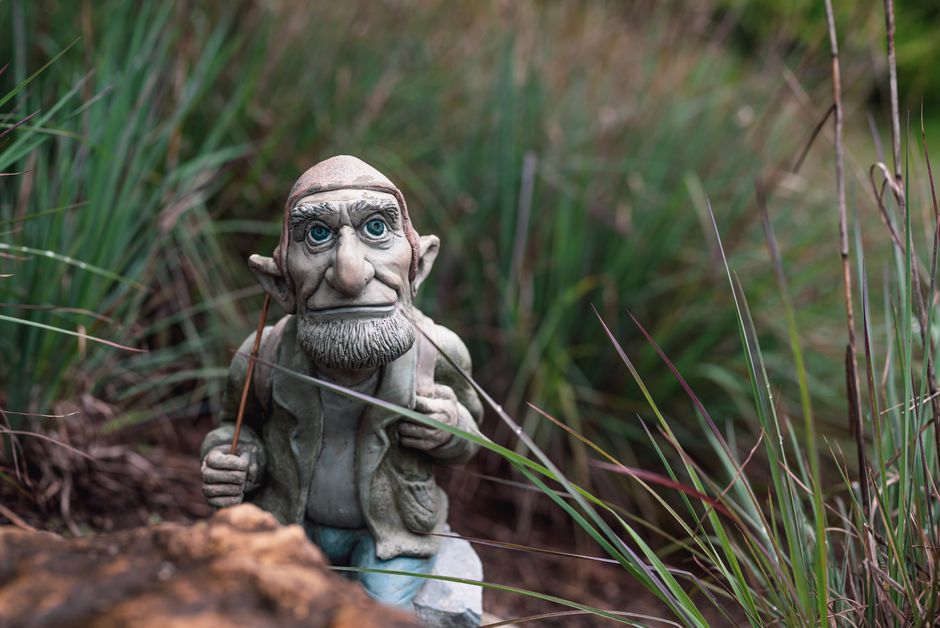
Did You Know? 12 Facts About The Troll

Did You Know? 12 Facts About The Troll

⏱️ 7 min read

Did You Know? 12 Facts About The Troll

Trolls have captivated human imagination for centuries, emerging from the misty forests and rocky mountains of Scandinavian folklore to become iconic figures in global mythology. These mysterious creatures have evolved from terrifying monsters of ancient tales into diverse representations across literature, film, and popular culture. While many people recognize trolls from modern fantasy stories, the original folklore surrounding these beings is rich with fascinating details that reveal much about the cultures that created them. Here are twelve intriguing facts about trolls that illuminate their complex nature and enduring legacy in world mythology.

1. Ancient Norse Origins

Trolls originated in Norse mythology and Scandinavian folklore, particularly in Norway, Sweden, Denmark, and Iceland. The earliest mentions of these creatures date back to Norse sagas and folk tales from the medieval period. In Old Norse literature, trolls were often used as blanket terms for various supernatural beings, including giants and other malevolent creatures that existed outside the realm of human civilization. The word "troll" itself may derive from Old Norse words meaning "fiend" or "demon," reflecting their fearsome reputation in ancient societies.

2. Extreme Sensitivity to Sunlight

One of the most consistent characteristics of trolls across Scandinavian folklore is their vulnerability to sunlight. According to traditional tales, exposure to direct sunlight causes trolls to turn to stone or explode. This weakness forced trolls to dwell in caves, under bridges, or deep in forests where sunlight rarely penetrated. This aspect of troll mythology has been preserved in countless modern adaptations, from J.R.R. Tolkien's works to contemporary children's stories, making it perhaps the most recognizable trait of these creatures.

3. Varied Physical Descriptions

Unlike many mythological creatures with standardized appearances, trolls exhibit remarkable physical diversity across different regional tales. Some folklore describes them as enormous giants towering over mountains, while other accounts depict them as small, gnome-like beings. Common physical features include grotesque faces, large noses, rough skin resembling bark or stone, and bodies covered in moss or hair. Some trolls possess multiple heads, tails, or other monstrous appendages. This variation reflects the localized nature of folklore and how different communities imagined these creatures based on their unique environments and fears.

4. Bridge Guardians

The association between trolls and bridges is deeply rooted in folklore, most famously illustrated in the Norwegian fairy tale "Three Billy Goats Gruff." In traditional stories, trolls often claimed bridges as their territory, demanding tolls from travelers or attempting to eat those who crossed. This connection may have originated from the dangerous nature of crossing rivers and ravines in mountainous Scandinavian terrain, where bridges represented both vital infrastructure and potential hazards. The bridge-dwelling troll became a metaphor for obstacles that must be overcome through cleverness or courage.

5. Supernatural Powers and Magic

Beyond their physical strength, trolls in traditional folklore possessed various magical abilities. They could shape-shift into different forms, become invisible, create illusions, and cast spells. Some tales describe trolls who could control weather, conjure fog to disorient travelers, or use glamour magic to appear beautiful and enticing to humans. Female trolls, sometimes called "troll hags," were particularly associated with magical knowledge and could brew potions or curse those who offended them. These supernatural abilities made trolls formidable adversaries in folk tales, requiring heroes to rely on wit rather than strength alone.

6. Interaction with Humans

Folklore presents complex relationships between trolls and humans, ranging from hostile to surprisingly cooperative. While many stories feature trolls as antagonists who kidnapped children, stole livestock, or attacked settlements, others describe trolls who traded with humans, taught them skills, or even married into human families. Some tales warn of troll women who seduced human men or troll changelings left in place of stolen human babies. These varied interactions reflect humanity's ambivalent relationship with the wild, untamed aspects of nature that trolls symbolized.

7. Intelligence Levels Vary

The intellectual capacity attributed to trolls differs significantly across folklore traditions. Some stories portray trolls as dim-witted creatures easily tricked by clever humans, such as being convinced to count their own legs or look at the sun. Other tales present trolls as cunning and intelligent beings who speak multiple languages, possess ancient wisdom, and outsmart unwary travelers. This variation often served the narrative needs of different stories, with troll intelligence adjusted to create either comic relief or genuine threat depending on the tale's purpose.

8. Connection to Nature and Geography

Trolls are inextricably linked to natural features in Scandinavian landscapes. Mountains, forests, caves, and waterfalls were believed to be troll habitats, and unusual rock formations were explained as petrified trolls caught by sunrise. This connection made trolls embodiments of nature's wild, uncontrollable aspects and potentially dangerous forces. Norwegian geography is particularly rich with locations bearing names related to trolls, such as Trolltunga (Troll's Tongue) and Trollstigen (Troll's Path), reflecting how deeply these creatures were woven into cultural understanding of the landscape.

9. Christian Influence on Troll Mythology

The Christianization of Scandinavia significantly impacted troll folklore. As Christian beliefs spread, trolls became increasingly associated with pre-Christian paganism and were cast as enemies of Christianity. Church bells were said to repel trolls, and Christian prayers or symbols could protect against them. Many folk tales feature trolls being defeated or converted through Christian faith. This transformation illustrates how mythology adapts to reflect changing religious and cultural values, with trolls serving as representations of the old beliefs being supplanted by new religious frameworks.

10. Modern Cultural Evolution

Trolls have undergone remarkable transformation in modern popular culture, diverging significantly from their fearsome folklore origins. The twentieth and twenty-first centuries have seen trolls reimagined as everything from cute toys to noble creatures in fantasy literature. The beloved Moomin trolls created by Finnish author Tove Jansson present philosophical, gentle beings. Disney's "Frozen" features trolls as wise, benevolent creatures. Meanwhile, internet culture has appropriated the term "troll" to describe people who deliberately provoke others online, demonstrating the continued evolution of troll mythology in contemporary contexts.

11. Regional Variations Across Scandinavia

Each Scandinavian country developed distinct troll traditions reflecting local geography and culture. Norwegian trolls were typically mountain-dwelling giants associated with remote, rugged terrain. Swedish folklore often featured forest trolls with more varied dispositions toward humans. Danish troll tales sometimes portrayed them as smaller, more mischievous beings similar to other European fairy folk. Icelandic traditions included trolls among their hidden people, incorporating them into a complex supernatural landscape. These regional differences demonstrate how folklore adapts to reflect the specific environmental and cultural characteristics of different communities.

12. Trolls in Contemporary Literature and Film

Modern fantasy literature and cinema have embraced trolls as versatile characters, from J.R.R. Tolkien's stone-trolls and cave-trolls in Middle-earth to the diverse troll species in J.K. Rowling's Harry Potter series. Films like "Trollhunter" have revisited traditional folklore with modern storytelling techniques, while animated features present trolls across the spectrum from villainous to heroic. This continued prominence in popular culture ensures that trolls remain relevant to new generations, even as their portrayal shifts dramatically from their folkloric roots. Their adaptability as mythological figures allows creators to reinvent trolls to serve various narrative purposes while maintaining connections to their legendary origins.

Conclusion

These twelve facts reveal trolls as far more complex and varied than popular stereotypes suggest. From their ancient Norse origins to their modern cultural manifestations, trolls have served as powerful symbols representing humanity's relationship with nature, the unknown, and the supernatural. Their evolution from fearsome creatures of folklore to diverse characters in contemporary media demonstrates the dynamic nature of mythology and how legendary beings continue to adapt while retaining core elements that made them compelling for centuries. Whether dwelling under bridges, turning to stone in sunlight, or inhabiting the pages of fantasy novels, trolls remain enduring figures in the landscape of human imagination, connecting us to the rich storytelling traditions of our ancestors while continuing to evolve with each generation.