
⏱️ 5 min read
Did You Know? 12 Facts About The Human Brain
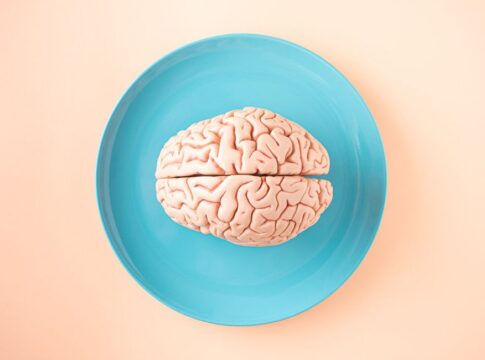
The human brain is perhaps the most complex and fascinating organ in the entire body. Weighing approximately three pounds, this remarkable biological supercomputer controls every aspect of our existence, from breathing and movement to thoughts, emotions, and memories. Despite centuries of scientific study, researchers continue to discover new and surprising facts about how the brain functions. Understanding these facts not only deepens our appreciation for this incredible organ but also helps us make better choices about our health and cognitive well-being. Here are twelve fascinating facts about the human brain that may surprise you.
1. The Brain Uses 20% of the Body’s Energy
Despite representing only about 2% of total body weight, the brain consumes approximately 20% of the body’s oxygen and calories. This disproportionate energy consumption occurs because brain cells require constant energy to maintain electrical charges necessary for transmitting information. Even when resting or sleeping, the brain continues to consume significant energy, demonstrating why proper nutrition and adequate rest are essential for optimal cognitive function.
2. The Brain Contains Approximately 86 Billion Neurons
For decades, scientists estimated the brain contained around 100 billion neurons, but more recent research has refined this number to approximately 86 billion. These specialized cells form the foundation of the nervous system, transmitting information through electrical and chemical signals. Each neuron can connect with thousands of other neurons, creating trillions of connections called synapses that enable everything from basic reflexes to complex reasoning.
3. Information Travels at Different Speeds
Neural signals don’t travel at a uniform speed throughout the brain. Depending on the type of neuron and whether it has a protective myelin sheath, information can travel anywhere from 1.5 miles per hour to an impressive 268 miles per hour. This variation in speed explains why some reactions, like pulling your hand away from a hot surface, happen almost instantaneously, while other cognitive processes require more time.
4. The Brain Cannot Feel Pain
Ironically, while the brain processes all pain signals from throughout the body, it contains no pain receptors itself. This is why neurosurgeons can perform certain brain surgeries while patients remain awake and conscious. The pain experienced during headaches actually comes from the surrounding tissues, blood vessels, and membranes around the brain, not from the brain tissue itself.
5. Brain Size Doesn’t Equal Intelligence
Contrary to popular belief, having a larger brain doesn’t necessarily mean greater intelligence. Albert Einstein’s brain, famously preserved after his death, was actually slightly smaller than average. What matters more is the density of neural connections, the efficiency of neural networks, and the structure of specific brain regions. The arrangement and connectivity of neurons play a far more crucial role in cognitive ability than sheer size.
6. The Brain Continues Developing Until Your Mid-to-Late Twenties
While the brain reaches approximately 90% of its adult size by age six, it continues developing and refining its connections well into early adulthood. The prefrontal cortex, responsible for decision-making, impulse control, and planning, is one of the last areas to fully mature, typically completing development around age 25. This explains why teenagers and young adults may struggle more with risk assessment and long-term planning.
7. Memory Storage Capacity is Virtually Unlimited
Unlike computers with fixed storage capacities, the human brain’s ability to store information is essentially limitless. Research suggests the brain’s memory storage capacity could be around 2.5 petabytes, equivalent to three million hours of television shows. Rather than running out of space, memory issues typically relate to how information is encoded, stored, and retrieved rather than actual capacity limitations.
8. The Brain Generates Enough Electricity to Power a Light Bulb
The brain operates on approximately 12-25 watts of electricity, enough to power a low-wattage LED light bulb. This electricity is generated by the roughly 86 billion neurons continuously firing electrical impulses. These bioelectrical signals form the basis of brain activity measured by electroencephalography (EEG) tests and enable all cognitive functions.
9. Multitasking is Actually Task-Switching
Despite many people’s belief in their multitasking abilities, neuroscience reveals that the brain doesn’t truly multitask. Instead, it rapidly switches attention between tasks, which actually reduces efficiency and increases errors. Research shows that this constant switching can reduce productivity by up to 40% and temporarily lower IQ scores by an average of 10 points.
10. The Brain is 73% Water
Water comprises approximately 73% of the brain’s composition, which explains why even mild dehydration can significantly impact cognitive function. A loss of just 2% of body water can result in decreased attention, memory impairment, and reduced motor skills. Maintaining proper hydration is crucial for optimal brain performance, affecting everything from mood to concentration.
11. Your Brain Creates New Cells Throughout Life
For many years, scientists believed that neurogenesis, the creation of new neurons, stopped after childhood. However, research has demonstrated that the brain continues producing new neurons in certain regions, particularly the hippocampus, which is involved in learning and memory. This neuroplasticity allows the brain to adapt, learn, and recover from injuries throughout life, though the rate of new neuron production does decrease with age.
12. Sleep is Essential for Brain Waste Removal
During sleep, the brain activates its waste removal system, known as the glymphatic system, which clears out toxic proteins and metabolic waste products that accumulate during waking hours. This cleaning process is up to ten times more active during sleep than when awake. Chronic sleep deprivation prevents adequate waste clearance, potentially contributing to cognitive decline and increasing the risk of neurodegenerative diseases.
Conclusion
These twelve facts about the human brain demonstrate the remarkable complexity and capability of this extraordinary organ. From its massive energy consumption and vast network of billions of neurons to its surprising inability to feel pain and its continuous development throughout early adulthood, the brain remains one of science’s most intriguing subjects. Understanding these facts emphasizes the importance of maintaining brain health through proper nutrition, hydration, adequate sleep, and continued learning. As research continues to unveil the brain’s mysteries, our appreciation for its incredible abilities only deepens, reminding us that we carry the most sophisticated biological computer known to science right inside our skulls.