
⏱️ 6 min read
Did You Know? 15 Fascinating Facts About Rainforests
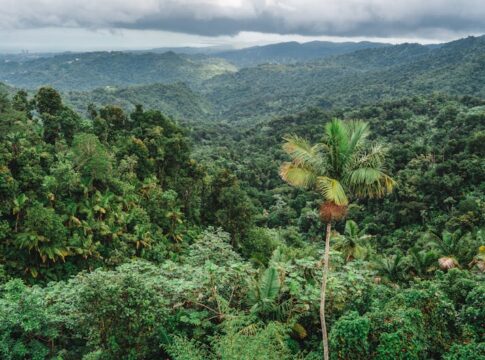
Rainforests are among the most extraordinary ecosystems on Earth, bursting with life and playing a crucial role in maintaining our planet’s health. These lush, green wonderlands cover only a small fraction of Earth’s surface but hold secrets and surprises that continue to amaze scientists and nature enthusiasts alike. From their incredible biodiversity to their impact on global climate, rainforests are far more remarkable than many people realize. Here are 15 captivating facts about these vital ecosystems that will deepen your appreciation for these natural treasures.
The 15 Essential Rainforest Facts
1. Rainforests Cover Less Than 3% of Earth’s Surface
Despite their immense importance, rainforests occupy less than 3% of the planet’s total surface area. Yet within this relatively small space exists more than half of the world’s plant and animal species. This concentration of biodiversity makes rainforests the most species-rich ecosystems on Earth, demonstrating nature’s ability to create incredibly complex and efficient biological communities in specific environments.
2. They Produce 20% of the World’s Oxygen
Rainforests are often called the “lungs of the Earth,” and for good reason. Through the process of photosynthesis, rainforest vegetation produces approximately 20% of the oxygen in our atmosphere. The Amazon rainforest alone generates about 6% of the world’s oxygen supply, making these ecosystems essential for the air we breathe and the survival of life on our planet.
3. A Single Rainforest Tree Can Host Thousands of Species
The biodiversity within rainforests extends to microscopic levels. Scientists have discovered that a single rainforest tree can be home to thousands of different species, including insects, birds, mammals, amphibians, and countless varieties of plants, fungi, and microorganisms. This incredible concentration of life demonstrates the complex interdependencies that exist within these ecosystems.
4. It Can Take Ten Minutes for Rain to Reach the Ground
The rainforest canopy is so thick and densely layered that when it rains, it can take up to ten minutes for water droplets to travel from the top of the canopy to the forest floor. This multi-layered structure creates distinct microclimates at different heights, each supporting unique communities of plants and animals adapted to their specific level.
5. Rainforests Receive Between 80 and 400 Inches of Rain Annually
True to their name, rainforests receive enormous amounts of precipitation each year. Different rainforest regions can get anywhere from 80 to 400 inches of rainfall annually, with some areas experiencing rain almost every single day. This consistent moisture, combined with warm temperatures, creates ideal conditions for rapid plant growth and incredible biodiversity.
6. More Than 25% of Modern Medicines Come From Rainforest Plants
Rainforests are nature’s pharmacy. Over 25% of all modern pharmaceutical drugs have their origins in rainforest plants, yet scientists have tested less than 1% of rainforest plant species for medicinal properties. These ecosystems hold tremendous potential for future medical discoveries, including possible treatments for cancer, Alzheimer’s disease, and other conditions.
7. Rainforest Soil Is Surprisingly Poor
Contrary to what one might expect from such lush vegetation, rainforest soil is actually quite nutrient-poor. The rapid decomposition of organic matter and heavy rainfall cause nutrients to be quickly absorbed by plants or washed away. Most nutrients in rainforest ecosystems are stored in the living vegetation rather than the soil, making these areas vulnerable to degradation once trees are removed.
8. They House More Than 50% of Earth’s Species
While rainforests cover less than 3% of Earth’s surface, they contain more than 50% of all plant and animal species on the planet. This includes approximately 427 species of mammals, 1,300 bird species, 378 reptile species, and more than 400 amphibian species in tropical rainforests alone, along with millions of insect species.
9. One Hectare Contains More Tree Species Than All of North America
The diversity within rainforests is staggering. A single hectare (2.47 acres) of rainforest can contain over 480 different tree species, which is more than the total number of tree species native to all of the United States and Canada combined. This exceptional variety creates complex ecosystems with countless ecological niches.
10. Indigenous People Have Called Rainforests Home for Millennia
Rainforests have been home to indigenous communities for thousands of years. Today, approximately 50 million people, including more than 400 indigenous groups, still live in rainforests around the world. These communities possess invaluable traditional knowledge about rainforest ecology, medicinal plants, and sustainable living practices that have been passed down through generations.
11. Rainforests Help Regulate Global Temperature
Beyond producing oxygen, rainforests play a critical role in regulating Earth’s climate. They absorb massive amounts of carbon dioxide, helping to mitigate climate change, and influence weather patterns both locally and globally through their impact on atmospheric moisture and temperature. The loss of rainforests significantly affects climate stability worldwide.
12. Decomposition Happens Incredibly Quickly
In temperate forests, a fallen leaf might take up to a year to decompose completely. In tropical rainforests, that same process can occur in just six weeks. The warm, moist conditions and abundance of decomposers like fungi, bacteria, and insects create an incredibly efficient recycling system that rapidly returns nutrients to the ecosystem.
13. There Are Different Types of Rainforests
Not all rainforests are tropical. While tropical rainforests near the equator are the most well-known, temperate rainforests exist in cooler regions of the world, including parts of North America, Chile, Australia, and New Zealand. These temperate rainforests have different characteristics but share the common features of high rainfall and dense vegetation.
14. An Area the Size of a Football Field Disappears Every Second
Sadly, deforestation occurs at an alarming rate. Approximately one and a half acres of rainforest—roughly the size of a football field—are lost every single second to logging, agriculture, mining, and development. This rapid destruction not only threatens countless species but also impacts global climate patterns and eliminates potential medical discoveries.
15. Rainforests Create Their Own Rain
Rainforests don’t just receive rain; they actually generate it. Through a process called evapotranspiration, rainforest trees release water vapor into the atmosphere, which forms clouds and eventually falls as rain. The Amazon rainforest creates approximately 50% of its own rainfall, demonstrating the remarkable self-sustaining nature of these ecosystems.
Conclusion
These 15 facts only scratch the surface of the incredible complexity and importance of rainforest ecosystems. From their role as biodiversity hotspots and climate regulators to their potential for medical breakthroughs and their self-sustaining nature, rainforests are truly irreplaceable natural wonders. Understanding these facts helps us appreciate why protecting these vital ecosystems is essential not just for the millions of species that call them home, but for the health and survival of our entire planet. As deforestation continues at alarming rates, spreading awareness about the value of rainforests becomes increasingly critical for inspiring conservation efforts and ensuring these magnificent ecosystems survive for future generations to study, appreciate, and depend upon.