










Ad Space
1 / 10 Questions
0 Points

How many times has a MasterChef contestant's dish caught fire badly enough to evacuate the set?

Twice in the same episode

Never—all fires have been contained without evacuation

Multiple times across different seasons

Only once, in Season 3

Points won
0
Correct score
0%
Ad Space

More Questions

#N/A

⏱️ 5 min read Understanding the #N/A Error: A Comprehensive Guide The #N/A error is one of the most commonly encountered error values in spreadsheet applications,...

Top 10 Coldest Places on Earth

⏱️ 8 min read Top 10 Coldest Places on Earth Earth's most frigid locations present some of the harshest environments imaginable, where temperatures plunge to extremes...

Top 10 Rarest Animals

⏱️ 6 min read Top 10 Rarest Animals on Earth: A Journey into Critical Endangerment The natural world harbors countless species, each playing a vital role...

More Articles

Did You Know? 10 Facts About Tigers

Did You Know? 10 Facts About Tigers

⏱️ 7 min read

Did You Know? 10 Fascinating Facts About Tigers

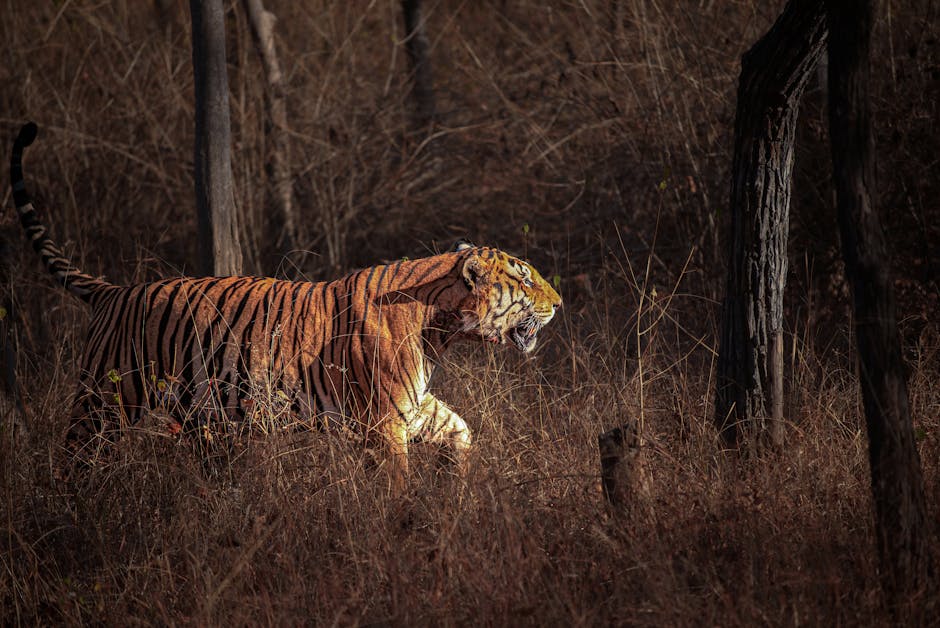
Tigers are among the most magnificent and powerful creatures on Earth, capturing human imagination for centuries with their striking appearance and formidable presence. As the largest members of the cat family, these apex predators have evolved remarkable adaptations that make them extraordinary hunters and survivors. Despite their iconic status, many people remain unaware of the unique characteristics and behaviors that make tigers truly exceptional animals. This article explores ten fascinating facts about tigers that reveal the complexity and wonder of these endangered felines.

1. Tigers Are the Largest Wild Cats in the World

Tigers hold the distinction of being the largest wild cat species on the planet. Adult male tigers can weigh between 220 to 660 pounds, depending on the subspecies, with Siberian tigers being the largest. These magnificent cats can measure up to 11 feet in length from nose to tail tip. Their impressive size allows them to take down prey much larger than themselves, including water buffalo, wild boar, and even young elephants. Despite their bulk, tigers are remarkably agile and can leap distances of up to 30 feet in a single bound, demonstrating an incredible combination of power and grace.

2. Each Tiger Has a Unique Stripe Pattern

Just as human fingerprints are unique to each individual, every tiger possesses a distinctive stripe pattern that never repeats. These stripes are not merely superficial markings on their fur; the pattern extends to their skin beneath. The distinctive orange and black coloration serves as excellent camouflage in their natural habitat, helping them blend into tall grasses and dappled forest light while stalking prey. Researchers and conservationists use these unique patterns to identify and track individual tigers in the wild, making stripe patterns an invaluable tool for population studies and protection efforts.

3. Tigers Are Exceptional Swimmers

Unlike most cat species that avoid water, tigers are remarkably adept swimmers and actually enjoy being in water. They can swim for several miles and have been observed crossing rivers up to four miles wide. This affinity for water serves multiple purposes: tigers often swim to cool down in hot weather, hunt aquatic prey, and pursue terrestrial prey that attempts to escape by entering water. In some regions, tigers have been known to catch fish and even hunt swimming deer. This unusual trait among big cats gives tigers a significant advantage in their diverse habitats.

4. A Tiger's Roar Can Be Heard From Two Miles Away

Tigers possess one of the most powerful vocalizations in the animal kingdom. Their roar can reach volumes of up to 114 decibels and can be heard from distances of two miles or more. Tigers use their roar for various forms of communication, including marking territory, calling to potential mates, and warning off rivals. Beyond roaring, tigers produce a range of vocalizations including growls, moans, and a friendly greeting sound called "chuffing," which involves exhaling air through their nostrils and mouth. These diverse vocal abilities allow tigers to communicate effectively across their large territories.

5. Tigers Are Primarily Solitary Animals

Unlike lions, which live in social groups called prides, tigers are predominantly solitary creatures. Adult tigers establish and maintain large territories that they mark with scent, scratch marks, and vocalizations to warn other tigers to stay away. Males typically have larger territories that may overlap with those of several females. Tigers generally only come together during mating season or when a mother is raising cubs. This solitary lifestyle is an adaptation to their hunting strategy, as a single tiger moving silently through dense vegetation is more effective at ambushing prey than a group would be.

6. Tigers Have Remarkable Night Vision

Tigers are equipped with exceptional night vision that is approximately six times more powerful than that of humans. This enhanced visual capability is due to a special reflective layer behind their retinas called the tapetum lucidum, which amplifies available light and causes their eyes to glow when illuminated at night. This adaptation makes tigers primarily crepuscular and nocturnal hunters, most active during dawn, dusk, and nighttime hours when their prey is also active. Their superior night vision gives them a significant hunting advantage, allowing them to detect movement and judge distances accurately even in very low light conditions.

7. Tiger Saliva Has Antiseptic Properties

Nature has equipped tigers with a built-in first aid system: their saliva contains natural antiseptic properties. When tigers lick their wounds, they are not just cleaning them; the saliva actually helps disinfect injuries and promotes healing. This biological adaptation is crucial for an apex predator that regularly engages in potentially dangerous hunts and territorial disputes. The antiseptic compounds in tiger saliva help prevent infections that could otherwise prove fatal in the wild. This remarkable feature is shared with some other big cats but is particularly well-developed in tigers.

8. Only About Half of Tiger Hunts Are Successful

Despite their fearsome reputation as apex predators, tigers have a hunting success rate of only about 50 percent or less, depending on the prey species and hunting conditions. Tigers rely on stealth and the element of surprise, typically stalking their prey to within 30 feet before launching a powerful attack. They must get extremely close because they can only maintain their top speed of 35-40 miles per hour for short distances. If the initial ambush fails, the prey usually escapes. This relatively low success rate means tigers must hunt frequently and opportunistically, and they can consume up to 88 pounds of meat in a single feeding when successful.

9. Tigers Can Mimic Other Animals' Calls

One of the most surprising and lesser-known abilities of tigers is their capacity to mimic the calls of other animals. Tigers have been documented imitating the calls of prey species, such as deer and wild boar, to lure them closer. This sophisticated hunting strategy demonstrates remarkable intelligence and adaptability. By mimicking the sounds of potential prey animals, tigers can sometimes trick their targets into approaching rather than having to complete a lengthy stalk. This vocal mimicry represents an advanced cognitive ability and adds another dimension to the tiger's already impressive array of hunting techniques.

10. There Are Only Six Subspecies of Tigers Remaining

Of the nine originally recognized tiger subspecies, only six remain in the world today. The Caspian, Javan, and Bali tigers have all been declared extinct in the past century, primarily due to habitat loss and hunting. The surviving subspecies are the Bengal, Indochinese, Malayan, Siberian (Amur), South China, and Sumatran tigers. All remaining subspecies are endangered, with some critically so. The total wild tiger population is estimated at fewer than 4,000 individuals, down from approximately 100,000 at the beginning of the 20th century. Conservation efforts are currently underway worldwide to protect remaining tiger populations and their habitats, with some regions showing encouraging signs of population recovery.

Conclusion

These ten remarkable facts illustrate why tigers are among the most extraordinary animals on Earth. From their unique stripe patterns and impressive size to their swimming abilities and sophisticated hunting strategies, tigers exemplify the wonder of natural evolution. Their powerful roars, exceptional night vision, and even their antiseptic saliva demonstrate the remarkable adaptations that have allowed them to thrive as apex predators for millions of years. However, the tragic reduction in their numbers and the extinction of three subspecies remind us of the urgent need for conservation. Understanding and appreciating these magnificent creatures is an essential step toward ensuring that future generations will have the opportunity to marvel at tigers not just in stories and pictures, but thriving in their natural habitats. The survival of these iconic big cats depends on continued conservation efforts, habitat protection, and global commitment to preserving one of nature's most awe-inspiring predators.

Did You Know? 15 Facts About Everyday Objects

Did You Know? 15 Facts About Everyday Objects

⏱️ 6 min read

Did You Know? 15 Surprising Facts About Everyday Objects

Everyday objects surround us from the moment we wake until we go to sleep, yet we rarely stop to consider their fascinating origins, hidden features, or unexpected purposes. These common items that fill our homes, offices, and pockets have remarkable stories and clever designs that often go unnoticed. The following fifteen facts reveal the surprising secrets behind the objects we use daily, demonstrating that even the most mundane items have extraordinary details worth discovering.

Fifteen Fascinating Facts About Common Items

1. The Hole in Pen Caps Saves Lives

The small hole at the top of many ballpoint pen caps serves a crucial safety function. This design feature was intentionally added to reduce the risk of suffocation if someone, particularly a child, accidentally swallows or chokes on the cap. The hole allows air to pass through, potentially preventing a fatal outcome. This simple modification has been a standard safety feature since the early 1990s and is now required by international safety standards.

2. Aluminum Foil Has Two Different Sides

The shiny and dull sides of aluminum foil exist due to the manufacturing process rather than intentional design. During production, two layers of foil are rolled together in the final pass. The sides that touch the rollers become shiny, while the sides pressed against each other become matte. Contrary to popular belief, both sides are equally effective for cooking and food storage, and there is no performance difference between using one side over the other.

3. The Drawer Under Your Oven Has a Specific Purpose

Many people use the drawer beneath their oven for storing pots and pans, but it was actually designed as a warming drawer. This compartment is meant to keep finished dishes warm while preparing other components of a meal. However, some oven models do feature a broiler in this location instead, so consulting the appliance manual is essential to determine its true intended function.

4. The Pompom on Winter Hats Originated From Practical Needs

The decorative pompom atop winter hats has a surprisingly practical origin. French sailors in the 18th century wore hats with pompoms to protect their heads from bumping against low ceilings on ships. The soft ball of yarn provided cushioning in tight quarters. This functional feature eventually became a fashionable accessory that persists in modern winter wear.

5. The Ridges on Keyboard Keys Have a Purpose

The small raised bumps found on the F and J keys of computer keyboards serve as tactile markers for touch typists. These ridges help users position their index fingers correctly on the home row without looking at the keyboard. This standardized feature enables faster, more accurate typing and has become universal across keyboard designs worldwide.

6. The Extra Shoelace Holes on Sneakers Prevent Blisters

Most athletic shoes feature an extra eyelet near the ankle that many people ignore. This additional hole allows wearers to create a "heel lock" or "runner's loop" lacing technique. When used properly, this method secures the heel in place, preventing it from sliding up and down inside the shoe, which significantly reduces the likelihood of blisters during running or extended walking.

7. The Blue Part of an Eraser Wasn't Meant for Ink

Contrary to popular belief, the blue side of a classic pink-and-blue eraser was not designed to erase pen ink. Instead, it was created to erase pencil marks from heavier, darker paper stock. The blue portion is more abrasive and can remove marks from tougher surfaces without tearing the paper, though it often damages lighter paper, which led to the misconception about its intended use.

8. The Cylinder on Laptop Charger Cables Reduces Interference

The cylindrical lump found on many laptop charger cables is called a ferrite bead or ferrite choke. This component suppresses high-frequency electromagnetic interference that can affect other electronic devices nearby. It prevents the cable from acting as an antenna that might disrupt wireless signals or cause buzzing in speakers.

9. The Hole in Airplane Windows Maintains Cabin Pressure

Airplane windows actually consist of three layers of acrylic, and the small hole visible in the middle pane serves a vital safety function. Called a "breather hole" or "bleed hole," it regulates air pressure between the window panes and prevents the inner window from fogging. This design ensures that the outer pane bears the majority of cabin pressurization stress.

10. The Arrows on Car Gas Gauges Point to the Tank Side

Most modern vehicles feature a small arrow next to the gas pump icon on the fuel gauge. This arrow indicates which side of the car the gas tank is located on, helping drivers pull up correctly at gas stations. This feature proves especially useful when driving rental cars or unfamiliar vehicles.

11. The Loop on the Back of Dress Shirts Has Historic Significance

The small loop sewn onto the back of many dress shirts, known as a "locker loop," originated at American universities in the 1960s. It allowed students to hang their shirts in lockers without wrinkling them. The feature also developed social significance, with some men removing the loop to indicate they were in a relationship.

12. The Margins in Notebooks Protected Against Rodents

The red margin line on the left side of notebook paper originally served a practical purpose beyond organization. When paper was more valuable and commonly stored at home, rats and mice would often chew the edges. The margin indicated how much space to leave blank to preserve the important content if rodents damaged the paper's edge.

13. The Brass Rivets on Jeans Reinforce Stress Points

The small metal rivets on jeans pockets and seams were patented by Levi Strauss and Jacob Davis in 1873. These reinforcements were added to strengthen the points where the fabric experiences the most stress and would typically tear first. This innovation made work pants significantly more durable and remains a standard feature on quality denim today.

14. The Silica Gel Packets in Packaging Can Be Reused

Those small packets labeled "Do Not Eat" that come with shoes, electronics, and other products contain silica gel, a desiccant that absorbs moisture. Rather than discarding them, these packets can be dried in the oven and reused to protect items from humidity damage. They prove particularly useful for preserving photos, protecting tools from rust, or keeping stored seeds dry.

15. The Groove in the Bottom of Wine Bottles Has Multiple Functions

The indentation at the bottom of wine bottles, called a "punt," serves several purposes. It strengthens the bottle's structure, making it less likely to break under pressure from carbonated wines. The punt also collects sediment away from the pouring edge in aged wines and provides a grip point for proper pouring technique. Additionally, it aids in the uniform stacking and storage of bottles.

Conclusion

These fifteen everyday objects demonstrate that thoughtful design and practical innovation surround us constantly, even in the most ordinary items. From life-saving features in pen caps to the historical origins of fashion details, each fact reveals that common objects contain more ingenuity than typically noticed. Understanding these hidden purposes and fascinating backgrounds enriches our appreciation for the engineered world we inhabit daily. The next time you use any of these items, you will likely pause to consider the clever thinking that went into their design, proving that extraordinary details exist within the ordinary fabric of everyday life.