
⏱️ 7 min read
Top 10 Deadliest Ocean Animals
The ocean covers more than 70% of Earth’s surface and harbors some of the most fascinating yet dangerous creatures on our planet. While the vast blue waters appear serene and inviting, they are home to animals equipped with lethal venom, powerful jaws, and sophisticated hunting strategies that have evolved over millions of years. Understanding these creatures is essential not only for ocean safety but also for appreciating the complex ecosystems that exist beneath the waves. This article explores the ten deadliest ocean animals that command both respect and caution from anyone who enters their domain.
1. Box Jellyfish
The box jellyfish, particularly the species Chironex fleckeri found in Australian waters, is widely considered the most venomous marine animal in the world. These translucent creatures possess up to 15 tentacles that can extend up to 10 feet in length, each covered with thousands of stinging cells called nematocysts. The venom from a box jellyfish can cause cardiac arrest within minutes, and the pain is so excruciating that victims have been known to go into shock and drown before reaching shore. With an estimated 50 to 100 deaths attributed to box jellyfish stings annually, these nearly invisible predators represent a serious threat to swimmers in tropical waters.
2. Blue-Ringed Octopus
Despite their small size of only 5 to 8 inches, blue-ringed octopi carry enough venom to kill 26 adult humans within minutes. Found in tide pools and coral reefs throughout the Pacific and Indian oceans, these beautiful creatures display brilliant blue rings when threatened. Their venom contains tetrodotoxin, the same poison found in pufferfish, which causes muscle paralysis and respiratory failure. There is no known antidote, and victims remain fully conscious while their body shuts down. The blue-ringed octopus is responsible for at least three confirmed human deaths, though the actual number may be higher due to misdiagnosed cases.
3. Saltwater Crocodile
The saltwater crocodile is the largest living reptile and one of the most aggressive predators in coastal waters, estuaries, and rivers throughout Southeast Asia and Northern Australia. Males can grow up to 23 feet in length and weigh over 2,200 pounds, equipped with the strongest bite force of any animal on Earth at approximately 3,700 pounds per square inch. These apex predators are responsible for hundreds of human deaths annually, with their powerful jaws and death roll technique making escape virtually impossible once captured. Their ability to remain motionless for hours and explode from the water at incredible speeds makes them particularly dangerous to unsuspecting victims.
4. Stonefish
The stonefish holds the title of the most venomous fish in the world, perfectly camouflaged to resemble a rock or piece of coral on the ocean floor. Found primarily in the coastal regions of the Indo-Pacific, these masters of disguise possess 13 spinal dorsal fins, each containing potent neurotoxic venom. When stepped on, the pressure causes the fish to release venom that can cause excruciating pain, tissue necrosis, paralysis, and potentially death if left untreated. The pain from a stonefish sting is described as the worst imaginable, often causing victims to request amputation. While antivenom exists, fatalities still occur when medical treatment is not quickly accessible.
5. Great White Shark
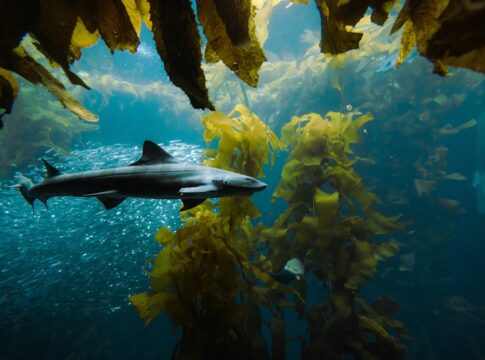
The great white shark is perhaps the most iconic ocean predator, capable of growing up to 20 feet in length and weighing over 5,000 pounds. While shark attacks are relatively rare, great whites are responsible for the highest number of unprovoked attacks on humans, with their powerful jaws containing approximately 300 serrated teeth arranged in multiple rows. These apex predators can detect a single drop of blood in 25 gallons of water and sense electrical fields produced by living creatures. Most attacks are believed to be cases of mistaken identity, but the massive trauma inflicted by their bite often proves fatal without immediate medical intervention.
6. Cone Snail
Cone snails are slow-moving mollusks that possess one of nature’s most sophisticated venom delivery systems. These beautiful shells hide a harpoon-like radular tooth that can extend and inject a complex cocktail of toxins capable of paralyzing prey instantly. The geographic cone snail is particularly dangerous to humans, with venom containing hundreds of different compounds that attack the nervous system. There is no antivenom available, and approximately 30 human deaths have been attributed to cone snail stings. The venom acts so quickly that victims may not even realize they have been stung until paralysis begins, earning the geographic cone the nickname “cigarette snail” because victims supposedly have only enough time to smoke one cigarette before dying.
7. Sea Snake
Sea snakes are among the most venomous reptiles on Earth, with some species possessing venom up to ten times more potent than that of a king cobra. Found throughout the tropical waters of the Indian and Pacific Oceans, these marine reptiles have evolved paddle-like tails for swimming and can remain submerged for up to eight hours. The beaked sea snake is responsible for more than half of all sea snake bite fatalities, as its venom causes muscle breakdown, paralysis, and kidney failure. Fortunately, sea snakes are generally docile and bites are rare, with most incidents occurring when fishermen accidentally catch them in nets.
8. Lionfish
The striking lionfish, with its elaborate fins and bold stripes, is a venomous predator native to the Indo-Pacific region but now invasively established in the Atlantic and Caribbean. Their 18 venomous spines can deliver extremely painful stings that cause intense pain, sweating, respiratory distress, and in rare cases, paralysis or death. While fatalities are uncommon, the pain from a lionfish sting is severe and can last for days. These voracious predators have no natural enemies in their invaded territories and are causing significant ecological damage by decimating native fish populations, making them deadly not only to humans but to entire ecosystems.
9. Tiger Shark
The tiger shark is second only to the great white in terms of recorded attacks on humans, earning its reputation as one of the ocean’s most dangerous predators. Growing up to 18 feet in length, these sharks are named for the distinctive dark stripes on juveniles and are known for their indiscriminate diet, consuming everything from sea turtles to garbage. Tiger sharks have unique teeth designed to saw through tough materials like bone and turtle shells, and they often inhabit shallow waters where human encounters are more likely. Their aggressive feeding behavior and presence in tropical and subtropical coastal waters make them a significant threat to swimmers and surfers worldwide.
10. Portuguese Man O’ War
Despite its jellyfish-like appearance, the Portuguese man o’ war is actually a colonial organism called a siphonophore, composed of specialized polyps working together. Its tentacles can extend up to 165 feet below the surface and are covered with venom-filled nematocysts capable of paralyzing small fish and delivering extremely painful stings to humans. While deaths are rare, the venom can cause severe allergic reactions, fever, shock, and in extreme cases, heart and lung complications that prove fatal. These creatures often travel in groups of thousands and can wash up on beaches where their tentacles remain venomous even after death, posing a danger to unsuspecting beachgoers.
Conclusion
The ocean’s deadliest animals represent millions of years of evolutionary refinement, each species equipped with specialized adaptations for survival in their marine environment. From the microscopic stinging cells of jellyfish to the powerful jaws of crocodiles and sharks, these creatures demonstrate nature’s incredible diversity and lethality. While these ten animals are undeniably dangerous, it is important to remember that most marine life poses little threat to humans who exercise caution and respect their environment. Understanding these creatures, their habitats, and their behaviors is the best defense against dangerous encounters. As we continue to explore and enjoy the ocean, awareness of these deadly animals helps ensure both human safety and the preservation of these remarkable species that play crucial roles in maintaining the health and balance of marine ecosystems worldwide.