
⏱️ 6 min read
Top 10 Mythical Creatures That Symbolize Evil
Throughout human history, cultures across the world have created mythical creatures to embody their deepest fears and represent the forces of evil. These legendary beings serve as cautionary tales, explanations for unexplained phenomena, and personifications of darkness that threaten humanity. From ancient civilizations to medieval folklore, these creatures have persisted in our collective imagination, symbolizing malevolence, chaos, and destruction. This article explores ten of the most notorious mythical creatures that have come to symbolize evil across different cultures and time periods.
1. Demons
Demons are perhaps the most universal representation of evil across world mythology and religious traditions. These malevolent supernatural entities appear in Christian, Islamic, Jewish, Hindu, and Buddhist traditions, among others. Demons are typically portrayed as fallen angels or evil spirits that seek to corrupt human souls, cause suffering, and spread chaos. In Christian tradition, demons serve Satan and work to lead humanity astray from righteousness. They are associated with possession, temptation, and spiritual warfare. The concept of demons has influenced literature, art, and popular culture for millennia, making them one of the most enduring symbols of pure evil.
2. Dragons (Western Tradition)
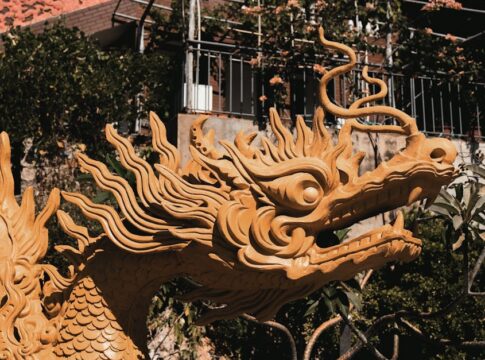
While Eastern dragons are often benevolent, Western dragons have traditionally symbolized evil, greed, and destruction. In European folklore and medieval literature, dragons were fearsome serpentine creatures that hoarded treasure, destroyed villages, and devoured innocents. They represented chaos that needed to be conquered by heroic knights and saints. The dragon in Christian symbolism often represents Satan or sin itself, as seen in the Biblical Book of Revelation. These massive, fire-breathing reptiles embodied humanity’s primal fears and the constant struggle between good and evil, civilization and chaos.
3. Wendigo
Originating from Algonquian folklore of North America, the Wendigo is a terrifying creature that symbolizes greed, gluttony, and the ultimate taboo of cannibalism. According to legend, a human who resorts to eating human flesh, especially during harsh winters, transforms into a Wendigo—a gaunt, skeletal monster with an insatiable hunger for human meat. The creature is associated with winter, famine, and starvation, representing the evil that humans can become when they abandon their morality for survival. The Wendigo serves as a powerful cautionary tale against selfishness and the breaking of sacred cultural taboos.
4. Succubi and Incubi
These demonic entities from medieval folklore represent sexual evil and spiritual corruption. Succubi are female demons that seduce men in their sleep, while incubi are their male counterparts who prey upon women. These creatures symbolize lust, temptation, and the dangers of carnal desires. In medieval Christian theology, they were believed to steal vital energy from their victims, cause nightmares, and even father demonic offspring. The legend of succubi and incubi reflects societal anxieties about sexuality, the vulnerability of sleep, and the fear of spiritual corruption through physical pleasure.
5. Rakshasa
From Hindu and Buddhist mythology, Rakshasas are malevolent demons or evil spirits known for their shape-shifting abilities and appetite for human flesh. These creatures are described as powerful sorcerers who use illusions and black magic to torment humans and disrupt religious ceremonies. In the ancient Sanskrit epic Ramayana, Rakshasas serve as antagonists who represent chaos, deception, and opposition to dharma (cosmic order and righteousness). They are often depicted with fearsome features and possess the ability to animate dead bodies, making them formidable symbols of supernatural evil in South Asian mythology.
6. Basilisk
The Basilisk, known as the “King of Serpents” in European legends, is a lethal creature whose very gaze can kill. Described as a serpent or dragon-like being, often with a rooster’s head, the Basilisk represents death, corruption, and poisonous evil. According to medieval bestiaries, the creature’s breath could wither plants, crack stones, and poison water sources. Its venom was considered the most deadly substance in existence. The Basilisk symbolizes the destructive nature of evil—something so toxic that mere proximity to it brings death and decay, embodying the concept that evil corrupts everything it touches.
7. Jinn (Evil Spirits)
While not all Jinn are evil in Islamic tradition, certain categories of these supernatural beings, particularly the Shayatin (devils) and Ifrit, represent malevolent forces. These entities are created from smokeless fire and possess free will, allowing them to choose between good and evil. Evil Jinn are associated with deception, possession, and leading humans astray from righteousness. They inhabit desolate places and darkness, emerging to cause mischief, madness, and spiritual harm. The Ifrit, in particular, are considered extremely powerful and wicked, representing rebellious evil that challenges divine order.
8. Banshee
The Banshee from Irish mythology is a female spirit whose mournful wailing heralds death. While sometimes portrayed as a neutral harbinger, the Banshee often symbolizes doom, death, and the inescapable nature of mortality—concepts closely associated with evil in human consciousness. Her terrifying shriek in the night represents humanity’s fear of death and the unknown. In darker interpretations, Banshees are vengeful spirits who take pleasure in announcing tragedy, embodying the malevolent aspects of fate and the supernatural forces that bring misfortune to families.
9. Azi Dahaka
From Persian mythology, Azi Dahaka is a three-headed dragon demon that represents lies, chaos, and evil incarnate. In Zoroastrian tradition, this creature is one of the most powerful servants of Angra Mainyu, the spirit of destruction and evil. Azi Dahaka is said to have serpents growing from his shoulders and possesses the power to spread disease, drought, and devastation across the land. The creature symbolizes the corruption of truth and the destructive nature of deceit. Its eventual imprisonment in Mount Damavand represents the temporary binding of evil until the end times, making it a powerful symbol of apocalyptic evil.
10. Nuckelavee
The Nuckelavee from Orcadian Scottish folklore is considered one of the most malevolent creatures in Celtic mythology. This horrifying demon takes the form of a skinless horse-like creature fused with a humanoid torso, with black blood coursing through visible veins and muscles. The Nuckelavee brings plague, crop failure, and drought, and its breath alone can wilt crops and sicken livestock. It represents pure environmental evil and the destructive forces of nature turned malevolent. The creature’s aversion to fresh water provides the only protection against it, symbolizing the purifying power of nature against corrupted supernatural evil.
Conclusion
These ten mythical creatures demonstrate humanity’s diverse attempts to personify and understand evil across cultures and throughout history. From demons and dragons to the Wendigo and Nuckelavee, each creature embodies specific fears—death, corruption, cannibalism, disease, and spiritual destruction. These legends served practical purposes in their respective societies, teaching moral lessons, explaining natural disasters, and reinforcing cultural taboos. While modern society may view these creatures as mere folklore, they continue to fascinate and terrify, reminding us of the enduring human need to give form to the darkness we perceive in the world. Understanding these symbols of evil provides insight into the values, fears, and worldviews of the cultures that created them, offering a window into humanity’s eternal struggle to comprehend and combat the forces of malevolence.