









Ad Space
1 / 10 Questions
0 Points

What breakfast food was once illegal to sell colored?

Margarine

Cereal

Orange juice

Pancake mix

Points won
0
Correct score
0%
Ad Space

More Questions

More Articles

Did You Know? 12 Facts About Samurai Legends

Did You Know? 12 Facts About Samurai Legends

⏱️ 6 min read

Did You Know? 12 Facts About Samurai Legends

The samurai warriors of feudal Japan have captured the imagination of people worldwide for centuries. These legendary figures, bound by the strict code of bushido, have inspired countless stories, films, and myths that blur the line between historical fact and legend. While many people are familiar with the basic concept of samurai as skilled swordsmen, the deeper mythology and legendary tales surrounding these warriors reveal a far more complex and fascinating culture. From supernatural encounters to heroic deeds that defied belief, samurai legends offer a window into the values, fears, and aspirations of medieval Japan. Here are twelve captivating facts about samurai legends that showcase the mythical dimensions of these iconic warriors.

1. The Legend of the 47 Ronin

Perhaps the most famous samurai legend is the tale of the 47 Ronin, which has become the ultimate story of loyalty and revenge in Japanese culture. According to legend, these masterless samurai spent years planning to avenge their lord's death, ultimately attacking their enemy's fortress and taking his head. This story embodies the samurai ideals of loyalty, honor, and self-sacrifice, and has been retold countless times in Japanese literature, theater, and modern media.

2. Samurai and Supernatural Encounters

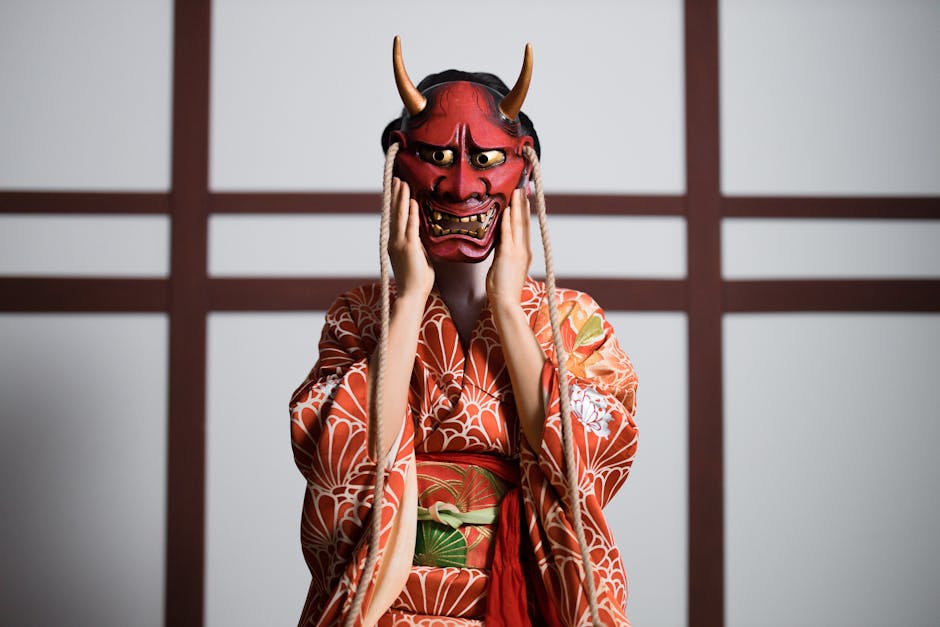
Samurai legends frequently feature encounters with supernatural beings such as oni (demons), tengu (crow-like spirits), and yurei (ghosts). These mythical tales often depicted samurai as defenders against dark forces, using both their martial prowess and spiritual strength to protect villages and maintain cosmic balance. Such stories reinforced the image of samurai as more than mere warriors—they were spiritual guardians of the realm.

3. The Cursed Blade Muramasa

Legend tells of Muramasa, a master swordsmith whose blades were said to be cursed with a bloodlust. These legendary swords supposedly drove their wielders to madness and violence, unable to be sheathed until they had drawn blood. The Tokugawa shogunate particularly feared Muramasa blades, as several family members allegedly died by them, leading to the swords being banned and destroyed throughout Japan.

4. Miyamoto Musashi's Undefeated Record

The legendary swordsman Miyamoto Musashi reportedly fought over sixty duels without a single defeat, creating a mythology around his strategic genius and unorthodox techniques. Legends describe his most famous duel against Sasaki Kojiro, where Musashi supposedly arrived late to anger his opponent and carved a wooden sword from an oar during his boat journey to the duel site. His legendary status was cemented by his treatise "The Book of Five Rings," which blended philosophy with martial strategy.

5. The Tengu Masters

According to legend, many renowned samurai learned their exceptional sword skills from tengu—mythical creatures with both human and bird-like features who dwelt in mountains and forests. These supernatural beings were said to be master swordsmen who would train select warriors in secret techniques. The young Minamoto no Yoshitsune, who became one of Japan's greatest military commanders, was legendarily trained by the Tengu King on Mount Kurama.

6. Tomoe Gozen: The Warrior Woman

Legends speak of Tomoe Gozen, a rare female samurai whose combat skills rivaled any man. Described as exceptionally beautiful yet fearsome in battle, legends claim she was worth a thousand warriors and could defeat anyone in single combat. Her most famous legendary feat involved decapitating an enemy warrior during the Genpei War before disappearing from historical records, her fate becoming the subject of numerous mythological interpretations.

7. Seppuku and the Sacred Ritual

The legendary practice of seppuku (ritual suicide) has become synonymous with samurai culture, surrounded by myths about honor and spiritual transcendence. Legends describe how a samurai's spirit would be judged based on the composure and dignity displayed during this ritual. Some tales even claim that master samurai could complete the ritual without showing any sign of pain, demonstrating complete mastery over both body and spirit.

8. The Three Sacred Treasures

Samurai legends often reference the Three Sacred Treasures of Japan—the sword, mirror, and jewel—which represented valor, wisdom, and benevolence respectively. Legendary samurai were said to embody these qualities, with the sword being particularly significant as both a physical weapon and a spiritual symbol. Some legends claim certain samurai carried blades blessed by these sacred treasures, granting them supernatural protection.

9. Benkei's Last Stand

The legend of Benkei, the warrior monk who served Minamoto no Yoshitsune, tells of his miraculous final stand. According to myth, Benkei defended a bridge single-handedly against an entire army to allow his master to escape. The legend claims he died while still standing, his body pierced by so many arrows that he remained upright even in death, terrifying enemies who dared not approach. This tale has become symbolic of ultimate loyalty and determination.

10. The Samurai Code Beyond Death

Legends suggest that samurai spirits continued to serve their lords even after death, manifesting as protective guardians or vengeful ghosts depending on the circumstances of their demise. Stories of ghostly samurai armies appearing in times of great need or haunting those who betrayed bushido principles were common in Japanese folklore, reinforcing the eternal nature of samurai duty.

11. Dragon Slaying Samurai

Some of the most fantastical samurai legends involve encounters with dragons and sea monsters. Legendary warriors like Susanoo and Tawara Toda were credited with slaying massive serpents and dragons that threatened villages and kingdoms. These myths elevated samurai from historical warriors to mythological heroes comparable to dragon-slayers in Western traditions, representing triumph over chaos and evil.

12. The Perfect Death

Samurai culture contained numerous legends about achieving the "perfect death" in battle—dying at the height of one's powers while serving one's lord with complete honor. Legends told of warriors who predicted their own deaths, composed final poems at the moment of their demise, or achieved such legendary status that their deaths became inspirational tales passed down through generations. This mythologizing of death reflected the samurai acceptance of mortality and pursuit of eternal honor.

Conclusion

These twelve facts about samurai legends reveal how deeply mythology and history intertwine in Japanese culture. From supernatural training with tengu masters to cursed swords and immortal loyalty beyond death, samurai legends transcended simple warrior tales to become profound expressions of cultural values. Whether featuring demon-slaying heroes, devoted ronin seeking revenge, or warriors achieving spiritual transcendence through ritual death, these legends continue to captivate audiences worldwide. They remind us that the samurai legacy extends far beyond historical military service—these warriors have become timeless symbols of honor, discipline, and the eternal struggle between duty and humanity. The enduring power of samurai legends lies not just in their dramatic narratives, but in their exploration of universal themes that resonate across cultures and centuries.
Top 10 Smartest Animals

Top 10 Smartest Animals

⏱️ 8 min read

Top 10 Smartest Animals: Intelligence Beyond Human Understanding

Intelligence in the animal kingdom manifests in countless fascinating ways, from complex problem-solving abilities to advanced communication systems and sophisticated social structures. While humans often consider themselves the pinnacle of cognitive evolution, numerous species demonstrate remarkable intellectual capabilities that challenge our understanding of consciousness and cognition. These creatures use tools, recognize themselves in mirrors, demonstrate empathy, plan for the future, and even display what appears to be cultural learning. This exploration of the top 10 smartest animals reveals the extraordinary diversity of intelligence across different species and habitats.

1. Chimpanzees

Chimpanzees stand among the most intelligent animals on Earth, sharing approximately 98.8% of their DNA with humans. These primates exhibit remarkable problem-solving skills, tool use, and complex social behaviors. Chimpanzees fashion tools from sticks to extract termites from mounds, use rocks to crack open nuts, and even create spears for hunting smaller primates. They possess self-awareness, as demonstrated by their ability to recognize themselves in mirrors, and display advanced communication through a combination of vocalizations, facial expressions, and gestures. Research has shown that chimpanzees can learn sign language, understand abstract concepts, and plan for future events. Their social intelligence is particularly impressive, with individuals forming alliances, engaging in political maneuvering within their groups, and demonstrating empathy toward others.

2. Bottlenose Dolphins

Bottlenose dolphins possess one of the largest brain-to-body-mass ratios in the animal kingdom, second only to humans. These marine mammals demonstrate extraordinary cognitive abilities, including self-recognition, complex problem-solving, and sophisticated communication. Dolphins use a unique signature whistle that functions essentially as a name, allowing them to identify and call specific individuals. They display remarkable cooperative hunting strategies, sometimes working with other species, and have been observed using marine sponges as tools to protect their rostrums while foraging on the seafloor. Their capacity for learning is exceptional, with individuals quickly mastering new behaviors and even understanding human pointing gestures and symbolic language. Dolphins also show evidence of cultural transmission, passing learned behaviors from one generation to the next.

3. Elephants

Elephants possess the largest brains of any land animal and demonstrate intelligence that rivals primates in many ways. These gentle giants exhibit extraordinary memory capabilities, remembering individuals and locations for decades, which proves crucial for survival during droughts when they must recall distant water sources. Elephants display profound emotional intelligence, mourning their dead, showing empathy toward injured companions, and forming deep, lasting social bonds. They use tools in various contexts, such as using branches as fly swatters or modifying sticks to scratch themselves in hard-to-reach places. Their problem-solving abilities are remarkable, as evidenced by their capacity to work cooperatively to achieve goals, understand pointing gestures, and even recognize themselves in mirrors. Elephants also demonstrate sophisticated communication using infrasound frequencies that can travel several kilometers.

4. African Grey Parrots

African Grey Parrots stand out as the most intelligent bird species, displaying cognitive abilities that rival those of great apes in certain domains. These remarkable birds can learn and understand hundreds of words, use them in proper context, and even combine words to create new meanings. The famous African Grey named Alex demonstrated the ability to identify objects, colors, shapes, and quantities, answer questions, and express desires. These parrots show impressive problem-solving skills, can understand concepts like "same" and "different," and demonstrate numerical competence up to certain quantities. They also exhibit emotional intelligence, forming strong bonds with companions and showing signs of empathy. Their vocal learning abilities extend beyond mere mimicry, as they understand the functional use of language to communicate specific needs and observations.

5. Orangutans

Orangutans are considered among the most intelligent primates, displaying advanced cognitive abilities that sometimes surpass those of chimpanzees in certain tasks. These primarily solitary great apes demonstrate exceptional tool-use skills in the wild, fashioning elaborate tools for extracting insects and honey, creating protective gloves from leaves when handling spiny fruits, and using branches as tools to test water depth. Orangutans show remarkable problem-solving abilities, often exhibiting patience and planning that exceeds other apes. They can learn sign language, understand cause-and-effect relationships, and demonstrate insight learning by suddenly solving problems without trial and error. Their ability to learn through observation is particularly impressive, with young orangutans spending years learning survival skills from their mothers, representing one of the longest learning periods in the animal kingdom.

6. Crows and Ravens

Corvids, particularly crows and ravens, possess problem-solving abilities that rival those of great apes, despite having brains structured completely differently from mammals. These birds demonstrate remarkable tool use, including the ability to fashion hooks from wire to retrieve food, use multiple tools in sequence, and even create compound tools by combining different elements. New Caledonian crows, in particular, show evidence of cumulative cultural evolution in their tool designs. Ravens and crows can plan for the future, cache food in thousands of locations and remember them months later, and even engage in tactical deception to protect their food stores from competitors. They recognize individual human faces, hold grudges, and pass information about dangerous humans to other crows. Their understanding of water displacement rivals that of young children, as demonstrated in experiments where they drop stones into water to raise the level and access floating food.

7. Octopuses

Octopuses represent the pinnacle of invertebrate intelligence, possessing cognitive abilities that seem alien compared to vertebrate intelligence. These cephalopods have highly distributed nervous systems, with two-thirds of their neurons located in their eight arms, allowing for remarkable multitasking and independent limb control. Octopuses demonstrate impressive problem-solving skills, including opening childproof containers, navigating mazes, and escaping from enclosures by unscrewing lids or squeezing through impossibly small gaps. They show evidence of observational learning, watching and mimicking the actions of other octopuses. Their camouflage abilities require sophisticated visual processing and decision-making, as they instantly match complex backgrounds and even display what appears to be emotional states through color changes. Some species use coconut shells and other objects as portable shelters, demonstrating tool use rare among invertebrates. Despite having evolved intelligence completely independently from vertebrates, octopuses share many cognitive capabilities with mammals and birds.

8. Pigs

Pigs are among the most intelligent domesticated animals, with cognitive abilities that surpass those of dogs and rival those of primates in certain tasks. These highly social animals demonstrate excellent long-term memory, complex learning abilities, and sophisticated social intelligence. Pigs can learn to play simple video games using joysticks, understand symbolic language, and navigate complex mazes. They show evidence of self-awareness and can use mirrors to locate hidden food, a test that many species fail. Their emotional intelligence is remarkable, with pigs displaying empathy, forming close friendships, and showing signs of emotional contagion where the mood of one pig affects others. Research has shown that pigs can be trained for various tasks, understand cause-and-effect relationships, and even deceive other pigs to protect food resources, demonstrating tactical deception that requires understanding what others know.

9. Rats

Rats possess impressive cognitive abilities that have made them invaluable subjects for neuroscience research. These rodents demonstrate excellent spatial memory, complex problem-solving skills, and sophisticated social learning. Rats can navigate elaborate mazes, learn to associate actions with consequences, and even demonstrate metacognition—the ability to think about their own thinking—by opting out of difficult tests they know they cannot solve. They show remarkable adaptability, quickly learning to avoid traps and poisons, which explains their success as a species across diverse environments. Rats display empathy and altruism, with studies showing they will free trapped companions even when food is available as an alternative reward, and will share food with rats who have previously helped them. Their capacity for abstract thought is evidenced by their ability to learn rules and apply them to new situations, and they can be trained to perform complex sequences of behaviors.

10. Dogs

Dogs have evolved alongside humans for thousands of years, developing unique cognitive abilities particularly attuned to understanding human communication and emotions. While their general problem-solving abilities may not match some other species on this list, their social intelligence and ability to read human cues is unparalleled in the animal kingdom. Dogs can understand hundreds of words, follow complex commands, and interpret human gestures like pointing—a skill that even chimpanzees struggle with. Border Collies and other working breeds demonstrate particularly impressive cognitive abilities, with some individuals learning the names of hundreds of objects. Dogs show evidence of emotional intelligence, recognizing human emotions through facial expressions and vocal tones, and displaying empathy toward distressed humans. Recent research suggests dogs possess a theory of mind, understanding that others have different knowledge than they do. Their working memory, ability to make inferences, and capacity for learning through observation demonstrate sophisticated cognitive processing.

Conclusion

The remarkable intelligence displayed by these ten species demonstrates that cognition in the animal kingdom is far more diverse and sophisticated than previously imagined. From the tool-using capabilities of chimpanzees and crows to the emotional intelligence of elephants and dogs, from the problem-solving prowess of octopuses to the social sophistication of dolphins, each species has evolved unique cognitive abilities suited to their ecological niches and survival needs. These animals challenge our anthropocentric views of intelligence, showing that there are many ways to be smart, each adapted to different environmental pressures and survival strategies. Understanding and appreciating the intelligence of these creatures not only enriches our knowledge of the natural world but also carries important implications for conservation, animal welfare, and our ethical responsibilities toward other sentient beings. As research continues to reveal the depth and breadth of animal cognition, we gain greater respect for the complex inner lives of the creatures with whom we share our planet.