








1 / 10 Questions
0 Points

What Shakespeare play features three witches prophesying to a Scottish lord?

King Lear

Hamlet

Macbeth

Julius Caesar

Points won
0
Correct score
0%

More Questions

9 Strange Facts About Venus Flytraps Counting Touch Signals

Venus flytraps count touch signals before snapping shut on prey. Discover 9 strange facts about these carnivorous plants and their hunting abilities.

Did You Know Vampires Cannot Cross Running Water

Vampire legends reveal why the undead cannot cross running water. Discover the folklore origins behind this enduring supernatural boundary and protection.

Which ice cream bar came from a boy’s tough choice?

Which ice cream bar came from a boy's tough choice? Question 1: Which ice cream bar came from a boy's tough choice? A. Edy's Pie B. Klondike...

More Articles

The Truth About Hiccups: What Really Causes Them

The Truth About Hiccups: What Really Causes Them

The Truth About Hiccups: What Really Causes Them

By Trivia Owl, Staff Writer — Published October 8, 2026

Table of Contents

Nearly everyone has experienced that sudden, involuntary "hic" sound that interrupts conversations and refuses to stop. Despite being one of the most common bodily quirks, the truth about hiccups and their causes remains surprisingly misunderstood. These curious spasms have puzzled doctors and scientists for centuries, and the facts behind them are more interesting than most people realize. While folklore offers countless remedies—from holding your breath to being startled—understanding what actually triggers hiccups reveals a fascinating glimpse into how the human body works.

Hiccups occur when your diaphragm, the dome-shaped muscle beneath your lungs that controls breathing, suddenly contracts involuntarily. This spasm forces a quick intake of breath that gets abruptly cut off when your vocal cords snap shut, producing that distinctive "hic" sound. What makes this phenomenon particularly intriguing is that it serves no known biological purpose in adults, yet the reflex persists across mammals and even appears in human fetuses.

Key Takeaways

  • Hiccups are caused by involuntary contractions of the diaphragm muscle, followed by sudden closure of the vocal cords that creates the characteristic sound.
  • The phrenic nerve, which controls the diaphragm, becomes irritated and triggers the spasm—often from eating too quickly, swallowing air, or sudden temperature changes.
  • Most hiccup episodes last only a few minutes, but the longest recorded case lasted 68 years, from 1922 to 1990.
  • Despite countless folk remedies, hiccups typically stop on their own without intervention as the diaphragm's rhythm naturally resets.
  • Scientists believe hiccups may be an evolutionary remnant from our amphibian ancestors, related to the breathing mechanisms tadpoles use with gills.
  • Persistent hiccups lasting more than 48 hours can signal underlying medical conditions and warrant medical attention.

Discover the Truth About Hiccups: The Causes Behind the Spasm

The diaphragm doesn't malfunction randomly. Specific triggers irritate either the diaphragm itself or the phrenic nerve that controls it. Eating too quickly tops the list of common causes. When you rush through a meal, you're likely swallowing air along with your food, which distends the stomach and presses against the diaphragm. This physical pressure can spark the spasmodic response.

Temperature changes rank as another frequent culprit. Drinking a very cold beverage, especially quickly, can shock the nerves in your esophagus and stomach. Hot foods followed immediately by cold drinks create a similar effect. The sudden thermal shift irritates the vagus nerve, which runs from your brain through your chest and abdomen, and this irritation can trigger diaphragm spasms.

Carbonated drinks introduce carbon dioxide directly into your digestive system, causing the stomach to expand rapidly. This expansion pushes upward against the diaphragm. Alcohol consumption also frequently causes hiccups by irritating the esophagus and stomach lining while relaxing the lower esophageal sphincter, allowing stomach contents to press more forcefully against the diaphragm.

Strong emotions—excitement, stress, or anxiety—can alter breathing patterns dramatically. When you're emotionally charged, you might breathe more rapidly or irregularly, disrupting the normal rhythm of diaphragm contractions. This disruption can cascade into the repetitive spasm pattern we recognize as hiccups.

Amazing Facts About Hiccup Duration and Records

Most hiccup bouts resolve themselves within minutes to a few hours. The typical episode lasts anywhere from a few minutes to about two hours. Your diaphragm eventually returns to its normal contraction pattern without any intervention needed.

Charles Osborne of Iowa holds the Guinness World Record for the longest attack of hiccups. His hiccups began in 1922 while he was slaughtering a hog and continued for 68 years, finally stopping in 1990—one year before his death at age 97. During his decades-long ordeal, doctors estimated he hiccupped roughly 430 million times. Despite this extraordinary case, Osborne lived a relatively normal life, married twice, and fathered eight children.

Medical professionals classify hiccups by duration. Acute hiccups last less than 48 hours and represent the vast majority of cases. Persistent hiccups continue for more than 48 hours but less than one month. Intractable hiccups persist for more than one month and may indicate serious underlying conditions affecting the central nervous system, metabolic processes, or the diaphragm itself.

Exploring Common Hiccup Myths and Surprising Truths

Folklore brims with hiccup remedies, but scientific evidence supporting most of them remains thin. Holding your breath works occasionally, but not for the mystical reasons people imagine. When you hold your breath, carbon dioxide builds up in your bloodstream. This increase can help reset the diaphragm's rhythm by altering nerve signals. Breathing into a paper bag achieves a similar effect.

The "scare cure" has been passed down for generations. Startling someone might interrupt the hiccup cycle by triggering a sudden intake of breath that differs from the spasmodic pattern, potentially resetting the diaphragm. However, it's unreliable and can be unpleasant.

Drinking water upside down, swallowing sugar, or pulling your tongue all share a common mechanism: they stimulate the vagus nerve in different ways. This stimulation can interfere with the nerve signals causing the hiccup reflex. Whether these methods work better than simply waiting remains debatable.

One surprising truth: most remedies succeed primarily because hiccups naturally stop on their own. The timing of the remedy often coincides with when the episode would have ended anyway, creating the illusion of effectiveness.

When Hiccups Signal Something More Serious

Occasional hiccups pose no health threat. Persistent or intractable hiccups, however, deserve medical attention. They can indicate irritation or damage to the phrenic or vagus nerves from tumors, goiters, or cysts. Central nervous system disorders including meningitis, encephalitis, traumatic brain injury, or stroke can disrupt the brain's control over the diaphragm.

Metabolic disorders also trigger prolonged hiccups. Diabetes, kidney disease, and electrolyte imbalances alter nerve function throughout the body, including the nerves controlling respiration. Certain medications, particularly anesthesia, steroids, and some chemotherapy drugs, list hiccups as a potential side effect.

Gastrointestinal conditions frequently cause persistent hiccups. Gastroesophageal reflux disease (GERD) irritates the esophagus and can stimulate the vagus nerve. Stomach ulcers, inflammatory bowel disease, and intestinal blockages create similar irritation patterns.

The Evolutionary Mystery of Hiccups

Why do humans hiccup at all? Scientists have proposed several theories. The most compelling suggests hiccups are evolutionary leftovers from our distant amphibian ancestors. Tadpoles use a breathing pattern remarkably similar to hiccupping to pump water across their gills while preventing it from entering their lungs. As vertebrates evolved and moved to land, this gill-breathing reflex may have persisted as a vestigial quirk.

Another theory focuses on mammalian infants. Newborns hiccup frequently, often while feeding. Some researchers propose that hiccupping helps babies expel excess air from their stomachs, though this remains unproven. Fetuses begin hiccupping in the womb as early as the first trimester, possibly as a way to exercise the diaphragm and prepare the breathing apparatus for life outside the womb.

Whatever their evolutionary origin, hiccups persist across mammalian species. Dogs, cats, horses, and even rats experience them, suggesting the reflex has deep roots in mammalian neurology.

Frequently Asked Questions

Can you die from hiccups?

While hiccups themselves won't kill you, intractable hiccups lasting weeks or months can lead to exhaustion, weight loss, and depression. The underlying conditions causing persistent hiccups can be serious and require medical evaluation.

Why do fetuses get hiccups in the womb?

Fetal hiccups are completely normal and begin around 8 to 10 weeks of gestation. They likely help develop the diaphragm muscle and practice the breathing motions needed after birth, though scientists continue studying their exact purpose.

Do hiccup remedies actually work?

Most remedies work occasionally because they stimulate nerves involved in the hiccup reflex or because hiccups naturally stop on their own around the same time. No remedy has proven consistently effective in scientific studies, though some methods show promise by increasing carbon dioxide levels or stimulating the vagus nerve.

What's the fastest way to stop hiccups?

Holding your breath for 10 to 20 seconds or breathing slowly into a paper bag increases carbon dioxide in your blood, which may reset your diaphragm's rhythm. Drinking cold water slowly or swallowing a teaspoon of sugar can stimulate the vagus nerve and interrupt the spasm cycle.

The next time hiccups strike during an important meeting or quiet moment, you'll understand the involuntary spasm hijacking your diaphragm. These curious contractions connect us to our evolutionary past while reminding us that even the most routine bodily functions harbor surprising complexity. Whether yours last seconds or require medical attention, hiccups remain one of the human body's most peculiar—and universally shared—experiences.
9 Record-Breaking Facts About Hummingbirds Flying Backward

9 Record-Breaking Facts About Hummingbirds Flying Backward

9 Record-Breaking Facts About Hummingbirds Flying Backward

By Trivia Daily, Animals Desk — Published November 10, 2026

Table of Contents

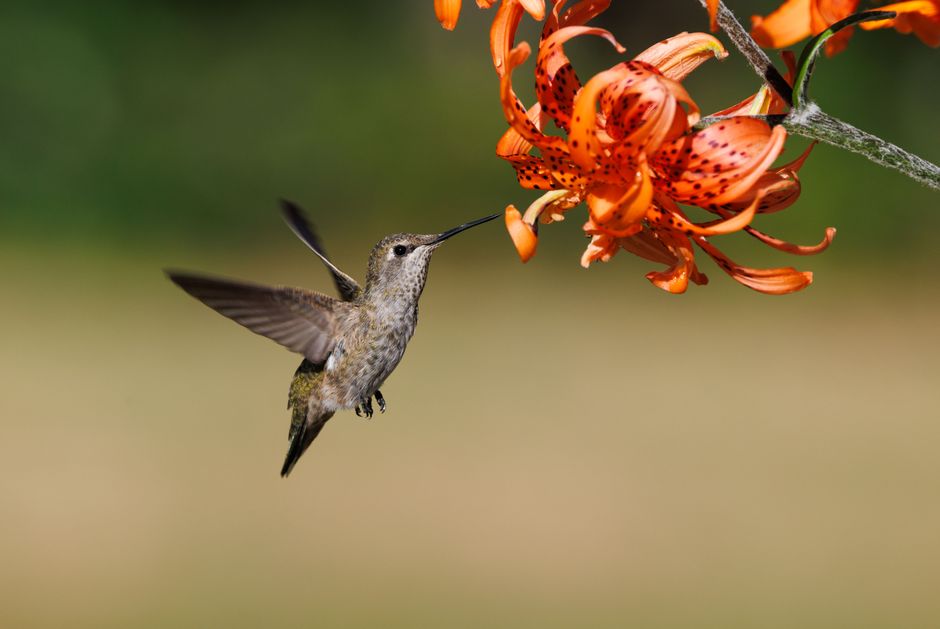
Hummingbirds are the acrobats of the animal kingdom, performing aerial maneuvers that would make any fighter pilot jealous. Among their most remarkable tricks is the ability to fly backward—a feat almost no other bird can manage. These record breaking hummingbirds don't just hover and dart; they've evolved specialized anatomy and behavior that pushes the boundaries of what's possible in nature. Their wings rotate in figure-eight patterns, their hearts beat over 1,200 times per minute, and they can remember every flower they've visited. Ready to discover what makes these tiny creatures such extraordinary fliers?

Key Takeaways

  • Hummingbirds are the only birds that can fly backward for extended periods, thanks to unique shoulder joint rotation.
  • Their wings beat up to 80 times per second during courtship dives, creating the distinctive humming sound.
  • The bee hummingbird holds the record as the world's smallest bird species, weighing less than a penny.
  • Hummingbirds must consume roughly half their body weight in nectar daily to fuel their high-energy lifestyle.
  • These birds can enter a state called torpor, lowering their metabolism by up to 95 percent overnight.
  • Some hummingbird species migrate over 2,000 miles, including a nonstop 500-mile flight across the Gulf of Mexico.

The Physics Behind Record Breaking Hummingbirds and Reverse Flight

Most birds generate lift only on the downstroke of their wings, which is why they can't fly backward. Hummingbirds break this rule entirely. Their wings rotate at the shoulder in a full 180-degree arc, creating lift on both the upstroke and downstroke. This figure-eight motion allows them to generate thrust in any direction—forward, backward, sideways, or perfectly still in midair.

The shoulder joint itself is a marvel of evolution. Unlike other birds, whose wings are locked into a relatively fixed position, hummingbirds have a ball-and-socket joint that permits rotation in nearly every direction. This anatomical feature, combined with wings that make up about 30 percent of their total body weight, gives them unmatched maneuverability. Scientists have studied these mechanics using high-speed cameras, revealing that hummingbirds can shift from forward flight to backward flight in milliseconds.

Their wing-beat frequency varies by species and activity. During normal flight, wings beat between 50 and 80 times per second. During courtship displays, males of some species push this to extraordinary speeds, creating the buzzing or humming sound that gives these birds their name. The ruby-throated hummingbird, a common species across North America, maintains about 53 beats per second during routine hovering.

Size Records and Metabolic Extremes

The bee hummingbird of Cuba holds the distinction of being the smallest bird in the world. Males measure just over two inches long and weigh approximately 1.6 grams—less than a U.S. penny. At the other end of the spectrum, the giant hummingbird of South America reaches nearly nine inches in length and weighs about 20 grams, making it roughly twelve times heavier than its Cuban cousin.

Species Length Weight Habitat
Bee Hummingbird 2–2.4 inches 1.6–2 grams Cuba
Ruby-throated Hummingbird 3–3.75 inches 2–6 grams Eastern North America
Anna's Hummingbird 3.9–4.3 inches 3–6 grams Western North America
Giant Hummingbird 8.5–9 inches 18–24 grams South American Andes

These tiny bodies demand extraordinary metabolic rates. A hummingbird's heart beats between 250 times per minute at rest and over 1,200 times per minute during flight. Their body temperature hovers around 105 degrees Fahrenheit during the day. To fuel this engine, they must visit hundreds of flowers daily, consuming up to half their body weight in nectar and eating small insects and spiders for protein. Their metabolism is so fast that they're always just hours away from starvation.

1. Only Birds Capable of Sustained Backward Flight

While a few other bird species can briefly flutter backward for a second or two, hummingbirds are the only birds that can fly backward with control and precision for extended periods. This ability allows them to back away from flowers after feeding without turning around, saving precious energy. The unique shoulder rotation and wing structure that enable this feat are found in no other bird family, making hummingbirds true evolutionary outliers in the avian world.

2. Wing Beat Frequencies That Break Avian Records

During normal hovering, hummingbird wings beat about 50 to 80 times per second depending on the species. The smaller the bird, generally the faster the wing beat. During courtship dives, some males push their wing-beat frequency even higher, with the ruby-throated hummingbird reaching approximately 200 beats per second during its dramatic display dive. This creates a loud chirping sound distinct from the typical hum. No other bird comes close to these sustained frequencies.

3. The World's Smallest Bird Species

The bee hummingbird of Cuba doesn't just hold the record for smallest hummingbird—it's the smallest bird species on Earth. Females are slightly larger than males, but even they barely exceed two inches in length. These diminutive creatures build nests the size of a thimble and lay eggs smaller than coffee beans. Despite their size, they're fearless defenders of their territory and will chase away much larger birds that venture too close to their feeding grounds.

4. Extreme Daily Caloric Requirements

If a human had a hummingbird's metabolism, they would need to consume approximately 150,000 calories per day just to maintain body weight. Hummingbirds visit between 1,000 and 2,000 flowers daily, licking nectar with their tongues up to 13 times per second. They also snap up small insects and spiders, which provide essential proteins and fats that nectar lacks. This constant feeding is not optional—it's a matter of survival. Missing even a few hours of feeding can be life-threatening.

5. Torpor: A Nightly Survival Strategy

To survive the night without feeding, hummingbirds enter a hibernation-like state called torpor. Their metabolic rate drops by as much as 95 percent, their heart rate slows dramatically, and their body temperature can fall from 105 degrees to as low as 50 degrees Fahrenheit. In this state, they use only about one-fifteenth of the energy they'd burn while awake. Come morning, it takes them 20 minutes to an hour to warm up and return to normal function. This remarkable adaptation allows them to survive in habitats where nighttime temperatures drop significantly.

6. Record-Breaking Migration Distances

The rufous hummingbird holds the record for longest migration relative to body size. These birds travel roughly 3,000 miles from Alaska to Mexico each year—an astounding distance for a creature weighing about as much as a nickel. Ruby-throated hummingbirds perform a particularly impressive feat by flying nonstop across the Gulf of Mexico, a journey of approximately 500 miles that takes about 20 hours. They prepare for this crossing by nearly doubling their body weight with fat reserves.

7. Fastest Aerial Dive Speed for Body Length

During courtship displays, male Anna's hummingbirds perform spectacular dive displays, reaching speeds of approximately 385 body lengths per second at the bottom of their dive. This makes them the fastest vertebrate in the world when measured by body lengths per second, exceeding even the peregrine falcon's famous hunting stoop when calculated proportionally. The dive ends with a loud chirp produced by tail feathers vibrating in the wind at extreme speeds.

8. Exceptional Memory for Flower Locations

Hummingbirds possess remarkable spatial memory, remembering the location of every flower they've visited and how long it takes each flower to refill with nectar. Research has shown they can remember feeding locations from year to year, returning to the same gardens after migration. They also recognize individual humans who maintain feeders, often hovering near windows or porches to alert their benefactors when feeders run empty. This cognitive ability rivals that of much larger-brained animals.

9. Heart-to-Body Size Ratio Records

A hummingbird's heart accounts for roughly 2.5 percent of its total body weight—proportionally one of the largest hearts in the animal kingdom. For comparison, a human heart represents less than 0.5 percent of body weight. This oversized heart is essential for pumping oxygen-rich blood fast enough to support their incredible metabolism and flight capabilities. The heart muscle itself is exceptionally efficient, capable of sustaining over 1,200 beats per minute during flight without failing—a rate that would be instantly fatal to most other creatures.

Frequently Asked Questions

Can hummingbirds fly upside down?

Hummingbirds cannot sustain inverted flight, but they can briefly roll upside down during aerial maneuvers, particularly during aggressive chases or courtship displays. Their unique wing structure allows for extreme agility, but true inverted flight isn't part of their repertoire.

How fast can a hummingbird fly forward?

Most hummingbird species fly forward at speeds between 25 and 30 miles per hour during normal flight. During courtship dives, some species can reach speeds exceeding 60 miles per hour in short bursts before pulling up.

Do hummingbirds have any natural predators?

Despite their speed and agility, hummingbirds face threats from praying mantises, large spiders, frogs, snakes, and larger birds such as hawks and roadrunners. Domestic cats also pose a significant danger, particularly at feeders.

Why do hummingbirds hum?

The humming sound comes from the rapid vibration of their wings moving through the air at 50 to 80 beats per second. Different species produce slightly different frequencies, and the pitch changes with wing-beat speed during various flight maneuvers.

These aerial acrobats remind us that nature's most impressive records often come in the smallest packages. Next time you spot a hummingbird hovering at a flower or zipping backward from a feeder, you're watching millions of years of evolution performing a physics-defying dance that engineers still struggle to replicate.