










⏱️ 7 min read
Did You Know? 10 Facts About Birthdays
Birthdays are universal celebrations that mark the anniversary of a person's birth, yet despite their ubiquity, many fascinating facts about these special occasions remain unknown to most people. From ancient traditions to modern statistical phenomena, birthdays encompass a rich tapestry of cultural, historical, and scientific significance. This article explores ten intriguing facts about birthdays that reveal the depth and complexity behind these annual celebrations, offering insights into traditions that span centuries and customs that continue to evolve in contemporary society.
1. The Ancient Origins of Birthday Celebrations
The tradition of celebrating birthdays dates back thousands of years to ancient civilizations. The ancient Egyptians are believed to be among the first to celebrate birthdays, though initially only for pharaohs and members of the royal family. The Greeks adopted this practice and added their own twist by offering moon-shaped cakes to Artemis, the goddess of the moon, placing candles on top to make them glow like the moon. The Romans were the first to celebrate birthdays for common citizens, though initially only for men. Women's birthdays weren't widely celebrated until around the 12th century. These ancient practices laid the foundation for the birthday traditions we observe today.
2. The Birthday Cake and Candle Tradition
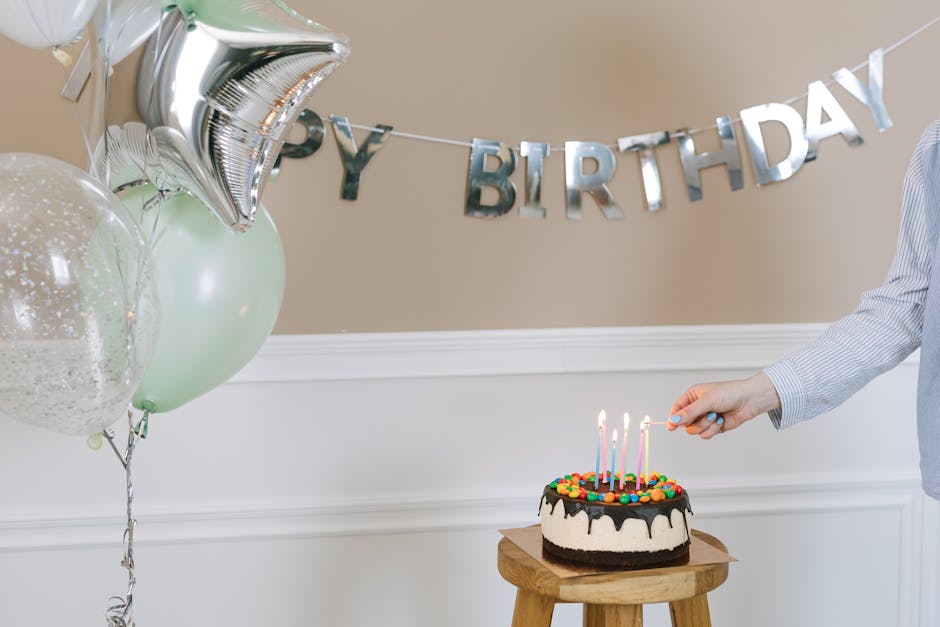
The custom of birthday cakes with candles has evolved significantly over time. While the Greeks introduced candles on cakes for religious purposes, the modern tradition of placing candles corresponding to one's age originated in 18th-century Germany with the celebration called Kinderfeste. Germans would place candles on a cake equal to the child's age, plus one extra candle representing the "light of life" and hope for another year. The practice of making a wish while blowing out candles is believed to have originated from the ancient belief that the smoke would carry prayers and wishes to the gods in the heavens.
3. The Most Common Birthday
Statistical analysis reveals fascinating patterns about birth dates. In the United States, September 9th holds the distinction of being the most common birthday, with several other dates in September also ranking highly. This pattern is attributed to conception rates during the holiday season in December. Studies have shown that the period between September 9th and September 20th contains nine of the ten most common birthdays in America. Conversely, the least common birthdays fall on holidays such as December 25th (Christmas), January 1st (New Year's Day), and December 24th (Christmas Eve), likely due to scheduled cesarean sections and induced labors being avoided on these dates.
4. The Birthday Paradox
One of the most counterintuitive mathematical concepts related to birthdays is known as the Birthday Paradox. This probability theory states that in a random group of just 23 people, there is approximately a 50 percent chance that two individuals will share the same birthday. With 70 people in a room, the probability increases to 99.9 percent. This seems paradoxical because most people intuitively believe a much larger group would be necessary. The phenomenon occurs because the calculation considers all possible pairs of people in the group, not just pairs with one specific person, resulting in many more combinations than initially apparent.
5. "Happy Birthday to You" Copyright History
The famous "Happy Birthday to You" song has a complex legal history. Written by sisters Patty and Mildred Hill in 1893 as "Good Morning to All," the melody was later adapted with birthday lyrics. For decades, the song was under copyright protection, making it one of the most expensive songs to license for commercial use, generating millions of dollars in royalties. Restaurants, movies, and television shows had to pay substantial fees to use it. However, in 2016, a federal judge ruled that the copyright claim was invalid, declaring the song to be in the public domain, finally making it free for everyone to use without payment.
6. Cultural Birthday Traditions Around the World
Birthday celebrations vary dramatically across different cultures. In Vietnam, everyone celebrates their birthday on the same day during Tet, the Vietnamese New Year, regardless of their actual birth date, adding one year to their age collectively. In China, tradition dictates eating longevity noodles on birthdays, and the noodles should not be cut, as their length symbolizes a long life. Mexicans celebrate with piñatas and the "Mordida" tradition, where the birthday person takes the first bite of cake, often having their face pushed into it playfully. In Denmark and Norway, a flag is flown outside a window to designate that someone in the house is having a birthday.
7. Famous People Sharing Your Birthday
With over 7.9 billion people on Earth and only 365 possible birthdays (366 in leap years), millions of individuals share each birth date. On average, approximately 21 million people worldwide celebrate their birthday on any given day. This means that no matter when someone was born, they share their birthday with numerous celebrities, historical figures, and notable personalities. Several websites and databases catalog famous people by birth date, allowing individuals to discover which actors, politicians, athletes, scientists, and artists celebrate on the same day, creating a unique connection across time and geography.
8. The Significance of Milestone Birthdays
Certain birthdays hold special cultural significance across societies. The transition to adulthood is marked differently worldwide: in the United States, the 18th birthday signifies legal adulthood, while the 21st birthday marks the legal drinking age. Latin American cultures celebrate "Quinceañera" at 15 for girls, marking their transition to womanhood. In Jewish tradition, the Bar Mitzvah at 13 for boys and Bat Mitzvah at 12 or 13 for girls represent coming of age. In many Asian cultures, the 60th birthday is particularly significant, completing the full zodiac cycle. Japan celebrates Kanreki at 60, symbolizing rebirth and new beginnings, where celebrants traditionally wear red clothing.
9. Astrological and Birthstone Connections
Birthdays connect to various belief systems and traditions beyond simple celebration. Each birth month is associated with a specific birthstone, a tradition dating back to ancient times when gemstones were believed to possess special powers. January's garnet, April's diamond, and December's turquoise each carry symbolic meanings and supposed mystical properties. Additionally, birthdays determine astrological signs in Western astrology, with twelve zodiac signs corresponding to specific date ranges. These associations have influenced jewelry traditions, personality interpretations, and cultural practices for centuries, remaining popular even in modern secular societies.
10. The Psychology and Economics of Birthday Celebrations
Birthdays have significant psychological and economic impacts. Psychologically, birthday celebrations contribute to self-esteem, social bonding, and cultural identity, particularly during childhood when they mark developmental milestones. Research indicates that acknowledging birthdays in workplace settings improves employee morale and engagement. Economically, birthdays represent a massive industry, with Americans alone spending over $20 billion annually on birthday-related purchases, including gifts, cards, decorations, and party supplies. The greeting card industry particularly relies on birthdays, with birthday cards comprising the largest single category of card sales. Restaurants and entertainment venues also benefit substantially from birthday celebrations, often offering special promotions to attract celebrants.
Conclusion
These ten facts about birthdays reveal that these annual celebrations encompass far more than simple parties and cake. From ancient religious rituals to modern mathematical paradoxes, from cultural traditions spanning the globe to significant economic impacts, birthdays represent a fascinating intersection of history, culture, psychology, and society. Understanding these diverse aspects of birthday celebrations enriches our appreciation for this universal human custom. Whether observed quietly or with elaborate festivities, birthdays continue to serve as important markers of time, opportunities for social connection, and occasions for reflection on life's journey. The next time a birthday approaches, these facts provide deeper context for a tradition that connects humanity across cultures and throughout history.
