








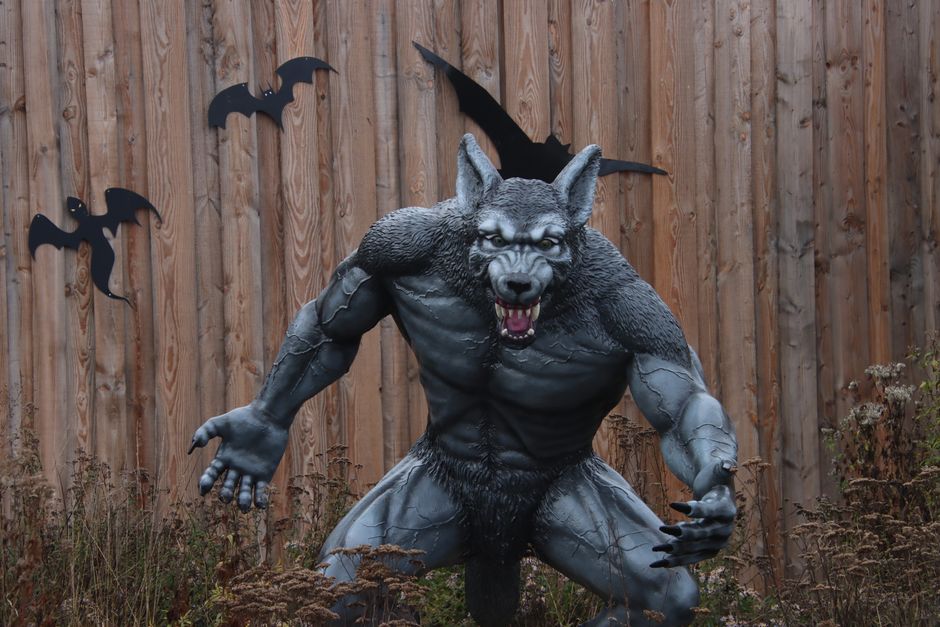
Why Werewolf Myths Appeared in Nearly Every Culture
By Trivia Owl, Staff Writer — Published October 23, 2026
Table of Contents
- Key Takeaways
- Why Werewolf Myths Appeared Across Isolated Cultures
- Medical Conditions That Fueled the Legend
- The Social Function of Werewolf Beliefs
- Debunking the Full Moon Connection
- Comparing Global Shape-Shifter Legends
- Frequently Asked Questions
From the frozen forests of Scandinavia to the tropical villages of South America, stories of humans transforming into wolves have haunted humanity for thousands of years. These werewolf myths appeared across continents that had no contact with each other, yet the tales share striking similarities. What's truly surprising is that even cultures without native wolf populations developed their own versions of shape-shifting predators. This fascinating pattern reveals something deeper about human psychology, our relationship with nature, and the universal fears that bound ancient societies together.
The werewolf myth isn't just European folklore—it's a global phenomenon that speaks to shared human experiences. Discover why this particular monster captured imaginations worldwide and what amazing facts about these legends tell us about ourselves.
Key Takeaways
- Werewolf myths appeared independently in cultures across Europe, Asia, Africa, and the Americas, despite no contact between these civilizations.
- Cultures without wolves created similar myths featuring local apex predators like leopards, tigers, jaguars, and hyenas.
- Medical conditions including rabies, hypertrichosis, and clinical lycanthropy likely inspired real-world werewolf accusations and beliefs.
- The full moon connection to werewolves is actually a relatively modern addition, popularized primarily through 20th-century films.
- Ancient Rome had formal werewolf trials centuries before the medieval European witch hunts that often included lycanthropy accusations.
- The word "lycanthropy" comes from the Greek myth of King Lycaon, who was transformed into a wolf by Zeus as punishment.
Why Werewolf Myths Appeared Across Isolated Cultures
The universality of transformation myths stems from shared human experiences rather than cultural diffusion. Early humans lived in close proximity to apex predators, and wolves occupied a unique position in this dangerous landscape. They hunted in packs like humans, showed intelligence and strategy, and competed for the same prey. This created both fear and fascination.
Wolves also displayed behaviors that seemed eerily human. They cared for their young, mourned their dead, and maintained complex social hierarchies. Ancient peoples observed these parallels and created stories that blurred the boundary between human and beast. The transformation myth became a way to explain the animal instincts humans recognized within themselves—aggression, territoriality, and predatory violence.
Interestingly, the specific animal in transformation myths correlated directly with regional apex predators. In India and Asia, were-tigers dominated folklore. African cultures told stories of were-leopards and were-hyenas. South American tribes spoke of were-jaguars. The pattern remained consistent: humans feared they could become the most dangerous predator in their environment.
Medical Conditions That Fueled the Legend
Real medical conditions provided terrifying "evidence" for werewolf beliefs. Rabies, which wolves and dogs transmitted to humans, caused victims to exhibit aggressive behavior, hydrophobia, and excessive salivation—symptoms that matched werewolf descriptions perfectly. Victims often bit others, spreading the disease and reinforcing the transformation narrative.
Hypertrichosis, a rare genetic condition causing excessive hair growth across the entire body, created individuals who appeared wolf-like in appearance. Historical records document several famous cases, including Petrus Gonsalvus in the 16th century, whose condition was studied by European nobility. These individuals often faced persecution as supposed werewolves.
Clinical lycanthropy, a psychiatric condition where patients believe they're transforming into animals, still occurs today. Sufferers report feeling their bodies change and experience overwhelming urges to behave like wolves. This rare delusion demonstrates how the human brain can create powerful transformation experiences without any supernatural cause.
Ergot poisoning from contaminated grain caused hallucinations, convulsions, and psychotic episodes in medieval communities. Entire villages could experience mass hysteria, with people reporting they'd witnessed transformations or felt themselves changing. This fungal toxin likely contributed to numerous werewolf accusations during periods when food safety was poorly understood.
The Social Function of Werewolf Beliefs
Werewolf myths served important social purposes in ancient communities. They provided explanations for unexplained violence and serial killings. When livestock disappeared or people were attacked, blaming a werewolf offered psychological comfort—the threat came from outside normal society rather than from within it.
These stories also reinforced social boundaries and moral codes. The transformation often occurred as punishment for violating taboos: cannibalism, murder, or defying the gods. Greek mythology's King Lycaon was transformed after serving human flesh to Zeus. This narrative structure taught consequences for transgressing cultural norms.
Werewolf accusations became tools of social control during times of upheaval. The medieval period saw thousands of lycanthropy trials, particularly in France and Germany. Accused werewolves were often social outcasts, mentally ill individuals, or people with physical deformities. The trials reflected societal anxiety and provided scapegoats during plague outbreaks, famines, and religious conflicts.
Regional Variations in Transformation Myths
Each culture adapted the core transformation myth to local beliefs and environments. In Scandinavian folklore, berserkers wore wolf pelts and entered trance states during battle, believing they gained wolf strength. Slavic cultures distinguished between voluntary werewolves who transformed through magic and involuntary victims of curses.
Native American tribes, particularly in the Pacific Northwest, developed complex were-animal traditions tied to spiritual transformation rather than cursed violence. These stories emphasized harmony between human and animal nature rather than conflict. The transformation represented spiritual power and connection to nature, not a loss of humanity.
Debunking the Full Moon Connection
Here's surprising trivia that challenges popular belief: the full moon connection to werewolves is largely a modern invention. Ancient and medieval werewolf accounts rarely mentioned lunar cycles. The association gained prominence primarily through 20th-century horror films, particularly "The Wolf Man" released in 1941.
Historical werewolf trials and folklore focused on other triggers: wearing wolf pelts, using magical ointments, making pacts with dark forces, or suffering curses. The transformation could occur at any time, not just during full moons. Some traditions even specified Christmas or midsummer as transformation periods.
The full moon myth likely persisted because it's cinematically dramatic and connects to other superstitions about lunar influence on behavior. While modern research has debunked claims that emergency rooms see more violence during full moons, the cultural association remains powerful in popular werewolf depictions.
Comparing Global Shape-Shifter Legends
| Region | Primary Animal | Transformation Cause | Cultural Purpose |
|---|---|---|---|
| Europe | Wolf | Curse, magic belt, full moon | Explaining violence, social control |
| India/Asia | Tiger | Sorcery, revenge | Protecting territory, justice |
| Africa | Leopard, Hyena | Secret societies, witchcraft | Political power, enforcement |
| Americas | Jaguar, Wolf | Spiritual ritual, shamanism | Healing, spiritual guidance |
| Scandinavia | Bear, Wolf | Battle rage, wolf pelts | Warrior culture, courage |
Frequently Asked Questions
When did werewolf myths first appear in history?
The earliest written werewolf references appear in ancient Mesopotamian texts dating back approximately 4,000 years, including the Epic of Gilgamesh. Greek and Roman sources from 2,000 years ago contain detailed werewolf accounts, including transformation rituals and supposed cures.
Are there real werewolf trials in historical records?
Yes, thousands of werewolf trials occurred in Europe between the 15th and 18th centuries, particularly in France, Germany, and Switzerland. These trials often ran parallel to witch trials, with accused individuals tortured into confessions and executed, though they were experiencing medical or psychiatric conditions.
Why are werewolves killed by silver in folklore?
The silver bullet myth is another modern addition with unclear origins. Medieval folklore rarely mentioned silver as a werewolf weakness. The association may stem from silver's historical use in medicine and its symbolic connection to the moon in alchemy and mysticism.
Do wolves actually howl at the moon?
Wolves howl to communicate with their pack across distances, not at the moon specifically. They often howl at night when they're most active, and their upward head position during howling may create the illusion they're addressing the moon, but lunar phases don't influence wolf vocalization patterns.
The persistence of werewolf myths across cultures and centuries reveals how deeply these stories resonated with human psychology. They gave form to our fears about losing control, explained the unexplainable, and reminded communities of the thin line between civilization and savagery. Even today, when we understand the medical and psychological roots of these beliefs, werewolves continue to fascinate us—perhaps because they still represent the wild nature we sense lurking beneath our civilized surface.