










⏱️ 7 min read
Did You Know? 12 Facts About Penguins
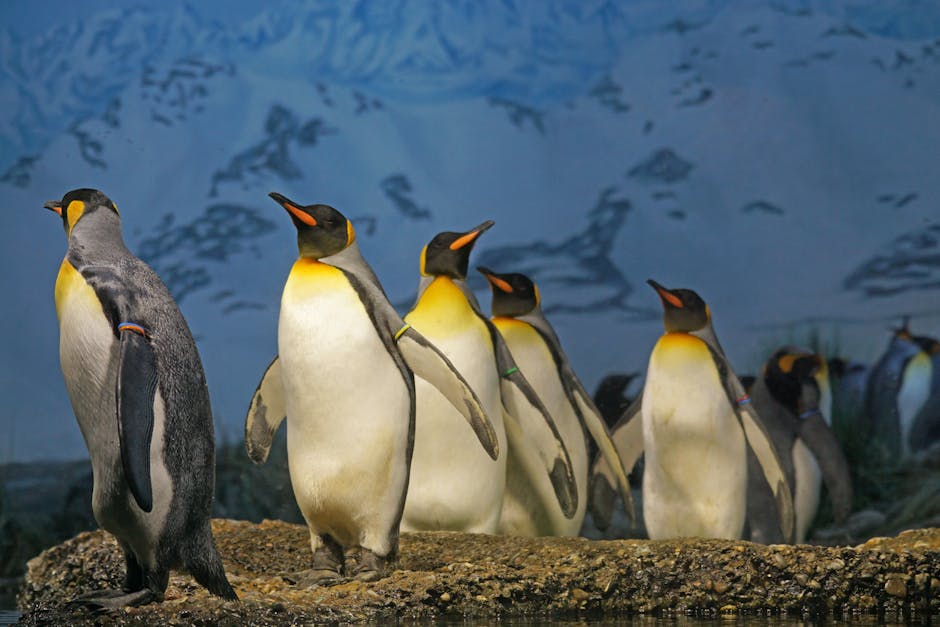
Penguins are among the most beloved and recognizable birds on Earth, captivating people with their distinctive waddle, formal appearance, and remarkable adaptations to some of the planet's harshest environments. These flightless seabirds have evolved over millions of years to become expert swimmers and dedicated parents. While many people associate penguins exclusively with Antarctica, these fascinating creatures inhabit various locations throughout the Southern Hemisphere, each species displaying unique characteristics and behaviors. The following twelve facts reveal the extraordinary nature of these remarkable birds and showcase why they continue to fascinate scientists and nature enthusiasts alike.
1. Penguins Are Expert Swimmers, Not Fliers
Unlike most bird species, penguins have completely lost the ability to fly through the air. However, they have traded aerial flight for exceptional swimming capabilities. Their wings have evolved into rigid flippers that propel them through water with remarkable efficiency. Penguins can reach swimming speeds of up to 22 miles per hour, and some species can dive to depths exceeding 1,800 feet. Their streamlined bodies, dense bones, and powerful flippers make them perfectly adapted for underwater hunting, where they spend approximately 75 percent of their lives.
2. There Are 18 Recognized Penguin Species
The penguin family consists of eighteen distinct species, ranging from the tiny Little Blue Penguin, which stands only about 16 inches tall, to the majestic Emperor Penguin, which can reach heights of nearly four feet and weigh up to 90 pounds. Each species has adapted to specific environmental conditions and geographic locations. These species include the King, Gentoo, Chinstrap, Adelie, Macaroni, Royal, Rockhopper, and African Penguins, among others, each with distinctive markings and behavioral patterns.
3. Not All Penguins Live in Antarctica
Contrary to popular belief, penguins do not exclusively inhabit Antarctica. While several species do call the frozen continent home, penguins can be found throughout the Southern Hemisphere, including the coasts of South America, Africa, Australia, and New Zealand. The Galapagos Penguin lives near the equator, making it the most northerly penguin species. African Penguins reside on the southern coast of Africa, while Little Blue Penguins inhabit the shores of Australia and New Zealand, demonstrating the remarkable adaptability of these birds to diverse climates.
4. Penguins Have Built-in Wetsuits
Penguins possess an impressive insulation system that keeps them warm in freezing waters. They have approximately 100 feathers per square inch, which is more than most other bird species. These feathers are covered with a waterproof coating produced by a special gland, creating an impenetrable barrier against icy water. Beneath their feathers, penguins have a thick layer of blubber that provides additional insulation. This dual-layer protection system allows them to maintain their body temperature even when swimming in waters that would cause hypothermia in most other animals within minutes.
5. Emperor Penguins Are Devoted Fathers
Emperor Penguin males demonstrate one of nature's most remarkable examples of paternal dedication. After the female lays a single egg, she transfers it to the male and departs for the ocean to feed for approximately two months. The male carefully balances the egg on his feet, covered by a warm fold of skin called a brood pouch, throughout the brutal Antarctic winter. During this time, males huddle together for warmth and do not eat for up to 120 days, surviving solely on their fat reserves while incubating the egg in temperatures that can plummet to minus 40 degrees Fahrenheit.
6. Penguins Can Drink Salt Water
Penguins have evolved a specialized adaptation that allows them to drink seawater, which would be harmful to most land animals. They possess a supraorbital gland located above their eyes that filters excess salt from their bloodstream. This concentrated salt solution is then excreted through their bills or by sneezing, allowing penguins to stay hydrated while spending extended periods at sea. This adaptation is crucial for their survival, as fresh water is often unavailable in their oceanic hunting grounds.
7. They Use Stones as Engagement Rings
Many penguin species, particularly Gentoo and Adelie Penguins, engage in a charming courtship ritual involving pebbles. Males search for the smoothest, most perfect pebble they can find and present it to their chosen female. If she accepts the stone, she places it in her nest, symbolizing her acceptance of him as a mate. These pebbles are precious commodities in rocky penguin colonies, and males have been observed stealing stones from neighboring nests when suitable ones are scarce. This behavior demonstrates complex social interactions and mate selection processes.
8. Penguins Are Highly Social Creatures
Penguins are remarkably social animals that live in colonies called rookeries, which can contain thousands or even hundreds of thousands of individuals. These large gatherings serve multiple purposes, including protection from predators, assistance in keeping warm during harsh weather, and social learning opportunities for young penguins. Within these colonies, penguins recognize their mates and chicks through unique vocal calls, allowing parents to locate their offspring among thousands of nearly identical-looking birds. This vocal recognition system is so precise that it functions like a fingerprint in human societies.
9. Their Black and White Coloring Serves a Purpose
The distinctive tuxedo-like coloring of penguins is not merely aesthetic; it serves as crucial camouflage called countershading. When viewed from above by predators such as leopard seals or killer whales, their black backs blend with the dark ocean depths. Conversely, when viewed from below by prey or predators, their white bellies blend with the bright surface light filtering down through the water. This two-tone coloring provides protection while hunting and significantly increases their chances of survival in the dangerous marine environment.
10. Penguins Can Hold Their Breath for Extended Periods
Penguins possess remarkable respiratory adaptations that allow them to hold their breath for extended periods while diving for food. Emperor Penguins can hold their breath for over 20 minutes during deep dives, while most other species can typically manage between two to six minutes. Their bodies have adapted to maximize oxygen storage in their blood and muscles, and they can reduce their heart rate during dives to conserve oxygen. Additionally, they can withstand the extreme pressure changes that occur during deep dives, a feat that would be impossible for most other animals.
11. They Have Few Natural Land Predators
Due to their evolution in isolated regions, particularly on islands and in Antarctica, most penguin species have few natural predators on land. Their primary land-based threats include skuas and giant petrels, which prey mainly on eggs and chicks. However, in the water, penguins face numerous dangerous predators including leopard seals, sea lions, orcas, and various shark species. This contrast has shaped their behavior, making them relatively fearless on land while being extremely vigilant and agile in the ocean. The introduction of invasive species by humans has created new threats for some penguin populations.
12. Penguins Have Been on Earth for Millions of Years
Fossil evidence indicates that penguins have existed for at least 60 million years, making them older than most modern bird species. Ancient penguins were remarkably different from their modern descendants, with some prehistoric species standing over six feet tall and weighing more than 175 pounds. These giant penguins lived during a time when Antarctica was much warmer than today. Over millions of years, penguins have undergone significant evolutionary changes, adapting to climate shifts, changing ocean conditions, and the emergence of various predators, demonstrating their remarkable resilience and adaptability as a taxonomic group.
Conclusion
These twelve fascinating facts illustrate why penguins continue to captivate scientists and wildlife enthusiasts around the world. From their evolution from flight to swimming mastery, their devoted parenting behaviors, and their remarkable physiological adaptations, penguins represent one of nature's most successful examples of specialized evolution. Their ability to thrive in some of Earth's most challenging environments, combined with their complex social structures and unique behaviors, makes them truly extraordinary creatures. As climate change and human activities continue to impact their habitats, understanding and appreciating these remarkable birds becomes increasingly important for conservation efforts. Penguins remind us of nature's incredible diversity and the importance of protecting the delicate ecosystems that support such magnificent wildlife for future generations to marvel at and study.
