










Ad Space
1 / 10 Questions
0 Points

What is the approximate silica content required for sand to produce singing sounds?

30-40%

70-80%

50-60%

90-95% or higher

Points won
0
Correct score
0%
Ad Space

More Questions

#N/A

⏱️ 5 min read Understanding the #N/A Error: A Comprehensive Guide The #N/A error is one of the most commonly encountered error values in spreadsheet applications,...

#N/A

⏱️ 5 min read Understanding the #N/A Error: A Comprehensive Guide The #N/A error is one of the most commonly encountered error values in spreadsheet applications,...

Top 10 Coldest Places on Earth

⏱️ 8 min read Top 10 Coldest Places on Earth Earth's most frigid locations present some of the harshest environments imaginable, where temperatures plunge to extremes...

More Articles

Did You Know? 15 Facts About Rainforests

Did You Know? 15 Facts About Rainforests

⏱️ 6 min read

Did You Know? 15 Fascinating Facts About Rainforests

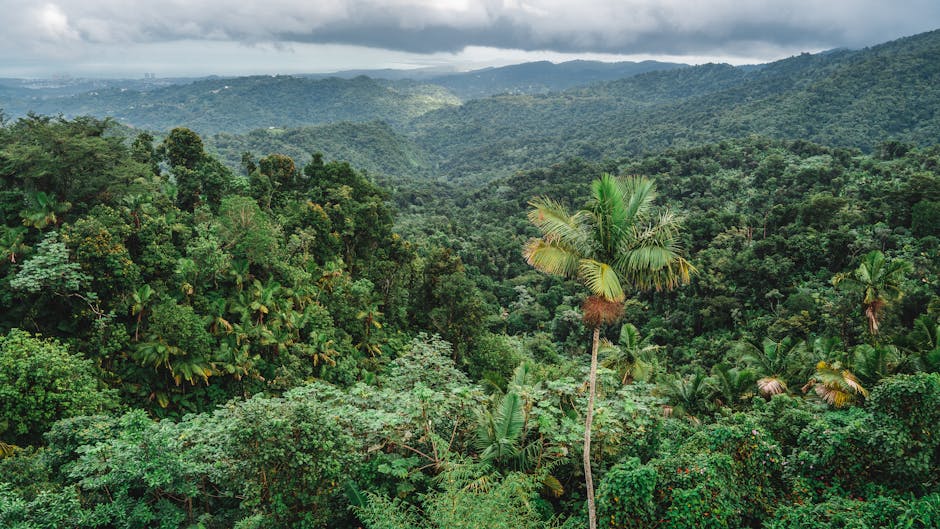
Rainforests are among the most extraordinary ecosystems on Earth, bursting with life and playing a crucial role in maintaining our planet's health. These lush, green wonderlands cover only a small fraction of Earth's surface but hold secrets and surprises that continue to amaze scientists and nature enthusiasts alike. From their incredible biodiversity to their impact on global climate, rainforests are far more remarkable than many people realize. Here are 15 captivating facts about these vital ecosystems that will deepen your appreciation for these natural treasures.

The 15 Essential Rainforest Facts

1. Rainforests Cover Less Than 3% of Earth's Surface

Despite their immense importance, rainforests occupy less than 3% of the planet's total surface area. Yet within this relatively small space exists more than half of the world's plant and animal species. This concentration of biodiversity makes rainforests the most species-rich ecosystems on Earth, demonstrating nature's ability to create incredibly complex and efficient biological communities in specific environments.

2. They Produce 20% of the World's Oxygen

Rainforests are often called the "lungs of the Earth," and for good reason. Through the process of photosynthesis, rainforest vegetation produces approximately 20% of the oxygen in our atmosphere. The Amazon rainforest alone generates about 6% of the world's oxygen supply, making these ecosystems essential for the air we breathe and the survival of life on our planet.

3. A Single Rainforest Tree Can Host Thousands of Species

The biodiversity within rainforests extends to microscopic levels. Scientists have discovered that a single rainforest tree can be home to thousands of different species, including insects, birds, mammals, amphibians, and countless varieties of plants, fungi, and microorganisms. This incredible concentration of life demonstrates the complex interdependencies that exist within these ecosystems.

4. It Can Take Ten Minutes for Rain to Reach the Ground

The rainforest canopy is so thick and densely layered that when it rains, it can take up to ten minutes for water droplets to travel from the top of the canopy to the forest floor. This multi-layered structure creates distinct microclimates at different heights, each supporting unique communities of plants and animals adapted to their specific level.

5. Rainforests Receive Between 80 and 400 Inches of Rain Annually

True to their name, rainforests receive enormous amounts of precipitation each year. Different rainforest regions can get anywhere from 80 to 400 inches of rainfall annually, with some areas experiencing rain almost every single day. This consistent moisture, combined with warm temperatures, creates ideal conditions for rapid plant growth and incredible biodiversity.

6. More Than 25% of Modern Medicines Come From Rainforest Plants

Rainforests are nature's pharmacy. Over 25% of all modern pharmaceutical drugs have their origins in rainforest plants, yet scientists have tested less than 1% of rainforest plant species for medicinal properties. These ecosystems hold tremendous potential for future medical discoveries, including possible treatments for cancer, Alzheimer's disease, and other conditions.

7. Rainforest Soil Is Surprisingly Poor

Contrary to what one might expect from such lush vegetation, rainforest soil is actually quite nutrient-poor. The rapid decomposition of organic matter and heavy rainfall cause nutrients to be quickly absorbed by plants or washed away. Most nutrients in rainforest ecosystems are stored in the living vegetation rather than the soil, making these areas vulnerable to degradation once trees are removed.

8. They House More Than 50% of Earth's Species

While rainforests cover less than 3% of Earth's surface, they contain more than 50% of all plant and animal species on the planet. This includes approximately 427 species of mammals, 1,300 bird species, 378 reptile species, and more than 400 amphibian species in tropical rainforests alone, along with millions of insect species.

9. One Hectare Contains More Tree Species Than All of North America

The diversity within rainforests is staggering. A single hectare (2.47 acres) of rainforest can contain over 480 different tree species, which is more than the total number of tree species native to all of the United States and Canada combined. This exceptional variety creates complex ecosystems with countless ecological niches.

10. Indigenous People Have Called Rainforests Home for Millennia

Rainforests have been home to indigenous communities for thousands of years. Today, approximately 50 million people, including more than 400 indigenous groups, still live in rainforests around the world. These communities possess invaluable traditional knowledge about rainforest ecology, medicinal plants, and sustainable living practices that have been passed down through generations.

11. Rainforests Help Regulate Global Temperature

Beyond producing oxygen, rainforests play a critical role in regulating Earth's climate. They absorb massive amounts of carbon dioxide, helping to mitigate climate change, and influence weather patterns both locally and globally through their impact on atmospheric moisture and temperature. The loss of rainforests significantly affects climate stability worldwide.

12. Decomposition Happens Incredibly Quickly

In temperate forests, a fallen leaf might take up to a year to decompose completely. In tropical rainforests, that same process can occur in just six weeks. The warm, moist conditions and abundance of decomposers like fungi, bacteria, and insects create an incredibly efficient recycling system that rapidly returns nutrients to the ecosystem.

13. There Are Different Types of Rainforests

Not all rainforests are tropical. While tropical rainforests near the equator are the most well-known, temperate rainforests exist in cooler regions of the world, including parts of North America, Chile, Australia, and New Zealand. These temperate rainforests have different characteristics but share the common features of high rainfall and dense vegetation.

14. An Area the Size of a Football Field Disappears Every Second

Sadly, deforestation occurs at an alarming rate. Approximately one and a half acres of rainforest—roughly the size of a football field—are lost every single second to logging, agriculture, mining, and development. This rapid destruction not only threatens countless species but also impacts global climate patterns and eliminates potential medical discoveries.

15. Rainforests Create Their Own Rain

Rainforests don't just receive rain; they actually generate it. Through a process called evapotranspiration, rainforest trees release water vapor into the atmosphere, which forms clouds and eventually falls as rain. The Amazon rainforest creates approximately 50% of its own rainfall, demonstrating the remarkable self-sustaining nature of these ecosystems.

Conclusion

These 15 facts only scratch the surface of the incredible complexity and importance of rainforest ecosystems. From their role as biodiversity hotspots and climate regulators to their potential for medical breakthroughs and their self-sustaining nature, rainforests are truly irreplaceable natural wonders. Understanding these facts helps us appreciate why protecting these vital ecosystems is essential not just for the millions of species that call them home, but for the health and survival of our entire planet. As deforestation continues at alarming rates, spreading awareness about the value of rainforests becomes increasingly critical for inspiring conservation efforts and ensuring these magnificent ecosystems survive for future generations to study, appreciate, and depend upon.

Did You Know? 12 Facts About Human Behavior

Did You Know? 12 Facts About Human Behavior

⏱️ 6 min read

Did You Know? 12 Fascinating Facts About Human Behavior

Human behavior is one of the most complex and intriguing subjects in science. From the way we make decisions to how we interact with others, our behaviors are shaped by a combination of biology, psychology, and social influences. Scientists have spent decades studying the peculiarities of human actions and reactions, uncovering surprising truths about why we do what we do. The following twelve facts reveal some of the most remarkable aspects of human behavior that challenge our understanding of ourselves.

1. The Power of First Impressions Takes Only Seven Seconds

Research in social psychology has demonstrated that humans form initial judgments about others in approximately seven seconds. This rapid assessment is based on visual cues, body language, tone of voice, and overall demeanor. These snap judgments, while not always accurate, can significantly influence subsequent interactions and are remarkably difficult to change once established. This phenomenon occurs because our brains are wired to make quick evaluations as a survival mechanism inherited from our ancestors.

2. Humans Are Hardwired to Mimic Others

Mirror neurons in the human brain create an automatic tendency to imitate the behaviors, expressions, and emotions of those around us. This mimicry, known as the chameleon effect, happens unconsciously and serves important social functions. It helps build rapport, enhances empathy, and facilitates social bonding. Studies show that people who naturally mimic others are generally perceived as more likeable and trustworthy.

3. Decision Fatigue Affects Choice Quality

The human brain has a limited capacity for making decisions throughout the day. As individuals make more choices, their ability to make quality decisions deteriorates, a phenomenon known as decision fatigue. This explains why successful leaders often simplify their daily routines, such as wearing similar clothing each day, to preserve mental energy for more important decisions. By the end of a typical day, people are more likely to make impulsive choices or avoid decisions altogether.

4. The Spotlight Effect Makes Us Overestimate How Much Others Notice Us

Humans consistently overestimate how much attention others pay to their appearance and behavior. This cognitive bias, called the spotlight effect, causes people to believe they are being observed and evaluated far more than they actually are. Research indicates that individuals believe their mistakes, awkward moments, or appearance flaws are noticed by others at rates approximately twice as high as reality. This occurs because we are naturally the center of our own experiences and project that same level of attention onto others.

5. Paradox of Choice Can Lead to Dissatisfaction

Contrary to the assumption that more options lead to greater satisfaction, psychological research reveals that excessive choice can result in anxiety, paralysis, and decreased satisfaction with decisions. When faced with too many alternatives, people often experience regret about the options not chosen and doubt about whether they made the best selection. This paradox of choice affects consumer behavior, career decisions, and even relationship satisfaction in modern society.

6. Humans Remember Unfinished Tasks Better

The Zeigarnik effect describes the psychological tendency to remember incomplete or interrupted tasks more readily than completed ones. This occurs because the human brain maintains a cognitive tension for unfinished business, keeping it more accessible in memory. This behavioral quirk explains why cliffhangers in entertainment are so effective and why people often struggle to stop thinking about unresolved problems even during rest periods.

7. Physical Warmth Influences Emotional Warmth

Remarkable studies have shown that physical temperature can influence social perceptions and behaviors. People holding warm beverages, for example, tend to judge others as having warmer personalities and are more likely to behave generously. This connection between physical and emotional warmth stems from early childhood experiences when physical warmth was associated with parental care and safety. The brain maintains these associations throughout life, affecting adult social interactions.

8. The Bystander Effect Reduces Individual Responsibility

When multiple people witness an emergency situation, individuals are less likely to offer help than if they were alone. This counterintuitive behavior, known as the bystander effect, occurs because responsibility becomes diffused among the group. Each person assumes someone else will take action, resulting in inaction from everyone. Additionally, people look to others for cues on how to respond, and if no one reacts, they interpret the situation as less serious.

9. Humans Can Only Maintain About 150 Stable Relationships

Anthropologist Robin Dunbar discovered that humans have a cognitive limit to the number of stable social relationships they can maintain, approximately 150 individuals. This number, known as Dunbar's number, is thought to be related to the size of the human neocortex and the mental capacity required to track complex social dynamics. While social media has expanded networks, research suggests that meaningful relationships still conform to this limit.

10. Negativity Bias Makes Bad Stronger Than Good

The human brain gives more weight to negative experiences than positive ones, a phenomenon called negativity bias. Negative events produce more neural activity, are processed more thoroughly, and are remembered more vividly than positive events of equal intensity. This bias evolved as a survival mechanism, as recognizing and remembering threats was more critical to survival than remembering positive experiences. It takes approximately five positive interactions to counterbalance one negative interaction in relationships.

11. Choice Blindness Reveals We Don't Always Know Our Preferences

Experiments demonstrating choice blindness show that people often fail to notice when their stated choices are switched with alternatives, and they readily provide justifications for preferences they never actually made. This reveals that humans do not always have clear, pre-existing preferences and sometimes construct reasons for their choices after the fact. This behavior challenges the assumption that people have consistent, well-understood preferences guiding their decisions.

12. Behavioral Contagion Spreads Beyond Direct Contact

Human behaviors and emotions spread through social networks much like infectious diseases. Research has demonstrated that behaviors such as smoking, obesity, happiness, and even loneliness can spread up to three degrees of separation in social networks. This means that a person's behavior can influence not only their friends but also their friends' friends and their friends' friends' friends. This social contagion occurs through both conscious imitation and unconscious social influence.

Conclusion

These twelve facts about human behavior demonstrate the fascinating complexity of how we think, feel, and act. From the way we form impressions in seconds to how our choices spread through social networks, human behavior is influenced by numerous psychological mechanisms that often operate beneath our conscious awareness. Understanding these behavioral patterns provides valuable insights into decision-making, social dynamics, and the underlying processes that shape human interaction. As research in psychology and neuroscience continues to advance, we undoubtedly will uncover even more remarkable truths about the peculiarities of human behavior that make us uniquely human.