
⏱️ 6 min read
Top 15 Most Fascinating Cuttlefish
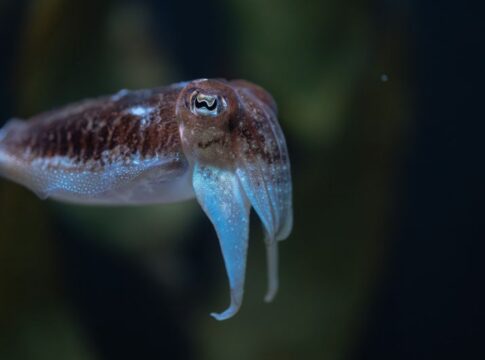
Cuttlefish are among the ocean’s most remarkable creatures, combining alien-like intelligence with spectacular visual displays and sophisticated hunting techniques. These cephalopods, closely related to squid and octopuses, inhabit marine waters worldwide and have evolved extraordinary adaptations that continue to captivate marine biologists and ocean enthusiasts alike. From their mesmerizing color-changing abilities to their complex communication systems, cuttlefish represent some of nature’s most innovative evolutionary solutions. This article explores fifteen of the most fascinating cuttlefish species, each showcasing unique characteristics that make these creatures true marvels of the underwater world.
1. Common Cuttlefish (Sepia officinalis)
The common cuttlefish serves as the quintessential representative of the cuttlefish family. Found throughout the Mediterranean Sea and the eastern Atlantic Ocean, this species can grow up to 49 centimeters in length and displays remarkable camouflage abilities. Their skin contains millions of chromatophores, allowing them to change color and texture in milliseconds. These cuttlefish possess a W-shaped pupil that provides excellent depth perception and can see polarized light, giving them a visual advantage in murky waters.
2. Giant Cuttlefish (Sepia apama)
The giant cuttlefish holds the title as the world’s largest cuttlefish species, reaching lengths of over one meter and weighing up to 10.5 kilograms. Endemic to the southern Australian coast, these magnificent creatures congregate annually in the waters near Whyalla, South Australia, for one of nature’s most spectacular breeding aggregations. Males engage in dramatic color displays and physical contests to compete for mating opportunities, creating an underwater spectacle that attracts divers from around the world.
3. Flamboyant Cuttlefish (Metasepia pfefferi)
Perhaps the most visually stunning of all cuttlefish species, the flamboyant cuttlefish displays brilliant colors of purple, yellow, red, and pink across its body. Unlike most cuttlefish that swim gracefully through the water, this small species actually “walks” along the ocean floor using its arms. Found in tropical Indo-Pacific waters, the flamboyant cuttlefish is believed to be the only poisonous cuttlefish species, containing toxins as lethal as those found in blue-ringed octopuses.
4. Pharaoh Cuttlefish (Sepia pharaonis)
The pharaoh cuttlefish ranges throughout the Indo-Pacific region and represents one of the most commercially important cuttlefish species. Growing up to 42 centimeters in mantle length, these cuttlefish display exceptional problem-solving abilities and have been observed using complex hunting strategies. They possess the remarkable capability to produce passing cloud patterns across their skin, believed to hypnotize prey before striking.
5. Broadclub Cuttlefish (Sepia latimanus)
The broadclub cuttlefish ranks among the largest tropical cuttlefish species and inhabits coral reefs throughout the Indo-Pacific. Males of this species have been documented performing elaborate courtship displays involving rapid color changes and unique arm positions. They can simultaneously display male coloration on the side facing a female while showing female patterns on the opposite side to avoid aggression from rival males, demonstrating sophisticated deception strategies.
6. Mourning Cuttlefish (Sepia plangon)
Named for its distinctive dark coloration, the mourning cuttlefish inhabits the shallow coastal waters of southern Australia. This medium-sized species exhibits particularly intricate patterns during courtship and territorial displays. Scientists have observed that mourning cuttlefish possess exceptional memory capabilities, remembering specific locations of prey and returning to productive hunting grounds repeatedly.
7. Elegant Cuttlefish (Sepia elegans)
The elegant cuttlefish, found in the Indo-West Pacific region, earns its name from its graceful movements and refined body structure. This species demonstrates remarkable substrate matching abilities, perfectly replicating the texture and color of sand, rocks, or coral. Their cuttlebone structure is particularly distinctive, making them easily identifiable even from skeletal remains.
8. Stumpy-Spined Cuttlefish (Sepia bandensis)
This small cuttlefish species, reaching only about 8 centimeters in length, has become popular in marine aquariums due to its manageable size and fascinating behaviors. Native to the Indo-Pacific region, stumpy-spined cuttlefish display all the remarkable characteristics of their larger relatives, including color-changing abilities and intelligent hunting techniques, but in a more compact package that allows researchers to study them more easily.
9. Papuan Cuttlefish (Sepia papuensis)
The Papuan cuttlefish inhabits the waters around Papua New Guinea and northern Australia. This species shows particularly strong sexual dimorphism, with males displaying more vibrant coloration during breeding season. They have adapted to both reef and seagrass environments, demonstrating remarkable versatility in habitat selection and hunting strategies appropriate to each ecosystem.
10. Needle Cuttlefish (Sepia aculeata)
Distinguished by its elongated body shape and distinctive spines, the needle cuttlefish occupies a unique ecological niche in Indo-Pacific waters. This species has evolved a more streamlined body plan compared to typical cuttlefish, allowing for faster swimming speeds. Their specialized morphology suggests different hunting strategies and predator avoidance techniques compared to their broader-bodied relatives.
11. Reaper Cuttlefish (Sepia mestus)
The reaper cuttlefish inhabits deeper waters than many of its relatives, typically found between 10 to 60 meters depth along the southern Australian coast. This species displays particularly dramatic color changes during hunting, often creating wave-like patterns across its body that may serve to confuse prey. Their preference for deeper, cooler waters has made them less studied than shallow-water species, adding to their mysterious nature.
12. Tropical Cuttlefish (Sepia recurvirostra)
This Indo-Pacific species thrives in warm tropical waters and demonstrates exceptional adaptability to varying salinity levels, often found in estuarine environments where freshwater meets the sea. Tropical cuttlefish have shown remarkable resilience to environmental changes, making them an important species for studying cephalopod adaptation to changing ocean conditions.
13. Zebra Cuttlefish (Sepia lycidas)
Named for the distinctive striped patterns they can produce, zebra cuttlefish inhabit the waters around southern Japan and the East China Sea. This species displays particularly complex social behaviors, with documented hierarchies within groups and sophisticated communication through color patterns. Their striped displays serve multiple purposes, from camouflage among seagrass to aggressive posturing toward rivals.
14. Hooded Cuttlefish (Sepia prashadi)
The hooded cuttlefish receives its name from the distinctive hood-like mantle shape that becomes prominent during defensive displays. Found in the Indian Ocean and Southeast Asian waters, this species has adapted to turbulent coastal environments where strong currents demand powerful swimming capabilities. Their robust build and strong fins allow them to maintain position in challenging water conditions.
15. Rough Cuttlefish (Sepia rugosa)
Completing our list, the rough cuttlefish demonstrates perhaps the most impressive texture-changing abilities of any cuttlefish species. Native to Southeast Asian waters, this species can transform its skin from smooth to highly textured within seconds, creating three-dimensional papillae that perfectly mimic surrounding substrate. This sophisticated camouflage system involves not just chromatophores but also specialized muscles that raise and lower skin structures, representing the pinnacle of cephalopod camouflage evolution.
Conclusion
These fifteen remarkable cuttlefish species represent the incredible diversity within the cephalopod world. From the massive giant cuttlefish to the tiny stumpy-spined variety, from the poisonous flamboyant cuttlefish to the deep-dwelling reaper cuttlefish, each species has evolved unique adaptations suited to their specific environments and ecological niches. Their extraordinary camouflage abilities, sophisticated intelligence, and complex social behaviors continue to inspire scientific research and technological innovation. As we face increasing challenges to marine ecosystems, understanding and protecting these fascinating creatures becomes ever more critical. Cuttlefish serve not only as indicators of ocean health but also as reminders of the remarkable complexity and beauty that evolution has produced in our planet’s oceans. Through continued research and conservation efforts, we can ensure that these captivating creatures continue to thrive and fascinate future generations.