






⏱️ 8 min read
Top 10 Haunted Castles Mysteries
Throughout history, castles have stood as imposing monuments to power, wealth, and human ambition. Yet behind their formidable stone walls lie tales of tragedy, betrayal, and restless spirits that refuse to depart. These ancient fortresses, witnesses to centuries of warfare, intrigue, and untimely deaths, have become synonymous with paranormal activity. From Scotland's misty highlands to Romania's shadowy peaks, haunted castles continue to captivate believers and skeptics alike with their unexplained phenomena and chilling legends. Here are ten of the most mysterious and haunted castles that continue to perplex investigators and fascinate visitors from around the world.
1. Edinburgh Castle, Scotland
Perched atop Castle Rock, Edinburgh Castle is widely considered one of the most haunted locations in Scotland. The fortress has witnessed countless battles, executions, and imprisonments throughout its 900-year history. Visitors and staff have reported numerous paranormal encounters, including the phantom piper who allegedly disappeared into the tunnels beneath the castle, never to be seen again. His ethereal bagpipe music is still reported echoing through the vaults. The castle's dungeons have been the site of particularly intense activity, with reports of sudden temperature drops, mysterious shadows, and the sensation of unseen hands touching visitors. During a ten-day investigation in 2001, over 240 people reported unexplained phenomena, making it one of the most scientifically documented haunted locations in the world.
2. Leap Castle, Ireland
Known as the most haunted castle in Ireland, Leap Castle's history is soaked in bloodshed and violence. The O'Carroll clan, who occupied the castle, was infamous for their brutality. The most notorious incident occurred in the castle's chapel, where one brother murdered another while he was conducting mass, forever staining the room known as the "Bloody Chapel." The castle is said to be haunted by an elemental spirit called "It," described as a grotesque creature accompanied by the smell of rotting flesh and sulfur. During renovations in the early 1900s, workers discovered an oubliette—a dungeon accessible only from above—filled with human remains impaled on wooden spikes. This grisly discovery only reinforced the castle's reputation as a place where death and darkness reign.
3. Bran Castle, Romania
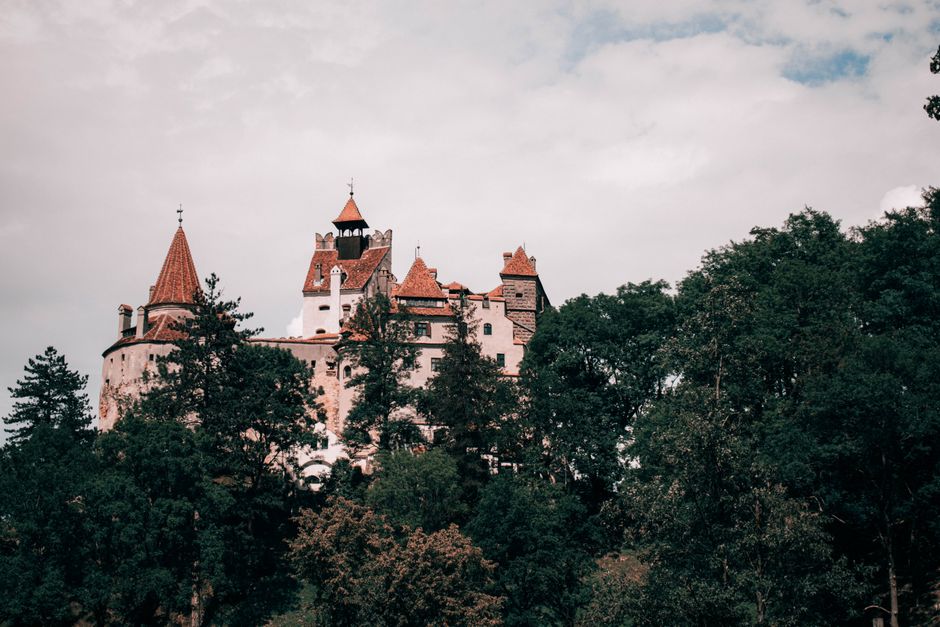
Often marketed as "Dracula's Castle," Bran Castle sits dramatically on the border between Transylvania and Wallachia. While Vlad the Impaler's actual connection to the castle is historically tenuous, the fortress has earned its haunted reputation through centuries of reported paranormal activity. Visitors describe encounters with ghostly figures in medieval clothing, disembodied voices speaking in archaic Romanian, and an overwhelming sense of dread in certain chambers. The castle's labyrinthine passages and secret staircases create an atmosphere ripe for supernatural tales. Local legends speak of cursed artifacts within the castle walls and spirits of those who were tortured during the castle's darker periods. The mystery deepens with reports from multiple witnesses of objects moving without explanation and doors opening and closing on their own.
4. Château de Brissac, France
The tallest castle in France, Château de Brissac, is home to one of the most famous ghost stories in French folklore—the Green Lady. According to legend, Charlotte de Brézé, the illegitimate daughter of King Charles VII, was murdered by her husband after he discovered her affair with another man. Her ghost, always dressed in green and with gaping holes where her eyes and nose should be, haunts the chapel tower. Witnesses report hearing her moaning throughout the night, and some have encountered her terrifying apparition in the early morning hours. The current residents, the Brissac family, acknowledge the haunting and have learned to coexist with their spectral inhabitant. The castle's history of violence and betrayal has left an indelible mark that manifests in ongoing paranormal phenomena.
5. Predjama Castle, Slovenia
Built into the mouth of a cave system, Predjama Castle presents a unique architectural marvel and an equally unique haunting. The castle is forever linked to the ghost of Erazem Lueger, a rebellious knight who was killed in an ignominious manner during a siege in 1484—struck by a cannonball while using the privy. His restless spirit is said to roam the castle, particularly near the secret tunnels he once used to smuggle in supplies. Visitors report hearing phantom footsteps in the cave passages, seeing shadows moving along the walls without any source, and experiencing sudden feelings of being watched. The castle's integration with natural cave formations creates acoustic anomalies that many believe amplify paranormal activity, making it difficult to distinguish between natural phenomena and supernatural occurrences.
6. Moosham Castle, Austria
Moosham Castle earned its dark reputation during the Salzburg witch trials of the 17th century, when it served as the site of interrogations and executions. Hundreds of accused witches and sorcerers were tortured within its walls, and their anguished spirits are believed to remain. The castle later became associated with werewolf trials, adding another layer to its supernatural legacy. Witnesses describe seeing apparitions of women in period clothing, hearing screams echoing through empty hallways, and experiencing overwhelming sensations of despair in the former torture chambers. Strange animal behavior has been documented around the castle, with pets refusing to enter certain rooms and birds avoiding flying over specific areas of the structure. The combination of witch trial history and werewolf legends creates a uniquely disturbing haunted atmosphere.
7. Houska Castle, Czech Republic
Perhaps the most enigmatic castle on this list, Houska Castle was built in the 13th century not to provide protection or residence, but allegedly to seal a gateway to Hell. According to legend, a bottomless pit within the chapel led directly to the underworld, and demonic creatures would emerge from its depths. The castle was constructed specifically to cap this portal, with the chapel built directly over the supposed gateway. There are no fortifications, no water source, and no kitchen—suggesting it was never meant for habitation. Reports of winged creatures, humanoid figures with animal features, and overwhelming evil presences persist to this day. The castle's walls feature strange medieval artwork depicting demons and otherworldly beings, adding credence to the theory that something truly unusual occurred at this location.
8. Chillingham Castle, England
Chillingham Castle in Northumberland has a reputation as Britain's most haunted castle, backed by centuries of documented paranormal activity. The Blue Boy is the most famous ghost, a child whose remains were discovered in a wall during renovations. Guests sleeping in the Pink Room reported being awakened by the cries of a boy surrounded by a blue halo of light—reports that ceased after the skeletal remains were given a proper burial. The castle's torture chamber, which contains authentic medieval devices, is a hotspot for paranormal encounters. Lady Mary Berkeley, who was abandoned by her husband, is said to haunt the castle searching for him, dressed in rustling period gowns. With over seven documented ghosts and countless unexplained phenomena, Chillingham continues to challenge skeptics.
9. Charleville Castle, Ireland
Gothic revival Charleville Castle in County Offaly is considered one of Ireland's most actively haunted locations. The spirit of young Harriet, who fell to her death down the main staircase in the 1800s, is frequently encountered. Her laughter echoes through the halls, and her apparition has been photographed multiple times. The castle features a practice among paranormal investigators of being unusually responsive to investigation techniques, with equipment malfunctions, dramatic temperature fluctuations, and direct physical phenomena occurring with regularity. The forest surrounding the castle is said to be haunted by druids who once performed rituals on the grounds, and visitors report feeling watched by unseen presences among the ancient trees. The combination of tragic history and pre-Christian spiritual significance creates layers of paranormal complexity.
10. Dragsholm Castle, Denmark
Dragsholm Castle holds the distinction of being home to at least three well-documented ghosts, each with their own tragic story. The Grey Lady was a servant girl who died of illness while working at the castle and is considered a benign presence. The White Lady has been identified through historical research as a young woman from the Gøye family who fell in love with a commoner. Her father imprisoned her within the castle walls, where she died. During renovations in the 1930s, workers discovered a skeleton in a white dress hidden within a wall cavity, lending credibility to the legend. The most disturbing spirit is that of James Hepburn, fourth Earl of Bothwell and third husband of Mary, Queen of Scots, who was imprisoned in the castle and died insane. His anguished screams and the sound of a horse-drawn carriage in the courtyard continue to be reported by visitors and staff.
Conclusion
These ten haunted castles represent more than mere ghost stories—they are repositories of human history at its most dramatic and tragic. Each location bears witness to the suffering, passion, violence, and mystery that characterized medieval life. Whether one believes in the supernatural or attributes these phenomena to psychological factors and environmental conditions, the persistence of these legends across centuries demonstrates their powerful hold on the human imagination. From Scotland to Slovenia, these ancient fortresses continue to blur the line between history and mystery, inviting us to consider that some stories refuse to remain buried in the past. For those brave enough to visit, these castles offer a unique opportunity to confront both historical reality and the possibility that some mysteries transcend rational explanation.