










The Truth About Unicorn Myths: Rhinoceros Connection
By Trivia Daily, Staff Writer — Published October 11, 2026
Table of Contents
- Key Takeaways
- The Truth About Unicorn Myths: From India to Europe
- The Narwhal Deception: Selling Unicorn Horns
- Comparing the Candidates: Real Animals Behind the Myth
- Why Rhinoceros Horn Was So Valuable
- When Reality Met Legend: Marco Polo's Account
- Frequently Asked Questions
The majestic unicorn—a white horse with a spiraling horn—has captivated imaginations for millennia. But the truth about unicorn myths is far stranger than fantasy. Medieval Europeans who heard travelers' tales of massive, horn-bearing beasts weren't imagining magical creatures. They were getting garbled descriptions of rhinoceroses, animals so bizarre to European ears that they seemed like legends come to life. This surprising connection reveals how real animals, misunderstood across cultures and continents, became the stuff of myth.
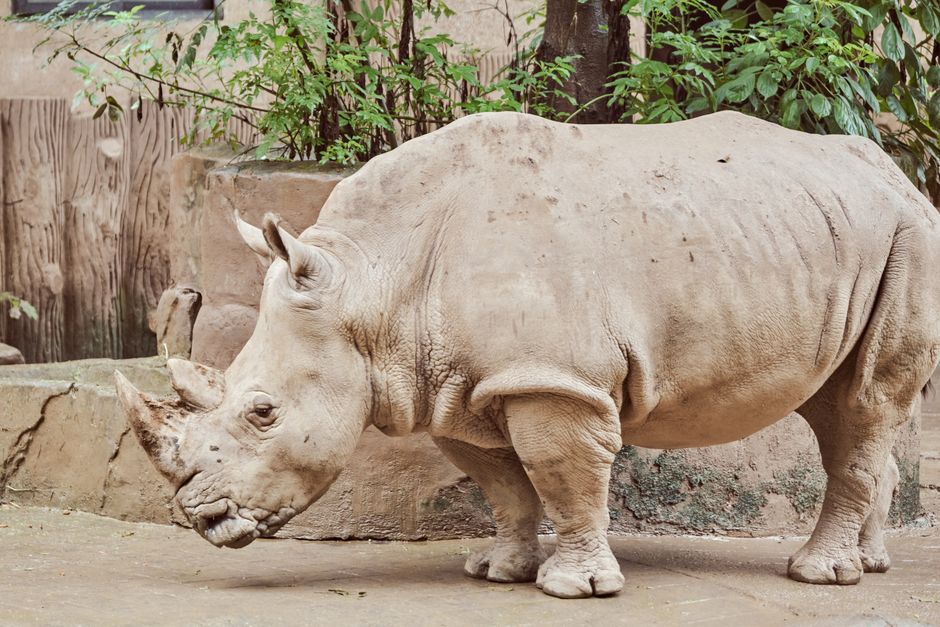
When Marco Polo encountered rhinoceroses in Southeast Asia during the 13th century, he described them as unicorns—but noted they were nothing like the elegant creatures of legend. These "unicorns" were gray, stocky, and wallowed in mud. The disconnect between expectation and reality didn't diminish the unicorn myth. Instead, it raised fascinating questions about how stories transform as they travel.
Key Takeaways
- Medieval Europeans mistook rhinoceros descriptions for unicorn sightings, fueling centuries of myth and legend.
- Narwhal tusks sold as "unicorn horns" in European markets commanded prices worth ten times their weight in gold.
- Ancient Greek writers described unicorns based on travelers' reports from India, where rhinoceroses were native.
- The scientific name for the Indian rhinoceros, Rhinoceros unicornis, literally means "one-horned nose horn."
- Rhinoceros horn was valued in medieval Europe for supposed medicinal properties identical to those attributed to unicorn horns.
- Marco Polo's 13th-century travel accounts explicitly identified rhinoceroses as the disappointing reality behind unicorn legends.
The Truth About Unicorn Myths: From India to Europe
The earliest written accounts of unicorns come from ancient Greek historian Ctesias, who documented tales from Persian travelers around 400 BCE. These travelers described one-horned wild asses from India—powerful, fierce animals impossible to capture alive. The descriptions match the behavior and appearance of Indian rhinoceroses far better than any mythical horse. Rhinoceroses are notoriously aggressive when threatened, difficult to domesticate, and indeed possess a single prominent horn.
As these stories passed through multiple languages and cultures, details shifted. The rhinoceros became a horse. Its thick, armored hide became a sleek coat. Its squat, powerful body became graceful and swift. Each retelling polished the creature into something more wondrous, more fitting for a legend. By the time these tales reached medieval Europe, the rhinoceros had been completely transformed into an elegant, magical beast.
The transformation wasn't entirely accidental. Medieval bestiaries—illustrated books describing animals both real and imagined—often blended fact with Christian allegory. The unicorn became a symbol of purity and Christ, while the rhinoceros remained unknown to most Europeans. These parallel traditions existed simultaneously: sailors and merchants knew about rhinoceroses, while scholars and artists immortalized unicorns in tapestries and manuscripts.
The Narwhal Deception: Selling Unicorn Horns
Medieval merchants discovered an amazing opportunity when they realized European nobility would pay fortunes for "unicorn horns." The source? Narwhals, Arctic whales whose males grow a single, spiraling tusk that can reach ten feet in length. These tusks, brought south by Norse and other northern traders, perfectly matched descriptions of unicorn horns in bestiaries and legends.
The deception was lucrative. Royal treasuries across Europe housed unicorn horns as prized possessions. The British Crown Jewels included a unicorn horn (actually a narwhal tusk) valued at £10,000 in the 16th century—an astronomical sum equivalent to the cost of a castle. These "horns" were believed to detect poison, purify water, and cure numerous ailments, making them invaluable to paranoid monarchs.
The interesting trivia here is that narwhal tusks share something with actual unicorn myth origins: both involve real animals misidentified. Just as rhinoceroses became unicorns in the retelling, narwhal tusks became proof that unicorns existed. The spiral pattern of narwhal tusks even influenced artistic depictions of unicorns, which earlier had been shown with straight horns like those of rhinoceroses and oryx antelopes.
Comparing the Candidates: Real Animals Behind the Myth
| Animal | Horn Type | Geographic Origin | Connection to Unicorn Myth |
|---|---|---|---|
| Indian Rhinoceros | Single, curved horn of keratin | India, Nepal | Ancient Greek descriptions from travelers |
| Narwhal | Spiraling tusk (modified tooth) | Arctic waters | Medieval "unicorn horn" trade item |
| Arabian Oryx | Two straight horns (appear as one in profile) | Arabian Peninsula | Possible influence on Middle Eastern unicorn legends |
| Elasmotherium (extinct) | Massive single horn (theorized) | Eurasian steppes | Possible basis for ancient Siberian unicorn legends |
Why Rhinoceros Horn Was So Valuable
The medicinal properties attributed to unicorn horns weren't purely fantasy—they were transferred wholesale from actual rhinoceros horn traditions. In traditional Asian medicine, rhinoceros horn had been valued for centuries before Europeans heard of unicorns. When travelers brought back both rhinoceros horns and stories of unicorns, the two became conflated in European markets.
Rhinoceros horn is made of keratin, the same protein found in human hair and fingernails. Despite having no proven medicinal value, it commanded extraordinary prices. European physicians prescribed powdered "unicorn horn" for everything from plague to poisoning. Cups carved from the material were thought to neutralize toxins. This belief system made rhinoceros horns worth fortunes, driving hunting that continues to threaten rhinoceros populations today.
The amazing fact is that some European scholars recognized the truth. Italian naturalist Ulisse Aldrovandi documented rhinoceroses in the 16th century and noted their similarity to unicorn descriptions. Yet the myth persisted because it served economic and cultural purposes. Merchants profited, nobility displayed their wealth and wisdom through horn ownership, and the symbolic power of the unicorn remained useful in art and heraldry.
When Reality Met Legend: Marco Polo's Account
Marco Polo's travel writings offer one of the most interesting moments in unicorn myth history. After encountering rhinoceroses in Sumatra, he wrote that he had seen unicorns—and they were nothing like the stories. He described them as scarcely smaller than elephants, with hair like buffalo, feet like elephants, and a single black horn. They wallowed in mud and slime, he noted, and were altogether ugly beasts.
This candid disappointment didn't shatter the unicorn myth in Europe. Instead, readers assumed there must be two types of unicorns: the beautiful, pure creature of legend and these hideous imposters Polo had encountered. The human tendency to preserve cherished beliefs, even in the face of contradictory evidence, kept the elegant unicorn alive in imagination while rhinoceroses remained exotic curiosities.
The persistence of unicorn imagery in European culture, even after rhinoceroses became better known, demonstrates how myths serve purposes beyond literal truth. Unicorns represented ideals—purity, wildness, the untameable—that no real animal could embody. The rhinoceros connection reveals the myth's origins but doesn't diminish its cultural power.
Frequently Asked Questions
Did unicorns ever really exist?
No magical unicorns existed, but the myth likely originated from distorted descriptions of real animals, primarily rhinoceroses. Ancient travelers' accounts of one-horned beasts from India were transformed through retelling into the elegant horse-like creatures of European legend.
Why did people believe narwhal tusks were unicorn horns?
Narwhal tusks matched medieval descriptions of unicorn horns perfectly—long, spiraling, and rare. Since most Europeans had never seen either a narwhal or a unicorn, they had no way to verify the merchant claims, and the tusks became valuable proof that unicorns existed.
What is rhinoceros horn actually made of?
Rhinoceros horn is composed entirely of keratin, the same protein that forms human hair and fingernails. Unlike the horns of cattle or antelope, which have a bony core, rhinoceros horns are solid keratin that grows from the skin.
When did Europeans first see actual rhinoceroses?
The first rhinoceros seen in Europe since Roman times arrived in Lisbon, Portugal, in 1515 as a gift to King Manuel I. Artist Albrecht Dürer created a famous woodcut of the animal, though he never saw it himself and included fantastical armored plates in his depiction.
The rhinoceros-unicorn connection reminds us that myths often have roots in reality, however tangled and transformed. Every fantastic tale that crossed medieval trade routes carried fragments of truth—observations of real animals, filtered through language barriers, cultural expectations, and the very human desire for wonder. The next time you see a unicorn in a tapestry or story, you're glimpsing the shadow of a rhinoceros, distorted by distance and time into something magical.
