
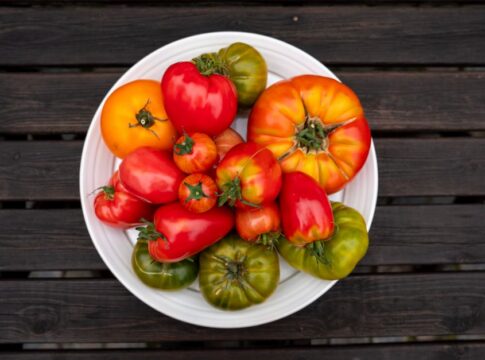
Why Tomatoes Were Once Feared as Poisonous in Europe
By Trivia Daily, Staff Writer — Published October 26, 2026
Table of Contents
- Key Takeaways
- The Nightshade Connection: Tomatoes Feared Poisonous by Association
- The Pewter Plate Problem: A Deadly Misunderstanding
- Cultural Barriers and Botanical Misconceptions
- Regional Acceptance: Who Ate Tomatoes First?
- The Slow Road to Redemption
- Frequently Asked Questions
For nearly two centuries, Europeans looked upon the bright red tomato with suspicion and outright fear. Despite the fact that tomatoes were cultivated and enjoyed in Central and South America for thousands of years, they arrived in Europe with a dangerous reputation. The surprising story of why tomatoes were feared as poisonous reveals a fascinating mix of class prejudice, genuine scientific misunderstanding, and unfortunate coincidence that kept this nutritious fruit off European dinner tables until the 1800s.
The tomato’s journey from feared oddity to beloved staple is one of history’s most interesting food transformations. What made wealthy Europeans so certain this vibrant fruit would kill them? The answer lies in pewter plates, botanical family trees, and the social dynamics of Renaissance Europe.
Key Takeaways
- Tomatoes belong to the nightshade family, which includes several genuinely poisonous plants like belladonna and mandrake, leading to guilt by association.
- Wealthy Europeans often died after eating tomatoes because the fruit’s high acidity leached toxic lead from their pewter plates and utensils.
- Poor Europeans and colonists in the Americas ate tomatoes regularly without issue, partly because they used wooden or clay dishes instead of pewter.
- The tomato was cultivated by Aztecs and other indigenous peoples for centuries before European contact, with no fear of poisoning.
- Tomatoes weren’t widely accepted in Northern Europe and North America until the early to mid-1800s, roughly 250 years after their introduction.
- The plant’s leaves and stems do contain toxic compounds called glycoalkaloids, though the fruit itself is perfectly safe.
The Nightshade Connection: Tomatoes Feared Poisonous by Association
When Spanish conquistadors brought tomato seeds back from the Americas in the 16th century, European botanists immediately recognized the plant as a member of the Solanaceae family. This family, commonly known as nightshades, includes some of the most toxic plants known to humanity. Deadly nightshade (belladonna), mandrake, and henbane all belong to this botanical group, and all can kill.
The resemblance wasn’t merely scientific classification. Tomato plants share visual characteristics with their poisonous cousins: similar leaf structures, comparable flowers, and that distinct nightshade growth pattern. For botanists trained to identify dangerous plants, the tomato looked alarmingly familiar. They weren’t entirely wrong to be cautious, either. The leaves and stems of tomato plants do contain tomatine and solanine, compounds that can cause gastrointestinal distress if consumed in large quantities.
But the fruit itself? Completely harmless. This crucial distinction took generations to establish in the European mind.
The Pewter Plate Problem: A Deadly Misunderstanding
Here’s where the story takes a darker turn. Wealthy aristocrats in Renaissance Europe did sometimes die after consuming tomatoes, reinforcing the poisoning fears. But the tomato wasn’t the culprit—their expensive dinnerware was.
Affluent Europeans ate from pewter plates, which contained high levels of lead. Tomatoes are highly acidic, with a pH typically between 4.3 and 4.9. When acidic tomato sauce sat on pewter plates, it leached lead from the metal into the food. Lead poisoning causes symptoms ranging from abdominal pain and headaches to seizures and death. The wealthy who could afford both tomatoes (initially expensive imports) and pewter tableware were literally poisoning themselves, but they blamed the wrong ingredient.
Poor Europeans and American colonists, meanwhile, ate from wooden trenchers or simple clay pottery. No lead, no poisoning, no problem. The class divide in tomato consumption created a perverse situation where the fruit appeared dangerous to those who documented history while remaining perfectly safe for those who couldn’t afford to write about it.
Cultural Barriers and Botanical Misconceptions
Beyond chemistry and botany, cultural factors reinforced tomato fears. The fruit arrived in Europe alongside reports of exotic New World peoples and their strange customs. Anything associated with indigenous American cultures faced skepticism from Europeans who viewed themselves as culturally superior.
Early European cultivation treated tomatoes purely as ornamental plants. The vibrant red and yellow fruits decorated gardens but never entered kitchens. Some herbalists classified tomatoes as aphrodisiacs, which paradoxically made them both desirable and morally suspect. The French called them “pommes d’amour” (love apples), while Italians used “pomodoro” (golden apple), referring to the yellow varieties that first reached Italy.
Medical theory of the time relied heavily on the “doctrine of signatures,” which held that plants resembled the body parts or conditions they could treat or cause. The tomato’s fleshy, organ-like appearance and blood-red color suggested to some physicians that it might cause inflammation or corruption of the blood.
Regional Acceptance: Who Ate Tomatoes First?
| Region | Approximate Period of Acceptance | Notable Context |
|---|---|---|
| Spain and Portugal | Late 1500s–1600s | Earliest European adopters, likely due to direct contact with Americas |
| Italy | 1600s–1700s | Became central to cuisine; Naples particularly enthusiastic |
| France | Late 1700s | Initially ornamental; culinary use spread after French Revolution |
| Britain | Early to mid-1800s | Among the last to accept tomatoes as food |
| North America | Early to mid-1800s | Despite proximity to origin, followed British attitudes |
Southern European countries with warmer climates and stronger culinary ties to Mediterranean flavors embraced tomatoes earlier. Northern Europe, more conservative in food habits and lacking the climate for easy cultivation, resisted longer.
The Slow Road to Redemption
How did tomatoes finally overcome centuries of fear? No single dramatic moment changed minds. Instead, gradual acceptance came through multiple channels. Italian immigrants brought tomato-based cuisine to other parts of Europe and America. Botanical science improved, allowing clearer understanding of which plant parts contained toxins. Most importantly, people simply observed that those who ate tomatoes didn’t die.
By the mid-1800s, tomatoes had become common in American gardens and kitchens. Cookbooks began featuring tomato recipes. The rise of canning technology in the late 19th century made tomatoes a pantry staple, transforming them from seasonal curiosity to year-round commodity. Today, tomatoes rank among the world’s most consumed fruits, with global production exceeding 180 million tons annually.
Frequently Asked Questions
Are any parts of the tomato plant actually poisonous?
Yes, tomato leaves and stems contain glycoalkaloids including tomatine, which can cause gastrointestinal upset if consumed in large quantities. However, the ripe fruit itself contains negligible amounts and is completely safe to eat.
Did anyone really die from eating tomatoes in Europe?
Wealthy Europeans did experience poisoning after eating tomatoes, but the cause was lead leaching from pewter plates and utensils due to the fruit’s acidity, not toxins in the tomato itself. This unfortunate coincidence reinforced poisoning fears for generations.
When did Americans start eating tomatoes regularly?
Despite tomatoes being native to the Americas, European colonial attitudes dominated North American culture. Widespread culinary acceptance didn’t occur until the early to mid-1800s, though some communities, particularly in the South, adopted them earlier.
Why are tomatoes classified as fruits but used as vegetables?
Botanically, tomatoes are fruits because they develop from the flower’s ovary and contain seeds. Culinarily, they’re treated as vegetables due to their savory applications. The U.S. Supreme Court even ruled them vegetables for tariff purposes in 1893, though science disagrees.
The tomato’s transformation from feared poison to pizza topping reminds us that even our most basic assumptions about food have complex histories. Next time you slice a tomato, consider the centuries of misunderstanding that nearly kept this delicious fruit off your plate forever. What other everyday foods might have similarly surprising pasts waiting to be discovered?