








⏱️ 6 min read
Did You Know? 12 Facts About Samurai Legends
The samurai warriors of feudal Japan have captured the imagination of people worldwide for centuries. These legendary figures, bound by the strict code of bushido, have inspired countless stories, films, and myths that blur the line between historical fact and legend. While many people are familiar with the basic concept of samurai as skilled swordsmen, the deeper mythology and legendary tales surrounding these warriors reveal a far more complex and fascinating culture. From supernatural encounters to heroic deeds that defied belief, samurai legends offer a window into the values, fears, and aspirations of medieval Japan. Here are twelve captivating facts about samurai legends that showcase the mythical dimensions of these iconic warriors.
1. The Legend of the 47 Ronin
Perhaps the most famous samurai legend is the tale of the 47 Ronin, which has become the ultimate story of loyalty and revenge in Japanese culture. According to legend, these masterless samurai spent years planning to avenge their lord's death, ultimately attacking their enemy's fortress and taking his head. This story embodies the samurai ideals of loyalty, honor, and self-sacrifice, and has been retold countless times in Japanese literature, theater, and modern media.
2. Samurai and Supernatural Encounters
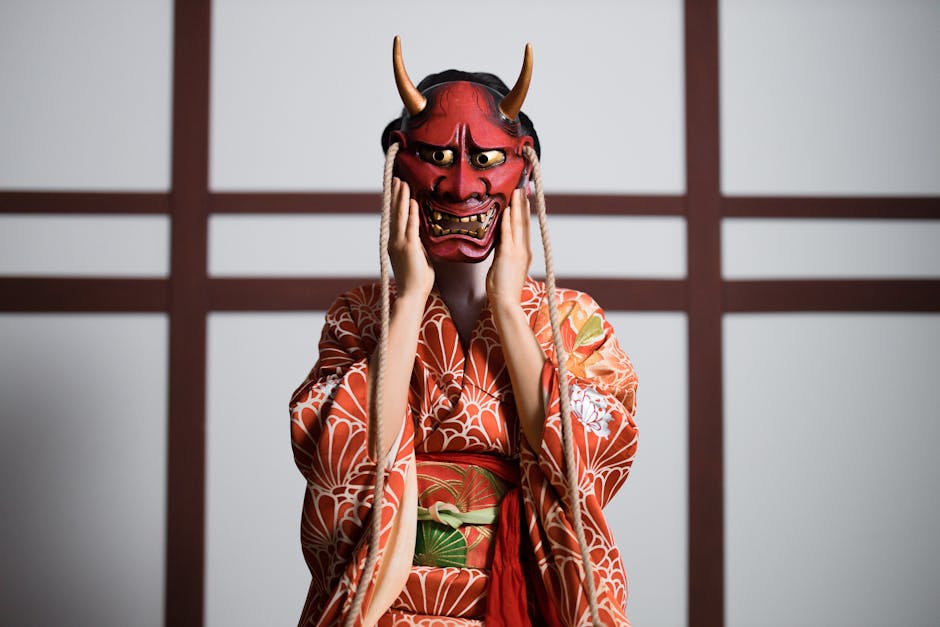
Samurai legends frequently feature encounters with supernatural beings such as oni (demons), tengu (crow-like spirits), and yurei (ghosts). These mythical tales often depicted samurai as defenders against dark forces, using both their martial prowess and spiritual strength to protect villages and maintain cosmic balance. Such stories reinforced the image of samurai as more than mere warriors—they were spiritual guardians of the realm.
3. The Cursed Blade Muramasa
Legend tells of Muramasa, a master swordsmith whose blades were said to be cursed with a bloodlust. These legendary swords supposedly drove their wielders to madness and violence, unable to be sheathed until they had drawn blood. The Tokugawa shogunate particularly feared Muramasa blades, as several family members allegedly died by them, leading to the swords being banned and destroyed throughout Japan.
4. Miyamoto Musashi's Undefeated Record
The legendary swordsman Miyamoto Musashi reportedly fought over sixty duels without a single defeat, creating a mythology around his strategic genius and unorthodox techniques. Legends describe his most famous duel against Sasaki Kojiro, where Musashi supposedly arrived late to anger his opponent and carved a wooden sword from an oar during his boat journey to the duel site. His legendary status was cemented by his treatise "The Book of Five Rings," which blended philosophy with martial strategy.
5. The Tengu Masters
According to legend, many renowned samurai learned their exceptional sword skills from tengu—mythical creatures with both human and bird-like features who dwelt in mountains and forests. These supernatural beings were said to be master swordsmen who would train select warriors in secret techniques. The young Minamoto no Yoshitsune, who became one of Japan's greatest military commanders, was legendarily trained by the Tengu King on Mount Kurama.
6. Tomoe Gozen: The Warrior Woman
Legends speak of Tomoe Gozen, a rare female samurai whose combat skills rivaled any man. Described as exceptionally beautiful yet fearsome in battle, legends claim she was worth a thousand warriors and could defeat anyone in single combat. Her most famous legendary feat involved decapitating an enemy warrior during the Genpei War before disappearing from historical records, her fate becoming the subject of numerous mythological interpretations.
7. Seppuku and the Sacred Ritual
The legendary practice of seppuku (ritual suicide) has become synonymous with samurai culture, surrounded by myths about honor and spiritual transcendence. Legends describe how a samurai's spirit would be judged based on the composure and dignity displayed during this ritual. Some tales even claim that master samurai could complete the ritual without showing any sign of pain, demonstrating complete mastery over both body and spirit.
8. The Three Sacred Treasures
Samurai legends often reference the Three Sacred Treasures of Japan—the sword, mirror, and jewel—which represented valor, wisdom, and benevolence respectively. Legendary samurai were said to embody these qualities, with the sword being particularly significant as both a physical weapon and a spiritual symbol. Some legends claim certain samurai carried blades blessed by these sacred treasures, granting them supernatural protection.
9. Benkei's Last Stand
The legend of Benkei, the warrior monk who served Minamoto no Yoshitsune, tells of his miraculous final stand. According to myth, Benkei defended a bridge single-handedly against an entire army to allow his master to escape. The legend claims he died while still standing, his body pierced by so many arrows that he remained upright even in death, terrifying enemies who dared not approach. This tale has become symbolic of ultimate loyalty and determination.
10. The Samurai Code Beyond Death
Legends suggest that samurai spirits continued to serve their lords even after death, manifesting as protective guardians or vengeful ghosts depending on the circumstances of their demise. Stories of ghostly samurai armies appearing in times of great need or haunting those who betrayed bushido principles were common in Japanese folklore, reinforcing the eternal nature of samurai duty.
11. Dragon Slaying Samurai
Some of the most fantastical samurai legends involve encounters with dragons and sea monsters. Legendary warriors like Susanoo and Tawara Toda were credited with slaying massive serpents and dragons that threatened villages and kingdoms. These myths elevated samurai from historical warriors to mythological heroes comparable to dragon-slayers in Western traditions, representing triumph over chaos and evil.
12. The Perfect Death
Samurai culture contained numerous legends about achieving the "perfect death" in battle—dying at the height of one's powers while serving one's lord with complete honor. Legends told of warriors who predicted their own deaths, composed final poems at the moment of their demise, or achieved such legendary status that their deaths became inspirational tales passed down through generations. This mythologizing of death reflected the samurai acceptance of mortality and pursuit of eternal honor.
Conclusion
These twelve facts about samurai legends reveal how deeply mythology and history intertwine in Japanese culture. From supernatural training with tengu masters to cursed swords and immortal loyalty beyond death, samurai legends transcended simple warrior tales to become profound expressions of cultural values. Whether featuring demon-slaying heroes, devoted ronin seeking revenge, or warriors achieving spiritual transcendence through ritual death, these legends continue to captivate audiences worldwide. They remind us that the samurai legacy extends far beyond historical military service—these warriors have become timeless symbols of honor, discipline, and the eternal struggle between duty and humanity. The enduring power of samurai legends lies not just in their dramatic narratives, but in their exploration of universal themes that resonate across cultures and centuries.