








⏱️ 7 min read
Top 10 Most Poisonous Creatures: Nature's Deadliest Defenses
The natural world is filled with remarkable creatures that have evolved extraordinary defense mechanisms to survive. Among the most fascinating and fearsome of these adaptations is the ability to produce deadly toxins. While the terms "poisonous" and "venomous" are often used interchangeably, it's important to note that poisonous creatures deliver toxins when touched or eaten, while venomous creatures actively inject toxins through bites or stings. This article explores ten of the most poisonous creatures on Earth, examining their toxic capabilities, habitats, and the deadly substances that make them so dangerous to humans and other animals.
1. Box Jellyfish
The box jellyfish, particularly the species Chironex fleckeri, is considered one of the most venomous marine creatures in existence. Found primarily in the waters off northern Australia and throughout the Indo-Pacific region, this translucent creature possesses up to 60 tentacles, each measuring up to 10 feet in length and covered with millions of microscopic stinging cells called nematocysts. The venom is so potent that it can cause cardiac arrest, paralysis, and death within minutes of contact. The toxin attacks the heart, nervous system, and skin cells simultaneously, causing excruciating pain. Survivors often experience significant scarring and may suffer from chronic pain for weeks or months following an encounter.
2. Golden Poison Dart Frog
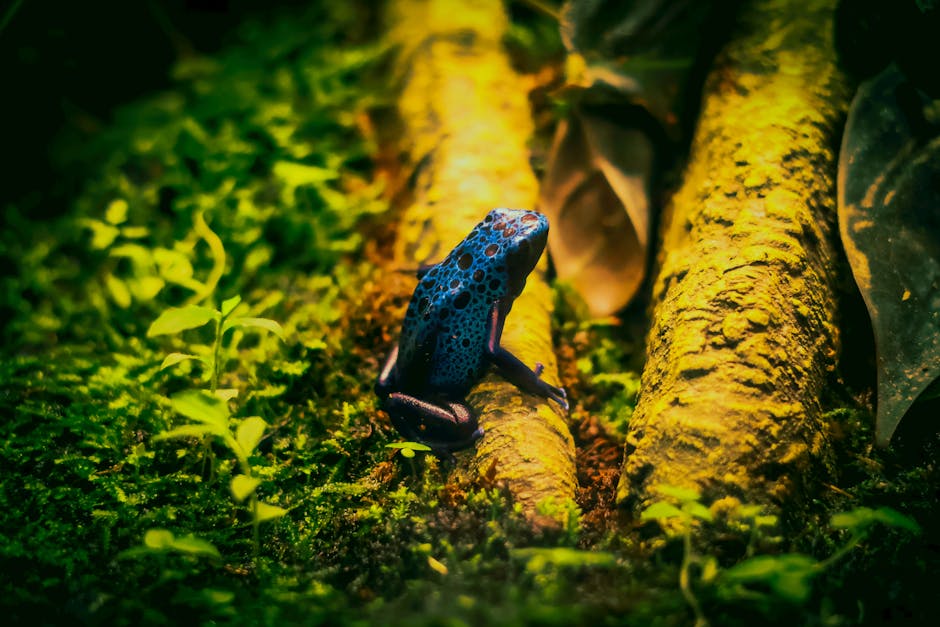
Native to the rainforests of Colombia, the golden poison dart frog is arguably the most poisonous vertebrate on Earth. Despite measuring only about two inches in length, this brilliantly colored amphibian carries enough batrachotoxin in its skin to kill ten adult humans or approximately 20,000 mice. Indigenous Emberá people have historically used the frog's poison to coat the tips of their blow darts for hunting. The toxin works by preventing nerves from transmitting impulses, leaving muscles in an inactive state of contraction, which can lead to heart failure. Interestingly, these frogs do not produce the toxin themselves but acquire it from their diet of specific insects in their natural habitat.
3. Inland Taipan
The inland taipan, also known as the "fierce snake," holds the title of the world's most venomous land snake. Found in the semi-arid regions of central Australia, this elusive reptile possesses venom so toxic that a single bite contains enough toxin to kill 100 adult humans or 250,000 mice. The venom is a complex cocktail of neurotoxins, hemotoxins, myotoxins, and nephrotoxins that can cause hemorrhaging, muscle damage, and kidney failure. Despite its fearsome reputation, the inland taipan is actually quite shy and rarely encountered by humans. When it does bite, however, without immediate treatment with antivenom, the mortality rate approaches 100 percent.
4. Stonefish
The stonefish earns its place among the world's most dangerous creatures as the most venomous fish known to science. Found in the coastal regions of the Indo-Pacific, including waters off Australia, Indonesia, and India, this master of camouflage resembles a rock or piece of coral on the ocean floor. Its 13 dorsal fin spines contain potent neurotoxins that cause extreme pain, tissue necrosis, paralysis, and potentially death if left untreated. The pain from a stonefish sting is reportedly so severe that victims have been known to request amputation of the affected limb. The venom can cause shock, cardiovascular collapse, and respiratory distress within hours of envenomation.
5. Blue-Ringed Octopus
Despite its small size and beautiful appearance, the blue-ringed octopus is one of the ocean's deadliest inhabitants. These tiny cephalopods, which typically measure only 5 to 8 inches in length, are found in tide pools and coral reefs throughout the Pacific and Indian Oceans. They carry enough tetrodotoxin to kill 26 adult humans within minutes, and there is currently no antivenom available. The toxin causes motor paralysis and respiratory arrest while the victim often remains conscious throughout the ordeal. The octopus displays its characteristic iridescent blue rings only when threatened, serving as a warning signal to potential predators.
6. Cone Snail
The cone snail, particularly the geographic cone snail, is a predatory marine gastropod that has perfected the art of chemical warfare. Found in tropical and subtropical waters worldwide, these beautiful mollusks possess a sophisticated venom delivery system that can penetrate wetsuits and gloves. Their venom, called conotoxin, is a complex mixture of hundreds of different compounds that cause paralysis, respiratory failure, and cardiovascular collapse. A single drop of venom from some species can kill up to 20 humans. Paradoxically, researchers are studying cone snail venom as a potential source for powerful pain medications that could be more effective than morphine.
7. Pufferfish
The pufferfish, also known as fugu in Japan, contains tetrodotoxin, one of the most deadly toxins found in nature. This potent neurotoxin is concentrated primarily in the fish's liver, ovaries, and skin, with a single pufferfish containing enough poison to kill 30 adult humans. The toxin works by blocking sodium channels in nerve tissue, causing paralysis and asphyxiation. Despite its deadly nature, pufferfish is considered a delicacy in Japan and Korea, where specially licensed chefs undergo years of training to prepare it safely. Even with precautions, several people die each year from improper preparation of this lethal dish.
8. Brazilian Wandering Spider
The Brazilian wandering spider, scientifically known as Phoneutria, holds the Guinness World Record as the world's most venomous spider. Unlike many spiders that build webs and wait for prey, these aggressive arachnids actively hunt on the forest floor at night and are named for their wandering behavior. Found throughout South and Central America, they often hide in banana bunches, leading to their alternative name, the "banana spider." Their venom contains a potent neurotoxin that causes intense pain, inflammation, loss of muscle control, breathing problems, and paralysis. In severe cases, particularly in children, the venom can be fatal. The spider's defensive posture, raising its front legs to display its warning colors, is a sight that should prompt immediate retreat.
9. Deathstalker Scorpion
The deathstalker scorpion, found throughout North Africa and the Middle East, is one of the most dangerous scorpion species in the world. While its sting is not typically fatal to healthy adults, it poses a serious threat to children, the elderly, and those with heart conditions. The venom contains a powerful mixture of neurotoxins that cause severe pain, fever, convulsions, paralysis, and coma. What makes this scorpion particularly dangerous is the combination of its highly toxic venom and its aggressive nature when disturbed. The scorpion's venom is currently being studied for potential medical applications, including cancer treatment and the development of antimalarial drugs.
10. King Cobra
The king cobra, the world's longest venomous snake, can grow up to 18 feet in length and commands respect throughout its range in South and Southeast Asia. While its venom is not the most toxic on a drop-per-drop basis, the king cobra can deliver an enormous quantity in a single bite—up to 7 milliliters, which is enough to kill an elephant or 20 people. The venom is primarily neurotoxic, causing respiratory failure and cardiac arrest. The king cobra is also highly intelligent and can be extremely aggressive when threatened, particularly when guarding its nest. Unlike many snakes that bite and retreat, king cobras have been known to hold on and deliver multiple doses of venom, making encounters particularly dangerous.
Conclusion
The ten creatures featured in this article represent nature's most sophisticated chemical defense systems, each having evolved unique and deadly toxins over millions of years. From the microscopic nematocysts of the box jellyfish to the neurotoxic venom of the king cobra, these organisms demonstrate the incredible diversity of poisonous and venomous adaptations in the animal kingdom. While these creatures pose significant dangers to humans, it's important to remember that they have not evolved their toxins to harm people specifically. Rather, these defenses serve purposes of predation, protection from predators, and competition for resources in their natural environments. Understanding and respecting these remarkable creatures, while maintaining appropriate caution in their habitats, allows us to appreciate the complex and sometimes deadly beauty of the natural world. As research continues, scientists are discovering that many of these toxins hold promise for developing new medicines, offering hope that these dangerous substances might one day save lives rather than threaten them.