










1 / 10 Questions
0 Points

What Material Are Traditional Violins Made From?

Wood

Ceramic

Plastic

Metal

Points won
0
Correct score
0%

More Questions

Did Dracula Legends Come From a Real Blood Disorder

Dracula legends may have roots in a rare blood disorder called porphyria. Discover how medical science explains the vampire myth's origins.

Did Lightning Strike Survivors Really Get Lichtenberg Scars

Lightning scars called Lichtenberg figures create stunning branching patterns on survivors' skin. Learn what causes these rare marks and how long they

Why Crows Remember Human Faces for Years After One Event

Crow intelligence includes remarkable facial recognition that lasts years after a single encounter. Discover the science behind their extraordinary memory.

More Articles

The Truth About Goldfish Memory: Longer Than You Think

The Truth About Goldfish Memory: Longer Than You Think

The Truth About Goldfish Memory: Longer Than You Think

By Trivia Daily, Staff Writer — Published September 6, 2026

Table of Contents

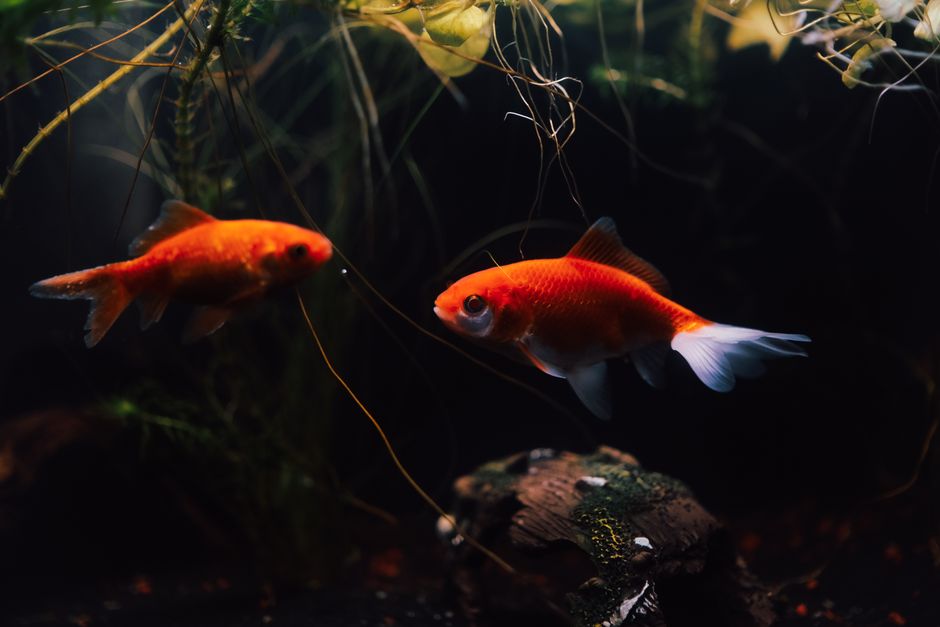
For decades, the three-second goldfish memory has been one of the most repeated "facts" in popular culture. It's become shorthand for forgetfulness, a punchline in jokes, and an excuse for absent-mindedness. But here's the surprising truth: goldfish memory extends far beyond three seconds—in fact, these small fish can remember things for months. Scientists have discovered that goldfish possess remarkable cognitive abilities, challenging our assumptions about these common pets and revealing fascinating insights into animal intelligence.

The myth of the forgetful goldfish has been thoroughly debunked by researchers studying fish cognition. Real goldfish can be trained to recognize colors, navigate mazes, and even tell time. Their brains, though tiny, are capable of forming lasting memories that would put many other animals to shame.

Key Takeaways

  • Goldfish can remember information for at least three months, and possibly much longer—not three seconds as the myth suggests.
  • Studies show goldfish can be trained to recognize shapes, colors, and sounds, demonstrating genuine learning capabilities.
  • Goldfish possess spatial memory that allows them to navigate complex environments and remember feeding schedules.
  • The three-second memory myth likely originated from misunderstandings about fish behavior and outdated assumptions about animal intelligence.
  • Research on goldfish memory has implications for understanding memory formation across different species, including humans.
  • Goldfish can distinguish between different people and may recognize their owners.

The Truth About Goldfish Memory: What Science Really Shows

Multiple scientific studies have demonstrated that goldfish possess memory capabilities far exceeding the mythical three seconds. Researchers have successfully trained goldfish to push levers for food rewards, navigate mazes, and respond to specific sounds—all tasks requiring memory retention measured in weeks or months, not seconds.

In laboratory settings, goldfish have shown they can remember the location of food sources for at least three months after a single training session. They can also learn to avoid areas where they've experienced negative stimuli, demonstrating both positive and negative memory formation. This ability to learn from experience and retain that knowledge is fundamental to survival in the wild, where remembering food sources, predators, and safe hiding spots means the difference between life and death.

Goldfish brains contain structures analogous to the hippocampus in mammals, the region associated with memory formation and spatial navigation. While their brains are obviously much smaller than mammalian brains, the presence of similar structures suggests shared evolutionary solutions to the challenge of remembering important information.

How Goldfish Learn and Remember

Goldfish demonstrate several types of memory. They exhibit associative learning, connecting specific stimuli with outcomes. When a particular sound precedes feeding time, goldfish quickly learn to associate that sound with food and will swim to the feeding area when they hear it. This conditioning can persist for months.

Spatial memory allows goldfish to create mental maps of their environment. They remember the locations of obstacles, hiding places, and territory boundaries. In aquarium settings, goldfish learn the layout of their tank and can navigate it efficiently, even when decorations are rearranged—though they need time to update their mental map.

Social recognition is another fascinating aspect of goldfish cognition. These fish can distinguish between individual fish and may recognize familiar humans. They show different behaviors toward their regular caretaker compared to strangers, suggesting they form memories of specific individuals.

Where Did the Three-Second Myth Come From?

The origin of the three-second goldfish memory myth remains murky, but several factors likely contributed to its persistence. Early assumptions about fish intelligence were based on limited research and anthropocentric biases—the tendency to assume that animals very different from us must be less intelligent.

Fish behavior in small bowls may have reinforced the myth. A goldfish swimming in circles in a cramped bowl isn't demonstrating poor memory; it's responding to an inadequate environment. The repetitive swimming patterns seen in such conditions are stress responses, not evidence of amnesia. In proper environments with adequate space and enrichment, goldfish display much more complex and purposeful behaviors.

The myth's staying power also stems from its usefulness as a cultural reference. It's a convenient metaphor for forgetfulness, making it memorable and quotable—ironically ensuring we remember the myth better than the truth.

Comparing Fish Memory Across Species

Species Memory Duration Notable Abilities
Goldfish At least 3 months Color recognition, spatial navigation, sound association
Cichlids Several months Social hierarchy memory, territorial mapping
Salmon Years Navigate back to birthplace using olfactory memory
Cleaner Wrasse Weeks to months Remember individual client fish and their preferences

Practical Implications for Goldfish Owners

Understanding that goldfish have good memories should change how we care for them. These fish benefit from environmental enrichment—varied decorations, plants, and hiding spots that provide mental stimulation. They can become bored in barren environments, just as intelligent mammals do.

Goldfish can be trained using positive reinforcement techniques. Many owners have taught their fish to swim through hoops, push balls, or come when called. This training provides mental exercise and strengthens the bond between fish and owner. It also demonstrates, in a directly observable way, that these animals are far more cognitively capable than the old myth suggests.

Feeding schedules matter to goldfish. They learn when to expect food and will often gather at the front of the tank at feeding time. This anticipatory behavior is clear evidence of time-based memory. Consistent routines help reduce stress and create a more predictable, comfortable environment for these surprisingly intelligent pets.

Frequently Asked Questions

How long is a goldfish's actual memory span?

Scientific studies have demonstrated that goldfish can retain memories for at least three months, and likely much longer. They can remember training, recognize individuals, and recall spatial information for extended periods, completely contradicting the three-second myth.

Can goldfish recognize their owners?

Yes, goldfish can distinguish between different people and often show recognition of their regular caretakers. They may swim to the front of the tank more eagerly when their owner approaches compared to strangers, suggesting they form memories of specific individuals.

Why do goldfish swim in circles if they have good memories?

Repetitive circular swimming usually indicates stress, inadequate tank size, or poor water quality—not memory problems. In properly sized tanks with good conditions and enrichment, goldfish display varied, purposeful swimming behaviors that reflect their cognitive abilities.

Can you train a goldfish to do tricks?

Absolutely. Goldfish can be trained to perform various behaviors including pushing levers, swimming through hoops, and responding to specific sounds or colors. Training sessions work best when kept short and use food rewards, demonstrating their capacity for learning and memory.

The next time someone mentions the three-second goldfish memory, you'll know the real story. These small fish carry within their tiny brains a cognitive capacity that rivals many animals we consider far more intelligent. Perhaps the most interesting question isn't how well goldfish remember—it's why we forgot to give them credit in the first place.

7 Strange Facts About How Dolphins Sleep Half-Brained

7 Strange Facts About How Dolphins Sleep Half-Brained

7 Strange Facts About How Dolphins Sleep Half-Brained

By Trivia Daily, Animals Desk — Published September 3, 2026

Table of Contents

Imagine closing only one eye to sleep while the other half of your brain stays awake and alert. Sounds impossible? For dolphins, this bizarre sleep strategy is an everyday reality. These remarkable marine mammals have evolved one of nature's most peculiar adaptations: unihemispheric slow-wave sleep, or the ability to rest one brain hemisphere while the other remains conscious. This strange dolphins sleep behavior allows them to continue breathing, avoid predators, and maintain social bonds even while catching some rest. Among all animal behavior in the wildlife kingdom, few adaptations are quite this extraordinary.

Dolphins never truly experience the deep, unconscious slumber that most creatures—including humans—depend on for survival. Their aquatic habitat demands constant vigilance, and their need to surface regularly for air makes traditional sleep impossible. This unique species has turned what could be a fatal limitation into a masterclass in evolutionary problem-solving.

Key Takeaways

  • Dolphins sleep with one brain hemisphere at a time, keeping the other half awake and functional.
  • Only one eye closes during sleep—the eye opposite the resting brain hemisphere stays shut while the other remains open.
  • This sleep pattern allows dolphins to breathe consciously, as they must surface regularly for air unlike fish.
  • Newborn dolphin calves don't sleep at all for their first month of life, staying constantly active.
  • Dolphins can maintain this half-brained sleep pattern for extended periods without apparent cognitive decline.
  • Scientists believe this adaptation evolved to balance the need for rest with survival demands in their ocean environment.

The Science Behind Strange Dolphins Sleep Patterns

Unihemispheric slow-wave sleep represents one of nature's most elegant solutions to a complex problem. While one hemisphere of the dolphin's brain exhibits slow-wave activity characteristic of deep sleep, the opposite hemisphere maintains normal waking-state brain wave patterns. Researchers have documented this phenomenon using electroencephalography (EEG) measurements, which reveal distinctly different electrical activity in each brain half simultaneously.

This isn't a light doze or half-hearted rest. The sleeping hemisphere genuinely enters slow-wave sleep, the restorative phase that all mammals require. Meanwhile, the awake hemisphere handles essential tasks like monitoring the environment, controlling breathing, and maintaining position in the water. After roughly two hours, the hemispheres switch roles, giving the previously awake side its turn to rest. This alternating pattern continues throughout the dolphin's rest period, which typically lasts about eight hours daily.

The anatomical adaptations supporting this behavior extend beyond the brain itself. Dolphins possess voluntary respiratory control, meaning every breath is a conscious decision rather than an automatic reflex. This fundamental difference from land mammals makes unihemispheric sleep not just useful but absolutely necessary for survival in their aquatic habitat.

Why Dolphins Can't Sleep Like Other Animals

The ocean presents unique challenges that land-dwelling creatures never face. Unlike fish, which extract oxygen from water through gills, dolphins are mammals that must surface to breathe air. Falling into a state of complete unconsciousness underwater would be fatal—a sleeping dolphin would simply drown. This biological constraint has shaped their entire approach to rest.

Beyond the breathing requirement, dolphins face constant environmental pressures. Predators like sharks patrol their habitat, especially targeting vulnerable young calves. Water temperature regulation requires continuous swimming movement for many dolphin species. Social bonds within pods demand awareness and communication even during rest periods. Complete unconsciousness would leave these intelligent animals helpless against these threats.

The physics of buoyancy also play a role. Many dolphin species must actively swim to maintain their position in the water column, preventing them from sinking or floating to the surface uncontrollably. This need for perpetual motion makes the mammalian luxury of lying down and losing consciousness impossible for these ocean-dwelling creatures.

Exactly 7 Strange Facts About Half-Brained Dolphin Sleep

1. One Eye Open, One Eye Closed During Rest

The visual manifestation of unihemispheric sleep is striking: dolphins close only one eye at a time. The closed eye corresponds to the awake hemisphere of the brain—specifically, the eye controlled by the opposite brain hemisphere, since neural pathways cross over. If the right brain hemisphere is sleeping, the left eye closes. The open eye continues scanning the environment for threats, monitoring pod mates, and tracking orientation. Observers can actually watch dolphins switch which eye is closed as they alternate which brain hemisphere rests, providing a visible external indicator of this internal neurological phenomenon.

2. Newborn Calves Don't Sleep for a Full Month

Perhaps the most astonishing aspect of dolphin sleep involves their offspring. Newborn dolphin calves and their mothers don't sleep at all for approximately the first month after birth. Both mother and calf remain in constant motion and full alertness during this critical period. The calf must learn to swim, surface for air, and avoid predators while being particularly vulnerable. Researchers studying this behavior have found no evidence of sleep deprivation effects that would devastate most mammals. After this initial month, calves gradually begin exhibiting unihemispheric sleep patterns, though they sleep less than adults for several more months.

3. Both Brain Hemispheres Never Sleep Simultaneously

Unlike humans who occasionally experience sleep paralysis or other disruptions to normal sleep architecture, dolphins never enter bilateral slow-wave sleep in the wild. Both hemispheres never rest at the same time under natural conditions. This represents a fundamental reorganization of mammalian sleep biology. Some captive dolphins in extremely safe environments have occasionally shown brief periods of bilateral eye closure, but these episodes last only seconds and don't represent true bilateral sleep. The evolutionary pressure to maintain constant awareness has essentially eliminated the possibility of total unconsciousness from the dolphin behavioral repertoire.

4. Swimming Continues Even During Sleep

Dolphins don't stop moving to sleep. They continue swimming slowly in circles or maintain a stationary position in the water through gentle fin movements while one brain hemisphere rests. Some species engage in "logging" behavior, floating motionlessly at the surface like a log, but even then, the awake hemisphere monitors breathing and surroundings. This continuous motion serves multiple purposes: maintaining body temperature, preventing sinking, staying with the pod, and ensuring quick escape if danger appears. The energy efficiency of this system is remarkable—dolphins have evolved to rest while expending minimal energy on movement.

5. No REM Sleep Has Been Detected in Dolphins

Rapid eye movement sleep, the stage associated with dreaming in humans and many other mammals, appears to be absent or extremely rare in dolphins. Researchers have conducted extensive monitoring of dolphin sleep patterns and found little to no evidence of REM sleep episodes. This raises fascinating questions about consciousness and cognition in these highly intelligent animals. Do dolphins dream? If not, how does their brain process memories and learning without REM sleep? Current scientific understanding suggests that if dolphins do experience REM sleep, it occurs in such brief or unusual forms that it has evaded detection, or they've evolved alternative mechanisms for the cognitive functions REM sleep provides in other species.

6. Sleep Patterns Vary by Species and Environment

Not all dolphins sleep identically. Different species exhibit variations in their unihemispheric sleep patterns based on their specific habitat and lifestyle. Coastal dolphins living in shallower, more protected waters may sleep differently than open-ocean species facing greater predation risks. Some species show preferences for sleeping during specific times of day, while others distribute sleep more evenly across the 24-hour cycle. Water temperature, food availability, and social structure all influence how individual animals and pods manage their rest. This flexibility demonstrates that even this strange sleep adaptation continues to evolve in response to environmental pressures.

7. The Awake Hemisphere Can Perform Complex Tasks

The consciousness maintained by the awake brain hemisphere isn't merely a basic survival autopilot. Dolphins can navigate complex environments, respond to social cues from pod members, and even engage in learned behaviors while one hemisphere sleeps. Research has shown that dolphins can process acoustic information and respond appropriately to sounds while exhibiting unihemispheric sleep. This suggests that the awake hemisphere retains significant cognitive capability, not just primitive functions. The implications for understanding consciousness itself are profound—these animals essentially possess a form of consciousness that can be divided, operating at half capacity while still performing sophisticated tasks.

Other Animals That Sleep Half-Brained

Dolphins aren't alone in this remarkable adaptation. Several other animal groups have independently evolved unihemispheric sleep, demonstrating convergent evolution in response to similar environmental pressures. Marine mammals including seals, sea lions, and some whale species exhibit this behavior, though often less dramatically than dolphins. Interestingly, many bird species also sleep with one brain hemisphere at a time, particularly when roosting in vulnerable locations or during migration.

Animal Sleep Type Primary Reason
Dolphins Continuous unihemispheric Breathing and predator vigilance
Orcas Continuous unihemispheric Breathing and constant movement
Fur Seals Unihemispheric in water, bilateral on land Aquatic breathing, predator awareness
Mallard Ducks Unihemispheric when in groups Predator detection while roosting
Frigatebirds Unihemispheric during flight Continuous migration over oceans

The existence of unihemispheric sleep across such diverse animal groups—marine mammals and birds—suggests this adaptation evolves when animals face specific survival challenges that make complete unconsciousness too dangerous. Each species has tailored the basic mechanism to its particular needs, creating variations on the same extraordinary theme.

Frequently Asked Questions

How many hours do dolphins sleep per day?

Dolphins typically sleep about eight hours per day, though this sleep is divided between the two brain hemispheres alternating rest periods. Each hemisphere gets approximately four hours of slow-wave sleep, switching back and forth throughout the rest period.

Can dolphins drown if they fall completely asleep?

Yes, dolphins would drown if both brain hemispheres fell asleep simultaneously, because they breathe voluntarily and must consciously surface for air. This is precisely why they evolved unihemispheric sleep—complete unconsciousness would be fatal for these air-breathing marine mammals.

Do dolphins ever experience sleep deprivation?

Dolphins appear remarkably resistant to sleep deprivation compared to humans and other mammals. Newborn calves and their mothers go without sleep for a month with no apparent ill effects, suggesting dolphins have evolved mechanisms to function with less total sleep or different sleep requirements than land mammals.

Which eye does a dolphin keep open while sleeping?

The eye opposite the sleeping brain hemisphere stays open. If the left brain hemisphere is sleeping, the right eye remains open and vigilant. Dolphins alternate which hemisphere sleeps, so they switch which eye stays open accordingly throughout their rest period.

The next time you see a dolphin gracefully gliding through the water, consider that it might be half asleep—literally. This strange sleep strategy reveals how evolution crafts ingenious solutions when survival demands the impossible: rest without ever truly letting your guard down.