











1 / 10 Questions
0 Points

Which Yankee legend wore number 3?

Mickey Mantle

Joe DiMaggio

Babe Ruth

Lou Gehrig

Points won
0
Correct score
0%

More Questions

Did Dracula Legends Come From a Real Blood Disorder

Dracula legends may have roots in a rare blood disorder called porphyria. Discover how medical science explains the vampire myth's origins.

Did Lightning Strike Survivors Really Get Lichtenberg Scars

Lightning scars called Lichtenberg figures create stunning branching patterns on survivors' skin. Learn what causes these rare marks and how long they

Why Crows Remember Human Faces for Years After One Event

Crow intelligence includes remarkable facial recognition that lasts years after a single encounter. Discover the science behind their extraordinary memory.

More Articles

Did You Know? 12 Facts About the Immune System

Did You Know? 12 Facts About the Immune System

⏱️ 6 min read

Did You Know? 12 Facts About the Immune System

The immune system is one of the most sophisticated and vital defense mechanisms in the human body. Working tirelessly around the clock, this complex network of cells, tissues, and organs protects against countless threats, from microscopic bacteria to dangerous viruses. Despite its critical importance to survival, many aspects of the immune system remain surprisingly misunderstood or unknown to most people. The following twelve facts reveal the remarkable capabilities, surprising quirks, and fascinating science behind this extraordinary biological defense system.

1. The Immune System Has Its Own Memory

One of the most remarkable features of the immune system is its ability to remember past invaders. When the body encounters a pathogen for the first time, specialized immune cells called memory B cells and memory T cells retain information about that specific threat. This immunological memory allows the body to respond much faster and more effectively if the same pathogen attacks again, often preventing illness entirely. This principle forms the foundation of how vaccines work, training the immune system to recognize dangerous pathogens without causing actual disease.

2. Not All Bacteria Are Enemies

The immune system demonstrates remarkable intelligence in distinguishing between harmful pathogens and beneficial bacteria. The human body contains trillions of bacterial cells, particularly in the digestive system, that play essential roles in digestion, vitamin production, and even immune function. The immune system maintains a delicate balance, protecting these helpful microorganisms while remaining ready to attack harmful invaders. This ecosystem of beneficial bacteria, known as the microbiome, actually helps train and strengthen immune responses.

3. Stress Significantly Weakens Immune Function

Chronic psychological stress has a measurable negative impact on immune system performance. When the body experiences prolonged stress, it releases cortisol and other stress hormones that suppress immune function. This suppression makes individuals more susceptible to infections, slows wound healing, and may even reduce the effectiveness of vaccines. Research has demonstrated that people under chronic stress are more likely to catch colds and experience longer recovery periods from various illnesses.

4. The Immune System Exists Throughout the Entire Body

Rather than being centralized in one location, the immune system comprises a distributed network throughout the body. Key components include the bone marrow, which produces immune cells; the thymus, where T cells mature; the spleen, which filters blood and stores immune cells; lymph nodes scattered throughout the body; and the lymphatic system, a vast network of vessels carrying immune cells. Even the skin serves as a crucial first line of immune defense, forming a physical barrier against pathogens.

5. Fever Is Actually a Defense Mechanism

While fever often causes discomfort, it represents the immune system actively fighting infection. When the body detects pathogens, immune cells release chemicals called pyrogens that signal the brain to raise body temperature. This elevated temperature serves multiple defensive purposes: it slows the reproduction of many bacteria and viruses, enhances the activity of immune cells, and increases the production of infection-fighting white blood cells. Moderate fevers are generally beneficial to the healing process.

6. Sleep Deprivation Compromises Immunity

Adequate sleep is essential for optimal immune function. During sleep, the body produces and releases cytokines, proteins that help fight infection and inflammation. Sleep deprivation reduces the production of these protective proteins as well as infection-fighting antibodies and cells. Studies have shown that people who consistently get less than seven hours of sleep are nearly three times more likely to develop a cold when exposed to the virus compared to those who sleep eight hours or more.

7. The Immune System Can Attack the Body Itself

In autoimmune diseases, the immune system mistakenly identifies healthy cells as foreign invaders and launches attacks against the body's own tissues. More than 80 different autoimmune conditions exist, including type 1 diabetes, rheumatoid arthritis, lupus, and multiple sclerosis. Scientists continue researching why these malfunctions occur, with current theories involving genetic predisposition, environmental triggers, and molecular mimicry where pathogens resemble the body's own cells.

8. White Blood Cells Come in Many Varieties

White blood cells, or leukocytes, serve as the primary soldiers of the immune system, but they are far from uniform. Major categories include neutrophils, which quickly respond to infections; lymphocytes, including B cells that produce antibodies and T cells that kill infected cells; monocytes that develop into macrophages to engulf pathogens; eosinophils that combat parasites; and basophils involved in allergic responses. Each type has specialized functions essential to comprehensive immune protection.

9. The Appendix May Play an Immune Role

Long considered a vestigial organ without purpose, recent research suggests the appendix may serve as a reservoir for beneficial gut bacteria. When illness depletes the intestinal microbiome, the appendix may help repopulate the gut with healthy bacteria, supporting immune function and digestive health. This discovery has led scientists to reconsider the appendix's role in maintaining the body's microbial balance and immune resilience.

10. Exercise Boosts Immune Function

Regular moderate exercise strengthens immune responses in multiple ways. Physical activity increases circulation, allowing immune cells to move through the body more efficiently. Exercise also triggers the release of endorphins and reduces stress hormones, creating conditions more favorable for immune function. However, excessive intense exercise without adequate recovery can temporarily suppress immunity, highlighting the importance of balance in physical activity.

11. Allergies Result from Immune System Overreactions

Allergic reactions occur when the immune system responds to harmless substances such as pollen, pet dander, or certain foods as if they were dangerous pathogens. This overreaction triggers the release of histamine and other chemicals, causing symptoms ranging from mild irritation to life-threatening anaphylaxis. The prevalence of allergies has increased significantly in developed countries, leading to theories about modern sanitation reducing immune system exposure to diverse microbes during childhood development.

12. Age Affects Immune Capability

Immune function changes significantly across the lifespan. Newborns have immature immune systems that develop through exposure to pathogens and maternal antibodies from breast milk. The immune system typically peaks in effectiveness during adolescence and early adulthood. As people age, a process called immunosenescence gradually reduces immune responsiveness, making older adults more susceptible to infections, less responsive to vaccines, and more prone to autoimmune conditions. This age-related decline underscores the importance of maintaining healthy lifestyle habits to support immune function throughout life.

Conclusion

These twelve facts illuminate the incredible complexity and capability of the human immune system. From its remarkable memory and widespread distribution throughout the body to its vulnerability to lifestyle factors like stress and sleep deprivation, the immune system represents both resilience and delicacy. Understanding how the immune system works, what strengthens it, and what weakens it empowers individuals to make informed decisions about health and wellness. Whether through adequate rest, stress management, regular exercise, or proper nutrition, supporting immune function remains one of the most important investments in long-term health and quality of life.
Medusa Myth: Why Greeks Gave Her Snakes for Hair

Medusa Myth: Why Greeks Gave Her Snakes for Hair

Medusa Myth: Why Greeks Gave Her Snakes for Hair

By TriviaOwl, Staff Writer — Published August 8, 2026

Table of Contents

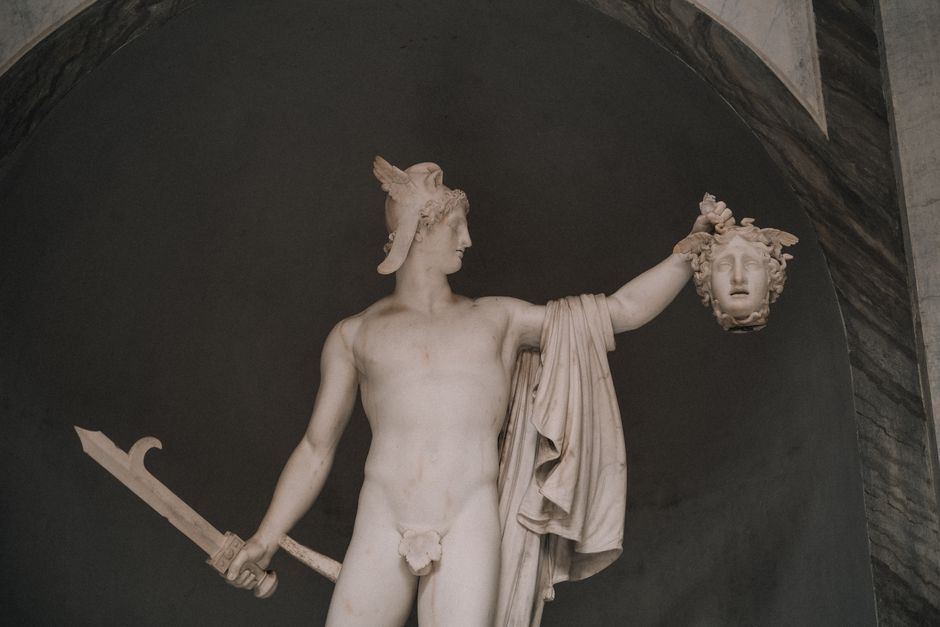
Few figures in Greek mythology capture the imagination quite like Medusa, the snake-haired Gorgon whose gaze could turn onlookers to stone. But why snakes? The ancient Greeks didn't choose this detail randomly. This curious transformation from beautiful maiden to monstrous creature reflects deep-seated cultural anxieties about female power, divine punishment, and the untamed forces of nature. The medusa myth greeks crafted reveals surprising truths about how ancient societies used storytelling to explain the unexplainable and control the uncontrollable.

The story you know today is actually a later Roman addition. The original Greek version told a different tale entirely, one that makes the symbolism of those serpentine locks even more interesting to explore.

Key Takeaways

  • Medusa was originally a beautiful mortal woman transformed into a monster as punishment in later versions of the myth
  • The earliest Greek sources depicted all three Gorgon sisters as monsters from birth, not cursed humans
  • Snakes represented both divine power and chthonic (underworld) forces in ancient Greek culture
  • The Roman poet Ovid added the transformation narrative around 8 CE, changing how we understand the story
  • Medusa's severed head retained its petrifying power and became a protective symbol called the Gorgoneion
  • Ancient Greeks associated snakes with regeneration due to their ability to shed skin

The Original Medusa Myth Greeks Told Was Different

In the earliest Greek sources, including works by Hesiod from around the 8th century BCE, Medusa and her sisters Stheno and Euryale were born as monstrous Gorgons. They weren't transformed. They simply existed as terrifying guardians at the edge of the known world. Only Medusa was mortal among the three, which explained why the hero Perseus could kill her while her sisters remained immortal threats.

The transformation story came much later. Ovid, writing in Roman times, reimagined Medusa as a beautiful priestess of Athena who caught the sea god Poseidon's attention. After Poseidon violated her in Athena's temple, the goddess punished Medusa by transforming her lovely hair into writhing serpents. This version adds a tragic dimension absent from earlier tellings, raising questions about justice and victimhood that ancient audiences would have recognized.

Why the change? Roman poets loved adding psychological depth and moral complexity to Greek myths. Ovid's version transformed a simple monster-slaying tale into a meditation on power, punishment, and the capricious nature of the gods.

Why Snakes Symbolized Divine Punishment and Power

The ancient Greeks didn't fear snakes the way many modern people do, but they certainly respected them. Serpents occupied a unique position in Greek religious thought, representing multiple contradictory concepts simultaneously.

Snakes were chthonic creatures, meaning they belonged to the earth and underworld. They emerged from cracks in the ground, seemingly from the realm of the dead itself. Many ancient sanctuaries kept sacred serpents that were believed to embody the spirits of heroes or connect worshippers to underworld deities. The famous Oracle at Delphi featured Python, a serpent slain by Apollo, whose spirit remained integral to the site's prophetic power.

At the same time, snakes represented regeneration and immortality. Their ability to shed their skin made them symbols of renewal and transformation. This dual nature—both deadly and life-renewing—made them perfect symbols for a creature like Medusa, who embodied beauty turned monstrous, life transformed into stone.

The Greeks also associated snakes with female deities and female power more broadly. The goddess Athena herself carried a snake on her aegis (protective shield). Giving Medusa snake hair linked her to divine feminine power while simultaneously marking that power as dangerous and uncontrolled.

The Gorgoneion: When Monster Becomes Protector

Here's a fascinating twist. After Perseus beheaded Medusa, her severed head didn't lose its power. It became the Gorgoneion, one of the most popular protective symbols in ancient Greece. People painted or carved Medusa's face on shields, buildings, coins, and jewelry to ward off evil.

The logic seems counterintuitive at first. Why would a terrifying monster's face protect you? The Greeks believed that the Gorgoneion worked through apotropaic magic—using something frightening to scare away other frightening things. Medusa's petrifying gaze, once a weapon against heroes, became a weapon against evil spirits, bad luck, and enemies.

Athena herself adopted Medusa's head, placing it on her aegis. The goddess who punished Medusa (in later versions) wore her image as armor. This complex relationship between victim and victor, monster and protector, reveals how Greek mythology rarely dealt in simple categories of good and evil.

Comparing Gorgon Sisters in Greek Mythology

Sister Status Distinguishing Feature Fate
Medusa Mortal Most famous; appears in transformation myth Killed by Perseus
Stheno Immortal Described as strongest of the three Survived; remained guardian
Euryale Immortal Known for her bellowing cry Survived; remained guardian

What Happened to Medusa's Blood

The Greeks extended Medusa's symbolism even beyond her death. According to myth, her blood possessed contradictory properties depending on which side of her body it came from. Blood from her left side was deadly poison. Blood from her right side could bring the dead back to life.

This dual nature mirrors the snake symbolism itself—both killer and healer, death and regeneration combined in one being. The physician-god Asclepius supposedly received some of Medusa's healing blood from Athena, which he used to resurrect the dead. This power eventually led to his own death, when Zeus struck him down for disrupting the natural order.

Even Medusa's offspring reflected this theme of beauty and monstrosity intertwined. When Perseus beheaded her, the winged horse Pegasus and the giant Chrysaor sprang from her neck, both fathered by Poseidon. From death came new life, from monster came wonder.

Frequently Asked Questions

Was Medusa born a monster or transformed into one?

In the earliest Greek sources, Medusa was born a Gorgon monster. The transformation story where she was punished for desecrating Athena's temple comes from the Roman poet Ovid, writing centuries later around 8 CE.

Could Medusa turn herself to stone by looking in a mirror?

The myths don't specifically address this, but Perseus used a polished shield as a mirror to avoid her direct gaze while beheading her. This suggests reflections didn't carry the same petrifying power as direct eye contact.

What happened to Medusa's head after Perseus used it?

Perseus gave Medusa's head to Athena, who placed it on her aegis (shield or breastplate). It retained its power to petrify and became a protective symbol called the Gorgoneion, widely used throughout ancient Greece.

Why was Medusa the only mortal Gorgon?

Greek myths don't explain why Medusa was mortal while her sisters were immortal. This detail primarily served the story's needs, allowing a hero to kill a Gorgon while maintaining that such creatures were nearly invincible.

The snake-haired Medusa endures in modern imagination precisely because she embodies so many contradictions. Beautiful and hideous, victim and villain, mortal and divine, her story continues to evolve with each retelling. Those writhing serpents crown a figure who refuses simple interpretation, making her as fascinating today as she was to the ancient Greeks who first gave her snakes for hair.