











1 / 10 Questions
0 Points
Points won
0
Correct score
0%

More Questions

The Truth About Why Humans Cannot Breathe and Swallow

Breathing swallowing simultaneously is impossible for humans due to our unique airway anatomy. Discover the evolutionary trade-off that gave us speech.

The Truth About Atlantis Based on Real Volcanic Eruption

The Atlantis myth may stem from a catastrophic volcanic eruption that destroyed an ancient civilization. Discover the geological evidence behind the

Why Flamingos Are Actually Born Gray Not Pink at Birth

Flamingo color changes from gray at birth to pink through their diet of algae and crustaceans. Discover the science behind their iconic transformation.

More Articles

What Causes Goosebumps: The Evolutionary Reflex Explained

What Causes Goosebumps: The Evolutionary Reflex Explained

What Causes Goosebumps: The Evolutionary Reflex Explained

By Trivia Owl, Staff Writer — Published September 11, 2026

Table of Contents

You're watching a thrilling movie scene, or perhaps you've just stepped into a cold room, and suddenly the tiny hairs on your arms stand up while your skin puckers into small bumps. What causes goosebumps, and why does this evolutionary reflex still trigger in modern humans? This fascinating bodily response is actually an ancient survival mechanism that once helped our furry ancestors stay warm and appear more intimidating to predators. Today, it's a curious reminder of our evolutionary past, activating in response to cold, fear, and even powerful emotional experiences like listening to beautiful music.

The scientific term for goosebumps is piloerection or horripilation, and the mechanism involves tiny muscles called arrector pili that contract around each hair follicle. When these muscles tighten, they pull the hair upright and create the characteristic bumpy appearance on your skin. This reflex is controlled by the sympathetic nervous system, the same system responsible for your fight-or-flight response.

Key Takeaways

  • Goosebumps are triggered by tiny arrector pili muscles contracting around hair follicles in response to cold, fear, or strong emotions.
  • This evolutionary reflex once helped our furrier ancestors trap insulating air and appear larger to threats, but provides minimal benefit to modern humans.
  • The same sympathetic nervous system that controls goosebumps also regulates heart rate, breathing, and other automatic survival responses.
  • Humans can experience goosebumps from emotional stimuli like music, art, or inspiring speeches, a phenomenon sometimes called aesthetic chills or frisson.
  • Many mammals still benefit from piloerection for warmth and intimidation, including cats that puff up when frightened and porcupines that raise their quills.
  • The reflex is entirely involuntary and cannot be consciously controlled, though certain thoughts or memories can trigger it.

What Causes Goosebumps: Evolutionary Origins and Facts

The evolutionary explanation for goosebumps becomes clear when you observe other mammals. When a cat encounters a threatening dog, it arches its back and its fur stands on end, making it appear significantly larger and more formidable. When you feel cold, a dog's thick coat puffs up, trapping a layer of warm air close to the skin for better insulation. These same mechanisms explain why humans still get goosebumps, even though we've lost most of our body hair through evolution.

Our distant ancestors were covered in much thicker body hair. When they felt cold, piloerection would fluff up this fur, creating an insulating layer of trapped air that helped maintain body temperature. When they encountered danger, the same reflex made them appear larger and more threatening to predators or rivals. As humans evolved and lost most of their body hair, the reflex remained hardwired into our nervous system, even though it no longer serves much practical purpose.

The arrector pili muscles are smooth muscles, meaning they operate automatically without conscious control, similar to the muscles in your digestive system or blood vessels. These tiny muscles are attached at an angle to each hair follicle. When your brain perceives cold or triggers a fear response, it sends signals through the sympathetic nervous system, causing these muscles to contract simultaneously across your body.

The Science Behind Cold-Induced Goosebumps

Temperature regulation is one of the primary triggers for goosebumps. When thermoreceptors in your skin detect a drop in temperature, they send signals to the hypothalamus, the brain region responsible for maintaining body temperature. The hypothalamus then activates various warming mechanisms, including shivering and piloerection.

In animals with thick fur, this response genuinely helps. Studies have shown that piloerection can increase the insulating properties of fur by up to 50 percent by trapping more air. But for humans with sparse body hair, the effect is negligible. You might get goosebumps when cold, but they won't actually keep you warmer. Your body has evolved other, more effective methods for temperature regulation, such as shivering, which generates heat through rapid muscle contractions, and vasoconstriction, which reduces blood flow to the skin to conserve core body heat.

Fear, Emotion, and the Goosebump Response

The connection between goosebumps and fear reveals the reflex's defensive origins. When you watch a horror movie or experience a sudden fright, your sympathetic nervous system activates immediately. This is the same system that increases your heart rate, dilates your pupils, and releases adrenaline. Goosebumps are part of this package of responses designed to prepare you for danger.

What's particularly interesting is that humans also experience goosebumps from positive emotional stimuli. Listening to a moving piece of music, witnessing an inspiring moment, or experiencing profound beauty can all trigger the same physical response. Researchers believe this happens because these experiences activate similar neural pathways in the brain's reward and emotional centers. Some scientists suggest that emotionally-triggered goosebumps may have evolved as a social bonding mechanism, helping our ancestors feel connected during group rituals, storytelling, or music-making.

Not everyone experiences emotional goosebumps with the same frequency. Research indicates that people who are more open to new experiences and who have stronger emotional responses to art and music tend to get goosebumps more often from aesthetic stimuli. The phenomenon appears to involve dopamine release and activation of the brain's reward circuitry.

Goosebumps Across the Animal Kingdom

Comparing piloerection across species reveals how this reflex serves different purposes depending on an animal's biology and behavior. The response remains highly functional in many mammals.

Animal Purpose of Piloerection Effectiveness
Cats Threat display and insulation Highly effective, can double apparent size
Porcupines Defense through quill erection Extremely effective deterrent
Dogs Temperature regulation and intimidation Effective for warmth and signaling
Humans Vestigial reflex with minimal function No practical benefit for warmth or defense
Hedgehogs Defense by raising spines Primary defense mechanism

Common Myths About Goosebumps

Several misconceptions surround this everyday phenomenon. One common myth suggests that goosebumps actually provide warmth to humans. While the reflex is triggered by cold, the sparse hair on human skin cannot trap enough air to provide meaningful insulation. Another misconception is that you can train yourself to control goosebumps voluntarily. Because the response is mediated by the autonomic nervous system, direct conscious control isn't possible, though you might trigger goosebumps indirectly by recalling emotional memories or imagining cold sensations.

Some people believe goosebumps indicate that someone is talking about you or that you're experiencing something supernatural. These are cultural superstitions without scientific basis. The real explanation involves measurable physiological processes in your nervous system and muscles.

Frequently Asked Questions

Why do I get goosebumps when I hear certain songs?

Music-induced goosebumps, called frisson, occur when emotionally powerful music activates your brain's reward centers and triggers the same sympathetic nervous system response as cold or fear. This response is more common in people with certain personality traits, particularly openness to experience.

Can you get goosebumps on your entire body?

Yes, goosebumps can occur anywhere you have hair follicles, which covers most of your body except your palms, soles, and lips. The response typically spreads across large areas simultaneously when triggered, though it may be more noticeable on your arms, legs, and neck.

Do all mammals get goosebumps?

Most mammals with fur exhibit piloerection, though the mechanism varies. Marine mammals like whales and dolphins, which have lost most body hair through evolution, do not display this reflex. Birds have a similar response called piloerection where they fluff their feathers for insulation.

Why are goosebumps sometimes called "gooseflesh"?

The term comes from the resemblance of bumpy human skin to the skin of a plucked goose or chicken. When a bird's feathers are removed, the skin shows raised bumps where the feather follicles are located, creating a similar appearance to human piloerection.

Every time you experience goosebumps, you're witnessing millions of years of evolution at work. This tiny reflex connects you to your ancient ancestors and to the countless mammals that still rely on piloerection for survival. Your body hasn't forgotten its evolutionary past, even if your conscious mind rarely thinks about it.
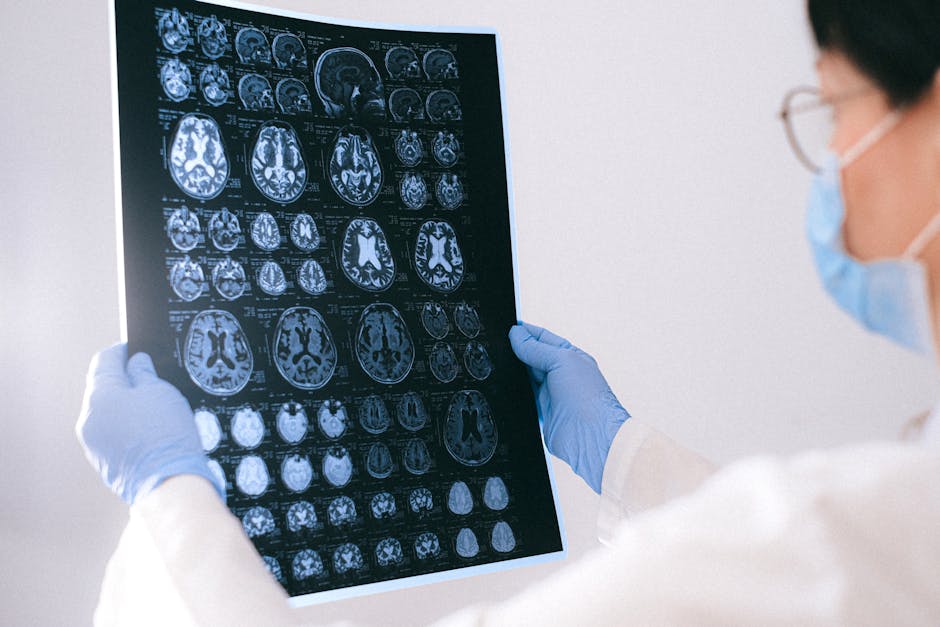
Top 10 Facts About Neuroscience

Top 10 Facts About Neuroscience

⏱️ 7 min read

Top 10 Facts About Neuroscience

Neuroscience stands as one of the most fascinating and rapidly evolving fields of scientific inquiry, dedicated to understanding the complex workings of the nervous system, particularly the brain. This multidisciplinary science combines biology, chemistry, physics, psychology, and computer science to unravel the mysteries of how our brains control behavior, thought, emotion, and consciousness. From groundbreaking discoveries about neural plasticity to revolutionary treatments for neurological disorders, neuroscience continues to reshape our understanding of what makes us human. The following ten facts highlight some of the most remarkable aspects of this captivating field.

1. The Brain Contains Approximately 86 Billion Neurons

For decades, scientists estimated that the human brain contained around 100 billion neurons, but more recent research using sophisticated counting techniques has refined this number to approximately 86 billion. Each of these neurons can form thousands of connections with other neurons, creating an intricate network of synapses that numbers in the hundreds of trillions. This extraordinary complexity enables the brain to process information, store memories, generate thoughts, and coordinate every function in the body. The sheer scale of neural connectivity far exceeds the number of stars in the Milky Way galaxy, making the human brain arguably the most complex structure known in the universe.

2. Neuroplasticity Allows the Brain to Reorganize Throughout Life

One of the most revolutionary discoveries in neuroscience has been the concept of neuroplasticity—the brain's remarkable ability to reorganize itself by forming new neural connections throughout life. Contrary to earlier beliefs that the adult brain was fixed and unchangeable, research has demonstrated that our brains continuously adapt in response to learning, experience, and even injury. This plasticity enables stroke victims to recover lost functions, musicians to develop enhanced auditory processing, and individuals to learn new skills at any age. Neuroplasticity forms the foundation for rehabilitation strategies, educational approaches, and our understanding of how experiences shape who we are.

3. The Brain Uses About 20% of the Body's Energy

Despite accounting for only about 2% of total body weight, the human brain consumes approximately 20% of the body's energy resources. This disproportionate energy demand reflects the intensive metabolic activity required to maintain neural function, transmit signals, and support the constant communication between billions of neurons. The brain's energy consumption remains relatively constant whether a person is solving complex mathematical problems or resting quietly, challenging the myth that thinking harder significantly increases brain energy use. This high energy requirement explains why adequate nutrition and blood flow are critical for optimal cognitive function.

4. Neurotransmitters Are Chemical Messengers That Control Everything

Neurotransmitters are specialized chemical messengers that transmit signals across synapses from one neuron to another, fundamentally controlling every aspect of human function. More than 100 different neurotransmitters have been identified, including well-known examples like dopamine, serotonin, acetylcholine, and gamma-aminobutyric acid (GABA). These chemicals regulate mood, motivation, attention, learning, movement, and countless other processes. Imbalances in neurotransmitter systems are implicated in numerous neurological and psychiatric conditions, including depression, Parkinson's disease, schizophrenia, and Alzheimer's disease. Many therapeutic medications work by modulating neurotransmitter activity to restore proper brain function.

5. The Blood-Brain Barrier Protects Neural Tissue

The blood-brain barrier represents a highly selective semipermeable border that separates circulating blood from the brain's extracellular fluid. This specialized barrier, formed by tightly packed endothelial cells, protects the delicate neural tissue from potentially harmful substances, pathogens, and fluctuations in blood composition while allowing essential nutrients, oxygen, and certain molecules to pass through. Understanding the blood-brain barrier has proven crucial for developing neurological treatments, as many drugs cannot cross this protective boundary. Researchers are now developing innovative methods to temporarily bypass or penetrate the barrier to deliver therapeutic agents directly to the brain.

6. Sleep Is Essential for Memory Consolidation and Brain Health

Neuroscience research has revealed that sleep is far from a passive state; it serves critical functions for brain health and cognitive performance. During sleep, the brain consolidates memories, transferring information from short-term to long-term storage and strengthening important neural connections while pruning less relevant ones. Sleep also facilitates the clearance of metabolic waste products from the brain through the glymphatic system, potentially reducing the risk of neurodegenerative diseases. Chronic sleep deprivation has been linked to impaired cognition, emotional dysregulation, and increased susceptibility to various neurological conditions, underscoring sleep's vital role in maintaining brain health.

7. Each Brain Hemisphere Has Specialized Functions

While the concept of being "left-brained" or "right-brained" is an oversimplification, neuroscience has confirmed that the brain's two hemispheres do exhibit functional specialization. The left hemisphere typically dominates language processing, analytical thinking, and sequential reasoning in most individuals, while the right hemisphere excels at spatial awareness, facial recognition, and processing emotional content. However, both hemispheres communicate extensively through the corpus callosum, a thick band of neural fibers, and most cognitive tasks involve coordinated activity across both sides of the brain. This lateralization of function represents an efficient organizational strategy that has evolved over millions of years.

8. Mirror Neurons Enable Learning Through Observation

The discovery of mirror neurons in the 1990s revolutionized understanding of social cognition and learning. These specialized neurons fire both when an individual performs an action and when they observe someone else performing the same action, essentially allowing the brain to simulate observed experiences. Mirror neurons are believed to play crucial roles in imitation, empathy, language acquisition, and understanding others' intentions. This neural mechanism helps explain how humans learn complex skills through observation and may contribute to our capacity for social connection and emotional resonance with others. Dysfunction in mirror neuron systems has been proposed as one factor in conditions affecting social cognition, such as autism spectrum disorders.

9. The Gut-Brain Axis Demonstrates Bidirectional Communication

Neuroscience has increasingly recognized the profound connection between the gut and the brain through what is known as the gut-brain axis. This bidirectional communication network involves neural, hormonal, and immunological signaling pathways, with the gut microbiome playing a surprisingly significant role in influencing brain function and mental health. The enteric nervous system, sometimes called the "second brain," contains approximately 500 million neurons embedded in the gut wall and produces many of the same neurotransmitters found in the brain. Research suggests that gut health can influence mood, stress responses, and even cognitive function, opening new avenues for treating psychiatric and neurological conditions through microbiome-targeted interventions.

10. Brain Imaging Technologies Have Revolutionized Neuroscience Research

The development of advanced brain imaging technologies has transformed neuroscience from a largely theoretical field into one capable of observing the living brain in action. Techniques such as functional magnetic resonance imaging (fMRI), positron emission tomography (PET), electroencephalography (EEG), and magnetoencephalography (MEG) allow researchers to visualize brain structure, measure neural activity, and map functional networks with unprecedented precision. These technologies have enabled groundbreaking discoveries about how different brain regions contribute to cognition, emotion, and behavior, while also improving diagnosis and treatment of neurological disorders. Ongoing advances in imaging resolution and analysis techniques continue to reveal new insights into brain function at scales ranging from individual neurons to large-scale networks.

Conclusion

These ten facts represent merely a glimpse into the vast and continually expanding field of neuroscience. From the staggering complexity of neural networks to the remarkable plasticity that allows our brains to adapt throughout life, neuroscience continues to reveal the extraordinary mechanisms underlying human thought, behavior, and consciousness. Understanding the brain's energy demands, chemical signaling systems, protective barriers, and connections with other body systems provides crucial insights for developing treatments for neurological and psychiatric disorders. As research technologies advance and interdisciplinary collaboration deepens, neuroscience promises to unlock even more secrets about the most complex organ in the human body, ultimately enhancing our ability to maintain brain health, treat disease, and understand the fundamental nature of human experience.