
Why Flamingos Are Actually Born Gray Not Pink at Birth
By Trivia Daily, Animals Desk — Published November 25, 2026
Table of Contents
- Key Takeaways
- Why Flamingos Are Actually Born Without Their Famous Color
- The Science Behind Flamingo Feather Color
- How Different Species Display Unique Shades
- The Parental Color Sacrifice
- What Happens to Captive Flamingos
- Frequently Asked Questions
When you picture a flamingo, you probably imagine a tall, elegant bird draped in brilliant shades of pink or coral. But here’s a fact that surprises most animal lovers: flamingos are actually born with gray or white downy feathers, not the vibrant pink plumage they’re famous for. These fascinating creatures develop their signature color over time through their diet, making them one of nature’s most remarkable examples of “you are what you eat.”
The transformation from drab gray chick to stunning pink adult takes months to years, depending on the species and habitat. This gradual color change reveals a fascinating story about animal behavior, dietary chemistry, and the unique biology that sets flamingos apart from nearly every other bird in the animal kingdom.
Key Takeaways
- Flamingo chicks hatch with gray or white feathers and only develop pink coloration as they mature and consume their natural diet.
- The pink color comes from carotenoid pigments found in algae, brine shrimp, and other small organisms that flamingos filter from the water.
- Different flamingo species display varying shades from pale pink to deep crimson depending on their specific diet and habitat.
- Captive flamingos can lose their color if not fed a diet supplemented with carotenoids, turning pale or even white.
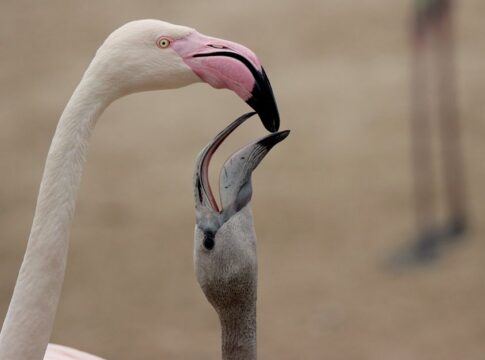
- Parent flamingos actually feed their chicks a nutrient-rich “crop milk” that’s bright red, causing adults to temporarily fade in color during breeding season.
- The same pigments responsible for flamingo coloration also make carrots orange and tomatoes red.
Why Flamingos Are Actually Born Without Their Famous Color
Baby flamingos emerge from their eggs looking nothing like their parents. These downy chicks sport fluffy gray or white feathers, straight beaks, and thick legs—a far cry from the curved pink bills and slender pink legs of adults. The reason is simple: they haven’t eaten anything yet.
Flamingos don’t produce pink pigment internally. Instead, they acquire it entirely from their food sources. In the wild, these wading birds spend hours each day filtering water through specialized beaks, trapping tiny organisms rich in carotenoids—the same family of pigments that give carrots their orange hue and salmon their distinctive pink flesh.
The process works through remarkable biology. When a flamingo consumes algae, diatoms, and small crustaceans like brine shrimp, the carotenoid molecules break down in the liver and are deposited in growing feathers, skin, and even the beak. Over time, usually between two and three years, juvenile flamingos gradually transition from gray to pink as these pigments accumulate in their bodies.
The Science Behind Flamingo Feather Color
The specific carotenoids responsible for flamingo coloration include beta-carotene, canthaxanthin, and astaxanthin. These organic compounds serve important functions beyond aesthetics in nature. In the wildlife that flamingos consume, carotenoids act as antioxidants and play roles in immune system health.
When flamingos metabolize these pigments, the molecules become integrated into the keratin structure of their feathers during the molting process. Each time a flamingo grows new feathers, the carotenoids consumed in recent months determine the intensity of coloration. A well-fed flamingo in a carotenoid-rich habitat will display deeper, more vibrant pink or red tones. Birds with limited access to these food sources remain paler.
The intensity of color also serves as a signal in flamingo behavior. Brighter birds are often healthier and better fed, making them more attractive mates. During breeding season, flamingos with the most vivid plumage tend to have greater reproductive success, as their coloration advertises their ability to find quality food sources.
How Different Species Display Unique Shades
Not all flamingos turn the same shade of pink. The six flamingo species found across different continents exhibit a range of colors based on their specific diets and habitats.
| Species | Color Range | Primary Habitat |
|---|---|---|
| Greater Flamingo | Pale pink to white with pink accents | Africa, Asia, Southern Europe |
| Caribbean Flamingo | Bright coral-pink to red | Caribbean, Central America |
| Chilean Flamingo | Pale pink with bright pink joints | South America |
| Andean Flamingo | Pale pink to white with yellow legs | High Andes mountains |
| James’s Flamingo | Pale pink with red joints | High Andes mountains |
| Lesser Flamingo | Deep pink to crimson | Africa, India |
The Lesser Flamingo often displays the most intense coloration because its diet consists almost entirely of cyanobacteria (blue-green algae), which are particularly rich in carotenoids. Caribbean Flamingos also show vibrant hues due to the abundance of carotenoid-rich crustaceans in their tropical wetland habitats.
The Parental Color Sacrifice
One of the most touching aspects of flamingo behavior involves the color sacrifice parents make for their young. Adult flamingos produce a secretion called crop milk—a highly nutritious substance created in their digestive tract to feed their chicks. This milk is bright red due to its high concentration of carotenoids and other nutrients.
Both male and female flamingos produce this crop milk, regurgitating it to feed their single chick for the first few months of life. The cost? Parent birds visibly fade in color during the breeding season as they transfer precious carotenoids to their offspring. By the time their chick is ready to feed independently, the parents may appear noticeably paler, having literally given their color to ensure their chick’s survival and health.
What Happens to Captive Flamingos
Zoos and wildlife facilities face an interesting challenge in maintaining flamingo coloration. Without their natural diet of carotenoid-rich organisms, captive flamingos would gradually molt into white or pale gray birds. To prevent this, animal care specialists supplement flamingo diets with foods containing natural or synthetic carotenoids.
Common supplements include spirulina (a type of algae), shrimp, krill, and specially formulated pellets enriched with carotenoid pigments. Some facilities even use carrot extract or red peppers as natural color sources. These dietary additions ensure that captive flamingos maintain the vibrant appearance that makes them such popular animals in zoo collections worldwide.
Frequently Asked Questions
How long does it take for a baby flamingo to turn pink?
Baby flamingos typically begin showing pink coloration within a few months of hatching, but it takes approximately two to three years for them to develop the full, vibrant plumage of an adult bird. The exact timeline depends on the species and the availability of carotenoid-rich food sources in their environment.
Can flamingos lose their pink color?
Yes, flamingos can lose their pink coloration if they don’t consume enough carotenoids in their diet. This can happen to captive birds not given proper supplements, or to wild birds in habitats where food sources become depleted. The color fades gradually as they molt and grow new feathers without sufficient pigment.
Are there any other animals that get their color from food?
Several animals derive their coloration from dietary sources. Salmon and trout get their pink flesh from eating krill and other crustaceans. Some canaries turn more orange when fed red peppers. Even some species of spiders and insects display colors influenced by the pigments in their prey.
What do baby flamingos eat?
For their first two to three months, baby flamingos feed exclusively on crop milk produced by both parents. After this period, they begin learning to filter-feed like adults, gradually consuming algae, diatoms, and small crustaceans while still receiving occasional crop milk feedings until they’re fully independent.
The next time you see a flamingo’s brilliant plumage, remember that every shade of pink tells a story of countless meals filtered from the water. These remarkable creatures literally wear their diet on their feathers, transforming from gray chicks into some of the most recognizable birds on Earth—one tiny shrimp at a time.