






⏱️ 7 min read
Top 10 Largest Deserts
Introduction
Deserts are among Earth's most fascinating and extreme environments, covering approximately one-third of the planet's land surface. These arid regions are characterized by minimal precipitation, sparse vegetation, and dramatic temperature fluctuations. While many people envision endless sand dunes when thinking of deserts, these vast landscapes vary tremendously in appearance, climate, and ecosystem composition. From the frozen expanses of Antarctica to the scorching sands of the Sahara, the world's largest deserts represent some of the most inhospitable yet biologically significant regions on Earth. This article explores the top ten largest deserts in the world, ranked by their total area, revealing the remarkable diversity and ecological importance of these seemingly barren landscapes.
The World's Ten Largest Deserts
1. Antarctic Desert (5.5 Million Square Miles)
The Antarctic Desert holds the distinction of being the world's largest desert, covering approximately 5.5 million square miles. This polar desert challenges conventional perceptions of what constitutes a desert, as it is covered almost entirely in ice. However, the technical definition of a desert focuses on precipitation levels rather than temperature or landscape appearance. Antarctica receives less than two inches of precipitation annually in most areas, making it the driest continent on Earth. Despite its frozen state, the Antarctic Desert supports minimal life forms, including specialized microorganisms, mosses, lichens, and several species of penguins and seals along its coastal regions. The extreme cold, with temperatures dropping below -130°F, combined with fierce winds, creates one of the most inhospitable environments on the planet.
2. Arctic Desert (5.4 Million Square Miles)
Ranking as the second-largest desert globally, the Arctic Desert spans approximately 5.4 million square miles across multiple countries, including parts of Alaska, Canada, Greenland, Iceland, Norway, Sweden, Finland, and Russia. Like Antarctica, this polar desert is defined by its extremely low precipitation levels rather than heat. The Arctic Desert experiences long, dark winters and brief summers when the sun barely sets. Despite harsh conditions, this desert supports more biodiversity than Antarctica, including polar bears, arctic foxes, caribou, musk oxen, and various migratory bird species. The fragile ecosystem faces significant threats from climate change, with rising temperatures causing unprecedented ice melt and habitat disruption.
3. Sahara Desert (3.6 Million Square Miles)
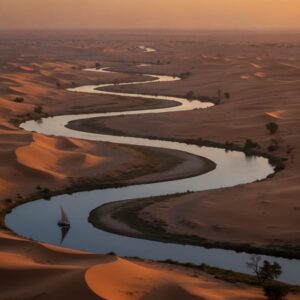
The Sahara Desert is the world's largest hot desert and third-largest desert overall, covering approximately 3.6 million square miles across North Africa. Spanning eleven countries, including Egypt, Libya, Algeria, Morocco, Tunisia, Chad, Niger, Mali, Mauritania, Sudan, and parts of Eritrea, the Sahara represents the archetypal desert in popular imagination. The landscape features vast sand dunes (ergs), rocky plateaus (hamadas), gravel plains (regs), and occasional oases. Temperatures can exceed 120°F during summer days while dropping dramatically at night. Despite extreme conditions, the Sahara hosts adapted wildlife including fennec foxes, dromedary camels, addax antelopes, and various reptile species. Ancient human civilizations thrived along its edges, and nomadic peoples continue traditional lifestyles within its boundaries.
4. Arabian Desert (1 Million Square Miles)
The Arabian Desert covers approximately one million square miles across the Arabian Peninsula, encompassing parts of Saudi Arabia, Yemen, Oman, United Arab Emirates, Kuwait, Qatar, and Jordan. This desert features the Rub' al Khali, or "Empty Quarter," which represents the largest continuous sand desert in the world. Extreme aridity characterizes the region, with some areas receiving no rainfall for years. Summer temperatures regularly exceed 120°F, while winter nights can bring frost. The desert supports specially adapted species including Arabian oryx, sand gazelles, Arabian wolves, and numerous reptile species. The region holds immense geological significance due to its vast petroleum reserves, which have dramatically influenced global economics and regional development.
5. Gobi Desert (500,000 Square Miles)
Stretching across northern China and southern Mongolia, the Gobi Desert covers approximately 500,000 square miles. Unlike stereotypical sandy deserts, the Gobi consists primarily of bare rock and features dramatic temperature extremes, ranging from -40°F in winter to over 110°F in summer. The desert sits at a relatively high elevation, between 3,000 and 5,000 feet above sea level. The Gobi holds tremendous paleontological significance, with numerous dinosaur fossils and eggs discovered within its boundaries. Wildlife includes Bactrian camels, Gobi bears, snow leopards, Mongolian wild horses, and various gazelle species. The desert continues expanding southward due to desertification, threatening agricultural lands and communities.
6. Kalahari Desert (360,000 Square Miles)
The Kalahari Desert spans approximately 360,000 square miles across Botswana, Namibia, and South Africa. Unlike true deserts, the Kalahari is technically a semi-arid sandy savanna, receiving more rainfall than typical deserts during the wet season. This precipitation supports greater biodiversity than most desert environments, with grasslands and acacia trees dotting the landscape. The region hosts impressive wildlife populations, including lions, cheetahs, leopards, hyenas, elephants, giraffes, various antelope species, and the famous black-maned Kalahari lions. The indigenous San people have inhabited the Kalahari for thousands of years, demonstrating remarkable adaptation to this challenging environment through sophisticated knowledge of water sources and edible plants.
7. Patagonian Desert (260,000 Square Miles)
Located in southern Argentina and extending into Chile, the Patagonian Desert covers approximately 260,000 square miles, making it the largest desert in the Americas. This cold winter desert experiences strong winds, with precipitation blocked by the Andes Mountains creating a rain shadow effect. The landscape features rocky plateaus, scrubland, and grasslands rather than sand dunes. Temperatures remain relatively cool year-round, with cold winters and mild summers. The desert supports unique wildlife including guanacos, rheas, Patagonian maras, pumas, and Patagonian foxes. The region attracts scientists studying climate patterns and geologists examining ancient geological formations exposed by minimal vegetation and erosion.
8. Great Victoria Desert (220,000 Square Miles)
Australia's largest desert, the Great Victoria Desert, spans approximately 220,000 square miles across Western Australia and South Australia. The landscape consists of sand dunes, grasslands, and salt lakes, with summer temperatures frequently exceeding 104°F. Despite harsh conditions, the desert harbors surprising biodiversity, including marsupials like red kangaroos and southern marsupial moles, plus numerous reptile species and over 100 bird species. Aboriginal peoples have inhabited the region for thousands of years, maintaining deep cultural and spiritual connections to the land. The desert contains several conservation reserves protecting endangered species and ecosystems.
9. Syrian Desert (200,000 Square Miles)
The Syrian Desert covers approximately 200,000 square miles across Syria, Jordan, Iraq, and Saudi Arabia. This desert consists primarily of rocky terrain and gravel plains rather than sand dunes. The region experiences hot, dry summers and cool winters with minimal precipitation. Historically significant, the Syrian Desert has witnessed the rise and fall of numerous civilizations, with ancient trade routes crossing its expanse. Wildlife includes Arabian wolves, striped hyenas, sand cats, and various gazelle species, though many populations have declined significantly due to human activities. The desert's sparse vegetation consists mainly of drought-resistant shrubs and grasses.
10. Great Basin Desert (190,000 Square Miles)
The Great Basin Desert spans approximately 190,000 square miles across Nevada, Utah, California, Idaho, Oregon, and Wyoming in the United States. As North America's largest cold winter desert, it experiences significant temperature variations, with hot summers and cold, snowy winters. The desert sits at high elevation between mountain ranges, creating a unique ecosystem characterized by sagebrush, salt flats, and isolated mountain ranges. The region supports diverse wildlife including pronghorn antelope, coyotes, kit foxes, golden eagles, and sage grouse. Ancient Lake Bonneville once covered much of this area, leaving behind salt flats like the famous Bonneville Salt Flats. The desert holds archaeological significance with evidence of human habitation dating back over 10,000 years.
Conclusion
The world's ten largest deserts demonstrate the remarkable diversity of Earth's arid regions, from frozen polar expanses to scorching sand seas. These vast landscapes, covering millions of square miles collectively, play crucial roles in global climate regulation, harbor unique and specially adapted ecosystems, and preserve important geological and archaeological records. While often perceived as lifeless wastelands, these deserts support surprising biodiversity and have sustained human populations for millennia. Understanding these environments becomes increasingly important as climate change, desertification, and human activities continue transforming these fragile ecosystems. The largest deserts remind us of nature's extremes and the remarkable resilience of life adapting to Earth's most challenging conditions.