







1 / 10 Questions
0 Points

What Shakespeare character says 'To be or not to be'?

Hamlet

Macbeth

Romeo

Othello

Points won
0
Correct score
0%

More Questions

What Shakespeare character says ‘To be or not to be’?

What Shakespeare character says 'To be or not to be'? Question 1: What Shakespeare character says 'To be or not to be'? A. Hamlet B. Macbeth C. Romeo D....

Which Mail Service Ended When The Telegraph Reached California?

Which Mail Service Ended When The Telegraph Reached California? Question 1: Which Mail Service Ended When The Telegraph Reached California? A. Pony Express B. Butterfield Overland Mail C....

Which Unusual Color Hides Inside A Giraffe’s Mouth?

Which Unusual Color Hides Inside A Giraffe's Mouth? Question 1: Which Unusual Color Hides Inside A Giraffe's Mouth? A. Gray B. Blue-black C. Red D. Pink Explanation: Giraffes have blue-black...

More Articles

Top 10 Largest Deserts

Top 10 Largest Deserts

⏱️ 7 min read

Top 10 Largest Deserts

Introduction

Deserts are among Earth's most fascinating and extreme environments, covering approximately one-third of the planet's land surface. These arid regions are characterized by minimal precipitation, sparse vegetation, and dramatic temperature fluctuations. While many people envision endless sand dunes when thinking of deserts, these vast landscapes vary tremendously in appearance, climate, and ecosystem composition. From the frozen expanses of Antarctica to the scorching sands of the Sahara, the world's largest deserts represent some of the most inhospitable yet biologically significant regions on Earth. This article explores the top ten largest deserts in the world, ranked by their total area, revealing the remarkable diversity and ecological importance of these seemingly barren landscapes.

The World's Ten Largest Deserts

1. Antarctic Desert (5.5 Million Square Miles)

The Antarctic Desert holds the distinction of being the world's largest desert, covering approximately 5.5 million square miles. This polar desert challenges conventional perceptions of what constitutes a desert, as it is covered almost entirely in ice. However, the technical definition of a desert focuses on precipitation levels rather than temperature or landscape appearance. Antarctica receives less than two inches of precipitation annually in most areas, making it the driest continent on Earth. Despite its frozen state, the Antarctic Desert supports minimal life forms, including specialized microorganisms, mosses, lichens, and several species of penguins and seals along its coastal regions. The extreme cold, with temperatures dropping below -130°F, combined with fierce winds, creates one of the most inhospitable environments on the planet.

2. Arctic Desert (5.4 Million Square Miles)

Ranking as the second-largest desert globally, the Arctic Desert spans approximately 5.4 million square miles across multiple countries, including parts of Alaska, Canada, Greenland, Iceland, Norway, Sweden, Finland, and Russia. Like Antarctica, this polar desert is defined by its extremely low precipitation levels rather than heat. The Arctic Desert experiences long, dark winters and brief summers when the sun barely sets. Despite harsh conditions, this desert supports more biodiversity than Antarctica, including polar bears, arctic foxes, caribou, musk oxen, and various migratory bird species. The fragile ecosystem faces significant threats from climate change, with rising temperatures causing unprecedented ice melt and habitat disruption.

3. Sahara Desert (3.6 Million Square Miles)

The Sahara Desert is the world's largest hot desert and third-largest desert overall, covering approximately 3.6 million square miles across North Africa. Spanning eleven countries, including Egypt, Libya, Algeria, Morocco, Tunisia, Chad, Niger, Mali, Mauritania, Sudan, and parts of Eritrea, the Sahara represents the archetypal desert in popular imagination. The landscape features vast sand dunes (ergs), rocky plateaus (hamadas), gravel plains (regs), and occasional oases. Temperatures can exceed 120°F during summer days while dropping dramatically at night. Despite extreme conditions, the Sahara hosts adapted wildlife including fennec foxes, dromedary camels, addax antelopes, and various reptile species. Ancient human civilizations thrived along its edges, and nomadic peoples continue traditional lifestyles within its boundaries.

4. Arabian Desert (1 Million Square Miles)

The Arabian Desert covers approximately one million square miles across the Arabian Peninsula, encompassing parts of Saudi Arabia, Yemen, Oman, United Arab Emirates, Kuwait, Qatar, and Jordan. This desert features the Rub' al Khali, or "Empty Quarter," which represents the largest continuous sand desert in the world. Extreme aridity characterizes the region, with some areas receiving no rainfall for years. Summer temperatures regularly exceed 120°F, while winter nights can bring frost. The desert supports specially adapted species including Arabian oryx, sand gazelles, Arabian wolves, and numerous reptile species. The region holds immense geological significance due to its vast petroleum reserves, which have dramatically influenced global economics and regional development.

5. Gobi Desert (500,000 Square Miles)

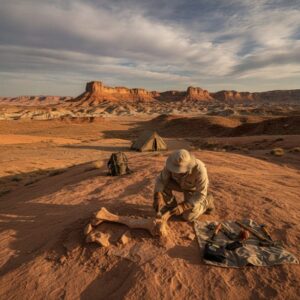
Stretching across northern China and southern Mongolia, the Gobi Desert covers approximately 500,000 square miles. Unlike stereotypical sandy deserts, the Gobi consists primarily of bare rock and features dramatic temperature extremes, ranging from -40°F in winter to over 110°F in summer. The desert sits at a relatively high elevation, between 3,000 and 5,000 feet above sea level. The Gobi holds tremendous paleontological significance, with numerous dinosaur fossils and eggs discovered within its boundaries. Wildlife includes Bactrian camels, Gobi bears, snow leopards, Mongolian wild horses, and various gazelle species. The desert continues expanding southward due to desertification, threatening agricultural lands and communities.

6. Kalahari Desert (360,000 Square Miles)

The Kalahari Desert spans approximately 360,000 square miles across Botswana, Namibia, and South Africa. Unlike true deserts, the Kalahari is technically a semi-arid sandy savanna, receiving more rainfall than typical deserts during the wet season. This precipitation supports greater biodiversity than most desert environments, with grasslands and acacia trees dotting the landscape. The region hosts impressive wildlife populations, including lions, cheetahs, leopards, hyenas, elephants, giraffes, various antelope species, and the famous black-maned Kalahari lions. The indigenous San people have inhabited the Kalahari for thousands of years, demonstrating remarkable adaptation to this challenging environment through sophisticated knowledge of water sources and edible plants.

7. Patagonian Desert (260,000 Square Miles)

Located in southern Argentina and extending into Chile, the Patagonian Desert covers approximately 260,000 square miles, making it the largest desert in the Americas. This cold winter desert experiences strong winds, with precipitation blocked by the Andes Mountains creating a rain shadow effect. The landscape features rocky plateaus, scrubland, and grasslands rather than sand dunes. Temperatures remain relatively cool year-round, with cold winters and mild summers. The desert supports unique wildlife including guanacos, rheas, Patagonian maras, pumas, and Patagonian foxes. The region attracts scientists studying climate patterns and geologists examining ancient geological formations exposed by minimal vegetation and erosion.

8. Great Victoria Desert (220,000 Square Miles)

Australia's largest desert, the Great Victoria Desert, spans approximately 220,000 square miles across Western Australia and South Australia. The landscape consists of sand dunes, grasslands, and salt lakes, with summer temperatures frequently exceeding 104°F. Despite harsh conditions, the desert harbors surprising biodiversity, including marsupials like red kangaroos and southern marsupial moles, plus numerous reptile species and over 100 bird species. Aboriginal peoples have inhabited the region for thousands of years, maintaining deep cultural and spiritual connections to the land. The desert contains several conservation reserves protecting endangered species and ecosystems.

9. Syrian Desert (200,000 Square Miles)

The Syrian Desert covers approximately 200,000 square miles across Syria, Jordan, Iraq, and Saudi Arabia. This desert consists primarily of rocky terrain and gravel plains rather than sand dunes. The region experiences hot, dry summers and cool winters with minimal precipitation. Historically significant, the Syrian Desert has witnessed the rise and fall of numerous civilizations, with ancient trade routes crossing its expanse. Wildlife includes Arabian wolves, striped hyenas, sand cats, and various gazelle species, though many populations have declined significantly due to human activities. The desert's sparse vegetation consists mainly of drought-resistant shrubs and grasses.

10. Great Basin Desert (190,000 Square Miles)

The Great Basin Desert spans approximately 190,000 square miles across Nevada, Utah, California, Idaho, Oregon, and Wyoming in the United States. As North America's largest cold winter desert, it experiences significant temperature variations, with hot summers and cold, snowy winters. The desert sits at high elevation between mountain ranges, creating a unique ecosystem characterized by sagebrush, salt flats, and isolated mountain ranges. The region supports diverse wildlife including pronghorn antelope, coyotes, kit foxes, golden eagles, and sage grouse. Ancient Lake Bonneville once covered much of this area, leaving behind salt flats like the famous Bonneville Salt Flats. The desert holds archaeological significance with evidence of human habitation dating back over 10,000 years.

Conclusion

The world's ten largest deserts demonstrate the remarkable diversity of Earth's arid regions, from frozen polar expanses to scorching sand seas. These vast landscapes, covering millions of square miles collectively, play crucial roles in global climate regulation, harbor unique and specially adapted ecosystems, and preserve important geological and archaeological records. While often perceived as lifeless wastelands, these deserts support surprising biodiversity and have sustained human populations for millennia. Understanding these environments becomes increasingly important as climate change, desertification, and human activities continue transforming these fragile ecosystems. The largest deserts remind us of nature's extremes and the remarkable resilience of life adapting to Earth's most challenging conditions.
Top 10 Tallest Trees in the World

Top 10 Tallest Trees in the World

⏱️ 7 min read

Top 10 Tallest Trees in the World

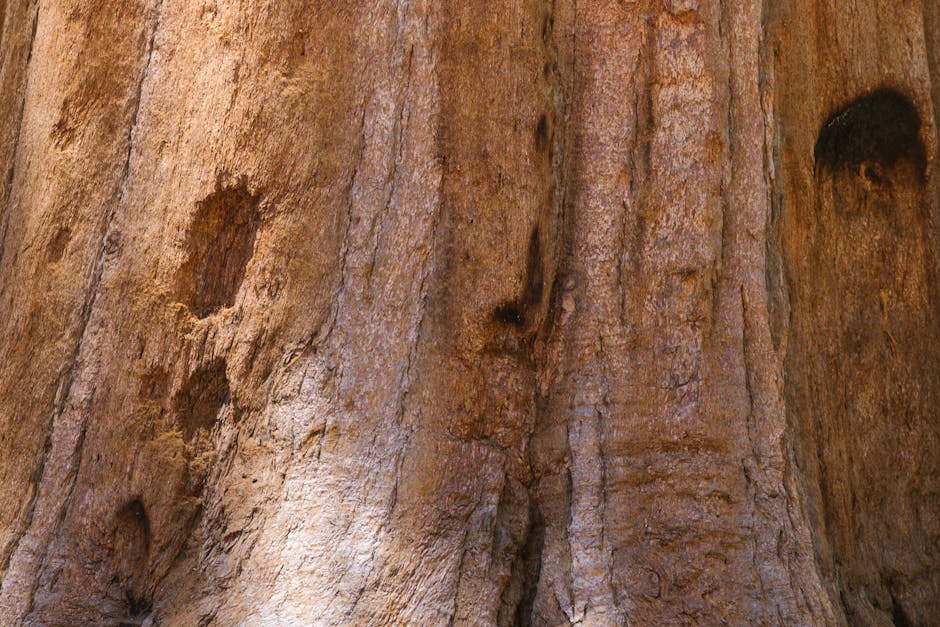
Throughout history, humanity has been captivated by the sheer magnitude of the natural world, and few living organisms inspire more awe than the tallest trees on Earth. These botanical giants represent centuries of growth, resilience, and the remarkable ability of nature to reach seemingly impossible heights. While many people assume that the tallest trees are scattered across different continents, the reality is that most of these record-breaking specimens belong to a single species and call one particular region home. This article explores the ten tallest known trees in the world, their impressive measurements, and the fascinating facts that make each one unique in the pantheon of arboreal achievement.

1. Hyperion – The Undisputed Champion

Standing at an astounding height of 380.3 feet (115.92 meters), Hyperion holds the title as the tallest known living tree on Earth. Discovered in 2006 by naturalists Chris Atkins and Michael Taylor in a remote area of Redwood National Park, California, this coastal redwood (Sequoia sempervirens) has been growing for an estimated 600 to 800 years. What makes Hyperion even more remarkable is that despite its record-breaking height, it isn't even growing in ideal conditions. Scientists believe that if a woodpecker hadn't damaged its top, the tree could have grown even taller. The exact location of Hyperion is kept secret by park officials to protect it from excessive human traffic that could damage its delicate root system.

2. Helios – The Sun-Named Giant

Helios, appropriately named after the Greek sun god, reaches an impressive 374.3 feet (114.1 meters) into the California sky. Also located in Redwood National Park, this coastal redwood was discovered in 2006 during the same expedition that found Hyperion. Before Hyperion's discovery, Helios briefly held the title of world's tallest tree. The tree's canopy receives abundant sunlight, which may have contributed to its exceptional growth. Like its taller neighbor, the precise location of Helios remains undisclosed to preserve its natural environment and prevent soil compaction from visitors that could threaten its health.

3. Icarus – Nearly Touching the Sky

Named after the Greek mythological figure who flew too close to the sun, Icarus stands at 371.2 feet (113.1 meters) tall. This coastal redwood was identified in the same 2006 survey that revealed Hyperion and Helios. The tree is located in a canyon within Redwood National Park, where it benefits from the coastal fog that provides essential moisture during California's dry summers. Icarus demonstrates the perfect combination of genetic potential and environmental conditions necessary for achieving such extraordinary height. The tree's diameter at breast height measures approximately 12.4 feet, showcasing the massive girth needed to support such tremendous vertical growth.

4. Stratosphere Giant – The Atmospheric Titan

The Stratosphere Giant reaches an elevation of 370.5 feet (112.9 meters) and held the record as the world's tallest tree from its discovery in 2000 until 2006, when Hyperion claimed the title. Located in Humboldt Redwoods State Park in California, this coastal redwood was measured by researcher Michael Taylor. The tree earned its name from its ability to pierce into the atmospheric layer high above the forest floor. The Stratosphere Giant grows in Rockefeller Forest, which contains some of the most pristine old-growth redwood habitat remaining in the world. Its location in a protected grove has allowed it to thrive without the threats of logging or development.

5. Orion – The Hunter in the Forest

Orion, named after the prominent constellation and mythological hunter, measures 369.9 feet (112.7 meters) in height. This coastal redwood was discovered in Redwood National Park and represents another example of the extraordinary growing conditions found in California's northern coastal forests. Orion's trunk diameter exceeds 13 feet, providing the structural integrity necessary to support its massive height against Pacific storms and winds. The tree likely germinated sometime in the 1200s or 1300s, meaning it has witnessed centuries of human history while silently growing in its forest sanctuary.

6. Lauralyn – A Personal Dedication

Standing at 369.2 feet (112.5 meters), Lauralyn is unique among the tallest trees for being named after a real person rather than mythological figures or atmospheric phenomena. This coastal redwood grows in Humboldt Redwoods State Park and was named by its discoverer in honor of someone significant in their life. Lauralyn showcases the characteristic straight trunk and narrow crown typical of the tallest redwoods, which concentrate their energy on vertical rather than lateral growth. The tree's age is estimated at 1,000 to 1,500 years, making it not only one of the tallest but also one of the oldest living organisms on the planet.

7. Rockefeller – Industrial Legacy

Rockefeller measures 368.6 feet (112.3 meters) and is located in Humboldt Redwoods State Park's Rockefeller Forest, named after conservationist Laurance Rockefeller whose family foundation helped preserve this magnificent grove. This coastal redwood benefits from the protection afforded by its location in one of the largest remaining old-growth redwood forests. The Rockefeller tree demonstrates how conservation efforts have been crucial in preserving these natural wonders. Without the establishment of protected parks and forests, many of these record-breaking trees would have been lost to the logging industry that decimated 95 percent of old-growth redwood forests.

8. Paradox – Defying Expectations

Paradox reaches 368.4 feet (112.2 meters) toward the sky and earns its name from the seemingly paradoxical nature of such massive organisms achieving such heights while relying on passive water transport systems. Located in Humboldt Redwoods State Park, this coastal redwood challenges our understanding of plant physiology. Scientists studying trees like Paradox have discovered that redwoods can absorb moisture directly through their needles from coastal fog, supplementing the water transported from their roots and enabling them to overcome the typical height limitations that affect most tree species. This adaptation is crucial for survival at such extreme heights.

9. Mendocino – The Former Champion

Currently standing at 367.5 feet (112 meters), Mendocino held the title of world's tallest tree from 1996 to 2000. Located in Montgomery Woods State Natural Reserve in Mendocino County, California, this coastal redwood is easily accessible compared to other record holders, though visitors are still encouraged to observe it respectfully from designated trails. What makes Mendocino particularly interesting is that it has actually lost height over the years due to lightning strikes and natural die-back at its crown. This serves as a reminder that even these giants are subject to the forces of nature and that height records can change over time through both growth and attrition.

10. Centurion – Southern Hemisphere Giant

Breaking the California coastal redwood monopoly, Centurion stands at 327.5 feet (99.8 meters) and holds the distinction of being the tallest known tree outside of North America and the tallest flowering plant in the world. This Eucalyptus regnans, also known as a mountain ash or swamp gum, grows in Tasmania, Australia. Discovered in 2008 by laser-equipped aircraft surveying the forest canopy, Centurion represents a different evolutionary approach to extreme height. While younger than the ancient redwoods at approximately 400 years old, eucalyptus trees grow much faster but typically don't live as long. Centurion's presence on this list demonstrates that the drive to reach extreme heights has evolved independently in different tree species across the globe.

Conclusion

The ten tallest trees in the world represent extraordinary achievements of biological engineering and environmental adaptation. Nine of these giants are coastal redwoods growing in the unique conditions of California's northern coast, where moderate temperatures, abundant rainfall, coastal fog, and protection from fire have enabled these trees to reach unprecedented heights. The inclusion of Centurion, the Tasmanian eucalyptus, reminds us that nature's capacity for grandeur exists across continents. These living skyscrapers serve as humbling reminders of nature's power and the importance of conservation efforts. Each of these trees has survived centuries of environmental challenges, from storms and droughts to the threat of human exploitation. As climate change and human activity continue to impact forest ecosystems worldwide, protecting these magnificent specimens and their habitats becomes increasingly critical. These trees are not merely record holders; they are irreplaceable natural treasures that connect us to the ancient past and inspire us to preserve the natural world for future generations.