
1 / 10 Questions
0 Points

What Kitchen Tool Has Small Holes For Creating Cheese Shreds?

Zester

Sifter

Colander

Grater

Points won
0
Correct score
0%

More Questions

Why Do Quarters Have Ridges Around The Edge?

Why Do Quarters Have Ridges Around The Edge? Question 1: Why Do Quarters Have Ridges Around The Edge? A. Help blind identification B. Improve grip C. Prevent coin...

The Truth About Bananas: Are They Really Going Extinct

Banana extinction threatens the world's most popular fruit due to disease and monoculture farming. Learn what scientists are doing to save them.

9 Bizarre Facts About Octopuses Having Three Hearts

Octopus hearts work in a trio to pump blue blood through their bodies. Discover how this three-heart system powers one of the ocean's strangest creatures.

More Articles

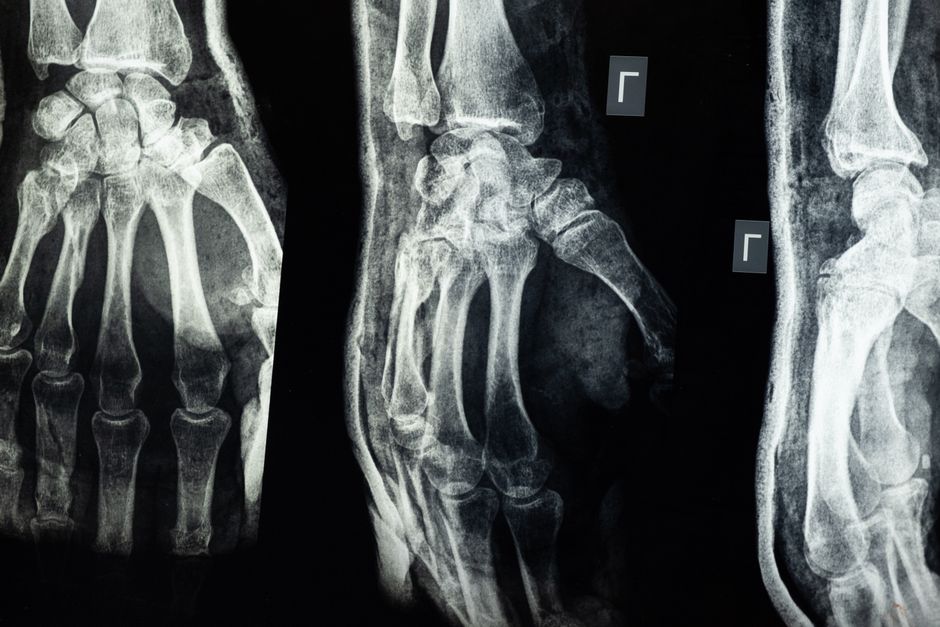
Top 10 Secrets About Bone Density

Top 10 Secrets About Bone Density

⏱️ 7 min read

Top 10 Secrets About Bone Density

Bone density is a critical aspect of overall health that often goes unnoticed until problems arise. While many people understand the basics of bone health, numerous lesser-known facts about bone density can significantly impact prevention, diagnosis, and treatment strategies. Understanding these secrets can empower individuals to make informed decisions about their skeletal health throughout their lifetime. Here are ten essential secrets about bone density that everyone should know.

1. Peak Bone Mass Occurs Earlier Than Most People Think

Contrary to popular belief, humans reach their peak bone mass much earlier in life than commonly assumed. Most individuals achieve maximum bone density by their late twenties or early thirties, with some reaching it as early as age 25. This critical window means that building strong bones during childhood, adolescence, and early adulthood is essential for lifelong skeletal health. After reaching peak bone mass, the body begins a gradual process of bone loss that accelerates with age, making those early years crucial for establishing a robust skeletal foundation that will last throughout life.

2. Bone Density is Not the Only Measure of Bone Strength

While bone density tests are the gold standard for assessing skeletal health, they don't tell the complete story. Bone quality, which includes factors like bone architecture, mineralization, and the presence of microdamage, plays an equally important role in determining fracture risk. Two individuals with identical bone density measurements may have vastly different fracture risks due to variations in bone quality. This secret highlights why some people with osteopenia or even osteoporosis never experience fractures, while others with seemingly adequate bone density may be more susceptible to breaks.

3. Exercise Must Be Weight-Bearing to Significantly Impact Bone Density

Not all exercise is created equal when it comes to building and maintaining bone density. While cardiovascular exercise is excellent for heart health, only weight-bearing and resistance exercises significantly stimulate bone formation. Activities like walking, jogging, dancing, weightlifting, and tennis force bones to work against gravity and external resistance, triggering the body's bone-building response. Swimming and cycling, though excellent for cardiovascular fitness and muscle strength, provide minimal bone density benefits because the water or bicycle supports body weight, reducing the mechanical stress that bones need to grow stronger.

4. Bone is Living Tissue That Constantly Remodels

Many people mistakenly view bones as static, inert structures, but bone tissue is remarkably dynamic and alive. Throughout life, bones undergo continuous remodeling through a balanced process involving osteoclasts, which break down old bone, and osteoblasts, which build new bone. Approximately 10% of the adult skeleton is replaced each year through this remodeling process. This constant renewal allows bones to repair microdamage, adapt to mechanical stress, and regulate calcium levels in the bloodstream. Understanding this dynamic nature helps explain why lifestyle factors and medications can influence bone health at any age.

5. Calcium Alone Cannot Prevent Bone Loss

While calcium is essential for bone health, consuming adequate calcium without sufficient vitamin D, vitamin K, magnesium, and other nutrients is ineffective. Vitamin D is particularly crucial because it enables the body to absorb calcium from food. Without adequate vitamin D, even high calcium intake won't benefit bones significantly. Additionally, excessive calcium supplementation without proper cofactors may increase risks of kidney stones and cardiovascular issues in some individuals. A balanced approach incorporating multiple nutrients through diet and appropriate supplementation, when necessary, provides the best strategy for maintaining bone density.

6. Bone Density Loss Accelerates Dramatically During Menopause

Women experience a particularly vulnerable period for bone health during and immediately after menopause. The decline in estrogen production that occurs during menopause dramatically accelerates bone loss, with women potentially losing up to 20% of their bone density in the five to seven years following menopause. This rapid loss significantly increases fracture risk and osteoporosis development. Men also experience bone loss with aging, though typically at a slower rate due to gradual testosterone decline rather than the abrupt hormonal changes women experience. This secret emphasizes the importance of proactive bone health management for women approaching menopause.

7. Many Common Medications Negatively Affect Bone Density

Numerous prescription and over-the-counter medications can compromise bone health, yet many patients and even healthcare providers overlook this connection. Corticosteroids, commonly prescribed for inflammatory conditions, are particularly notorious for causing bone loss. Proton pump inhibitors for acid reflux, some antidepressants, certain diabetes medications, and anticonvulsants can also negatively impact bone density. Long-term use of these medications may require additional monitoring and preventive measures. Patients taking any long-term medications should discuss potential bone health impacts with their healthcare providers and consider appropriate screening and protective strategies.

8. Bone Density Testing Recommendations Vary by Risk Factors

Standard medical guidelines recommend bone density screening for women at age 65 and men at age 70, but individuals with risk factors should be screened much earlier. Risk factors warranting earlier testing include family history of osteoporosis, previous fractures, long-term corticosteroid use, eating disorders, certain medical conditions affecting nutrient absorption, smoking, excessive alcohol consumption, and low body weight. Additionally, postmenopausal women under 65 with specific risk factors should undergo screening. Understanding personal risk factors enables individuals to advocate for appropriate and timely bone density testing rather than waiting for routine screening ages.

9. Protein Intake is Critical for Bone Health

While discussions about bone health typically focus on calcium and vitamin D, adequate protein intake is equally crucial for maintaining bone density and strength. Protein comprises approximately 50% of bone volume and about one-third of bone mass. It provides the structural framework upon which minerals are deposited and is essential for the production of insulin-like growth factor, which stimulates bone formation. Both inadequate and excessive protein intake can negatively affect bone health, though research increasingly suggests that higher protein intake, particularly in older adults, supports better bone density and may reduce fracture risk when combined with adequate calcium intake.

10. Bone Loss Can Be Reversed or Slowed at Any Age

Perhaps the most encouraging secret about bone density is that bone loss is not inevitable or irreversible. Even individuals diagnosed with osteopenia or osteoporosis can improve their bone density or significantly slow further loss through lifestyle modifications and, when appropriate, medication. A comprehensive approach including weight-bearing exercise, resistance training, optimal nutrition, adequate vitamin D and calcium intake, smoking cessation, limited alcohol consumption, and fall prevention strategies can make substantial differences. Various medications can also help rebuild bone or prevent further loss. This secret provides hope and emphasizes that it's never too late to take action for better bone health.

Conclusion

These ten secrets about bone density reveal the complexity and dynamic nature of skeletal health. From understanding that peak bone mass occurs early in life to recognizing that bone loss can be addressed at any age, these insights provide a comprehensive framework for bone health management. The interplay between exercise type, nutrition beyond just calcium, hormonal influences, medication effects, and the living nature of bone tissue demonstrates that maintaining strong bones requires a multifaceted approach. By understanding these lesser-known facts, individuals can make informed decisions about screening, prevention, and treatment strategies. Whether you're building peak bone mass in your twenties, navigating the challenges of menopause, or managing bone health in later years, this knowledge empowers proactive steps toward maintaining a strong, healthy skeleton throughout life. Regular communication with healthcare providers, appropriate screening based on individual risk factors, and commitment to bone-healthy lifestyle choices remain the foundation of optimal bone density maintenance and fracture prevention.

Why Flamingos Stand on One Leg: The Heat Loss Secret

Why Flamingos Stand on One Leg: The Heat Loss Secret

Why Flamingos Stand on One Leg: The Heat Loss Secret

By Trivia Daily, Staff Writer — Published August 24, 2026

Table of Contents

Watch a flock of flamingos at any zoo or wetland, and you'll notice something peculiar: most of them are balancing on one leg, with the other tucked neatly beneath their plumage. This iconic pose has puzzled observers for centuries. The surprising truth? Flamingos stand on one leg primarily to conserve body heat, a fascinating adaptation that helps these wading birds survive in environments that can be surprisingly chilly. While many assume flamingos live exclusively in tropical paradises, they actually inhabit diverse habitats—from the high-altitude lakes of the Andes to coastal lagoons where water temperatures can drop dramatically at night.

This curious behavior isn't just about comfort. It's a brilliant example of thermoregulation in action, revealing how evolution shapes even the smallest habits of the animal kingdom.

Key Takeaways

  • Flamingos stand on one leg primarily to reduce heat loss through their unfeathered legs, which lack insulation and are constantly exposed to cold water.
  • Research has demonstrated that flamingos expend less energy when standing on one leg compared to standing on two, making it a passive, energy-efficient posture.
  • The one-legged stance requires no muscular effort thanks to a specialized "stay apparatus" that locks the leg in place, allowing flamingos to rest while standing.
  • Flamingos often tuck the raised leg into their warm belly feathers, creating a pocket of insulation that prevents heat from escaping.
  • This behavior is most common when flamingos are resting in water, where heat loss through conduction is significantly greater than in air.
  • Both living and deceased flamingos can maintain the one-legged position, proving the stance relies on skeletal mechanics rather than active muscle control.

Why Flamingos Stand on One Leg to Prevent Heat Loss

The most compelling explanation for this behavior centers on thermoregulation. Flamingos spend much of their lives standing in water—often for hours at a time—while feeding on algae, small crustaceans, and other aquatic organisms. Water conducts heat away from the body far more efficiently than air does, roughly 25 times faster. For a bird with long, thin, unfeathered legs, this presents a significant challenge.

Unlike the rest of their bodies, which are insulated by layers of feathers, flamingo legs are bare. Every moment spent with both legs submerged means precious body heat is being siphoned away into the surrounding water. By lifting one leg and tucking it into their feathers, flamingos effectively cut their heat loss in half. The tucked leg stays warm against the bird's body, while only one leg remains exposed to the cold.

Scientists have observed that flamingos are more likely to stand on one leg when water temperatures are lower, providing strong evidence for the thermoregulation hypothesis. In warmer conditions, or when standing on dry land, flamingos are more likely to use both legs.

The Effortless Balance: How Flamingos Lock Their Legs

You might wonder how a bird can sleep while balanced on a single stick-thin leg. The answer lies in their remarkable anatomy. Flamingos possess what researchers call a passive gravitational stay apparatus—a specialized arrangement of bones, tendons, and ligaments that locks the leg in a stable position without requiring continuous muscular effort.

When a flamingo shifts its weight onto one leg, the joints naturally align in a way that creates structural stability. The bird essentially stands in a locked position, much like a human might lean against a wall. This means a flamingo can maintain its one-legged stance while sleeping, resting, or even during light dozing periods.

Researchers have even demonstrated this principle using deceased flamingos. When positioned correctly, the birds' bodies remained stable on one leg without any muscle activity whatsoever. The standing leg supports the body's center of gravity directly over the foot, creating a stable column that requires minimal adjustment.

The Energy-Saving Advantage

Beyond heat conservation, the one-legged stance offers another benefit: reduced energy expenditure. Studies measuring the sway and movement of standing flamingos revealed that birds standing on one leg actually move less than those standing on two. Less movement means less muscular work to maintain balance, translating to energy savings over the course of a long day.

For birds that may stand for 8 to 12 hours while feeding, even small energy savings add up. Combined with the reduced heat loss, the one-legged posture becomes a doubly efficient strategy for survival.

Comparing Flamingo Species and Their Habits

Species Typical Habitat Water Temperature Range One-Leg Behavior Frequency
Greater Flamingo Coastal lagoons, mudflats Moderate to warm Common, especially at night
Chilean Flamingo High-altitude lakes Cold to moderate Very common
Andean Flamingo Mountain salt lakes Very cold Extremely common
Lesser Flamingo Alkaline lakes Warm Moderate frequency

Busting Common Myths About Flamingo Posture

Several misconceptions surround this distinctive behavior. One popular myth suggests that flamingos stand on one leg to rest the other, alternating throughout the day to prevent fatigue. While flamingos do switch legs periodically, research shows this isn't about muscle fatigue—the passive stance mechanism means neither leg gets particularly tired.

Another common belief holds that the pose aids digestion or helps flamingos sleep more soundly. While flamingos certainly do rest in this position, there's no evidence that the stance itself improves digestive function. The sleep connection is real, but it's a consequence of the effortless nature of the pose rather than a sleep-enhancing feature.

Some have speculated that standing on one leg helps flamingos avoid predators by making them look like reeds or vegetation. This camouflage theory lacks scientific support. Flamingos are large, brightly colored birds that typically gather in massive flocks—hardly built for hiding.

Other Birds That Share This Habit

Flamingos aren't alone in their one-legged stance. Many wading birds exhibit similar behavior, particularly those that spend extended periods in water. Herons, storks, and egrets frequently stand on one leg, likely for the same thermoregulatory reasons. Ducks and geese also tuck one leg up while resting on water, demonstrating that this adaptation appears across multiple bird families.

The convergent evolution of this behavior across different species suggests it offers genuine survival advantages. When multiple unrelated lineages independently develop the same trait, it typically indicates a strong selective pressure—in this case, the need to minimize heat loss in aquatic environments.

Frequently Asked Questions

Do flamingos always stand on the same leg?

No, flamingos regularly switch which leg they stand on, though they may favor one side. The switching appears to be random rather than following a strict pattern, and helps distribute the minimal strain evenly over time.

Can flamingos walk while standing on one leg?

Flamingos cannot walk on one leg—they need both legs for locomotion. The one-legged stance is strictly a resting position used when the bird is stationary, whether feeding in one spot or sleeping.

Do baby flamingos stand on one leg?

Young flamingos typically stand on both legs and develop the one-legged habit as they mature. Chicks need both legs for stability while learning to walk and balance, gradually adopting the adult posture as their coordination improves.

Why are flamingos pink if this article is about their legs?

Flamingos are pink due to carotenoid pigments in their diet of algae and crustaceans. While unrelated to their standing behavior, both traits—the pink coloration and one-legged stance—are fascinating adaptations that help flamingos thrive in their specialized ecological niche.

The next time you spot a flamingo balancing serenely on one leg, you're witnessing millions of years of evolutionary fine-tuning. What looks like a quirky pose is actually an elegant solution to the challenge of staying warm in cold water. Nature rarely wastes energy, and in the flamingo's case, standing still has become an art of efficiency.