
7 Surprising Facts About Honey Never Spoiling Ever
By Trivia Daily, Staff Writer — Published September 12, 2026
Table of Contents
- Key Takeaways
- The Chemistry Behind Honey Never Spoiling
- Ancient Discoveries That Prove Honey’s Longevity
- The Seven Surprising Mechanisms That Keep Honey Fresh Forever
- How Different Honey Types Compare in Preservation
- Common Myths About Honey Spoilage
- Frequently Asked Questions
Archaeologists excavating ancient Egyptian tombs have discovered pots of honey thousands of years old—still perfectly edible. This remarkable discovery reveals one of nature’s most fascinating phenomena: honey never spoiling, no matter how much time passes. While most foods deteriorate within days or weeks, honey stands alone as a virtually immortal substance, defying the normal rules of decay and decomposition that govern the organic world.
The science behind this amazing preservation involves a perfect storm of chemistry, biology, and physics working together. From its low moisture content to its acidic pH, honey possesses multiple defense mechanisms that make it inhospitable to the bacteria and microorganisms that spoil other foods. Let’s explore the surprising truths behind this everyday wonder sitting in your kitchen cabinet.
Key Takeaways
- Honey remains edible for thousands of years due to its unique chemical composition and extremely low moisture content.
- The acidic pH of honey, typically between 3 and 4.5, creates an environment where most bacteria cannot survive.
- Honeybees add an enzyme that produces hydrogen peroxide, giving honey natural antibacterial properties.
- Crystallized honey is not spoiled—it’s simply undergone a natural physical change and remains perfectly safe to eat.
- Proper storage in sealed containers protects honey’s preservation properties by preventing moisture absorption.
- Archaeologists have found edible honey in tombs dating back over 3,000 years in Egypt and Georgia.
The Chemistry Behind Honey Never Spoiling
Honey’s immortality begins with its chemical makeup. With a moisture content typically below 18 percent, honey qualifies as a supersaturated sugar solution. Bacteria and microorganisms need water to grow and reproduce, but in honey’s low-moisture environment, water molecules bind so tightly to sugar molecules that virtually none remains available for microbial life. This process, called osmosis, actually draws moisture out of bacterial cells, effectively dehydrating and killing them before they can multiply.
The sugar concentration matters enormously. Most foods contain 50 percent or more water, creating ideal conditions for microbial growth. Honey flips this ratio completely. Its extreme sweetness isn’t just pleasant to taste—it’s a preservation mechanism that has protected this food source for millennia.
Ancient Discoveries That Prove Honey’s Longevity
The most compelling evidence for honey never spoiling comes from archaeological sites. When Howard Carter opened King Tutankhamun’s tomb in 1922, among the treasures and artifacts, researchers found sealed jars of honey. After more than 3,000 years, the honey remained unspoiled and theoretically edible. Similar discoveries have occurred in ancient Georgian tombs and other archaeological sites across the Mediterranean and Middle East.
These findings aren’t flukes. Ancient civilizations understood honey’s preservative powers long before modern science explained them. Egyptians used honey to preserve foods and even incorporated it into mummification processes. The fact that their honey survived alongside their pharaohs speaks volumes about its stability across centuries.
The Seven Surprising Mechanisms That Keep Honey Fresh Forever
1. Honeybees Engineer a Natural Preservative Through Enzymes
When honeybees collect nectar, they don’t simply store it in honeycomb cells. They add an enzyme called glucose oxidase from their saliva during the honey-making process. This enzyme breaks down glucose sugars in the presence of oxygen, producing gluconic acid and hydrogen peroxide as byproducts. Hydrogen peroxide is a well-known antiseptic that kills bacteria on contact. While the peroxide concentration in honey remains relatively low, it provides an additional layer of antimicrobial protection that supplements honey’s other preservation mechanisms.
2. Acidity Creates a Hostile Environment for Microbes
Honey’s pH typically ranges from 3 to 4.5, making it acidic enough to inhibit most bacterial growth. This acidity comes from the gluconic acid produced by that glucose oxidase enzyme. Most bacteria prefer neutral pH environments between 6.5 and 7.5. In honey’s acidic conditions, bacterial cell walls break down and essential cellular processes fail. The few microorganisms that tolerate acidic environments still face honey’s other hostile conditions—low moisture, high sugar, and antimicrobial compounds—creating multiple barriers to spoilage.
3. Hygroscopic Properties Pull Moisture from Invaders
Honey is hygroscopic, meaning it naturally absorbs moisture from its surroundings when exposed to air. Paradoxically, this same property helps preserve it when sealed. In its concentrated state, honey’s powerful attraction to water molecules creates osmotic pressure that pulls moisture from anything that touches it, including bacterial cells. This dehydration effect essentially mummifies microorganisms before they can establish colonies. The same principle explains why honey has been used historically as a wound dressing—it literally dries out harmful bacteria.
4. Crystallization Is Preservation, Not Spoilage
Many people mistakenly believe crystallized honey has gone bad. The opposite is true. Crystallization is a natural process where glucose sugars separate from water and form crystals. This physical change doesn’t affect honey’s safety or nutritional value whatsoever. Raw honey crystallizes faster than processed honey because it contains more pollen particles and other materials that give glucose molecules nucleation points around which to crystallize. You can return crystallized honey to liquid form by gently warming it in a water bath, though crystallized honey spreads beautifully and many prefer its texture.
5. Minimal Protein Content Starves Potential Spoilers
Bacteria and molds require proteins to survive and reproduce. Honey contains less than 0.5 percent protein—far too little to support microbial life. This nutritional poverty, combined with honey’s other inhospitable conditions, means that even if microorganisms somehow survived the acidity, low moisture, and antimicrobial compounds, they would still starve from lack of essential nutrients. The few organisms that can tolerate honey’s environment exist in dormant states, unable to grow or multiply.
6. The Ripening Process Removes Critical Moisture
Honeybees don’t simply deposit nectar into cells and cap them immediately. They fan the nectar with their wings, creating air circulation that evaporates water content. Worker bees pass nectar between themselves multiple times, adding enzymes and reducing moisture with each transfer. Only when the moisture content drops below approximately 18 percent do the bees seal the cell with a wax cap. This careful engineering ensures the final product achieves the low water activity necessary for indefinite preservation.
7. Sealed Storage Maintains Honey’s Immortality
While honey never spoils on its own, it can absorb moisture from humid air if left unsealed, potentially raising its water content above the critical 18 percent threshold. Once moisture content rises above this point, honey becomes susceptible to fermentation by osmophilic yeasts—microorganisms specially adapted to high-sugar environments. Proper storage in airtight containers preserves honey’s natural defenses indefinitely. Archaeological honey survived because ancient peoples sealed it in jars with wax or clay, preventing moisture absorption across millennia.
How Different Honey Types Compare in Preservation
| Honey Type | Moisture Content | Crystallization Speed | Preservation Notes |
|---|---|---|---|
| Raw Honey | 15-18% | Fast | Contains natural enzymes and pollen; excellent preservation |
| Processed Honey | 17-19% | Slow | Heated and filtered; still preserves indefinitely when sealed |
| Creamed Honey | 15-18% | Controlled | Crystallization controlled for texture; same preservation properties |
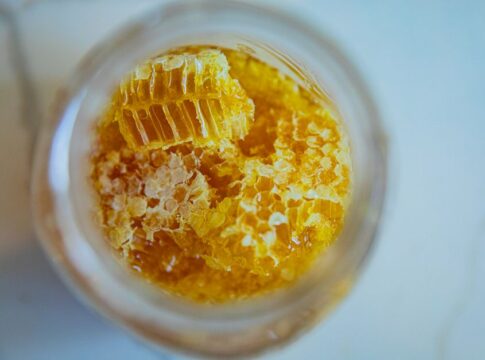
| Comb Honey | 15-17% | Minimal | Sealed in natural wax; optimal preservation in original packaging |
Common Myths About Honey Spoilage
Despite honey’s proven longevity, several misconceptions persist. Some people discard honey after seeing a “best by” date on commercial jars. These dates reflect quality standards and legal requirements, not actual spoilage timelines. Honey may darken or change flavor profiles over years, but these changes don’t indicate spoilage—they’re simply natural variations in composition.
Another common myth suggests that heating honey destroys its preservation properties. While excessive heat can break down some beneficial enzymes and alter flavor, it doesn’t make honey susceptible to spoilage. Even honey that has been heated to high temperatures during processing maintains its fundamental preservation characteristics: low moisture, high sugar content, and acidic pH.
Some believe imported or commercial honey spoils faster than local or raw varieties. In reality, all pure honey shares the same basic preservation mechanisms. Geographic origin, floral source, and processing methods may affect flavor, color, and crystallization patterns, but they don’t fundamentally change honey’s ability to resist spoilage indefinitely when properly stored.
Frequently Asked Questions
Can honey actually go bad or expire?
Pure honey never expires or goes bad when stored properly in sealed containers. The “best by” dates on commercial honey jars indicate quality preferences, not safety concerns. Honey may crystallize, darken, or change flavor over time, but these changes don’t make it unsafe to consume.
Why does my honey sometimes ferment and bubble?
Fermentation occurs when honey absorbs moisture from the air, raising its water content above 18 percent. This allows osmophilic yeasts to become active and ferment the sugars, producing alcohol and carbon dioxide bubbles. Fermented honey is generally safe but has an off-flavor and should be discarded if it smells alcoholic or tastes unpleasant.
Is crystallized honey still good to eat?
Absolutely. Crystallization is a natural physical process, not spoilage, and crystallized honey retains all its nutritional properties and safety. You can eat it crystallized or gently warm the container in a water bath to reliquefy it without affecting quality.
How should I store honey to keep it fresh forever?
Store honey in a tightly sealed container at room temperature, away from direct sunlight. Glass or food-grade plastic containers work well. Avoid storing honey in the refrigerator, as cold temperatures accelerate crystallization, and never introduce moisture by using wet spoons or leaving the container unsealed in humid environments.
The next time you spread honey on toast or stir it into tea, consider that you’re enjoying one of nature’s most remarkable preservation achievements. That golden liquid in your pantry could theoretically outlast civilizations, remaining as sweet and safe centuries from now as it is today. Few foods can make such an extraordinary claim.