











1 / 10 Questions
0 Points

Which Yankee legend wore number 3?

Mickey Mantle

Joe DiMaggio

Babe Ruth

Lou Gehrig

Points won
0
Correct score
0%

More Questions

Did Dracula Legends Come From a Real Blood Disorder

Dracula legends may have roots in a rare blood disorder called porphyria. Discover how medical science explains the vampire myth's origins.

Did Lightning Strike Survivors Really Get Lichtenberg Scars

Lightning scars called Lichtenberg figures create stunning branching patterns on survivors' skin. Learn what causes these rare marks and how long they

Why Crows Remember Human Faces for Years After One Event

Crow intelligence includes remarkable facial recognition that lasts years after a single encounter. Discover the science behind their extraordinary memory.

More Articles

Did You Know? 10 Facts About Supernovas

Did You Know? 10 Facts About Supernovas

⏱️ 6 min read

Did You Know? 10 Facts About Supernovas

Supernovas represent some of the most spectacular and powerful events in the universe, marking the explosive death of stars in brilliant displays that can outshine entire galaxies. These cosmic phenomena have fascinated astronomers and scientists for centuries, offering crucial insights into the life cycles of stars, the formation of elements, and the very structure of our universe. While most people have heard of supernovas, the intricate details surrounding these stellar explosions remain unknown to many. Here are ten fascinating facts about supernovas that illuminate the extraordinary nature of these cosmic events.

1. A Supernova Can Briefly Outshine an Entire Galaxy

When a star explodes in a supernova, the energy released is so immense that for a brief period—typically a few weeks to months—the explosion can emit more light than all the billions of stars in its host galaxy combined. This incredible luminosity means that supernovas can be observed from Earth even when they occur in distant galaxies millions or billions of light-years away. At peak brightness, a supernova can reach an absolute magnitude of -19 or brighter, making it one of the most luminous events in the universe.

2. There Are Two Main Types of Supernovas

Astronomers classify supernovas into two primary categories based on their spectral characteristics and formation mechanisms. Type I supernovas occur in binary star systems where a white dwarf accumulates matter from a companion star until it reaches a critical mass, triggering a thermonuclear explosion. Type II supernovas result from the core collapse of massive stars—typically those with at least eight times the mass of our Sun—that have exhausted their nuclear fuel. Each type has distinct observational signatures and plays different roles in cosmic evolution.

3. Supernovas Create and Distribute Heavy Elements

One of the most important roles supernovas play in the universe is the creation and distribution of heavy elements. During the intense conditions of a supernova explosion, nuclear fusion processes create elements heavier than iron, including gold, silver, platinum, and uranium. These elements cannot be formed in the normal fusion processes within stars. When the supernova ejects its material into space at speeds of up to 30,000 kilometers per second, these newly formed elements are scattered throughout the galaxy, eventually becoming incorporated into new stars, planets, and even living organisms. Essentially, the atoms in our bodies were forged in ancient supernova explosions.

4. The Energy Released Is Almost Incomprehensible

The amount of energy released during a supernova explosion defies ordinary comprehension. A typical supernova releases approximately 10^44 joules of energy—that's a 1 followed by 44 zeros. To put this in perspective, this is roughly equivalent to the total energy our Sun will produce over its entire 10-billion-year lifetime, but released in just a few seconds. About 99% of this energy is carried away by neutrinos, nearly massless particles that can pass through normal matter almost unimpeded.

5. Supernovas Can Create Black Holes and Neutron Stars

The remnants left behind after a supernova explosion depend on the mass of the original star's core. When stars between approximately 8 and 20 solar masses explode, their cores collapse into incredibly dense neutron stars—objects so dense that a teaspoon of neutron star material would weigh about a billion tons on Earth. If the original star was even more massive, the core collapse continues beyond the neutron star stage, creating a black hole. These extreme objects represent the ultimate fate of the universe's most massive stars.

6. Historical Supernovas Have Been Recorded for Over 2,000 Years

Humans have been observing and recording supernovas throughout recorded history. Chinese astronomers documented a "guest star" in 185 CE, now recognized as one of the earliest recorded supernovas. The supernova of 1054 CE, which created the Crab Nebula, was observed and recorded by Chinese, Japanese, and Arab astronomers. More recently, in 1987, Supernova 1987A became the brightest supernova visible from Earth in nearly 400 years, providing astronomers with unprecedented opportunities to study these explosions with modern instruments.

7. Supernovas Help Measure Cosmic Distances

Type Ia supernovas serve as crucial "standard candles" in astronomy, helping scientists measure vast cosmic distances. Because Type Ia supernovas occur when white dwarfs reach a specific critical mass, they explode with remarkably consistent brightness. By comparing their apparent brightness as seen from Earth with their known absolute brightness, astronomers can calculate how far away they are. This technique was instrumental in the 1990s discovery that the universe's expansion is accelerating, a finding that earned the Nobel Prize in Physics in 2011 and led to the concept of dark energy.

8. Supernova Remnants Shape Galactic Evolution

The aftermath of a supernova explosion continues to influence its cosmic neighborhood for thousands of years. The expanding shockwave from the explosion plows through interstellar space, compressing gas clouds and potentially triggering the formation of new stars. Supernova remnants create stunning nebulae that glow with radiation across the electromagnetic spectrum. These remnants also inject energy and turbulence into the interstellar medium, helping to regulate star formation rates in galaxies and influencing the overall structure and evolution of galactic ecosystems.

9. They Occur More Frequently Than You Might Think

While supernovas are rare events in any single galaxy—occurring roughly once or twice per century in a galaxy like the Milky Way—the universe contains hundreds of billions of galaxies. Astronomers estimate that somewhere in the observable universe, a star explodes as a supernova approximately once every second. Despite this frequency, the vast distances involved mean that most supernovas go unobserved, and detecting nearby ones visible to the naked eye remains a relatively rare treat for earthbound observers.

10. Supernovas Pose Potential Threats to Life on Earth

While supernovas occurring at safe distances are spectacular to observe, a supernova explosion within about 30 light-years of Earth could pose serious threats to life on our planet. The intense radiation and high-energy particles, including gamma rays and cosmic rays, could damage Earth's ozone layer, increasing surface exposure to harmful ultraviolet radiation from the Sun. Some scientists have theorized that past mass extinctions may have been influenced by nearby supernova events. Fortunately, there are no known stellar candidates for supernova explosions close enough to Earth to pose an immediate threat within the foreseeable future.

Conclusion

Supernovas represent far more than spectacular cosmic fireworks; they are fundamental drivers of cosmic evolution, element factories, distance markers, and sources of the most extreme objects in the universe. From creating the elements necessary for life to helping scientists understand the universe's expansion, these stellar explosions have profoundly shaped both the cosmos and our understanding of it. The ten facts presented here only scratch the surface of supernova science, a field that continues to yield new discoveries as astronomers develop increasingly sophisticated observational techniques. As we continue to study these magnificent explosions, we deepen our understanding of stellar evolution, cosmic chemistry, and our place in an ever-changing universe forged in the fires of dying stars.
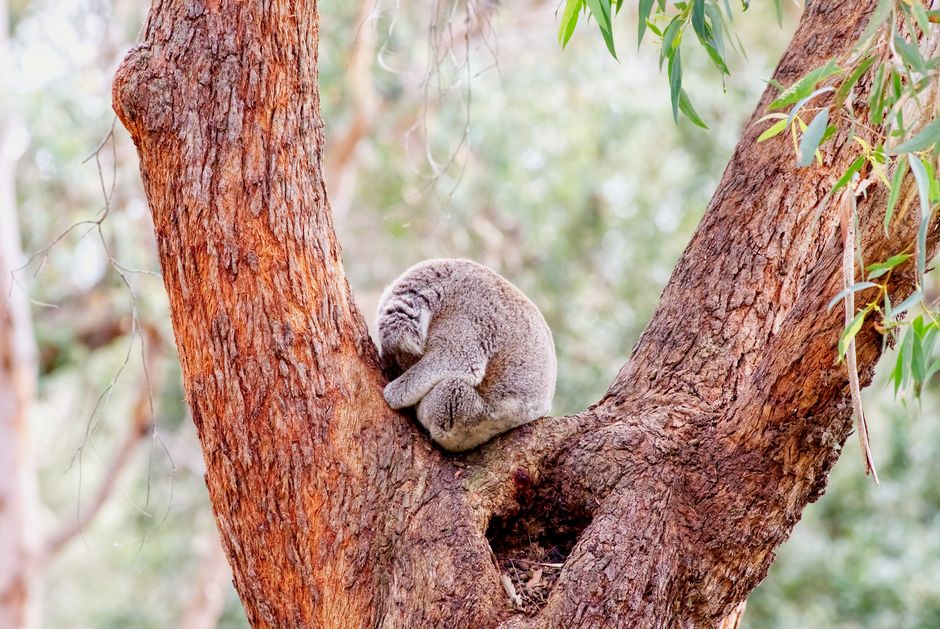
Why Koalas Sleep 22 Hours a Day: The Science Behind It

Why Koalas Sleep 22 Hours a Day: The Science Behind It

Why Koalas Sleep 22 Hours a Day: The Science Behind It

By TriviaOwl, Staff Writer — Published August 1, 2026

Table of Contents

Koalas hold the record as one of nature's champion sleepers, and this surprising fact about how many hours koalas sleep each day—up to 22 hours—has fascinated scientists and animal lovers alike. These tree-dwelling marsupials spend nearly their entire lives in a state of rest, making them one of the most lethargic creatures on Earth. But there's nothing lazy about this behavior. The answer lies in their unique diet, metabolic adaptations, and evolutionary survival strategies that make this extreme sleep schedule not just normal, but essential.

Discover the amazing science behind why these adorable Australian icons need so much rest, and explore the interesting trivia that reveals how their low-energy lifestyle is actually a masterclass in efficiency.

Key Takeaways

  • Koalas sleep 18 to 22 hours daily due to their extremely low-nutrition eucalyptus diet
  • Eucalyptus leaves contain toxic compounds that require significant energy to detoxify
  • Their metabolic rate is roughly half that of most other mammals of similar size
  • Koalas have one of the smallest brain-to-body ratios among mammals, conserving energy
  • This sleep pattern is an evolutionary adaptation, not a sign of laziness or illness
  • Only about 4 to 6 hours each day are spent eating, grooming, and moving between trees

The Eucalyptus Diet: A Nutritional Challenge

Koalas are specialist feeders, consuming only eucalyptus leaves from a select number of species. This dietary choice presents an enormous challenge. Eucalyptus leaves contain very little protein and virtually no fat—the two nutrients most animals rely on for energy. A koala must consume roughly one kilogram of leaves daily just to meet its basic nutritional needs, and those leaves deliver only about half the calories that other herbivores extract from their food sources.

The leaves are also incredibly fibrous and difficult to digest. Koalas have evolved a specialized digestive system with an exceptionally long cecum—a pouch connected to the intestine—that can reach up to two meters in length. This organ houses bacteria that help break down the tough cellulose fibers, but the process is slow and energy-intensive. Every calorie saved by sleeping is a calorie that can be devoted to this demanding digestive work.

Toxic Defense Mechanisms

Eucalyptus trees have evolved powerful chemical defenses to deter herbivores, including phenolic compounds, tannins, and cyanide-based toxins. These substances would be lethal to most mammals. Koalas have developed a remarkable liver enzyme system that can detoxify these compounds, but neutralizing poisons requires tremendous metabolic energy. The more active a koala is, the faster its metabolism runs, and the more toxins accumulate in its system faster than it can process them.

By sleeping most of the day, koalas keep their metabolic rate exceptionally low, allowing their liver to work through the toxins at a manageable pace. This survival strategy transforms what appears to be extreme laziness into sophisticated biochemical management. The koala essentially sleeps to avoid poisoning itself.

The 22 Facts Behind Koalas' Sleep Hours

1. Their Brain Uses Minimal Energy

Koalas have one of the smallest brains relative to body size of any mammal, weighing only about 19 grams. The brain is an energy-hungry organ in most animals, consuming up to 20 percent of total energy in humans. By having a smaller, smoother brain with fewer folds, koalas dramatically reduce their baseline energy requirements, making extended sleep periods metabolically feasible.

2. Body Temperature Drops During Rest

While sleeping, koalas can lower their body temperature slightly to conserve energy, similar to a mild form of torpor. This thermoregulation strategy reduces the calories needed to maintain normal body functions. On hot days, they may drape themselves along branches to maximize heat dissipation, further reducing metabolic demands.

3. Sleep Positions Vary by Weather

Koalas adjust their sleeping posture based on temperature. During cold weather, they curl into tight balls to conserve heat. In summer, they sprawl across branches with limbs dangling to increase airflow and cooling. These position changes demonstrate that their sleep is an active part of temperature regulation, not mere unconsciousness.

4. They're Nocturnal Feeders

Most of a koala's limited waking hours occur at night when temperatures are cooler and humidity is higher. Eucalyptus leaves contain more moisture in the evening, providing better hydration. This nocturnal feeding pattern means koalas are often asleep during daylight hours when human observers see them, reinforcing their reputation as perpetual sleepers.

5. Digestion Happens While Sleeping

The breakdown of eucalyptus leaves in a koala's digestive system can take up to 200 hours—more than eight days. This extraordinarily slow digestion continues around the clock, meaning that sleeping koalas are actually hard at work internally, processing their fibrous meals through fermentation and microbial action.

6. Energy Conservation Is Genetic

Research suggests that koalas have genetic adaptations that promote energy conservation at the cellular level. Their mitochondria—the powerhouses of cells—appear to operate at lower efficiency than those of other mammals, producing less energy from the same amount of nutrients but also generating less metabolic waste heat.

7. Water Intake Is Minimal

The name "koala" likely derives from an Aboriginal word meaning "no drink." Koalas obtain most of their water from eucalyptus leaves and rarely descend to ground level to drink. This water-conservation strategy reduces the need for energy-expensive trips down and up trees, allowing them to remain stationary and sleeping for longer periods.

8. Muscle Mass Is Reduced

Compared to similarly sized mammals, koalas have relatively low muscle mass. Muscles require constant energy to maintain, even at rest. By minimizing muscle tissue and maximizing their grip strength in just their limbs, koalas reduce their basal metabolic rate while still maintaining the ability to cling securely to branches during their marathon sleep sessions.

9. REM Sleep Is Limited

Studies indicate that koalas spend less time in REM (rapid eye movement) sleep than most mammals. REM sleep is metabolically expensive, requiring nearly as much energy as waking consciousness. By spending more time in deep, slow-wave sleep, koalas maximize energy conservation while still obtaining necessary rest.

10. They're Not Hibernating

Despite sleeping up to 22 hours daily, koalas are not hibernating. Hibernation involves dramatic physiological changes including severe drops in body temperature and heart rate. Koalas maintain normal body functions during sleep and can wake quickly if threatened, distinguishing their behavior from true hibernation.

11. Young Koalas Sleep Even More

Joey koalas, particularly those still in the pouch or recently emerged, may sleep even longer than adults—sometimes up to 23 hours daily. This extended rest supports rapid growth and development while their digestive systems gradually adapt to processing eucalyptus leaves after weaning from their mother's milk.

12. Metabolic Rate Is Half Normal

Scientific measurements show that koalas have a basal metabolic rate approximately 50 percent lower than would be predicted for a mammal of their size. This dramatic reduction means they need far fewer calories to survive, making their nutrient-poor diet viable when combined with extensive rest periods.

13. Tree Selection Affects Sleep Quality

Koalas show preferences for certain eucalyptus species and specific trees within those species. Trees with more horizontal branches provide better sleeping platforms, and koalas will travel to find ideal resting spots. A comfortable sleeping position reduces the muscle tension needed to avoid falling, further conserving energy.

14. Social Interaction Is Minimal

Koalas are largely solitary animals, and social interactions require energy. By avoiding complex social structures and spending most of their time asleep, they eliminate the energetic costs associated with territoriality, mating displays outside breeding season, and social grooming common in more active mammals.

15. Climate Change Impacts Sleep Patterns

Rising temperatures and changing rainfall patterns affect eucalyptus leaf quality and moisture content. Drier, less nutritious leaves may force koalas to eat more or travel farther between trees, potentially reducing their available sleep time and creating additional stress on their finely-tuned energy budget.

16. Gut Bacteria Require Stability

The specialized bacteria in a koala's digestive system that break down eucalyptus toxins are sensitive to stress and dietary changes. Extended sleep periods help maintain stable internal conditions—consistent temperature, pH, and movement—that keep these crucial microbes healthy and functioning efficiently.

17. Predator Avoidance Through Stillness

Historically, koalas faced predation from dingoes, large pythons, and eagles. Remaining motionless high in trees for extended periods serves as effective camouflage. Movement attracts predators' attention, so sleeping koalas are safer koalas, turning their low-energy lifestyle into a defensive strategy.

18. Hearing Remains Active

Even during deep sleep, koalas maintain acute hearing to detect approaching threats. Their large, fuzzy ears can rotate independently to pinpoint sounds without the animal needing to move or fully wake. This allows them to remain vigilant while expending minimal energy.

19. Grip Strength Persists During Sleep

Koalas possess specialized tendons and muscles in their limbs that allow them to maintain a vice-like grip on branches without conscious effort. This adaptation prevents them from falling during sleep and eliminates the need to periodically wake to adjust their position, enabling truly uninterrupted rest.

20. Seasonal Variations Occur

During breeding season, male koalas may reduce their sleep time slightly to vocalize, patrol territories, and seek mates. Females with dependent young also experience reduced sleep as they nurse and care for joeys. However, even during these active periods, koalas still sleep 16 to 18 hours daily.

21. Comparison to Other Sleepy Animals

Koalas share the podium for longest sleepers with sloths and certain bat species. Brown bats may sleep up to 20 hours daily, while sloths average 15 to 20 hours. These animals share common traits: specialized diets, slow metabolisms, and evolutionary strategies that prioritize energy conservation over activity.

22. Sleep Isn't a Sign of Poor Health

A common misconception is that koalas sleeping extensively indicates illness or depression. In healthy koalas, this behavior is completely normal and represents millions of years of evolutionary optimization. A koala sleeping 22 hours a day in the wild is demonstrating perfect adaptation to its ecological niche, not suffering from any ailment.

Comparing Nature's Champion Sleepers

Animal Daily Sleep Hours Primary Reason
Koala 18–22 Low-nutrition eucalyptus diet, toxin processing
Brown Bat 19–20 Nocturnal hunting, energy conservation
Giant Armadillo 18–19 Low metabolic rate, insect diet
Sloth 15–20 Extremely slow metabolism, leaf diet
Opossum 18–19 Omnivorous diet, nocturnal lifestyle

Frequently Asked Questions

Do koalas ever sleep for a full 24 hours?

No, healthy koalas always wake periodically to feed, even if only for brief periods. They require regular intake of eucalyptus leaves to maintain their digestive process and prevent starvation, so continuous 24-hour sleep never occurs naturally.

Are koalas drunk or high from eucalyptus?

This is a persistent myth, but koalas are neither intoxicated nor experiencing euphoria from eucalyptus. The compounds in the leaves are toxic, not psychoactive, and koalas have simply evolved to tolerate and detoxify them efficiently.

How do koalas sleep without falling from trees?

Koalas have specialized tendons in their forelimbs that lock their grip around branches without requiring muscular effort. This anatomical feature, combined with their low center of gravity and preference for stable branch forks, prevents falls during sleep.

Can koalas survive on less sleep in captivity?

Even in zoos with optimized diets and controlled environments, koalas maintain similar sleep patterns to their wild counterparts. Their need for extensive rest is hardwired into their biology and cannot be significantly altered through environmental changes alone.

The koala's extraordinary sleep schedule reveals that evolution doesn't always favor the busy and active. Sometimes, the most successful strategy is simply knowing when to do absolutely nothing at all.