










1 / 10 Questions
0 Points

What language does the word piano come from?

Italian

German

French

Spanish

Points won
0
Correct score
0%

More Questions

The Truth About Dragons Existing in Komodo Island Today

Dragon myths meet reality on Komodo Island where massive lizards roam today. Discover how ancient legends connect to these living prehistoric predators.

The Truth About Butterflies Tasting With Their Feet

Butterfly anatomy includes chemoreceptors on their feet that detect sweetness and nutrients. Discover how this unique sensory system helps them find food.

Why Humans Are the Only Animals With Chins

Discover the fascinating human anatomy feature that sets us apart from all other species. Learn why chins evolved exclusively in humans and what they

More Articles

The Truth About Butterflies Tasting With Their Feet

The Truth About Butterflies Tasting With Their Feet

The Truth About Butterflies Tasting With Their Feet

By Trivia Daily, Staff Writer — Published October 27, 2026

Table of Contents

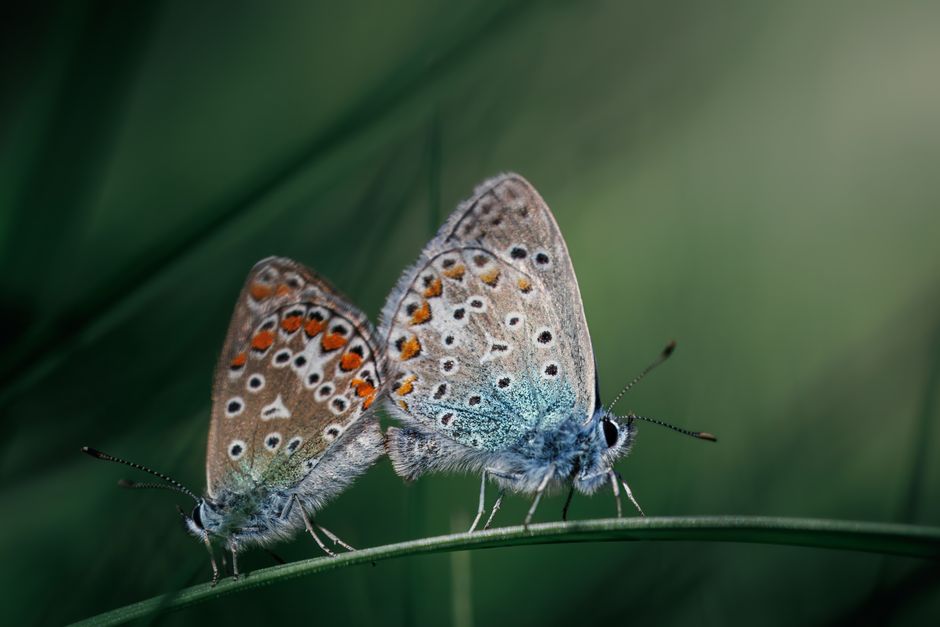
Imagine stepping onto your dinner plate and instantly knowing whether the food is delicious. That's exactly what butterflies do. These delicate insects don't need to take a bite to decide if something is worth eating—they taste through sensors on their feet. The truth about butterflies tasting with their feet is one of nature's most surprising adaptations, and it's a fascinating example of how evolution solves problems in unexpected ways.

This remarkable ability isn't just an interesting party fact. It's a survival mechanism that helps butterflies identify suitable plants for laying eggs and locate nectar-rich flowers. When a butterfly lands on a leaf or petal, specialized taste receptors called chemoreceptors immediately analyze the chemical composition of the surface. Within milliseconds, the butterfly knows whether it has found a meal or a nursery for its future offspring.

Key Takeaways

  • Butterflies have taste receptors called chemoreceptors located on their feet, allowing them to taste whatever they land on.
  • These foot sensors are up to 200 times more sensitive than human taste buds, detecting sugars and other chemicals instantly.
  • Female butterflies use foot-tasting to identify the correct host plants for laying eggs, ensuring caterpillars have appropriate food.
  • The proboscis (feeding tube) also contains taste sensors, creating a two-stage tasting system for butterflies.
  • Many insects beyond butterflies, including flies and bees, also taste through their feet.
  • This adaptation allows butterflies to make critical survival decisions in fractions of a second.

How Butterfly Foot Sensors Actually Work

The chemoreceptors on butterfly feet function similarly to taste buds on a human tongue, but with crucial differences. Each foot contains thousands of tiny sensory hairs, each equipped with pores that allow chemical molecules to enter. Once inside, these molecules bind to receptor proteins that send electrical signals through neurons directly to the butterfly's brain.

What makes this system truly amazing is its sensitivity. Butterfly chemoreceptors can detect sugar concentrations far lower than humans can taste. When a butterfly lands on a flower, it immediately knows the nectar's sweetness level. If the concentration is too low, the butterfly moves on without wasting energy extending its proboscis. This efficiency is critical for creatures that may only live a few weeks as adults.

The receptors aren't limited to detecting sweetness. They also identify bitter compounds, which often signal toxic plants. For species like the Monarch butterfly, this ability is essential. Monarch caterpillars feed exclusively on milkweed plants, which contain cardiac glycosides—compounds toxic to most animals. Female Monarchs must accurately identify milkweed species using their feet before laying eggs, ensuring their offspring land on the right plant.

The Science Behind Taste and Smell in Insects

Butterflies actually blur the line between taste and smell. What we consider separate senses in humans are more integrated in insects. The chemoreceptors on butterfly feet detect non-volatile chemicals through direct contact, which we'd call taste. But butterflies also have antennae covered in different chemoreceptors that detect airborne molecules—what we'd call smell.

This combined chemical sensing system gives butterflies a rich understanding of their environment. They can smell a flower from a distance, then taste it upon landing to confirm its suitability. Some species can detect chemical signatures from potential mates or warning pheromones from predators.

Research has shown that butterfly taste receptors are remarkably specific. Different receptor types respond to different chemicals. Some detect only certain sugars. Others respond exclusively to amino acids or bitter alkaloids. This specificity allows butterflies to make nuanced decisions about where to feed and where to lay eggs.

Why Tasting With Feet Is an Evolutionary Advantage

Evolution rarely creates features without purpose. Tasting with feet offers butterflies several survival advantages that explain why this trait has persisted across millions of years.

Speed matters most. Butterflies are vulnerable when they land—exposed to predators and unable to escape quickly. By tasting instantly upon contact, they minimize the time spent evaluating each potential food source. A butterfly doesn't need to unfurl its proboscis, sample the nectar, and then decide. The foot sensors provide immediate feedback.

Energy conservation is equally important. Extending and retracting the proboscis requires muscular effort. For an insect that might visit hundreds of flowers in a day, avoiding unnecessary proboscis extensions saves significant energy. The foot-tasting system acts as a preliminary filter, ensuring the butterfly only invests effort in high-quality food sources.

For egg-laying females, foot-tasting becomes even more critical. Caterpillars are often specialist feeders, meaning they can only digest specific plant species. A female butterfly must identify the correct host plant with absolute certainty. Landing on dozens of plants and tasting each one with her feet allows rapid, accurate identification. One wrong decision could doom an entire clutch of eggs.

Comparing Taste Sensitivity Across Species

Species Primary Taste Organs Relative Sensitivity Special Adaptations
Butterflies Feet, proboscis 200× human sensitivity to sugars Detect specific host plant chemicals
Humans Tongue Baseline Five basic taste categories
Flies Feet, mouthparts 100× human sensitivity Rapid food identification
Honeybees Antennae, mouthparts, feet Similar to butterflies Communicate food quality to hive

Common Misconceptions About Butterfly Senses

Despite widespread awareness that butterflies taste with their feet, several myths persist. One common misconception is that butterflies have no sense of taste in their mouths. In fact, the proboscis also contains chemoreceptors. This creates a two-stage tasting system: feet provide the initial assessment, while the proboscis offers a final evaluation once feeding begins.

Another myth suggests that all butterflies taste exactly the same things. In reality, different species have evolved receptors tuned to their specific ecological needs. A butterfly that feeds primarily on rotting fruit has different receptors than one that drinks flower nectar. Some tropical species even feed on animal tears or dung, requiring entirely different chemical detection capabilities.

Some people believe butterflies can taste through any part of their body. While chemoreceptors exist in multiple locations—feet, proboscis, and antennae—the exoskeleton covering most of their body doesn't contain taste sensors. The distribution of receptors is strategic, placing them where they'll provide the most useful information.

Frequently Asked Questions

Do all butterflies taste with their feet?

Yes, all butterfly species have chemoreceptors on their feet, though the sensitivity and specific chemicals detected vary by species depending on their diet and host plant requirements.

Can butterflies taste things humans cannot?

Absolutely. Butterflies detect chemical compounds humans cannot taste at all, including specific plant alkaloids and pheromones. They're also far more sensitive to sugar concentrations than humans.

Do butterflies have taste buds like humans?

Not exactly. Instead of taste buds, butterflies have chemoreceptors—sensory cells that detect chemicals through direct contact. These function similarly to taste buds but are structurally different and far more sensitive.

What other insects taste with their feet?

Many insects share this ability, including flies, bees, wasps, and some beetles. It's a common adaptation among insects that need to quickly evaluate food sources or egg-laying sites.

The next time you see a butterfly pause on a flower, you're witnessing a complex chemical analysis happening in real time. Those delicate feet are conducting sophisticated taste tests that would impress any food critic. Nature's solutions to survival challenges often seem strange to us, but they work brilliantly for the creatures that evolved them. That butterfly isn't just resting—it's dining with its toes.
7 Surprising Facts About How Fingernails Reveal Health

7 Surprising Facts About How Fingernails Reveal Health

7 Surprising Facts About How Fingernails Reveal Health

By TriviaOwl, Staff Writer — Published August 10, 2026

Table of Contents

Your fingernails are far more than just a canvas for polish or a tool for scratching an itch. These hardened plates of keratin serve as tiny windows into your overall health, broadcasting signals about nutritional deficiencies, chronic diseases, and even serious organ problems. Medical professionals have long studied how fingernails reveal health conditions, using color changes, texture abnormalities, and growth patterns as diagnostic clues. What might seem like a cosmetic annoyance could actually be your body's early warning system.

The connection between nails and health isn't just medical folklore. Dermatologists and physicians routinely examine nails during checkups because they grow continuously and record a biological history of what's happening inside your body. These surprising facts about nail health reveal just how much information these small structures can convey.

Key Takeaways

  • Fingernails grow approximately 3.5 millimeters per month, creating a timeline of your recent health history
  • Vertical ridges are typically harmless age-related changes, while horizontal ridges may signal serious illness or nutritional stress
  • Bluish nail beds can indicate oxygen deprivation, while white nails may suggest liver disease
  • Clubbing of fingernails is often associated with lung disease and certain heart conditions
  • Spoon-shaped nails (koilonychia) frequently indicate iron-deficiency anemia
  • Yellow nails can result from fungal infections or, more rarely, respiratory conditions and lymphatic disorders

How Fingernails Reveal Health Through Color Changes

Healthy nails typically display a pink color with a white crescent at the base called the lunula. Deviations from this standard palette can signal trouble. Pale or white nail beds might indicate anemia, where the body lacks sufficient red blood cells to transport oxygen efficiently. A condition called Terry's nails, where the nail appears mostly white with a dark band at the tip, is often associated with liver disease, kidney failure, or congestive heart failure.

Blue-tinged nails suggest poor circulation or inadequate oxygenation of the blood, a condition called cyanosis. This can occur with lung diseases, heart problems, or even exposure to extreme cold. Yellow nails often point to fungal infections, but persistent yellowing might indicate more serious respiratory conditions, thyroid disease, or diabetes. The National Institutes of Health recognizes nail examination as a valuable diagnostic tool precisely because these color changes reflect systemic conditions rather than local nail problems.

Common Nail Abnormalities and Their Medical Meanings

Nail Appearance Medical Term Possible Health Indication
Spoon-shaped indentation Koilonychia Iron-deficiency anemia, hemochromatosis
Clubbing (bulbous fingertips) Digital clubbing Lung disease, heart disease, inflammatory bowel disease
White lines across nails Muehrcke's lines Low protein levels, kidney disease, liver disease
Dark streaks Melanonychia Usually benign; rarely melanoma
Horizontal grooves Beau's lines Severe illness, malnutrition, chemotherapy

1. Horizontal Ridges Document Serious Illness Episodes

Beau's lines are deep horizontal grooves that run across the nail from side to side. These ridges form when nail growth temporarily slows or stops due to severe physical stress. High fever, serious infections, chemotherapy, malnutrition, or major surgery can all trigger Beau's lines. Because fingernails grow at a predictable rate, physicians can actually estimate when the stressful event occurred by measuring the distance from the nail base to the groove. If you spot these ridges appearing on multiple nails simultaneously, it's worth discussing with your doctor, as they indicate your body experienced significant trauma.

2. Clubbed Fingernails Signal Oxygen Problems

Clubbing occurs when the fingertips enlarge and the nails curve around them, creating a bulbous appearance. This distinctive change develops gradually and is strongly associated with chronic lung diseases like emphysema, chronic obstructive pulmonary disease, and lung cancer. The exact mechanism remains debated, but clubbing appears when tissues don't receive adequate oxygen over extended periods. Certain heart defects that cause poor oxygenation also produce clubbing. Inflammatory bowel diseases like Crohn's disease and ulcerative colitis can trigger it as well. The change is usually painless but unmistakable once it develops.

3. Spoon Nails Reveal Iron Deficiency

Koilonychia transforms normal nails into concave, spoon-shaped structures that can actually hold a drop of water. This curious deformity most commonly indicates iron-deficiency anemia, where the body lacks sufficient iron to produce hemoglobin. Without adequate iron, nail cells don't form properly, creating the characteristic depression. The condition often appears in people with chronic blood loss, poor dietary iron intake, or absorption problems. Interestingly, koilonychia sometimes affects people who work with petroleum-based solvents, though the mechanism differs from nutritional causes.

4. Yellow Nail Syndrome Connects to Respiratory and Lymphatic Disease

While fungal infections commonly yellow nails, yellow nail syndrome is a rare condition where all nails become thick, curved, and distinctly yellow or greenish. Growth slows dramatically, and nails may lack the normal cuticle. This syndrome often accompanies chronic respiratory conditions like bronchitis or sinusitis, and it's associated with lymphedema (swelling from lymphatic system problems). The connection between nails, lungs, and lymphatic vessels puzzles researchers, but the triad of symptoms is well-documented. Unlike simple fungus, yellow nail syndrome doesn't respond to antifungal treatments.

5. Tiny Black Lines Can Indicate Heart Infection

Splinter hemorrhages appear as tiny black or reddish-brown lines running vertically under the nail, resembling splinters stuck beneath the surface. These occur when small blood vessels under the nail are damaged. While minor trauma causes most splinter hemorrhages, multiple lines appearing on several nails can signal endocarditis, a serious infection of the heart's inner lining. The infection sends tiny clots through the bloodstream that lodge in nail bed capillaries. Other causes include vasculitis (blood vessel inflammation), psoriasis, and certain autoimmune conditions. A few isolated splinters aren't concerning, but widespread or recurring lines warrant medical attention.

6. White Spots Are Usually Harmless Despite Popular Myths

Those small white spots or streaks on nails have spawned countless myths about calcium deficiency or zinc shortage. The truth is far more mundane. Called leukonychia, these marks usually result from minor trauma to the nail matrix (the growth zone beneath the cuticle). Bumping your finger weeks earlier can create a white spot that appears later as the nail grows out. True nutritional deficiencies rarely cause isolated white spots. However, if your entire nail turns white or develops extensive white areas, that's different and could indicate liver disease, kidney problems, or severe protein deficiency.

7. Nail Growth Rate Reflects Overall Health and Age

Fingernails grow roughly 3.5 millimeters monthly, though this varies by finger, age, and health status. Your dominant hand's nails grow slightly faster, and fingernails outpace toenails by about three times. Growth slows with age, during illness, and in people with poor circulation. Interestingly, nails grow faster in summer than winter, likely due to increased blood flow in warmer weather. Pregnancy often accelerates nail growth due to hormonal changes and increased blood volume. Dramatic changes in growth rate can signal thyroid problems, with hyperthyroidism speeding growth and hypothyroidism slowing it. Monitoring how quickly your nails grow provides insight into your metabolic rate and overall vitality.

When Nail Changes Require Medical Attention

Not every nail irregularity demands a doctor's visit. Vertical ridges, minor trauma marks, and occasional hangnails are normal. However, certain changes merit professional evaluation. Sudden color changes affecting all nails, clubbing that develops over weeks or months, painful swelling around nail beds, or dark streaks (especially single, wide, dark bands) should prompt consultation. Any nail change accompanied by other symptoms like fatigue, shortness of breath, or swelling deserves attention.

Dermatologists and primary care physicians can distinguish between harmless variations and signs of underlying disease. Sometimes a simple blood test reveals nutritional deficiencies that are easily corrected. Other times, nail changes provide the first clue to conditions requiring treatment. The key is recognizing that persistent, unexplained changes in multiple nails often reflect systemic health issues rather than local nail problems.

Frequently Asked Questions

Can fingernails really predict heart attacks or strokes?

Nails don't predict future cardiovascular events, but certain nail changes like clubbing or splinter hemorrhages can indicate existing heart or circulatory problems that increase risk. Regular medical screening remains the best prevention strategy.

How long does it take for a fingernail to completely replace itself?

A fingernail takes approximately six months to grow from cuticle to free edge, meaning it takes that long for the nail to completely renew itself. Toenails require 12 to 18 months for complete replacement.

Do vitamin supplements improve nail health?

Supplements help only if you have an actual deficiency. Biotin may strengthen brittle nails in some people, but excess vitamins won't make healthy nails grow faster or stronger. A balanced diet typically provides all necessary nutrients.

Why do nails sometimes separate from the nail bed?

Nail separation (onycholysis) can result from trauma, fungal infection, psoriasis, thyroid disease, or reactions to nail products. If separation occurs without obvious injury, medical evaluation can identify the underlying cause.

Your fingernails offer a surprisingly detailed health report card, if you know how to read the signs. These small structures record your nutritional status, document illnesses, and sometimes provide early warnings of serious conditions. The next time you glance at your hands, take a moment to really look at your nails—they might be trying to tell you something important about what's happening inside your body.