
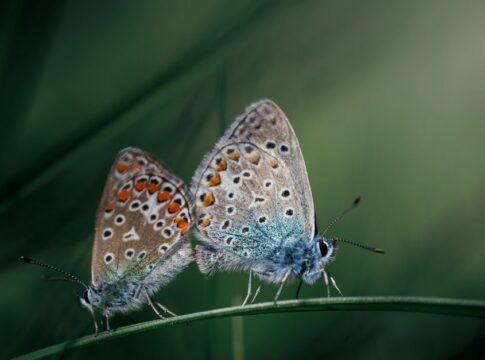
The Truth About Butterflies Tasting With Their Feet
By Trivia Daily, Staff Writer — Published October 27, 2026
Table of Contents
- Key Takeaways
- How Butterfly Foot Sensors Actually Work
- The Science Behind Taste and Smell in Insects
- Why Tasting With Feet Is an Evolutionary Advantage
- Comparing Taste Sensitivity Across Species
- Common Misconceptions About Butterfly Senses
- Frequently Asked Questions
Imagine stepping onto your dinner plate and instantly knowing whether the food is delicious. That’s exactly what butterflies do. These delicate insects don’t need to take a bite to decide if something is worth eating—they taste through sensors on their feet. The truth about butterflies tasting with their feet is one of nature’s most surprising adaptations, and it’s a fascinating example of how evolution solves problems in unexpected ways.
This remarkable ability isn’t just an interesting party fact. It’s a survival mechanism that helps butterflies identify suitable plants for laying eggs and locate nectar-rich flowers. When a butterfly lands on a leaf or petal, specialized taste receptors called chemoreceptors immediately analyze the chemical composition of the surface. Within milliseconds, the butterfly knows whether it has found a meal or a nursery for its future offspring.
Key Takeaways
- Butterflies have taste receptors called chemoreceptors located on their feet, allowing them to taste whatever they land on.
- These foot sensors are up to 200 times more sensitive than human taste buds, detecting sugars and other chemicals instantly.
- Female butterflies use foot-tasting to identify the correct host plants for laying eggs, ensuring caterpillars have appropriate food.
- The proboscis (feeding tube) also contains taste sensors, creating a two-stage tasting system for butterflies.
- Many insects beyond butterflies, including flies and bees, also taste through their feet.
- This adaptation allows butterflies to make critical survival decisions in fractions of a second.
How Butterfly Foot Sensors Actually Work
The chemoreceptors on butterfly feet function similarly to taste buds on a human tongue, but with crucial differences. Each foot contains thousands of tiny sensory hairs, each equipped with pores that allow chemical molecules to enter. Once inside, these molecules bind to receptor proteins that send electrical signals through neurons directly to the butterfly’s brain.
What makes this system truly amazing is its sensitivity. Butterfly chemoreceptors can detect sugar concentrations far lower than humans can taste. When a butterfly lands on a flower, it immediately knows the nectar’s sweetness level. If the concentration is too low, the butterfly moves on without wasting energy extending its proboscis. This efficiency is critical for creatures that may only live a few weeks as adults.
The receptors aren’t limited to detecting sweetness. They also identify bitter compounds, which often signal toxic plants. For species like the Monarch butterfly, this ability is essential. Monarch caterpillars feed exclusively on milkweed plants, which contain cardiac glycosides—compounds toxic to most animals. Female Monarchs must accurately identify milkweed species using their feet before laying eggs, ensuring their offspring land on the right plant.
The Science Behind Taste and Smell in Insects
Butterflies actually blur the line between taste and smell. What we consider separate senses in humans are more integrated in insects. The chemoreceptors on butterfly feet detect non-volatile chemicals through direct contact, which we’d call taste. But butterflies also have antennae covered in different chemoreceptors that detect airborne molecules—what we’d call smell.
This combined chemical sensing system gives butterflies a rich understanding of their environment. They can smell a flower from a distance, then taste it upon landing to confirm its suitability. Some species can detect chemical signatures from potential mates or warning pheromones from predators.
Research has shown that butterfly taste receptors are remarkably specific. Different receptor types respond to different chemicals. Some detect only certain sugars. Others respond exclusively to amino acids or bitter alkaloids. This specificity allows butterflies to make nuanced decisions about where to feed and where to lay eggs.
Why Tasting With Feet Is an Evolutionary Advantage
Evolution rarely creates features without purpose. Tasting with feet offers butterflies several survival advantages that explain why this trait has persisted across millions of years.
Speed matters most. Butterflies are vulnerable when they land—exposed to predators and unable to escape quickly. By tasting instantly upon contact, they minimize the time spent evaluating each potential food source. A butterfly doesn’t need to unfurl its proboscis, sample the nectar, and then decide. The foot sensors provide immediate feedback.
Energy conservation is equally important. Extending and retracting the proboscis requires muscular effort. For an insect that might visit hundreds of flowers in a day, avoiding unnecessary proboscis extensions saves significant energy. The foot-tasting system acts as a preliminary filter, ensuring the butterfly only invests effort in high-quality food sources.
For egg-laying females, foot-tasting becomes even more critical. Caterpillars are often specialist feeders, meaning they can only digest specific plant species. A female butterfly must identify the correct host plant with absolute certainty. Landing on dozens of plants and tasting each one with her feet allows rapid, accurate identification. One wrong decision could doom an entire clutch of eggs.
Comparing Taste Sensitivity Across Species
| Species | Primary Taste Organs | Relative Sensitivity | Special Adaptations |
|---|---|---|---|
| Butterflies | Feet, proboscis | 200× human sensitivity to sugars | Detect specific host plant chemicals |
| Humans | Tongue | Baseline | Five basic taste categories |
| Flies | Feet, mouthparts | 100× human sensitivity | Rapid food identification |
| Honeybees | Antennae, mouthparts, feet | Similar to butterflies | Communicate food quality to hive |
Common Misconceptions About Butterfly Senses
Despite widespread awareness that butterflies taste with their feet, several myths persist. One common misconception is that butterflies have no sense of taste in their mouths. In fact, the proboscis also contains chemoreceptors. This creates a two-stage tasting system: feet provide the initial assessment, while the proboscis offers a final evaluation once feeding begins.
Another myth suggests that all butterflies taste exactly the same things. In reality, different species have evolved receptors tuned to their specific ecological needs. A butterfly that feeds primarily on rotting fruit has different receptors than one that drinks flower nectar. Some tropical species even feed on animal tears or dung, requiring entirely different chemical detection capabilities.
Some people believe butterflies can taste through any part of their body. While chemoreceptors exist in multiple locations—feet, proboscis, and antennae—the exoskeleton covering most of their body doesn’t contain taste sensors. The distribution of receptors is strategic, placing them where they’ll provide the most useful information.
Frequently Asked Questions
Do all butterflies taste with their feet?
Yes, all butterfly species have chemoreceptors on their feet, though the sensitivity and specific chemicals detected vary by species depending on their diet and host plant requirements.
Can butterflies taste things humans cannot?
Absolutely. Butterflies detect chemical compounds humans cannot taste at all, including specific plant alkaloids and pheromones. They’re also far more sensitive to sugar concentrations than humans.
Do butterflies have taste buds like humans?
Not exactly. Instead of taste buds, butterflies have chemoreceptors—sensory cells that detect chemicals through direct contact. These function similarly to taste buds but are structurally different and far more sensitive.
What other insects taste with their feet?
Many insects share this ability, including flies, bees, wasps, and some beetles. It’s a common adaptation among insects that need to quickly evaluate food sources or egg-laying sites.
The next time you see a butterfly pause on a flower, you’re witnessing a complex chemical analysis happening in real time. Those delicate feet are conducting sophisticated taste tests that would impress any food critic. Nature’s solutions to survival challenges often seem strange to us, but they work brilliantly for the creatures that evolved them. That butterfly isn’t just resting—it’s dining with its toes.