









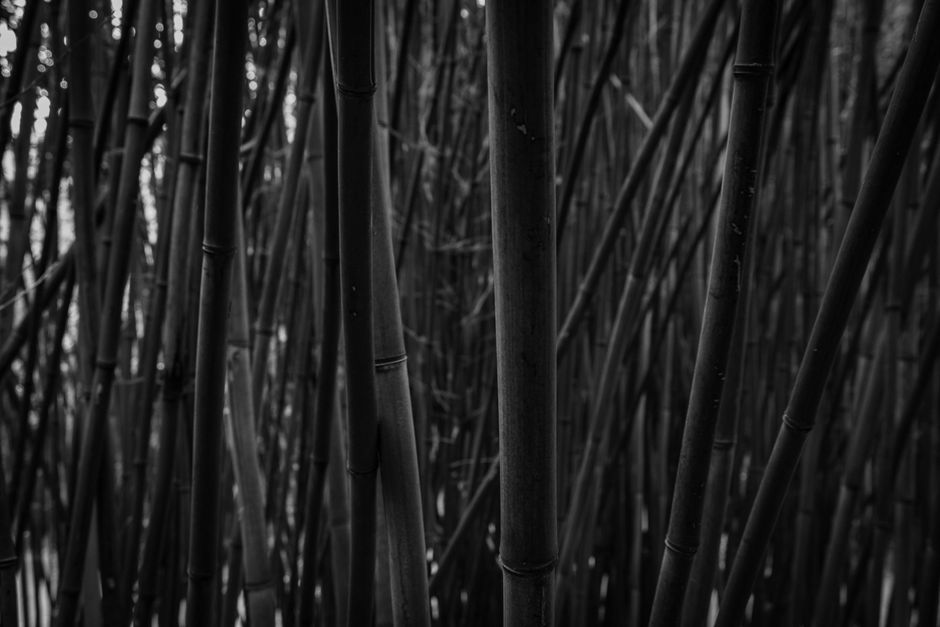
7 Surprising Facts About Bamboo Growing 35 Inches Daily
By Trivia Owl, Staff Writer — Published October 14, 2026
Table of Contents
- Key Takeaways
- Understanding Bamboo Growing Inches Per Day: The Biological Mechanism
- Comparing Bamboo Species Growth Rates
- The Seven Most Surprising Truths About Bamboo's Extraordinary Growth
- Frequently Asked Questions
Among the plant kingdom's most astonishing performers, bamboo holds a record that seems almost impossible: certain species can shoot upward more than 35 inches in a single day. That's faster than you can measure it, creating a living spectacle that has captivated botanists and casual observers alike. This remarkable bamboo growing inches per day phenomenon represents one of nature's most extreme examples of rapid growth, and the science behind it reveals even more fascinating secrets than the headline number suggests.
Bamboo's explosive growth has fueled myths, inspired architecture, and sustained entire ecosystems across Asia and beyond. But the reality of how and why this grass—yes, it's technically a grass—achieves such velocity involves intricate biological mechanisms that most people never discover.
Key Takeaways
- Some bamboo species can grow more than 35 inches in 24 hours, making them the fastest-growing plants on Earth.
- Bamboo achieves this speed through pre-formed cells that simply expand with water, rather than creating new cells from scratch.
- The plant can take decades to flower, after which many species die entirely in a synchronized mass flowering event.
- Bamboo's growth rate varies dramatically by species, with over 1,400 varieties exhibiting different characteristics.
- The plant's strength-to-weight ratio exceeds that of steel in certain applications, making it a valuable construction material.
- Bamboo forests can sequester significantly more carbon dioxide than equivalent hardwood forests.
Understanding Bamboo Growing Inches Per Day: The Biological Mechanism
The secret to bamboo's incredible speed lies in a growth strategy fundamentally different from most plants. Rather than gradually producing new cells at the growing tip, bamboo shoots emerge from the ground with all their cells already formed in miniature. These cells simply fill with water and expand, like inflating thousands of tiny balloons simultaneously. This process, called cell elongation, allows the plant to achieve growth rates that would be impossible through conventional cell division.
During peak growing season, which typically occurs during warm, wet months, bamboo can maintain this blistering pace around the clock. The plant draws enormous quantities of water from the soil—a single culm (bamboo stem) can transport hundreds of gallons during its growth phase. The internal structure features hollow segments separated by solid nodes, creating a remarkably efficient pipeline for nutrient and water transport. This engineering marvel allows resources to reach the growing tip with minimal resistance, sustaining the relentless upward push.
Comparing Bamboo Species Growth Rates
| Species | Maximum Daily Growth | Final Height | Native Region |
|---|---|---|---|
| Moso Bamboo (Phyllostachys edulis) | Up to 35 inches | 75-90 feet | China, Taiwan |
| Giant Bamboo (Dendrocalamus giganteus) | Up to 16 inches | 100+ feet | Southeast Asia |
| Black Bamboo (Phyllostachys nigra) | Up to 12 inches | 20-35 feet | China |
| Golden Bamboo (Phyllostachys aurea) | Up to 8 inches | 15-30 feet | China |
The Seven Most Surprising Truths About Bamboo's Extraordinary Growth
1. Bamboo Spends Years Building an Underground Empire Before Shooting Skyward
What appears as sudden, explosive growth above ground actually represents the culmination of years of invisible preparation. After planting, bamboo dedicates its first three to five years almost entirely to root and rhizome development, establishing a vast underground network that can spread dozens of feet in all directions. During this establishment phase, visible growth remains minimal, leading impatient gardeners to wonder if their bamboo will ever take off. Once the root system reaches critical mass, the plant can finally support its famously rapid vertical growth, drawing on the extensive energy reserves stored below ground.
2. The Record-Breaking Growth Happens Only During a Brief Annual Window
Bamboo's maximum growth rate of 35 inches daily doesn't persist year-round. This extraordinary pace occurs only during a concentrated shooting season that typically lasts just 60 to 90 days, usually coinciding with the warm, wet conditions of late spring and early summer. During this window, new shoots emerge from the rhizome system and race toward their genetically predetermined maximum height. Once a culm reaches full height—which can happen in as little as eight to twelve weeks—it never grows taller. The shoot then spends the following months hardening, developing branches, and producing leaves.
3. Bamboo Can Flower Once in a Lifetime, Then Die in Synchronized Mass Events
Perhaps bamboo's strangest characteristic has nothing to do with its growth speed. Many species flower only once every several decades—some at intervals of 60, 80, or even 120 years. When flowering finally occurs, it happens simultaneously across all plants of the same species, regardless of geographic location or growing conditions. Scientists believe this synchronized flowering evolved as a survival strategy, overwhelming seed predators with a sudden abundance of food that ensures some seeds survive. After flowering and producing seed, most bamboo species die entirely, leaving vast forests suddenly barren until new seedlings establish themselves.
4. The Fastest-Growing Plant Is Technically a Grass, Not a Tree
Despite bamboo's tree-like appearance and impressive heights exceeding 100 feet in some species, it belongs to the grass family Poaceae. This classification surprises many people who encounter bamboo forests that resemble timber woodlands. Like lawn grasses, bamboo grows from the base rather than the tip, and its stems are actually hollow culms with segmented nodes. The largest bamboo species can reach diameters of 12 inches or more, with walls thick enough to use in construction, yet they remain botanically classified alongside wheat, rice, and the grass in your yard.
5. Bamboo's Strength Rivals Steel Despite Growing in Weeks
The speed of bamboo's growth might suggest a weak, fragile structure, but the opposite proves true. Mature bamboo possesses a tensile strength comparable to steel, with some species exhibiting higher strength-to-weight ratios than construction-grade materials. This remarkable property comes from the high silica content in bamboo's cell walls and the parallel arrangement of fibers running the length of each culm. In many Asian countries, builders have used bamboo as scaffolding for skyscrapers, supporting workers and materials at dizzying heights. The material combines flexibility with strength, allowing it to bend in strong winds without snapping—a property engineers study for applications in earthquake-resistant design.
6. A Bamboo Forest Can Produce More Oxygen Than Equivalent Hardwood Trees
Bamboo's rapid growth translates directly into impressive environmental benefits. Because the plant adds biomass so quickly, it absorbs significantly more carbon dioxide during photosynthesis than slower-growing trees. Studies have shown that bamboo forests can sequester up to 12 tons of carbon dioxide per hectare annually, while simultaneously releasing approximately 35% more oxygen than a hardwood forest of similar size. This characteristic has made bamboo increasingly popular in reforestation projects and carbon offset programs. The plant's extensive root system also excels at preventing soil erosion and filtering water, providing ecological services beyond simple carbon sequestration.
7. Temperature and Moisture Create Visible Growth in Real Time
Under optimal conditions during peak growing season, bamboo grows fast enough that patient observers can actually watch it happen. Time-lapse photography reveals the mesmerizing upward creep, but even without special equipment, people have reported hearing bamboo groves at night—a combination of creaking, popping sounds as cells expand and culms push through surrounding vegetation. Japanese gardeners have long practiced the meditative art of sitting beside growing bamboo, claiming they can perceive the movement if they watch long enough. While individual results may vary, the scientific reality remains: during those 35-inch days, bamboo ascends at roughly 1.5 inches per hour, or about one millimeter every two minutes.
Frequently Asked Questions
Which bamboo species holds the absolute record for fastest growth?
Moso bamboo (Phyllostachys edulis) holds the verified record, with documented growth rates exceeding 35 inches in a 24-hour period under ideal conditions. This species, native to China and Taiwan, combines exceptional speed with impressive final heights of 75 to 90 feet.
Why doesn't bamboo keep growing taller after reaching its maximum height?
Each bamboo culm emerges with a predetermined number of segments and reaches its full height within a single growing season, typically 60 to 90 days. After achieving maximum height, the culm hardens and develops branches but never adds additional vertical growth, unlike trees that continue adding height annually.
Is bamboo's rapid growth rate harmful to surrounding plants?
Bamboo's aggressive growth can indeed outcompete other plants, particularly running bamboo species with spreading rhizomes that can travel several feet per year underground. Many gardeners install root barriers to contain bamboo, while clumping varieties grow in tight clusters and pose less invasive risk to neighboring vegetation.
Can bamboo grow in cold climates, or does it require tropical conditions?
While many bamboo species thrive in tropical and subtropical regions, numerous cold-hardy varieties can survive temperatures well below freezing. Some species tolerate winter lows of minus 20 degrees Fahrenheit, allowing bamboo cultivation across much of the temperate world, though growth rates tend to be slower in cooler climates.
The next time you encounter bamboo, whether in a botanical garden or a backyard planting, consider the invisible underground network that makes those towering culms possible. What appears as simple grass harbors one of nature's most sophisticated growth systems—a reminder that the most extraordinary phenomena often hide in plain sight, waiting for curious minds to discover their secrets.