
The Truth About Grizzly Bears Running Faster Than Horses
By Trivia Daily, Staff Writer — Published November 11, 2026
Table of Contents
- Key Takeaways
- How Fast Can Grizzly Bears Actually Run?
- Comparing Bear Speed to Horse Speed
- The Biomechanics Behind Bear Speed
- Why Speed Matters for Grizzly Survival
- Common Myths About Bear Encounters
- Frequently Asked Questions
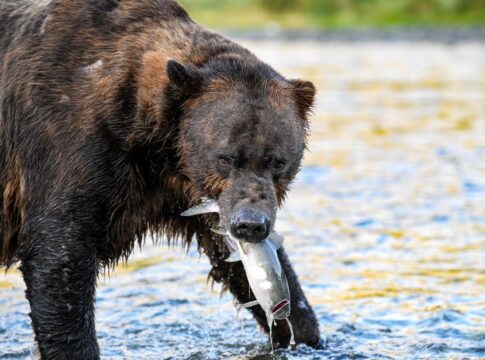
Picture a massive grizzly bear weighing up to 800 pounds charging through the wilderness. Now imagine that same bear outpacing a horse in a sprint. This surprising truth about grizzly bears defies what most people assume about these hulking predators. Despite their size and seemingly lumbering gait, grizzlies can reach speeds that would leave many horses struggling to keep up over short distances. The amazing facts about bear athleticism reveal just how little we truly understand about these powerful animals.
The common image of a slow, lumber-footed bear couldn’t be further from reality. When motivated, these apex predators transform into sprinting machines capable of remarkable bursts of speed that make them among the fastest land animals in North America.
Key Takeaways
- Grizzly bears can run at speeds up to 35 miles per hour, matching or exceeding many horse breeds over short distances
- Despite weighing between 400 and 800 pounds, grizzlies maintain their top speed for several hundred yards
- The bear’s running mechanics involve a distinctive gait where both legs on one side move together, creating surprising efficiency
- Running away from a charging grizzly is futile—they can cover 100 yards in approximately 6 seconds
- Black bears can run even faster than grizzlies, reaching speeds near 30-35 miles per hour despite being smaller
- Most domestic horses average 25-30 miles per hour at full gallop, with only racing breeds consistently exceeding grizzly speeds
How Fast Can Grizzly Bears Actually Run?
Grizzly bears reach top speeds of approximately 35 miles per hour during short sprints. This velocity puts them in direct competition with horses in terms of raw speed. A charging grizzly can maintain this pace for several hundred yards before tiring, which is more than enough distance to close the gap on any nearby threat or prey.
The National Park Service confirms these speeds and emphasizes that people should never attempt to outrun a bear. A human sprinter at peak performance might reach 15-20 miles per hour for a few seconds. A bear covers ground nearly twice as fast and sustains that speed far longer.
What makes this speed even more remarkable is the bear’s mass. An adult male grizzly typically weighs 400-790 pounds, with some individuals exceeding 1,000 pounds. Moving that much weight at 35 miles per hour requires extraordinary muscle power and cardiovascular capacity. The bear’s shoulder hump—a distinctive feature of grizzlies—consists almost entirely of muscle mass that powers the front legs during these explosive sprints.
Comparing Bear Speed to Horse Speed
The interesting comparison between bears and horses reveals nuances that trivia enthusiasts discover when examining the data closely. Not all horses are created equal when it comes to speed, and the type of horse matters enormously.
| Animal | Top Speed (mph) | Sustained Distance | Notes |
|---|---|---|---|
| Grizzly Bear | 35 | Several hundred yards | Short burst specialist |
| Draft Horse | 20-25 | Moderate distances | Built for power, not speed |
| Average Riding Horse | 25-30 | 1-2 miles | Standard gallop pace |
| Thoroughbred Racehorse | 40-45 | 1-2 miles | Bred specifically for speed |
| Quarter Horse | 45-55 | Quarter mile | Fastest acceleration |
Over a quarter-mile sprint, a Quarter Horse—bred specifically for explosive acceleration—would pull ahead of a grizzly. But in a 100-yard dash against a draft horse or average riding horse? The bear wins. This surprising truth challenges the assumption that horses universally outpace bears.
The Biomechanics Behind Bear Speed
Grizzly bears employ a distinctive running gait called “pacing,” where both legs on the same side of the body move forward simultaneously. This creates a rolling motion that looks awkward but proves remarkably efficient for their body structure. The massive shoulder muscles drive the front legs with tremendous force, while the hindquarters provide additional propulsion.
The bear’s claws—which can measure up to 4 inches long—dig into the ground like cleats, providing traction that would make a track athlete envious. These claws don’t retract like a cat’s, remaining permanently extended and constantly sharpened through digging and foraging activities.
Bears also possess a flexible spine that allows their back to arch and extend during running, increasing stride length. Each stride can cover 10-12 feet when the bear is at full speed. Combine that stride length with a rapid cadence, and you get an animal that closes distance with terrifying efficiency.
Why Speed Matters for Grizzly Survival
Grizzly bears didn’t evolve their impressive speed for chasing down prey alone. These omnivores obtain most of their calories from plants, berries, roots, and carrion. So why maintain the ability to sprint like a predator?
Speed serves multiple survival functions. Grizzlies occasionally hunt large mammals including elk, moose calves, and deer—particularly in spring when other food sources remain scarce. A quick burst of speed can mean the difference between a successful hunt and going hungry. Female grizzlies with cubs also use speed to position themselves between threats and their young, or to chase off rival bears and predators.
Territory defense represents another crucial application. Male grizzlies maintain large territories and must occasionally chase off intruders. The ability to cover ground quickly allows dominant bears to patrol and defend their ranges effectively. During mating season, males may pursue females across considerable distances, making speed and endurance valuable traits.
Common Myths About Bear Encounters
The myth that you should run downhill to escape a bear persists despite being thoroughly debunked. The theory suggested that a bear’s front legs are shorter than its rear legs, making downhill running difficult. This is false. Bears run downhill with the same efficiency they demonstrate on flat ground or uphill terrain.
Another dangerous misconception holds that climbing a tree provides safety from grizzlies. While adult grizzlies rarely climb trees due to their size and claw structure, they absolutely can if motivated. Black bears climb with ease, and even large grizzlies have been documented climbing when pursuing prey or investigating food sources.
The idea that playing dead works in all bear encounters is also misleading. Playing dead may help during a defensive attack by a grizzly protecting cubs or a food source, but it proves disastrous if the bear views you as prey. Understanding bear behavior and proper encounter protocols—which wildlife agencies provide—matters far more than relying on myths.
Frequently Asked Questions
Can a human outrun a grizzly bear?
No. Even the fastest human sprinters reach only about 20 miles per hour for very short distances, while grizzly bears can run 35 miles per hour and sustain that speed for several hundred yards. Running from a bear is never recommended.
Are black bears faster than grizzly bears?
Black bears and grizzly bears reach similar top speeds of around 30-35 miles per hour. Black bears may have slightly better agility and tree-climbing ability, but both species are remarkably fast for their size.
How long can a grizzly bear maintain its top speed?
Grizzly bears can maintain their maximum speed of 35 miles per hour for several hundred yards, typically around 300-400 yards. This sprint distance is more than sufficient for most hunting and defensive situations they encounter.
What is the fastest bear species?
Most bear species achieve similar top speeds of 30-35 miles per hour, including grizzlies, black bears, and polar bears. The differences lie more in endurance, terrain specialization, and agility rather than pure maximum velocity.
The next time you encounter trivia about animal speeds, you’ll know that grizzly bears belong in the conversation alongside horses, wolves, and other swift creatures. These remarkable predators combine size, power, and velocity in ways that continue to fascinate wildlife biologists and outdoor enthusiasts alike. The wilderness holds more surprises than we often imagine—sometimes on four very fast legs.