








Why Vampires Fear Garlic Started With Medieval Plague Beliefs
By Trivia Owl, Staff Writer — Published November 6, 2026
Table of Contents
- Key Takeaways
- Why Medieval Plague Victims and Vampires Fear Garlic Became Linked
- The Surprising Science Behind the Superstition
- How Literature Transformed Folk Belief Into Pop Culture Icon
- Comparing Vampire Deterrents Across Cultures
- Other Interesting Facts About Garlic in Folklore
- Frequently Asked Questions
The image of a vampire recoiling from a bulb of garlic is as iconic as the fangs and cape. But why do vampires fear garlic in folklore? This surprising connection didn't emerge from ancient superstition about the undead—it grew from very real medieval fears about disease. During the devastating plague outbreaks that swept through Europe, garlic became associated with protection against illness and death. When communities tried to explain why some people survived while others perished, they wove these protective beliefs into their emerging vampire myths. Discover how a kitchen staple became vampire repellent through centuries of medical misunderstanding and cultural storytelling.
The fascinating link between garlic and vampires reveals how folklore often mirrors the anxieties of its time, transforming practical health practices into supernatural defense mechanisms.
Key Takeaways
- Medieval Europeans believed garlic's strong smell could ward off plague and disease-causing miasmas, or "bad air."
- Garlic was hung in homes and worn as amulets during plague outbreaks, creating an association between the herb and protection from death.
- Early vampire folklore merged with plague fears, as victims of contagious diseases were sometimes suspected of rising from graves to spread illness.
- Garlic contains allicin, a compound with genuine antimicrobial properties, giving the medieval belief an accidental scientific foundation.
- The garlic-vampire connection became cemented in popular culture through 19th and 20th century literature and films.
- Many cultures worldwide used garlic as protective medicine long before European vampire legends emerged.
Why Medieval Plague Victims and Vampires Fear Garlic Became Linked
During the Black Death and subsequent plague outbreaks from the 14th through 17th centuries, European physicians operated under the miasma theory of disease. They believed that foul-smelling air carried illness. Garlic, with its pungent odor, was thought to either purify the air or mask the dangerous smells that supposedly spread plague. Doctors wore beak-shaped masks stuffed with aromatic herbs, including garlic, when treating patients.
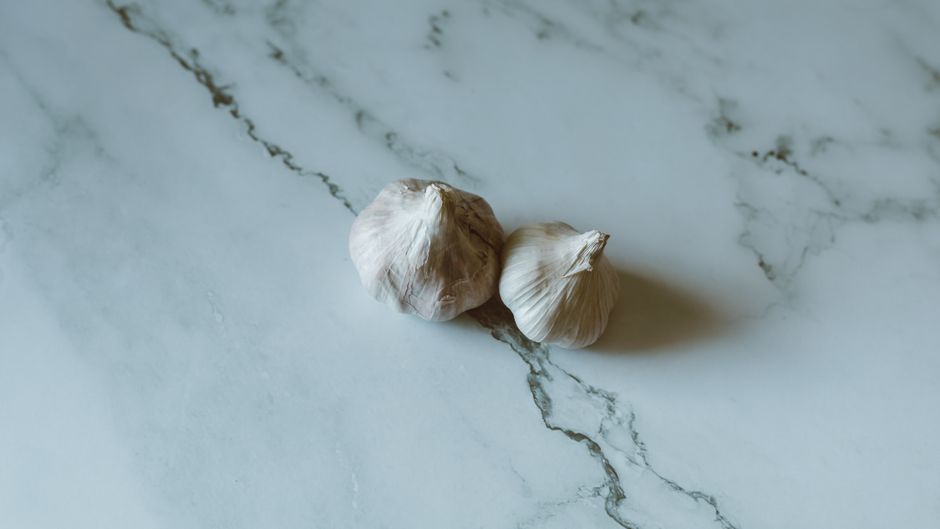
Communities desperate for protection hung garlic braids in doorways and windows. People wore cloves around their necks. The herb became a symbol of survival in the face of mass death—a death toll so severe that it killed roughly one-third of Europe's population during the initial Black Death outbreak in the 1340s.
As plague ravaged towns, another fear took hold. Bodies were sometimes buried hastily in shallow graves or mass pits. Natural decomposition processes could cause corpses to appear bloated, with blood at the mouth—phenomena that terrified observers interpreted as signs of vampirism. Some believed that plague victims who hadn't received proper burial rites might return as revenants or vampires to prey on the living, spreading disease further.
The logic became circular: if garlic protected against plague, and plague victims might become vampires, then garlic must also protect against vampires. This association solidified in Eastern European folklore, where vampire beliefs were particularly strong in regions repeatedly devastated by plague and other epidemics.
The Surprising Science Behind the Superstition
Medieval plague doctors were wrong about miasma, but accidentally right about garlic having protective properties. Modern research has confirmed that garlic contains allicin, a sulfur compound produced when garlic cloves are crushed or chopped. Allicin demonstrates genuine antibacterial, antifungal, and antiviral properties in laboratory settings.
While eating garlic wouldn't have stopped the bubonic plague—which spread through flea bites carrying the bacterium Yersinia pestis—the herb does offer some health benefits. Ancient and medieval peoples observed that garlic seemed to help with various ailments, even if they didn't understand the mechanisms. This empirical observation gave the superstition staying power.
Garlic's medical use extends back thousands of years across multiple civilizations. Ancient Egyptians fed garlic to pyramid builders for strength and health. Greek athletes consumed it before competitions. Roman soldiers ate it for courage and vitality. Chinese medicine incorporated garlic for respiratory and digestive complaints. The medieval European association with plague protection was simply the latest chapter in garlic's long history as a medicinal plant.
How Literature Transformed Folk Belief Into Pop Culture Icon
The garlic-vampire connection existed in oral folklore for centuries before appearing in written form. Early vampire stories from Eastern Europe mentioned various apotropaic items—objects believed to ward off evil—including garlic alongside crucifixes, holy water, and wild roses. But these tales remained regional until Western authors discovered them.
The 19th century saw an explosion of interest in Gothic horror and folklore from Eastern Europe. Writers began incorporating authentic folk beliefs into their fiction, though they often modified details for dramatic effect. Garlic appeared in various vampire stories, but its prominence grew gradually rather than appearing in a single definitive text.
Bram Stoker's 1897 novel "Dracula" significantly boosted garlic's vampire-repelling reputation. The character Professor Van Helsing uses garlic flowers to protect Lucy Westenra from the vampire's nocturnal visits, rubbing them around her room and making a garland for her neck. Stoker had researched Eastern European folklore and incorporated authentic protective measures, including garlic, into his narrative.
Film adaptations through the 20th century cemented the image. Early horror films showed characters wielding garlic cloves and bulbs against vampires, creating a visual shorthand that audiences immediately recognized. The trope became so established that later films could parody it, confident viewers would understand the reference.
Comparing Vampire Deterrents Across Cultures
| Region | Primary Deterrent | Cultural Origin |
|---|---|---|
| Eastern Europe | Garlic, wild roses, hawthorn | Slavic and Romanian folklore |
| Western Europe | Crucifixes, holy water, consecrated hosts | Christian religious practice |
| China | Sticky rice, mirrors, jade | Jiangshi (hopping vampire) traditions |
| Philippines | Salt, garlic, crushed ginger | Aswang legends |
| Greece | Bread with cross, exorcism | Vrykolakas beliefs |
Other Interesting Facts About Garlic in Folklore
Garlic's protective reputation extended far beyond vampires in traditional belief systems. Various cultures assigned the humble bulb remarkable powers against different supernatural threats.
- Ancient Greeks left garlic at crossroads as offerings to Hecate, goddess of witchcraft and magic, believing it could protect travelers from her darker aspects.
- Korean folklore suggested hanging garlic and red peppers above doorways to ward off evil spirits and bring good luck to newborns.
- Some European traditions held that garlic could protect against the evil eye, a curse cast through malevolent glares.
- Sailors in various maritime cultures carried garlic to protect against shipwrecks and storms, believing it had power over water spirits.
- Medieval Jewish communities used garlic in protective rituals, and it appears in Talmudic texts as having health-promoting properties.
The common thread across these diverse traditions is garlic's strong sensory presence—its taste, smell, and even the mild burning sensation it produces. Cultures worldwide seemed to reason that something so potent to human senses must also be powerful against invisible forces.
Frequently Asked Questions
Does garlic actually repel vampires?
Vampires are fictional creatures, so garlic has no effect on them in reality. The association exists only in folklore and popular culture, stemming from medieval beliefs about garlic's protective properties against disease and death.
Why do vampires hate garlic but not other strong-smelling foods?
Garlic specifically became linked to vampires because medieval Europeans used it as medicine and plague protection. Other pungent foods like onions occasionally appear in vampire folklore, but garlic's historical medical reputation made it the dominant choice in storytelling.
Did Bram Stoker invent the garlic and vampire connection?
No, Stoker drew from existing Eastern European folklore that already included garlic as vampire protection. His novel "Dracula" popularized the connection for English-speaking audiences but didn't originate it.
What other plants were believed to repel vampires?
Various European traditions included hawthorn, wild roses, wolfsbane, and ash wood as vampire deterrents. Hawthorn stakes were sometimes preferred over wooden stakes in certain regional folklore, and wild rose branches were placed on graves to prevent the dead from rising.
The next time you slice garlic for dinner, consider that you're handling a plant once thought powerful enough to hold death itself at bay. That medieval families clutched these same pungent cloves during humanity's darkest plagues reminds us how deeply our stories are rooted in our struggles to understand and survive the world around us.