
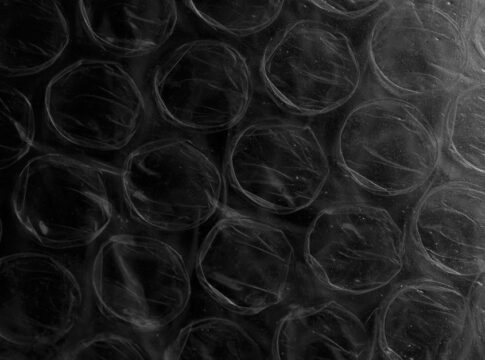
Did You Know Bubble Wrap Was Invented as Wallpaper
By Trivia Daily, Staff Writer — Published November 10, 2026
Table of Contents
- Key Takeaways
- How Bubble Wrap Was Invented: From Shower Curtains to Packaging Revolution
- The Science Behind the Pop: Why Bubble Wrap Works So Well
- Bubble Wrap Variations and Modern Applications
- The Cultural Impact of an Accidental Invention
- Frequently Asked Questions
Bubble wrap, that irresistibly poppable packing material found in shipping boxes worldwide, started life with far grander ambitions. When bubble wrap was invented in 1957, its creators envisioned it adorning the walls of modern homes as textured, three-dimensional wallpaper. This surprising trivia reveals how one of the most recognizable packaging materials came from a completely different vision—a fascinating example of how innovation often takes unexpected paths to success.
The story of bubble wrap’s invention is a reminder that failure in one market can lead to triumph in another. What began as an attempt to revolutionize interior design became a multimillion-dollar industry solving an entirely different problem.
Key Takeaways
- Bubble wrap was invented in 1957 by engineers Alfred Fielding and Marc Chavannes in Hawthorne, New Jersey, originally intended as textured wallpaper.
- The inventors created the material by sealing two shower curtains together, trapping air bubbles between the layers.
- After failing as wallpaper and greenhouse insulation, bubble wrap found success as a protective packaging material in 1960 when IBM adopted it to ship computers.
- The satisfying popping sensation has psychological benefits, with studies suggesting it can reduce stress and improve focus.
- Sealed Air Corporation, the company founded by the inventors, still manufactures bubble wrap and has created unpoppable versions for those who prioritize function over fun.
- An estimated amount of bubble wrap produced annually could wrap around the Earth multiple times, making it one of the most ubiquitous packaging materials globally.
How Bubble Wrap Was Invented: From Shower Curtains to Packaging Revolution
Alfred Fielding and Marc Chavannes were tinkering in a garage in Hawthorne, New Jersey, when they stumbled upon their creation. The two engineers sealed two plastic shower curtains together, creating a textured sheet filled with trapped air pockets. The result looked modern and three-dimensional—perfect, they thought, for the sleek interior design trends of the late 1950s.
They were wrong about wallpaper. Homeowners showed little interest in plastic bubble-covered walls. The material didn’t stick well, looked odd in most rooms, and failed to catch on with decorators or consumers. Undeterred, Fielding and Chavannes pivoted, marketing their invention as greenhouse insulation. Plants, after all, might benefit from the insulating properties of those trapped air pockets.
That didn’t work either.
The breakthrough came in 1960. IBM was searching for a reliable way to protect its new 1401 computer during shipping. These machines were expensive, delicate, and heavy—damage during transport meant significant financial losses. Fielding and Chavannes pitched their air-cushioned material as the solution. IBM agreed to test it, and bubble wrap finally found its calling. The lightweight, shock-absorbing properties that made it useless as wallpaper made it perfect for protecting fragile items in transit.
The Science Behind the Pop: Why Bubble Wrap Works So Well
Bubble wrap succeeds as packaging material because of basic physics. Each bubble contains air trapped under pressure within a flexible plastic seal. When an object wrapped in bubble wrap experiences impact, the air-filled bubbles compress and absorb the shock energy. This cushioning effect distributes force across multiple bubbles rather than concentrating it on the packaged item.
The material is remarkably efficient. It’s lightweight, reducing shipping costs, yet provides substantial protection. The plastic film—typically made from polyethylene—is flexible enough to conform to irregular shapes while maintaining structural integrity. Different bubble sizes serve different purposes: small bubbles for lightweight items and surface protection, larger bubbles for heavier objects requiring more cushioning.
The popping sensation that makes bubble wrap so satisfying to squeeze is a byproduct of its design. When you compress a bubble past its breaking point, the plastic seal ruptures with an audible snap. Research suggests this popping action may reduce stress by providing a physical outlet for nervous energy and creating a sense of accomplishment with each successful pop.
Bubble Wrap Variations and Modern Applications
Today’s bubble wrap comes in numerous configurations beyond the classic design. Manufacturers produce versions with different bubble sizes, plastic thicknesses, and even bubble shapes. Some variations include anti-static properties for protecting electronic components, while others feature biodegradable materials to address environmental concerns.
Sealed Air Corporation introduced an inflatable version that ships flat and gets filled with air on-site, dramatically reducing storage and transportation costs. They also created a version with interconnected air channels instead of individual bubbles—these sheets provide cushioning without the satisfying pop, disappointing stress-relievers but pleasing logistics managers who need reusable packaging.
| Bubble Wrap Type | Bubble Diameter | Best Use |
|---|---|---|
| Small bubble | 1/4 inch | Lightweight items, surface protection, wrapping around corners |
| Medium bubble | 3/8 inch | General-purpose packaging, moderate cushioning needs |
| Large bubble | 1/2 inch | Heavy items, maximum shock absorption, void fill |
| Giant bubble | 1 inch+ | Industrial applications, very heavy or fragile equipment |
The Cultural Impact of an Accidental Invention
Bubble wrap has transcended its utilitarian origins to become a cultural phenomenon. The last Monday in January is celebrated as Bubble Wrap Appreciation Day, when enthusiasts gather to pop sheets of the material in organized events. Some people create art with bubble wrap, while others use it for unconventional purposes—insulating windows, protecting plants from frost, or even as a temporary floor covering during moves.
The material appears in stress-relief products, smartphone apps that simulate popping, and countless online videos dedicated to the satisfying sounds of systematic bubble destruction. This cultural status is remarkable for a product that failed at its original purpose. Few wallpapers inspire dedicated appreciation days.
Environmental concerns have prompted innovation in recent years. Traditional bubble wrap, made from petroleum-based plastic, persists in landfills for decades. Manufacturers now produce versions from recycled materials and biodegradable alternatives, though these often come with trade-offs in durability and cost. The packaging industry continues searching for solutions that balance protection, sustainability, and yes, poppability.
Frequently Asked Questions
What was bubble wrap originally invented for?
Bubble wrap was originally invented in 1957 as textured wallpaper for homes. Creators Alfred Fielding and Marc Chavannes envisioned it as a modern, three-dimensional wall covering, but it failed to gain traction in the interior design market.
Why is popping bubble wrap so satisfying?
Popping bubble wrap provides tactile feedback and an audible reward that can reduce stress and anxiety. The repetitive action gives a sense of control and accomplishment, while the physical act may release nervous energy, similar to other fidgeting behaviors.
Can bubble wrap be recycled?
Yes, bubble wrap can typically be recycled with plastic bags at designated drop-off locations, though it’s usually not accepted in curbside recycling bins. Many grocery stores and retail chains collect plastic film for recycling, and bubble wrap qualifies as plastic film.
Is there bubble wrap that doesn’t pop?
Yes, Sealed Air Corporation created bubble wrap with interconnected air channels rather than individual sealed bubbles. This design maintains cushioning properties while preventing popping, making it reusable for multiple shipments but eliminating the stress-relief benefits many people enjoy.
The next time you receive a package cushioned in bubble wrap, remember you’re handling a material that began as a wallpaper dream. Its journey from failed interior design product to indispensable packaging staple proves that sometimes the best inventions are the ones that find their purpose by accident—and give us something satisfying to pop along the way.