










1 / 10 Questions
0 Points

Which branch of government can override a presidential veto with a two-thirds majority vote?

Congress

The Cabinet

The Joint Chiefs of Staff

The Supreme Court

Points won
0
Correct score
0%

More Questions

9 Strange Facts About Venus Flytraps Counting Touch Signals

Venus flytraps count touch signals before snapping shut on prey. Discover 9 strange facts about these carnivorous plants and their hunting abilities.

Did You Know Vampires Cannot Cross Running Water

Vampire legends reveal why the undead cannot cross running water. Discover the folklore origins behind this enduring supernatural boundary and protection.

Which ice cream bar came from a boy’s tough choice?

Which ice cream bar came from a boy's tough choice? Question 1: Which ice cream bar came from a boy's tough choice? A. Edy's Pie B. Klondike...

More Articles

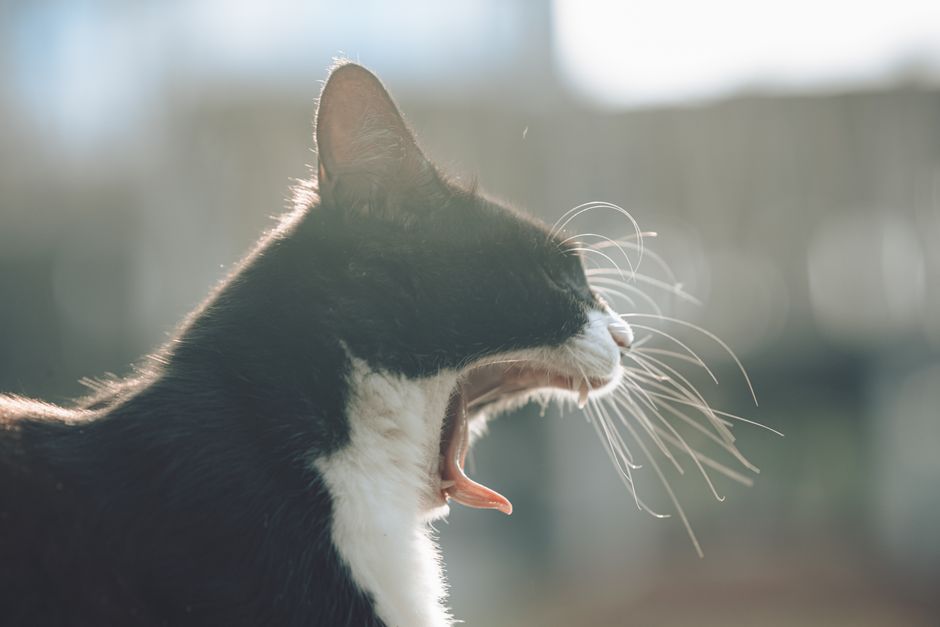
Why We Yawn: The Brain Cooling Theory Explained

Why We Yawn: The Brain Cooling Theory Explained

Why We Yawn: The Brain Cooling Theory Explained

By Trivia Owl, Staff Writer — Published September 4, 2026

Table of Contents

You've felt it countless times: that irresistible urge to open your mouth wide, inhale deeply, and stretch your jaw. Yawning is one of those everyday mysteries we rarely question, yet scientists have puzzled over it for centuries. While most people assume yawning simply means we're tired or bored, the yawn brain cooling theory offers a fascinating alternative explanation. This theory suggests that yawning might actually serve as your body's built-in air conditioning system for your brain, helping regulate temperature when things get a little too warm upstairs.

The idea that yawning cools the brain challenges our assumptions about this universal behavior. Humans aren't alone in this reflex—dogs, cats, birds, reptiles, and even fish yawn. If yawning were merely about oxygen or sleepiness, why would cold-blooded animals do it? The brain cooling hypothesis provides a compelling answer to this curious trivia question.

Key Takeaways

  • The brain cooling theory proposes that yawning helps regulate brain temperature by increasing blood flow and bringing cooler air into the nasal and oral cavities.
  • Research shows people yawn more frequently when ambient temperatures are moderately warm, but less when it's very hot or very cold.
  • Yawning is contagious across species, with humans catching yawns from other humans, dogs, and even videos of yawning faces.
  • The average yawn lasts about six seconds and involves stretching the jaw to its maximum capacity.
  • Nearly all vertebrate animals yawn, suggesting this behavior serves a fundamental biological function beyond simple boredom.
  • Holding a cold compress to your forehead can actually reduce the urge to yawn, supporting the temperature regulation hypothesis.

The Yawn Brain Cooling Mechanism: How It Works

When you yawn, you're not just opening your mouth—you're activating a complex physiological process. The deep inhalation draws cooler air through your mouth and nasal passages, which sit right beneath your brain. This incoming air cools the blood vessels in these cavities, and that cooled blood then flows to the brain.

But there's more to it. Yawning also stretches the walls of the maxillary sinuses, acting like a bellows to pump air through the cavities. The forceful stretching of your jaw increases blood flow to the skull while simultaneously flexing the facial muscles. This combination of cooling air intake and increased circulation creates an efficient heat exchange system.

Think of it as similar to how a computer uses fans to prevent overheating. Your brain generates significant heat through its constant electrical and chemical activity. When brain temperature rises even slightly, cognitive performance can decline. A well-timed yawn might be your body's way of maintaining optimal operating temperature.

Temperature and Yawning Frequency: The Surprising Connection

If yawning really cools the brain, we'd expect to see patterns related to temperature. That's exactly what researchers have discovered. Studies conducted in different climates reveal interesting facts about when people yawn most.

In one widely-cited experiment, participants yawned more frequently when outdoor temperatures were moderate—around 68 to 72 degrees Fahrenheit. When temperatures dropped below freezing or climbed above 98 degrees, yawning decreased significantly. Why? When it's extremely cold, bringing frigid air into your head doesn't help. When it's extremely hot, the incoming air is too warm to provide cooling benefits.

This temperature window explains something curious: people tend to yawn more during seasonal transitions, particularly in spring and fall when temperatures fluctuate. Your brain is constantly adjusting to changing conditions, and yawning might be part of that adaptation process.

Why Yawning Is Contagious: A Social Mystery

Contagious yawning remains one of the most amazing aspects of this behavior. You see someone yawn, and suddenly you need to yawn too. Even reading about yawning can trigger the urge. This social aspect doesn't immediately fit the brain cooling theory, but it might reveal something deeper about how our brains synchronize.

Contagious yawning appears linked to empathy and social bonding. Humans are more likely to catch yawns from people they know and care about than from strangers. Children don't typically develop contagious yawning until around age four or five, when their capacity for empathy is developing. People with certain conditions that affect social cognition may experience reduced contagious yawning.

Here's where it gets interesting: if a group's brains are all warming up due to similar environmental conditions or mental effort, synchronized yawning could help everyone regulate temperature together. It's a form of physiological coordination, like how women living together sometimes synchronize menstrual cycles.

Common Yawning Myths Debunked

For decades, the prevailing explanation was that we yawn to get more oxygen into our blood. This seems logical—after all, you take a deep breath when you yawn. But research has thoroughly debunked this theory. Studies where participants breathed oxygen-enriched air or exercised vigorously (both situations that affect oxygen levels) showed no significant change in yawning frequency.

Another persistent myth links yawning exclusively to tiredness. While we do yawn more when sleepy, that's not the whole story. Athletes yawn before competitions. Paratroopers yawn before their first jump. Concert musicians yawn backstage before performances. In these cases, people are experiencing arousal and anticipation, not fatigue. What these situations share is mental intensity and potentially elevated brain temperature from heightened neural activity.

The boredom explanation also falls short. Yes, you might yawn during a dull lecture, but boredom itself doesn't cause yawning. The understimulated brain may overheat from trying to maintain alertness without engaging content to focus on, triggering the cooling response.

Yawning Across the Animal Kingdom

Discover the breadth of yawning in nature, and you'll find it spans an incredible range of species. Mammals universally yawn, from tiny mice to massive elephants. Birds yawn. Reptiles and amphibians yawn. Even some fish exhibit yawn-like behaviors. This universality suggests yawning serves a fundamental purpose that transcends species-specific needs.

Different animals show interesting variations. Snakes yawn to realign their jaws after eating. Penguins yawn as part of courtship displays. But the core behavior—the wide jaw opening, the deep inhalation—appears across vertebrate evolution. If yawning helps regulate brain temperature, this makes perfect sense. All these animals have brains that generate heat and benefit from cooling.

Animal Group Yawning Observed Notable Characteristics
Mammals Yes, universal Yawn duration varies by brain size
Birds Yes, common Often yawn after waking
Reptiles Yes, frequent May help with thermoregulation
Fish Yes, some species Resembles mouth gaping behavior
Amphibians Yes, observed Less studied than other groups

Frequently Asked Questions

Why do I yawn when I'm not tired?

Yawning isn't just about sleepiness—it appears to help regulate brain temperature during any situation that increases mental activity or stress. This explains why people yawn before important events, during intense concentration, or when experiencing anxiety.

Can you stop a contagious yawn?

While difficult, you can sometimes suppress a contagious yawn through conscious effort, breathing through your nose, or cooling your forehead. However, resisting takes mental energy, and the urge often returns moments later.

Do all humans yawn the same amount?

Yawning frequency varies significantly among individuals and throughout the day. Most people yawn between five and ten times daily, with peaks typically occurring after waking and before sleep when the brain is transitioning between states.

Why does thinking about yawning make you yawn?

Simply reading or thinking about yawning activates the same brain networks involved in actually observing someone yawn. This mental simulation can trigger the contagious yawning response, demonstrating how powerfully our brains link thought and physical action.

Next time you feel a yawn coming on, pay attention to what your body is telling you. That simple reflex might be your brain's elegant solution to staying cool under pressure, a reminder that even our most mundane behaviors often hide remarkable biological sophistication. Your yawn is millions of years of evolution at work, keeping your most vital organ running at peak performance.
The Secret Ingredient in Vanilla Extract You Never Knew

The Secret Ingredient in Vanilla Extract You Never Knew

The Secret Ingredient in Vanilla Extract You Never Knew

By Trivia Owl, Staff Writer — Published September 8, 2026

Table of Contents

When you reach for that small brown bottle of vanilla extract in your pantry, you're probably thinking about cookies, cakes, or maybe French toast. What you're definitely not thinking about is beaver glands. Yet for decades, a compound derived from the castor sacs of beavers has been used as a vanilla flavoring alternative in foods and fragrances. This secret ingredient vanilla fans rarely discover is called castoreum, and while it sounds like something from a medieval apothecary, it's an FDA-approved natural flavoring that might have been in products you've consumed. The story behind this surprising substance reveals fascinating trivia about how we create the flavors we love.

Castoreum comes from castor sacs located near the beaver's tail. Beavers use this brownish secretion to mark their territory and waterproof their fur. The compound has a sweet, musky, vanilla-like aroma that made it valuable to perfumers and flavorists for centuries. Before you panic about your morning latte, though, there's good news: castoreum is extremely rare in modern food production due to its cost and the labor-intensive harvesting process.

Key Takeaways

  • Castoreum, a secretion from beaver castor sacs, has been used as a vanilla flavoring substitute and is classified as "generally recognized as safe" by the FDA.
  • The compound is extremely expensive and rare in modern foods, with annual usage in North America estimated at only around 300 pounds across all applications.
  • Real vanilla extract comes from vanilla orchid pods and must contain at least 35% alcohol and 13.35 ounces of vanilla beans per gallon to meet U.S. standards.
  • Most vanilla flavoring today comes from vanillin synthesized from wood pulp lignin or guaiacol, not from beavers or vanilla beans.
  • Castoreum appears on ingredient labels simply as "natural flavoring," making it nearly impossible for consumers to identify.
  • The beaver secretion has been used in perfumery and medicine for over 2,000 years, dating back to ancient civilizations.

What Makes Castoreum Smell Like Vanilla

Beavers are herbivores that feed on bark, leaves, and aquatic plants. Their diet influences the chemical composition of castoreum, which contains over 24 different compounds. Among these are phenolic compounds similar to those found in vanilla beans, including vanillin itself. The castor sacs concentrate aromatic compounds from the beaver's plant-based diet, creating a complex scent profile that humans find surprisingly pleasant.

The similarity to vanilla isn't perfect, though. Castoreum has a more complex aroma with leathery, musky undertones alongside its sweet vanilla notes. Perfumers have prized this complexity for centuries, using it as a base note in fragrances. In food applications, it was typically used to enhance vanilla, strawberry, and raspberry flavors rather than replace them entirely.

Harvesting castoreum requires either trapping beavers or, more recently, milking the glands of anesthetized beavers on farms. The process is time-consuming and yields only small amounts of material per animal. A single beaver produces roughly a few ounces annually. This scarcity, combined with ethical concerns and the availability of cheaper alternatives, has made castoreum a curiosity rather than a staple in modern food manufacturing.

The Real Story Behind Vanilla Extract

Authentic vanilla extract comes from the seed pods of vanilla orchids, primarily Vanilla planifolia. These orchids are native to Mexico but now grow in tropical regions worldwide, with Madagascar producing the majority of the world's supply. The pods undergo a months-long curing process that develops their characteristic flavor through enzymatic reactions.

U.S. regulations specify that pure vanilla extract must contain vanilla bean extractives in a solution of at least 35% alcohol. The ratio is precisely defined: 13.35 ounces of vanilla beans per gallon of liquid. This standard ensures consumers get genuine vanilla flavor, not imitations. The extract's dark color comes from the concentrated compounds extracted from the cured pods, including vanillin, vanillic acid, and hundreds of other flavor molecules.

Real vanilla is expensive. Vanilla orchids are hand-pollinated in most growing regions, and the beans require careful processing. Weather events, political instability, and fluctuating demand have caused vanilla prices to spike dramatically in recent years, sometimes making it more expensive per pound than silver.

How Most Vanilla Flavoring Is Actually Made

Given the high cost of real vanilla and the rarity of castoreum, where does most vanilla flavoring come from? The answer is synthetic vanillin, which accounts for approximately 99% of the vanilla flavoring used worldwide. Scientists can synthesize vanillin from several precursor compounds, making it affordable and abundant.

Historically, vanillin was synthesized from lignin, a compound found in wood pulp—a byproduct of papermaking. Today, it's also produced from guaiacol, a petroleum derivative, or through bioengineered yeast that converts ferulic acid into vanillin. These methods produce chemically identical vanillin molecules to those found in vanilla beans, though they lack the hundreds of other compounds that give natural vanilla its complex flavor profile.

Vanilla Source Cost (Relative) Flavor Complexity Common Uses
Natural vanilla extract Very High Highly complex (200+ compounds) Premium baked goods, ice cream
Synthetic vanillin Very Low One-dimensional Most commercial products
Castoreum Extremely High Complex, musky-sweet High-end perfumes, rarely food
Natural vanillin (bioengineered) Moderate Single compound, "natural" label Premium products seeking natural claims

Why Castoreum Rarely Appears in Your Food

Despite its approved status, castoreum is vanishingly rare in modern food products. The reasons are practical and economic. First, it's prohibitively expensive—far more costly than synthetic vanillin or even real vanilla extract. Second, harvesting it is labor-intensive and ethically questionable to many consumers. Third, it doesn't meet the growing demand for vegan and vegetarian products.

When castoreum is used, it's almost always in high-end alcoholic beverages, particularly certain Swedish schnapps, or in luxury perfumes rather than everyday foods. The "natural flavoring" label requirement means manufacturers aren't obligated to specify castoreum by name, but its cost alone makes its presence unlikely in mass-market products.

The castoreum story persists in popular culture partly because it's such a surprising fact—the kind of trivia that makes people do a double-take. It serves as a reminder that "natural" doesn't always mean what we think it means, and that flavor science has a long, strange history.

Frequently Asked Questions

Is castoreum still used in vanilla-flavored products today?

Castoreum is extremely rare in modern food products due to its high cost and limited supply. When used at all, it appears more commonly in perfumes and occasionally in premium alcoholic beverages rather than typical vanilla-flavored foods.

How can I tell if a product contains castoreum?

You cannot easily identify castoreum on labels because it's listed simply as "natural flavoring" under FDA regulations. However, its rarity and expense mean it's unlikely to be in mass-market products you encounter regularly.

Is synthetic vanilla flavoring bad for you?

Synthetic vanillin is chemically identical to natural vanillin and is considered safe by food safety authorities worldwide. The main difference is flavor complexity—natural vanilla contains hundreds of compounds beyond vanillin that contribute to its richer taste.

Why is real vanilla extract so expensive?

Vanilla orchids require hand-pollination in most growing regions, and the beans need months of labor-intensive curing. Weather events, crop failures, and high demand have made vanilla one of the world's most expensive spices by weight.

The next time you bake cookies or add vanilla to your coffee, you'll know the surprising history behind that familiar flavor. While castoreum might make for shocking trivia, the real magic lies in how humans have found countless ways—from orchid pods to beaver glands to wood pulp—to recreate a taste we simply can't resist.