
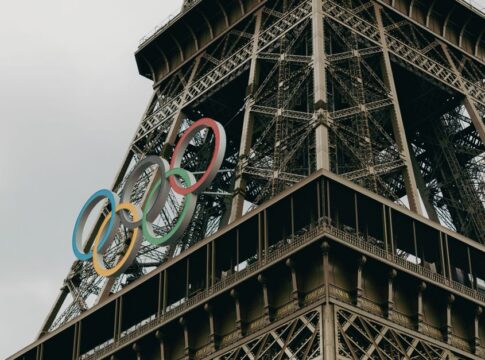
7 Surprising Facts About the Eiffel Tower Painted History
By Trivia Daily, Staff Writer — Published November 26, 2026
Table of Contents
- Key Takeaways
- The Eiffel Tower Painted in Unexpected Colors
- The Monumental Task of Repainting
- Comparing Paint Requirements Across Famous Monuments
- The Science Behind Choosing the Right Color
- Frequently Asked Questions
Standing tall above the Paris skyline, the Eiffel Tower isn’t just an iron marvel—it’s a canvas that’s been repainted more times than most people realize. This iconic monument requires a complete paint job roughly every seven years, a tradition that has continued since its construction in 1889. The Eiffel Tower painted surface tells a story of changing tastes, engineering challenges, and surprising color choices that would shock anyone who assumes it’s always been the same shade of brown.
From vibrant yellows to deep reds, the tower has worn many hues throughout its lifetime. Each color change reflects not just aesthetic preferences, but practical considerations about preservation, visibility, and even optical illusions designed to enhance its appearance against the Parisian sky.
Key Takeaways
- The Eiffel Tower has been repainted approximately 19 times since its construction, requiring about 60 tons of paint for each complete application.
- The tower has never been painted a single solid color—it currently uses three different shades to create an optical illusion of uniformity.
- The original color of the Eiffel Tower was reddish-brown, not the bronze-brown shade most people associate with it today.
- It takes a team of 25 painters about 18 months to complete a full repainting, working entirely by hand with brushes.
- The tower has been yellow, chestnut brown, and various shades of bronze throughout its history.
- Gustave Eiffel specified in his original plans that the tower should be repainted every seven years to prevent rust.
The Eiffel Tower Painted in Unexpected Colors
When the Eiffel Tower first opened to the public, it sported a dark red-brown color that Gustave Eiffel himself selected. This wasn’t a permanent choice. The tower’s color has changed numerous times over the decades, sometimes dramatically. In the 1890s and early 1900s, the tower wore a reddish-orange hue. During the 1950s, it was painted a warm yellow-brown shade that would look completely foreign to modern visitors expecting the familiar bronze tone.
The current official color, known as “Eiffel Tower Brown,” has been in use since 1968. But even this isn’t a simple paint job. The tower is painted in three progressively lighter shades from bottom to top—darkest at the base, lightest at the summit. This gradient creates an optical illusion that makes the tower appear uniform when viewed from the ground, compensating for how atmospheric perspective affects our perception of distant objects against the sky.
The Monumental Task of Repainting
Painting the Eiffel Tower isn’t like painting a house. The structure contains approximately 18,000 metallic parts held together by 2.5 million rivets, creating an intricate lattice of surfaces that must be meticulously prepared and coated. Before any paint touches the iron, workers must remove all the old paint from previous applications—a process that involves scraping, sandblasting, and treating rust spots.
The painting crew uses about 60 tons of paint for each complete repainting cycle. That’s enough paint to cover a surface area of roughly 250,000 square meters. Every square inch must be painted by hand with brushes because the tower’s intricate ironwork makes spray painting impractical and potentially wasteful. The painters work without safety nets in some areas, relying on harnesses and platforms as they navigate the tower’s complex geometry at dizzying heights.
1. The Tower Uses Three Different Paint Shades Simultaneously
Most visitors never notice that the Eiffel Tower isn’t painted a single color. The engineering team applies three distinct shades of the official “Eiffel Tower Brown” from base to summit. The darkest shade covers the lower section, a medium tone paints the middle portion, and the lightest shade finishes the top. This graduated color scheme counteracts atmospheric perspective—the natural phenomenon where distant objects appear lighter and hazier. Without this clever gradient, the top of the tower would appear to fade into the sky, making the structure look less impressive and less solid than it actually is.
2. It Once Wore a Bright Yellow Coat
Between 1899 and 1954, the Eiffel Tower went through several dramatic color transformations that would seem outlandish today. For a period in the early 20th century, the tower was painted a distinctive yellow-brown shade that photographs from the era confirm looked strikingly different from its current appearance. The yellow phase represented a departure from the more subdued tones Eiffel originally envisioned. This color choice reflected changing aesthetic preferences in Paris and practical considerations about visibility and maintenance during different historical periods.
3. The Original Paint Job Took Two Years to Complete
When the Eiffel Tower was first constructed for the 1889 Exposition Universelle, applying its initial coat of paint required an enormous effort. The original painting took approximately two years to complete, involving dozens of workers who had to develop new techniques for coating iron at such heights and angles. Gustave Eiffel insisted on a specific reddish-brown shade he called “Venetian red,” and he demanded that the paint be applied in multiple layers to protect the iron from the elements. This meticulous approach to corrosion prevention is why the tower still stands today, more than 130 years after its construction.
4. Paint Protects the Tower from Rust and Collapse
The regular repainting isn’t just about aesthetics—it’s essential for the tower’s survival. Iron oxidizes when exposed to moisture and air, forming rust that can weaken the metal structure over time. The thick layers of paint create a barrier that prevents water and oxygen from reaching the iron surface. Without this protective coating, the tower would corrode and eventually become structurally unsound. The seven-year repainting cycle that Eiffel specified in his original plans was based on careful calculations about how long the paint could effectively protect the metal before it began to deteriorate and crack, allowing moisture to penetrate.
5. Each Repainting Requires 25 Skilled Painters Working 18 Months
The current repainting protocol involves a specialized team of about 25 painters who work for approximately 18 months to complete the entire tower. These aren’t ordinary house painters—they’re skilled professionals trained specifically in heritage monument preservation and high-altitude industrial painting. They must be comfortable working at extreme heights, often in challenging weather conditions, while maintaining the exacting standards required for such an important landmark. The work proceeds in sections, allowing the tower to remain open to visitors throughout most of the repainting process.
6. The Tower Has Been Painted 19 Times Since 1889
Following Gustave Eiffel’s directive to repaint every seven years, the tower has undergone approximately 19 complete repainting campaigns since its construction. Not every repainting has occurred exactly on schedule—wars, economic constraints, and other factors have occasionally delayed the work. The most recent campaigns have been particularly thorough, incorporating modern rust prevention techniques and paint formulations that offer better protection and longer-lasting color than the original 19th-century paints. Each repainting is documented by the Société d’Exploitation de la Tour Eiffel, the organization that manages the monument.
7. Future Repainting May Use Eco-Friendly Methods
The traditional repainting process generates significant environmental concerns. Removing old paint produces hazardous waste containing lead and other heavy metals from historical paint formulations. The painting operation itself releases volatile organic compounds into the atmosphere. Recent repainting campaigns have begun exploring more environmentally responsible approaches, including low-VOC paints and improved containment systems for paint removal debris. Some preservation experts have proposed future repainting cycles that might incorporate new protective coatings requiring less frequent application, though any changes must balance innovation with the need to preserve the tower’s historical character and appearance.
Comparing Paint Requirements Across Famous Monuments
| Monument | Paint Required | Repainting Frequency | Application Method |
|---|---|---|---|
| Eiffel Tower | 60 tons | Every 7 years | Hand brushing |
| Golden Gate Bridge | Continuous process | Ongoing maintenance | Spray and brush |
| Sydney Harbour Bridge | 30,000 liters | Every 10 years | Spray and brush |
| Forth Bridge (Scotland) | 230,000 liters | Continuous process | Spray application |
The Science Behind Choosing the Right Color
Selecting the appropriate color for the Eiffel Tower involves more than aesthetic preference. Engineers and preservation specialists must consider how different hues interact with natural light at various times of day and in different weather conditions. Darker colors absorb more heat, which can cause expansion and contraction of the metal structure. Lighter colors reflect sunlight but may show dirt and weathering more readily.
The current bronze-brown shade represents a compromise between multiple factors: historical authenticity, visual harmony with the Paris cityscape, practical maintenance considerations, and the optical effects created by the tower’s immense height. Paint chemists have developed specialized formulations that resist fading from ultraviolet exposure while maintaining flexibility to accommodate the metal’s thermal expansion and contraction throughout the seasons.
Frequently Asked Questions
What color was the Eiffel Tower originally painted?
The Eiffel Tower was originally painted a dark reddish-brown color that Gustave Eiffel called “Venetian red.” This was quite different from the bronze-brown shade it has worn since 1968, which is now considered its signature color.
How long does it take to paint the Eiffel Tower?
A complete repainting of the Eiffel Tower takes approximately 18 months with a team of about 25 specialized painters working by hand. The process cannot be rushed because of the tower’s complex structure and the need to maintain access for visitors.
Why does the Eiffel Tower need to be repainted so often?
The tower requires repainting every seven years to prevent rust and corrosion that would compromise its structural integrity. The paint creates a protective barrier between the iron and the elements, preventing oxidation that could weaken the metal over time.
Has the Eiffel Tower ever been painted a different color for special events?
While the tower has undergone many color changes throughout its permanent history, it has not been temporarily repainted for special events. However, it has been illuminated with colored lights for celebrations, creating the appearance of different colors without actually changing the paint.
The next time you see a photograph of the Eiffel Tower, look closely at how the color subtly shifts from base to summit. This carefully engineered gradient is just one of many thoughtful details that make this iron giant not just a structural marvel, but a masterpiece of applied color science that has been refined through more than a century of trial, error, and artistic vision.