
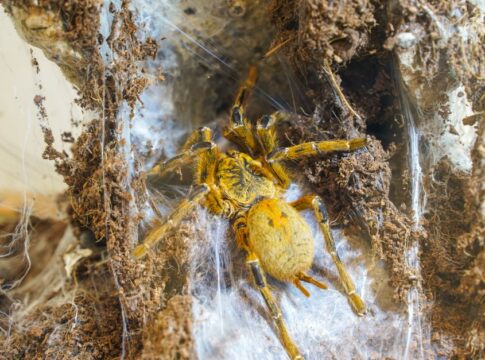
The Truth About Tarantulas: Are They Dangerous to Humans
By Trivia Daily, Animals Desk — Published September 28, 2026
Table of Contents
- Key Takeaways
- The Truth About Tarantulas Dangerous Reputation: Separating Fact from Fiction
- Defense Mechanisms: How Tarantulas Really Protect Themselves
- Venom Potency Across Species: A Comparative Look
- What Actually Happens During a Tarantula Bite
- Tarantulas in Their Natural Habitat: Ecological Importance
- Living Safely Alongside Tarantulas
- Frequently Asked Questions
Few creatures inspire as much fear as tarantulas, those large, hairy spiders lurking in terrariums and nightmares alike. Yet the truth about tarantulas and whether they’re dangerous to humans might surprise you. Despite their intimidating appearance and Hollywood’s portrayal of them as deadly killers, these eight-legged animals are among the most misunderstood species in the wildlife world. For most people, a tarantula encounter poses less danger than a bee sting.
These remarkable creatures have inhabited Earth for millions of years, adapting to diverse habitats from rainforests to deserts. Understanding tarantula behavior reveals that their fearsome reputation vastly exceeds reality.
Key Takeaways
- No tarantula species has venom potent enough to kill a healthy human adult, though bites can cause pain and allergic reactions.
- Tarantulas are typically docile and prefer to flee rather than fight when threatened by larger animals.
- The urticating hairs on New World tarantulas serve as their primary defense mechanism, not their bite.
- Over 1,000 tarantula species exist worldwide, with vastly different temperaments and venom potency.
- More people are hospitalized annually from domestic dog bites than from tarantula encounters globally.
- Tarantulas play crucial roles in nature as predators that control insect populations in their ecosystems.
The Truth About Tarantulas Dangerous Reputation: Separating Fact from Fiction
The gap between perception and reality couldn’t be wider when it comes to tarantulas. Movies and sensational media have painted these spiders as aggressive killers, but scientific observation tells a different story entirely.
Tarantulas possess venom, yes. All spiders do. But tarantula venom evolved to subdue their prey—insects, small lizards, and occasionally mice. The venom potency needed to immobilize a cricket differs dramatically from what would threaten a creature thousands of times larger. For humans, most tarantula bites compare to bee or wasp stings in terms of pain and medical significance. Some people experience more discomfort than others, and allergic reactions can occur, but fatalities are virtually nonexistent in medical literature.
The behavioral nature of these animals further reduces risk. Tarantulas are ambush predators, not hunters of large prey. When confronted by something as massive as a human, their instinct screams “retreat.” They’d much rather hide than bite. A tarantula bite typically happens only when the spider feels cornered with no escape route, or when handled roughly.
Defense Mechanisms: How Tarantulas Really Protect Themselves
New World tarantulas—those native to the Americas—employ a fascinating defense system that doesn’t involve biting at all. Their abdomens are covered with specialized urticating hairs that they can flick toward threats using their hind legs. These barbed hairs become airborne irritants that can cause itching, rashes, and discomfort if they contact skin or, more seriously, eyes and respiratory passages.
This hair-flicking behavior represents the tarantula’s first line of defense. It’s a warning system that says “back off” without requiring the spider to engage physically. Many tarantula keepers report that their pets have never bitten them but have deployed urticating hairs when startled or stressed.
Old World tarantulas—species from Africa, Asia, and Australia—lack these urticating hairs. They tend to be more defensive and quicker to bite when threatened. However, even among these species, their primary goal remains escape, not confrontation. The exception? Certain species like the Ornamental tarantulas are known for being particularly defensive and fast-moving, making them unsuitable for casual handling.
Venom Potency Across Species: A Comparative Look
Not all tarantulas are created equal when it comes to venom strength and temperament. Understanding these differences matters for both wildlife enthusiasts and those who might encounter these creatures in nature.
| Species Type | Temperament | Venom Effects on Humans | Geographic Habitat |
|---|---|---|---|
| Chilean Rose Hair | Docile, calm | Mild pain, slight swelling | South American deserts |
| Mexican Redknee | Generally calm | Minor irritation, comparable to bee sting | Mexican scrublands |
| Goliath Birdeater | Defensive but not aggressive | Moderate pain, nausea possible | South American rainforests |
| Indian Ornamental | Highly defensive, fast | Intense pain, muscle cramping | Indian forests |
| King Baboon | Aggressive when threatened | Significant pain, potential hospitalization | East African grasslands |
Even among the more potent species, permanent injury or death remains extraordinarily rare. Medical intervention typically involves treating symptoms—pain management and monitoring for allergic reactions—rather than administering antivenin.
What Actually Happens During a Tarantula Bite
Should a tarantula bite occur, the experience varies based on species and individual sensitivity. The immediate sensation resembles a sharp pinch as the fangs penetrate skin. Tarantula fangs are relatively large compared to other spiders, so the mechanical injury itself causes some pain.
Following the initial bite, venom injection may cause localized effects. Redness and swelling at the bite site are common. Some people report throbbing pain that radiates from the wound. Muscle cramping can occur with more potent species. These symptoms typically peak within a few hours and gradually subside over one to three days.
Serious complications are uncommon but possible. Allergic reactions represent the greatest risk, much like with bee stings. Anaphylaxis, though rare, requires immediate medical attention. Secondary infection from the bite wound can develop if the area isn’t kept clean. Very young children, elderly individuals, or those with compromised immune systems should seek medical evaluation after any tarantula bite.
Tarantulas in Their Natural Habitat: Ecological Importance
Beyond the danger question lies a more interesting truth: tarantulas serve vital roles in ecosystems worldwide. These predators help regulate insect populations, preventing outbreaks that could damage vegetation and spread disease. In tropical rainforests, they’re among the primary controllers of invertebrate numbers on the forest floor.
Their hunting behavior showcases remarkable adaptation. Most tarantulas are nocturnal, emerging from burrows or tree hollows after dark to hunt. They rely on vibration sensitivity rather than vision, detecting prey movement through specialized hairs on their legs. This patient, sit-and-wait strategy conserves energy in environments where food availability fluctuates seasonally.
Tarantulas themselves become prey for various animals, including tarantula hawk wasps, snakes, and certain mammals. This predator-prey relationship maintains balance within food webs. The tarantula hawk wasp, in particular, has evolved a fascinating reproductive strategy that depends entirely on paralyzing tarantulas and using them as living food sources for wasp larvae.
Living Safely Alongside Tarantulas
For those residing in areas where tarantulas naturally occur, coexistence requires minimal effort. These spiders don’t seek out human contact and rarely enter homes unless pursuing prey or seeking shelter during extreme weather.
Simple precautions reduce already-low encounter risks:
- Shake out shoes and clothing left outdoors overnight, particularly in garage or shed areas
- Use gloves when moving firewood, rocks, or garden debris where spiders might hide
- Seal cracks and gaps in home foundations that could serve as entry points
- Keep outdoor lights off when possible, as they attract insects that draw hunting tarantulas
- If you spot a tarantula indoors, safely capture it in a container and release it outside rather than killing it
Pet tarantula owners should handle their animals minimally and always over soft surfaces. The spiders themselves face greater danger from falls than humans face from bites. A dropped tarantula can rupture its abdomen, causing fatal injury to the spider.
Frequently Asked Questions
Can a tarantula bite kill you?
No documented cases exist of healthy adult humans dying from tarantula bites. While bites can be painful and cause temporary symptoms, tarantula venom lacks the potency to kill people. Allergic reactions pose the primary serious risk, similar to bee sting allergies.
Which tarantula species is most dangerous to humans?
Old World species like the Indian Ornamental and various African baboon tarantulas have the most potent venom and defensive temperaments. However, even these species rarely cause more than intense localized pain and temporary symptoms. The Poecilotheria genus is considered particularly medically significant among tarantulas.
Do tarantulas chase or attack humans?
Tarantulas do not chase humans. Their poor eyesight and predatory instincts focus on small prey. Apparent “charging” behavior is actually the spider attempting to flee in the only direction it perceives as open. They’re far more frightened of you than you are of them.
What should you do if you find a tarantula in your home?
Remain calm and keep pets and children away. Use a wide container to gently trap the spider against a wall or floor, slide paper underneath, and release it outdoors away from the house. Tarantulas found indoors are typically lost or seeking shelter, not invading intentionally.
The next time you encounter one of these remarkable animals, whether in the wild or in captivity, remember that fear and fascination need not be enemies. Tarantulas have survived and thrived for millions of years not through aggression toward large creatures, but through patience, adaptation, and a suite of defensive strategies that prioritize avoidance over confrontation. They’re not the monsters of legend—they’re simply spiders trying to survive in a world where being big and hairy makes you unfairly infamous.