
7 Surprising Facts About Unicorn Myths in Medieval History
By Trivia Daily, Staff Writer — Published November 29, 2026
Table of Contents
- Key Takeaways
- Understanding Unicorn Myths in Medieval Belief Systems
- The Seven Most Fascinating Unicorn Truths
- Comparing Medieval Unicorn “Evidence” Sources
- The Cultural Impact of Believing in Unicorns
- Frequently Asked Questions
The unicorn, with its spiraling horn and pristine white coat, stands as one of the most enduring symbols of medieval imagination. But the unicorn myths medieval scholars and scribes obsessed over weren’t simply flights of fancy. These creatures appeared in royal tapestries, medical texts, and even trade inventories. Medieval people believed unicorns were real animals, as genuine as elephants or lions, and this conviction shaped everything from medicine to international commerce. The gap between what medieval society believed about unicorns and what we know today reveals fascinating truths about how knowledge traveled, how myths solidified into “facts,” and why intelligent people accepted the impossible as reality.
Discover the surprising, sometimes bizarre stories behind one of history’s most beloved mythical beasts, and explore how a creature that never existed left very real marks on medieval culture, economy, and art.
Key Takeaways
- Medieval physicians prescribed powdered “unicorn horn” as an antidote to poison, though the material came from narwhals and other animals.
- Unicorn horn was so valuable in medieval Europe that a single piece could be worth ten times its weight in gold.
- The Bible’s King James translation includes unicorns nine times, cementing the creature’s legitimacy for medieval Christians.
- Medieval bestiaries claimed only virgin maidens could tame wild unicorns, linking the creature to Christian purity symbolism.
- Marco Polo reported seeing unicorns during his travels, but he was actually describing rhinoceroses, which disappointed his readers.
- Royal treasuries across Europe inventoried unicorn horns as genuine state assets alongside gold and jewels.
Understanding Unicorn Myths in Medieval Belief Systems
Medieval Europeans didn’t categorize unicorns as mythological. They appeared in bestiaries—illustrated volumes describing real and imagined animals—alongside creatures like elephants and crocodiles. Scholars treated ancient texts from Ctesias, a Greek physician who described one-horned wild asses in India around 400 BCE, as reliable natural history. The Roman historian Pliny the Elder reinforced these accounts centuries later, lending classical authority to unicorn existence.
The creature’s appearance in biblical translations proved even more convincing. When scholars translated the Hebrew Bible into Greek, they rendered the word “re’em” (likely referring to aurochs or wild oxen) as “monokeros”—one horn. This translation carried into Latin as “unicornis” and eventually into English versions. For medieval Christians, biblical mention settled any debate. If Scripture acknowledged unicorns, they must exist.
Medieval natural philosophers had no framework for distinguishing myth from misidentified reality. Travelers’ tales mixed genuine observations with exaggerations and secondhand accounts. A merchant might accurately describe an elephant but embellish stories about other exotic beasts. Without photography, standardized scientific method, or rapid fact-checking, separating truth from fiction proved nearly impossible.
The Seven Most Fascinating Unicorn Truths
1. Narwhal Tusks Fueled a Lucrative Unicorn Horn Trade
The spiral “horns” sold throughout medieval Europe as unicorn alicorns were actually narwhal tusks from Arctic whales. Norse traders who hunted narwhals in frigid northern waters rarely revealed their source, maintaining mystery and inflating prices. A single tusk could sell for astronomical sums—some historical records suggest values equivalent to a castle or small estate. Danish kings controlled much of this trade through Greenland, effectively monopolizing the unicorn horn market. The tusks’ natural spiral pattern and ivory composition made them seem appropriately magical for a mythical creature.
2. Royalty Used Unicorn Horn to Detect Poisoned Food and Drink
Medieval nobles lived in genuine fear of assassination by poison. They believed unicorn horn possessed the power to neutralize toxins or even sweat in the presence of poisoned substances. Royal courts incorporated alicorn into drinking vessels, created testing rods, or ground small amounts into wine before consumption. The Holy Roman Emperor’s treasury included a unicorn horn scepter, while French kings maintained elaborately carved alicorn drinking cups. This wasn’t superstition alone—it represented a logical response to real political dangers, using what they believed was the most powerful antidote available.
3. The Virgin and Unicorn Story Became Christian Allegory
Medieval bestiaries claimed wild unicorns were fierce, untamable beasts that only virgins could approach and pacify. According to these texts, hunters used young maidens as bait, positioning them in forests where unicorns roamed. The creature would approach the virgin, lay its head in her lap, and fall asleep, allowing hunters to capture it. Christian scholars transformed this hunting tale into religious symbolism: the unicorn represented Christ, the virgin symbolized Mary, and the capture paralleled the Incarnation. This allegorical reading appeared in countless illuminated manuscripts and influenced medieval art across Europe.
4. Marco Polo’s Unicorn Sighting Crushed Romantic Expectations
When Marco Polo returned from Asia in the late 13th century, he reported encountering unicorns in Java and Sumatra. His description, however, shattered European fantasies. He described them as scarcely smaller than elephants, with hair like buffalo, feet like elephants, and a single black horn in the middle of their foreheads. They wallowed in mud and were altogether ugly beasts, nothing like the graceful white creatures of European imagination. Polo had seen rhinoceroses. His honest account disappointed readers expecting confirmation of elegant unicorns but demonstrated how eyewitness reports could clash with established mythology.
5. Alicorn Commanded Prices Ten Times Higher Than Gold
The economic value of alleged unicorn horn reached staggering heights during the Renaissance. Detailed inventories from royal treasuries and merchant records show alicorn priced far above gold, precious gems, or other luxury goods. Queen Elizabeth I reportedly possessed a unicorn horn valued at £10,000—an almost incomprehensible fortune in 16th-century England. The substance’s supposed medicinal properties drove demand among wealthy elites terrified of poisoning. Apothecaries sold powdered alicorn at premium rates, while whole tusks became status symbols and diplomatic gifts between monarchs.
6. Scientific Tests Eventually Exposed the Unicorn Horn Fraud
By the 17th century, growing skepticism and emerging scientific methods began unraveling the unicorn horn trade. Experimenters tested alicorn’s supposed poison-detecting abilities under controlled conditions and found no special properties. The Royal Society in London examined specimens and determined they were marine animal teeth, not terrestrial mammal horns. Danish naturalists who studied Arctic fauna identified narwhals as the source. Yet even as scientific evidence mounted, many continued believing in unicorns themselves—they simply accepted that genuine unicorn horn remained undiscovered while fraudulent substitutes flooded the market.
7. Unicorn Imagery Dominated Heraldry and National Symbols
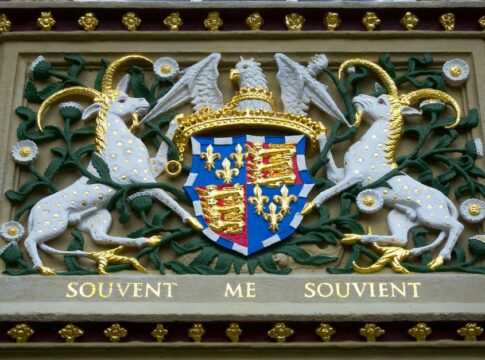
The unicorn’s symbolic power made it a favorite heraldic device across medieval and Renaissance Europe. Scottish royalty adopted the unicorn as a national symbol in the 12th century, representing purity, strength, and untamed spirit. When Scotland and England unified under James I, the royal coat of arms featured both the English lion and Scottish unicorn, a pairing that persists today. Countless noble families incorporated unicorns into their crests, valuing the creature’s associations with virtue, power, and rarity. This heraldic tradition ensured unicorn imagery remained prominent long after educated people stopped believing in the animal’s literal existence.
Comparing Medieval Unicorn “Evidence” Sources
| Source Type | Origin Period | Credibility Factor | Actual Explanation |
|---|---|---|---|
| Narwhal tusks | Medieval-Renaissance | High (physical object) | Arctic whale tooth traded by Norse merchants |
| Biblical translations | Ancient-Medieval | Very High (religious text) | Mistranslation of Hebrew “re’em” (wild ox) |
| Classical writings | Ancient Greece/Rome | High (scholarly authority) | Confused reports of rhinoceros or oryx |
| Traveler accounts | Medieval-Renaissance | Medium (eyewitness claims) | Misidentified rhinoceros or exaggerated tales |
The Cultural Impact of Believing in Unicorns
Medieval society’s conviction that unicorns existed had tangible consequences beyond folklore. The alicorn trade created genuine economic networks spanning from Arctic hunting grounds to European royal courts. Physicians incorporated unicorn horn into medical formularies, prescribing it for ailments ranging from epilepsy to plague. Wealthy patients paid fortunes for treatments containing powdered alicorn, enriching apothecaries and merchants.
Art and literature flourished around unicorn themes. The famous Unicorn Tapestries, woven in the late 15th century and now housed in The Cloisters museum in New York, represent some of medieval art’s finest achievements. These elaborate works depicted unicorn hunts in exquisite detail, blending natural observation of genuine animals and plants with imaginary unicorn imagery. Such artistic investments reflected how deeply unicorn mythology penetrated elite culture.
The persistence of unicorn belief also reveals how knowledge systems functioned before modern science. Medieval scholars relied on textual authority, eyewitness testimony, and logical deduction from accepted premises. When multiple authoritative sources—biblical, classical, and contemporary—agreed that unicorns existed, rejecting that consensus required rejecting entire frameworks of knowledge. Only when scientific method provided alternative verification systems could such beliefs be systematically challenged.
Frequently Asked Questions
Did medieval people really believe unicorns were real animals?
Yes, most medieval Europeans believed unicorns existed as genuine animals, not mythological creatures. Biblical references, classical texts, and physical “evidence” like narwhal tusks convinced scholars and common people alike that unicorns lived in distant lands, similar to other exotic but real animals like elephants.
Why was unicorn horn considered valuable medicine?
Medieval physicians believed unicorn horn could neutralize poisons, cure diseases, and purify contaminated water. This reputation made alicorn extraordinarily valuable, especially among nobility who faced genuine poisoning threats. The belief stemmed from ancient texts attributing magical purifying properties to the unicorn’s horn.
What animal did the Bible actually refer to as unicorn?
Biblical scholars now believe the Hebrew word “re’em,” translated as unicorn in older English versions, referred to aurochs—large wild cattle that went extinct in the 17th century. The translation error occurred when Greek scholars rendered the word as “monokeros” (one horn), which passed into Latin and English as unicorn.
When did people stop believing unicorns existed?
Educated Europeans gradually abandoned literal unicorn belief during the 17th and 18th centuries as scientific investigation revealed narwhal tusks as the alicorn source and no credible evidence emerged for living unicorns. However, the creature persisted in popular imagination, heraldry, and literature even after scientific consensus dismissed its existence.
The medieval unicorn reminds us that belief doesn’t require truth—it requires convincing evidence within a culture’s knowledge framework. Those spiral tusks, biblical verses, and traveler tales formed a compelling case that satisfied intelligent, educated people for centuries. Today’s scientific certainties may seem equally unshakeable, yet future generations might discover we too mistook narwhal tusks for unicorn horns in our own ways.