











1 / 10 Questions
0 Points

What chamber of the heart pumps blood to the body?

Right atrium

Left ventricle

Right ventricle

Left atrium

Points won
0
Correct score
0%

More Questions

The Truth About Hiccups: What Really Causes Them

Discover the real hiccup causes behind those annoying spasms. Learn what triggers diaphragm contractions and why your body reacts this way.

7 Strange Facts About Immortal Jellyfish Reversing Age

Immortal jellyfish can reverse their aging process and potentially live forever. Discover 7 bizarre facts about this tiny marine creature's unique biology.

What moldable toy compound was rebranded from Kutol’s wallpaper cleaner?

What moldable toy compound was rebranded from Kutol's wallpaper cleaner? Question 1: What moldable toy compound was rebranded from Kutol's wallpaper cleaner? A. Play-Doh B. Floam C. Gak D....

More Articles

Top 15 Secrets About Sleepwalking

Top 15 Secrets About Sleepwalking

⏱️ 5 min read

Top 15 Secrets About Sleepwalking

Sleepwalking, medically known as somnambulism, is a fascinating and often misunderstood sleep disorder that affects millions of people worldwide. While popular culture has portrayed sleepwalkers as zombie-like figures wandering with outstretched arms, the reality is far more complex and intriguing. This mysterious phenomenon continues to puzzle scientists and medical professionals alike. Here are 15 secrets about sleepwalking that reveal the true nature of this nocturnal behavior.

1. Sleepwalking Occurs During Deep Sleep, Not REM

Contrary to popular belief, sleepwalking does not occur during the dream-filled REM (Rapid Eye Movement) stage of sleep. Instead, it happens during the deepest stages of non-REM sleep, typically within the first few hours after falling asleep. This is when the brain is in slow-wave sleep, making the phenomenon even more mysterious since dreamlike activity is minimal during this phase.

2. It Runs in Families

Genetics play a significant role in sleepwalking. Studies show that if one parent has a history of sleepwalking, their child has a 45% chance of experiencing it. If both parents were sleepwalkers, that probability jumps to 60%. Researchers have identified specific chromosomes that may be linked to this hereditary trait, suggesting a strong biological component to the condition.

3. Children Are More Susceptible

Approximately 15% of children between ages 4 and 12 experience at least one sleepwalking episode, with peak occurrence around age 10. Most children naturally outgrow the condition by their teenage years. This higher prevalence in children is attributed to their developing brains and immature sleep patterns.

4. Sleepwalkers Have Their Eyes Open

Despite being asleep, sleepwalkers navigate with their eyes open and can even perform complex tasks. They may appear awake to observers, with a glassy-eyed or blank stare. This ability to move around while unconscious demonstrates the brain's remarkable capacity to function on different levels simultaneously.

5. Waking a Sleepwalker Is Not Dangerous

The old myth that waking a sleepwalker can cause a heart attack or psychological damage is false. While it may startle or confuse them temporarily, it poses no serious health risk. However, it's often better to gently guide them back to bed, as waking them can lead to disorientation and difficulty returning to sleep.

6. Episodes Usually Last Between 5 and 20 Minutes

Most sleepwalking episodes are relatively brief, lasting anywhere from a few minutes to half an hour. During this time, individuals may perform simple actions like sitting up in bed or walking around the room, though some episodes involve more complex behaviors that can last longer.

7. Sleepwalkers Rarely Remember Their Actions

One of the most intriguing aspects of sleepwalking is the complete amnesia that typically follows. Upon waking, individuals have little to no memory of their nighttime adventures. This memory gap occurs because the brain regions responsible for forming conscious memories are not fully active during deep sleep.

8. Stress and Sleep Deprivation Trigger Episodes

While genetics create susceptibility, environmental factors often trigger sleepwalking episodes. High stress levels, anxiety, sleep deprivation, irregular sleep schedules, and excessive fatigue can all increase the likelihood of an episode. Managing these factors can significantly reduce occurrence rates.

9. Certain Medications Can Induce Sleepwalking

Various medications have been associated with increased sleepwalking incidents, including some sedatives, antihistamines, antipsychotics, and sleep aids like zolpidem. The irony that sleep medications can cause sleepwalking highlights the complexity of how these drugs interact with brain chemistry and sleep architecture.

10. Complex Behaviors Are Possible

Sleepwalkers can perform surprisingly sophisticated tasks while asleep. Documented cases include cooking meals, driving cars, sending text messages, and even playing musical instruments. These complex behaviors suggest that significant portions of the brain remain active and capable of coordinated action during sleepwalking episodes.

11. It Can Be Dangerous

While sleepwalking itself is not inherently harmful, the potential for injury is real. Sleepwalkers may trip, fall down stairs, walk outside into dangerous situations, or attempt to perform activities that require full consciousness. Creating a safe sleep environment is crucial for those with this condition.

12. Adults Who Sleepwalk May Have Underlying Issues

When sleepwalking persists into adulthood or begins in later years, it may indicate underlying health concerns such as sleep apnea, restless leg syndrome, seizure disorders, or other neurological conditions. Adult-onset sleepwalking warrants medical evaluation to rule out these potential causes.

13. Alcohol Consumption Increases Risk

Alcohol disrupts normal sleep patterns and deepens slow-wave sleep, making sleepwalking episodes more likely in susceptible individuals. The sedating effects of alcohol combined with its impact on sleep architecture create conditions that favor somnambulism, especially when consumed close to bedtime.

14. Treatment Options Exist

For those with frequent or dangerous episodes, several treatment approaches are available. These include scheduled awakening techniques, improving sleep hygiene, cognitive behavioral therapy, stress management, and in some cases, medication. Safety measures like door alarms, locks, and removing obstacles from bedrooms are also important preventive strategies.

15. The Brain Shows Unusual Activity During Episodes

Brain imaging studies reveal that during sleepwalking, parts of the brain are awake while others remain asleep. The motor cortex (controlling movement) and areas handling spatial navigation show activity, while regions responsible for consciousness, judgment, and memory remain in a sleep state. This split-brain activity explains why sleepwalkers can move around yet have no awareness or memory of doing so.

Conclusion

Sleepwalking remains one of sleep medicine's most intriguing phenomena, demonstrating the brain's complex ability to function in multiple states simultaneously. From its genetic foundations to its unusual brain activity patterns, these 15 secrets reveal that sleepwalking is far more than just "walking in your sleep." Understanding these facts helps demystify the condition and emphasizes the importance of proper management and safety precautions for those affected. Whether outgrown in childhood or managed in adulthood, recognizing the triggers, risks, and realities of sleepwalking enables better care and reduces potential dangers associated with these mysterious nighttime journeys.
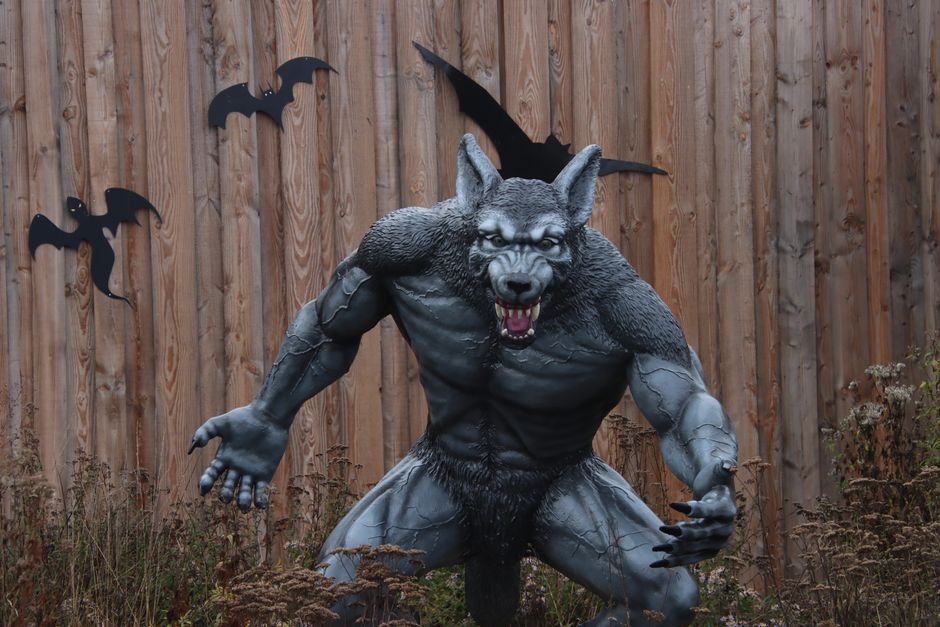
Werewolf Legend Origins: 7 Real Medical Conditions

Werewolf Legend Origins: 7 Real Medical Conditions

Werewolf Legend Origins: 7 Real Medical Conditions

By Trivia Daily, Staff Writer — Published September 1, 2026

Table of Contents

Throughout history, terrifying tales of humans transforming into wolves have haunted villages and filled folklore. But behind the werewolf legend origins lies a surprising truth: real medical conditions may have sparked these myths. People suffering from rare disorders exhibited symptoms so unusual that frightened communities attributed their afflictions to supernatural curses. Discover the amazing connection between medical science and monster mythology as we explore the fascinating facts behind these ancient fears.

From excessive hair growth to behavioral changes that mimicked animal instincts, these conditions created the perfect storm for werewolf stories to flourish. The trivia surrounding these real afflictions reveals how our ancestors tried to make sense of the unexplainable, turning medical mysteries into legendary creatures that still captivate us today.

Key Takeaways

  • Hypertrichosis causes excessive hair growth across the entire body, creating a wolf-like appearance that terrified medieval communities.
  • Porphyria produces severe photosensitivity and physical changes that may have contributed to vampire and werewolf legends alike.
  • Rabies infection causes aggressive behavior, hydrophobia, and animal-like symptoms that closely match werewolf transformation descriptions.
  • Clinical lycanthropy is a rare psychiatric condition where patients genuinely believe they can transform into animals.
  • Ergot poisoning from contaminated grain caused hallucinations and convulsions that entire villages experienced simultaneously.
  • These medical explanations don't diminish the cultural importance of werewolf legends—they reveal how humans process the unknown.

Understanding Werewolf Legend Origins Through Medical History

The werewolf legend origins stretch back thousands of years, appearing in ancient Greek mythology, Norse sagas, and medieval European folklore. But the interesting pattern emerges when examining historical accounts: many "werewolf" sightings coincide with documented outbreaks of specific diseases. Medical historians have traced connections between epidemic waves and supernatural accusations, revealing how communities coped with mysterious illnesses before modern medicine existed.

These legends served a psychological purpose. When people couldn't explain why their neighbor suddenly grew fur or behaved violently, attributing it to demonic possession or lunar curses provided a framework for understanding. The curiosity that drives us to explore these connections today is the same impulse that led our ancestors to create explanatory myths. Science has simply given us better tools to uncover the real stories behind the monsters.

The Seven Medical Conditions Behind Werewolf Myths

1. Hypertrichosis: The Wolf-Man Syndrome

Hypertrichosis causes abnormal hair growth across the entire body, including the face, creating an appearance strikingly similar to descriptions of werewolves. This rare genetic condition affects roughly one in a billion people, making it extraordinarily uncommon. Historical records document cases of individuals with hypertrichosis being displayed in royal courts and circuses as "wolf people" or "dog-faced men." The condition occurs when hair follicles that should remain dormant become activated, producing terminal hair in places typically covered only by fine vellus hair. Two main types exist: congenital (present at birth) and acquired (developing later in life). The dramatic visual transformation this condition creates would have been utterly inexplicable to medieval observers, making supernatural explanations almost inevitable.

2. Porphyria: The Photosensitive Curse

Porphyria encompasses a group of rare blood disorders that disrupt heme production, the component that makes blood red. Patients with certain types experience severe photosensitivity, meaning sunlight causes painful blistering and scarring. Over time, this damage can erode the lips and gums, making teeth appear more prominent and fang-like. The skin may become darkly pigmented or covered in thick hair. Sufferers often experience abdominal pain, confusion, and psychiatric symptoms during attacks. Because symptoms worsen with sun exposure, patients naturally became nocturnal—emerging only at night. This combination of physical disfigurement, light avoidance, and behavioral changes created a perfect template for both werewolf and vampire legends. Some researchers suggest that garlic, a traditional werewolf and vampire deterrent, might worsen porphyria symptoms, potentially explaining the folklore connection.

3. Rabies: The Infection That Mimics Transformation

Rabies infection produces symptoms remarkably similar to werewolf transformation descriptions. The virus attacks the central nervous system, causing aggressive behavior, excessive salivation, and hydrophobia—an intense fear of water that causes throat spasms when attempting to drink. Infected individuals may bite others violently, spreading the disease exactly as werewolf legends describe. The incubation period can last weeks or months, meaning victims might not connect their symptoms to an animal bite. Behavioral changes include restlessness, confusion, and hyperactivity. Muscle spasms, particularly in the throat and face, create grimacing expressions that early observers might have interpreted as animalistic snarling. Before modern medicine, rabies epidemics would have terrified communities, especially since the disease spreads through wolf bites—creating a direct connection to werewolf mythology.

4. Clinical Lycanthropy: Believing the Transformation

Clinical lycanthropy is a rare psychiatric syndrome where patients genuinely believe they transform into animals, most commonly wolves. This delusion can be incredibly specific, with patients reporting physical sensations of fur growing, bones reshaping, and animal instincts emerging. The condition typically occurs alongside other psychiatric disorders such as schizophrenia, bipolar disorder, or severe depression. Patients may walk on all fours, howl, and refuse human food while demanding raw meat. Brain imaging studies have shown unusual activity in regions responsible for body perception and identity. While modern psychiatry recognizes this as a treatable mental health condition, historical communities would have seen these individuals as literal werewolves, especially if their behavior coincided with full moons—a pattern that can occur due to the heightened visibility and cultural significance of lunar cycles affecting already-disturbed individuals.

5. Ergot Poisoning: The Hallucinogenic Grain

Ergot is a fungus that grows on rye and other grains, producing powerful alkaloids similar to LSD. When communities consumed contaminated bread, entire villages experienced simultaneous hallucinations, convulsions, and psychotic episodes. Symptoms include painful muscular contractions, crawling sensations on the skin, and vivid hallucinations—often of transforming into animals or seeing others transform. The condition, called ergotism or "St. Anthony's Fire," caused gangrenous limbs that turned black and fell off due to restricted blood flow. Mass outbreaks occurred throughout medieval Europe, particularly during wet growing seasons that favored fungal growth. A village experiencing collective hallucinations and physical symptoms would naturally seek supernatural explanations. The timing of outbreaks after harvest season, when new grain was consumed, created predictable patterns that communities might have attributed to lunar cycles or seasonal curses.

6. Congenital Generalized Hypertrichosis: The Hereditary Connection

Congenital generalized hypertrichosis differs from acquired forms by being present from birth and following hereditary patterns. Families affected by this condition appear throughout historical records, sometimes spanning multiple generations. The most famous cases include the Gonzales family of the 16th century, whose members served in European courts. This hereditary aspect would have reinforced werewolf mythology, as the "curse" appeared to pass from parent to child—exactly as folklore described lycanthropy being transmitted through bloodlines. The condition results from genetic mutations affecting hair follicle development and regulation. Because it's congenital, affected infants were born with full-body hair, making the condition seem even more supernatural to observers who expected newborns to have minimal hair. The predictable inheritance pattern created dynasties of "wolf people" that fed directly into legends of werewolf families.

7. Food Deprivation Psychosis: Starvation's Mental Toll

Severe malnutrition and starvation produce profound psychiatric symptoms that historical communities might have interpreted as werewolf transformations. Prolonged food deprivation causes hallucinations, personality changes, aggression, and obsessive thoughts about consuming meat. The body begins breaking down muscle tissue, creating physical changes in appearance and posture. Desperate, starving individuals might resort to eating raw meat, scavenging, or even attacking others for food—behaviors that would seem animalistic to well-fed observers. Medieval Europe experienced frequent famines, particularly during the Little Ice Age from the 14th to 19th centuries. During these periods, reports of werewolf sightings increased dramatically. Starving people wandering at night, exhibiting aggressive behavior and altered mental states, would have seemed transformed into predatory creatures. The connection between famine years and werewolf trial records suggests that nutritional psychiatry played a significant role in perpetuating these legends.

Comparing Key Werewolf-Associated Conditions

Condition Primary Symptoms Prevalence Werewolf Connection
Hypertrichosis Excessive body hair growth 1 in 1 billion Wolf-like appearance
Porphyria Photosensitivity, facial changes 1 in 25,000 Nocturnal behavior, tooth prominence
Rabies Aggression, hydrophobia, biting Variable by region Behavioral transformation, spread by bites
Clinical Lycanthropy Delusion of animal transformation Extremely rare Belief in actual werewolf transformation

Why These Conditions Created Lasting Legends

The persistence of werewolf legends across cultures reveals something fundamental about human psychology. We create narratives to explain the unexplainable. Before germ theory, genetics, and psychiatry, mysterious illnesses demanded supernatural explanations. The werewolf myth provided a complete framework: cause (curse or bite), symptoms (transformation), and even treatment (silver bullets, representing purity).

What makes these medical explanations particularly compelling is how precisely they match legendary descriptions. Rabies causes biting and aggression. Hypertrichosis creates hair growth. Porphyria drives nocturnal behavior. The legends weren't random fantasies—they were accurate observations filtered through a pre-scientific worldview. Communities noticed real patterns and documented them as best they could with the conceptual tools available.

Modern medicine hasn't killed the werewolf legend; it's simply revealed the human suffering behind the monster mask. These conditions still exist today, but we now respond with treatment rather than torches. The amazing transformation isn't from human to wolf—it's from fear to understanding.

Frequently Asked Questions

What medical condition most closely resembles werewolf transformation?

Hypertrichosis creates the most visually striking resemblance, causing excessive hair growth across the entire body and face that mirrors traditional werewolf depictions. However, rabies produces the most behaviorally accurate symptoms, including aggression, biting, and animal-like behavior.

Did people with these conditions actually believe they were werewolves?

Patients with clinical lycanthropy genuinely believe they transform into wolves or other animals, experiencing vivid delusions of physical transformation. However, most people with conditions like hypertrichosis or porphyria were fully aware they had medical conditions, though surrounding communities often treated them as cursed or supernatural.

Why were werewolf sightings more common during certain historical periods?

Werewolf reports increased during famine years, plague outbreaks, and rabies epidemics. The combination of malnutrition-induced psychosis, infectious disease spread, and social upheaval created conditions where mysterious illnesses flourished and supernatural explanations seemed most plausible to frightened communities.

Can any of these conditions actually be triggered by the full moon?

No medical condition is triggered by lunar phases. However, the full moon's brightness made nighttime activity more visible and culturally significant, so unusual behaviors occurring at any time were more likely to be noticed and remembered during full moons, creating a confirmation bias that reinforced the legend.

The next time you encounter a werewolf story, remember the real people behind the myth—individuals suffering from rare and frightening conditions in an age without medical understanding. Their legacy lives on not just in horror films, but in the curiosity that drives us to seek truth behind legend, transforming fear into knowledge one fact at a time.