










1 / 10 Questions
0 Points

What Daytime Soap Premiered In 1963 And Still Airs Today?

The Guiding Light

As the World Turns

General Hospital

Another World

Points won
0
Correct score
0%

More Questions

The Truth About Dragons Existing in Komodo Island Today

Dragon myths meet reality on Komodo Island where massive lizards roam today. Discover how ancient legends connect to these living prehistoric predators.

The Truth About Butterflies Tasting With Their Feet

Butterfly anatomy includes chemoreceptors on their feet that detect sweetness and nutrients. Discover how this unique sensory system helps them find food.

Why Humans Are the Only Animals With Chins

Discover the fascinating human anatomy feature that sets us apart from all other species. Learn why chins evolved exclusively in humans and what they

More Articles

Vampire Bat Saliva: The Medical Secret in Their Bite

Vampire Bat Saliva: The Medical Secret in Their Bite

Vampire Bat Saliva: The Medical Secret in Their Bite

By Trivia Daily, Staff Writer — Published September 7, 2026

Table of Contents

Vampire bats have haunted folklore for centuries, but the truth behind their bite is far more fascinating than fiction. These small mammals, native to Central and South America, possess something genuinely remarkable in their saliva: a powerful anticoagulant that has captured the attention of medical researchers worldwide. While the bat's reputation might inspire fear, vampire saliva medical research has uncovered surprising benefits that could save human lives. The very substance that allows these creatures to feed on blood contains compounds now being studied to treat stroke victims and prevent heart attacks.

Only three species of vampire bats exist, and they're the only mammals that feed exclusively on blood. Yet this unusual diet has driven an evolutionary adaptation that scientists find endlessly intriguing.

Key Takeaways

  • Vampire bat saliva contains a natural anticoagulant called draculin, named after the legendary Count Dracula, which prevents blood from clotting during feeding.
  • Medical researchers have developed experimental stroke treatments based on compounds found in vampire bat saliva, with some showing promise in dissolving dangerous blood clots.
  • Vampire bats can consume up to half their body weight in blood during a single feeding session, typically lasting about 30 minutes.
  • The anticoagulant properties in their saliva work differently from other blood thinners, targeting specific clotting factors without affecting others.
  • Despite their fearsome reputation, vampire bats rarely bite humans and typically feed on livestock like cattle and horses.
  • A vampire bat's bite is usually painless, as their saliva also contains mild anesthetic compounds that numb the feeding site.

The Vampire Saliva Medical Discovery That Changed Everything

Scientists first isolated the anticoagulant compound from vampire bat saliva in the 1960s, but serious medical research accelerated decades later. The protein, officially named Desmodus rotundus salivary plasminogen activator (or DSPA), works by activating plasminogen, a naturally occurring enzyme in human blood. When activated, plasminogen becomes plasmin, which breaks down fibrin—the protein mesh that forms blood clots.

What makes this compound particularly interesting is its specificity. Unlike many conventional blood thinners that affect multiple clotting pathways and can cause dangerous bleeding, the vampire bat enzyme targets clots more precisely. This selectivity could theoretically reduce the risk of hemorrhaging, a major complication in stroke treatment where doctors must balance dissolving harmful clots against triggering dangerous bleeding in the brain.

Clinical trials have explored synthetic versions of these compounds for treating ischemic strokes, where blood clots block vessels supplying the brain. Time is critical in stroke treatment—brain cells die rapidly without oxygen. Current clot-busting drugs must be administered within a narrow window, typically three to four and a half hours after symptom onset. Researchers hoped vampire bat-derived compounds might offer a longer treatment window or greater effectiveness.

How Vampire Bats Actually Feed

The feeding process reveals why such powerful anticoagulants evolved. Vampire bats don't actually suck blood—they lap it up. Using heat sensors on their noses, they locate blood vessels close to the skin's surface on sleeping prey. Their razor-sharp incisors make a small, shallow cut, typically less than seven millimeters deep. The wound barely disturbs the animal.

Once the cut is made, the bat's saliva immediately goes to work. The anticoagulant prevents clotting while the bat drinks. Without this adaptation, blood would quickly coagulate, ending the meal prematurely. The feeding bat needs a steady flow for the 20 to 30 minutes it typically spends at the wound site. A single bat might consume about two tablespoons of blood per feeding.

The saliva contains multiple compounds working together. Beyond anticoagulants, there are vasodilators that widen blood vessels, increasing flow. Pain-numbing agents keep the prey from waking and fleeing. It's a sophisticated chemical cocktail refined over millions of years of evolution.

Comparing Anticoagulant Approaches

Anticoagulant Type Source Primary Mechanism Medical Application
Vampire Bat Saliva (DSPA) Desmodus rotundus Activates plasminogen at clot sites Experimental stroke treatment
Warfarin Synthetic (originally from plants) Inhibits vitamin K-dependent clotting factors Preventing blood clots, atrial fibrillation
Heparin Animal tissues or synthetic Enhances antithrombin activity Surgery, dialysis, DVT prevention
Hirudin Medicinal leeches Directly inhibits thrombin Certain surgical procedures

Myths and Realities About Vampire Bats

Popular culture has distorted public perception of these creatures considerably. Vampire bats don't drain victims dry or pose significant threats to humans. Attacks on people are rare and typically occur only when natural prey is scarce. The bats are small—the common vampire bat weighs roughly one ounce—and couldn't consume enough blood to seriously harm a large mammal.

The real concern with vampire bat bites isn't blood loss but disease transmission. Vampire bats can carry rabies, making their bites medically significant in regions where they're common. However, the vast majority of their feeding occurs on livestock without incident. Ranchers in affected areas often report finding small wounds on cattle in the morning, with the animals showing no distress.

Another misconception involves their appearance. While not conventionally attractive, vampire bats don't resemble the monstrous creatures of horror films. They have pig-like noses, large ears, and a thumb they use for walking—a surprisingly agile gait that allows them to approach sleeping prey on the ground.

The Future of Vampire-Inspired Medicine

Research continues into therapeutic applications of vampire bat saliva compounds. Beyond stroke treatment, scientists are exploring uses in heart attack prevention and peripheral artery disease, where clots block blood flow to limbs. The challenge lies in refining these compounds for safe, effective use in humans while preserving their beneficial properties.

Other animals with anticoagulant saliva have also attracted medical interest. Leeches, mosquitoes, and certain snakes produce similar compounds, each with unique properties. Yet vampire bats remain particularly compelling because their anticoagulants evolved specifically to maintain steady blood flow from mammalian wounds—conditions remarkably similar to human cardiovascular issues.

The development process is lengthy and complex. Promising laboratory results must translate through animal studies and multiple phases of human trials before any treatment reaches patients. Some vampire bat-derived compounds have shown mixed results in clinical trials, demonstrating efficacy but not always outperforming existing treatments enough to justify approval and production costs.

Frequently Asked Questions

Do vampire bats only drink blood?

Yes, vampire bats are the only mammals that feed exclusively on blood, a diet called hematophagy. They cannot survive on any other food source and have evolved specialized digestive systems to process liquid blood meals.

Is the anticoagulant in vampire bat saliva dangerous to humans?

In the small amounts delivered during a bat bite, the anticoagulant causes minor bleeding that typically stops within hours. However, researchers studying concentrated forms take precautions, as larger quantities could theoretically cause excessive bleeding.

How did scientists discover the medical properties of vampire bat saliva?

Scientists studying vampire bat feeding behavior in the mid-20th century noticed that wounds continued bleeding long after the bats left. This observation led to biochemical analysis of their saliva, revealing the powerful anticoagulant compounds.

Are vampire bat-based medicines currently available?

As of now, no vampire bat-derived drugs have received widespread approval for routine clinical use. Several experimental treatments remain in various stages of research and development, with some having undergone clinical trials.

The next time you encounter vampire bat trivia, remember that these misunderstood creatures carry within them potential cures for some of humanity's deadliest conditions. Nature's pharmacy continues to surprise us, often in the most unexpected places—even in the saliva of a tiny bat lapping blood in the darkness.
Top 15 Most Fascinating Jellyfish

Top 15 Most Fascinating Jellyfish

⏱️ 8 min read

Top 15 Most Fascinating Jellyfish

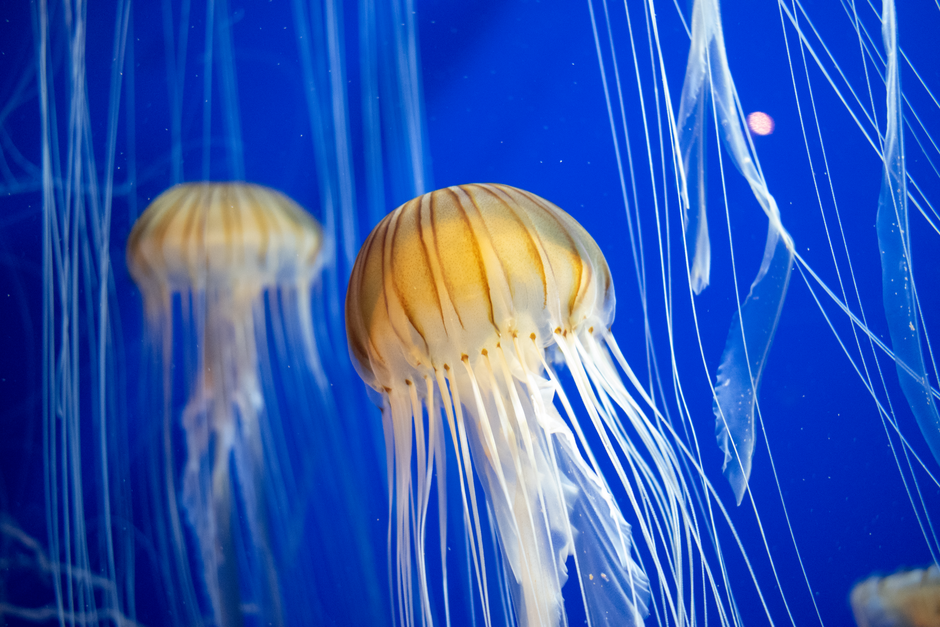
Jellyfish have been drifting through the world's oceans for over 500 million years, predating dinosaurs and most other life forms on Earth. These mesmerizing creatures, with their translucent bodies and graceful movements, represent some of the most ancient and successful organisms in marine ecosystems. Despite lacking brains, hearts, or bones, jellyfish have developed extraordinary adaptations that allow them to thrive in virtually every ocean environment. From bioluminescent species that illuminate the deep sea to immortal jellyfish that can reverse their aging process, these gelatinous animals continue to captivate scientists and nature enthusiasts alike. Here are the 15 most fascinating jellyfish species that showcase the remarkable diversity and wonder of these enigmatic ocean dwellers.

1. Turritopsis dohrnii (Immortal Jellyfish)

The Turritopsis dohrnii has earned the title of "immortal jellyfish" due to its unique ability to reverse its aging process. When faced with stress, injury, or old age, this tiny jellyfish can transform its mature cells back into polyps, essentially restarting its life cycle. This remarkable biological process, called transdifferentiation, theoretically allows the species to avoid death from natural causes, making it biologically immortal. Measuring only 4.5 millimeters in diameter, this small Mediterranean species has revolutionized scientific understanding of cellular development and aging.

2. Lion's Mane Jellyfish (Cyanea capillata)

The lion's mane jellyfish holds the record as the largest known jellyfish species, with some specimens reaching bell diameters of over 2 meters and tentacles extending more than 30 meters in length. Found in cold Arctic waters and the northern Atlantic and Pacific oceans, this massive creature derives its name from the thick, flowing mane of tentacles that cascade from beneath its bell like a lion's mane. Its tentacles contain powerful stinging cells that capture small fish, zooplankton, and other jellyfish.

3. Box Jellyfish (Chironex fleckeri)

Considered one of the most venomous marine animals on Earth, the box jellyfish is a formidable predator found in Indo-Pacific waters. Unlike most jellyfish, box jellies possess well-developed eyes and can actively swim at speeds up to 4.6 miles per hour. Their venom is so potent that a severe sting can cause cardiac arrest in humans within minutes. Each of their four sides can have up to 15 tentacles, and these tentacles contain thousands of nematocysts loaded with deadly toxins.

4. Moon Jellyfish (Aurelia aurita)

The moon jellyfish is one of the most widely recognized and commonly encountered jellyfish species, found in coastal waters worldwide. Named for its translucent, moon-like appearance, this species is easily identifiable by the four horseshoe-shaped gonads visible through its bell. Moon jellyfish have a mild sting that is generally harmless to humans, making them popular subjects for aquariums and scientific research. They can survive in a wide range of temperatures and salinity levels, contributing to their global distribution.

5. Atolla Jellyfish (Atolla wyvillei)

The Atolla jellyfish, also known as the alarm jellyfish, inhabits the deep sea at depths of 1,000 to 4,000 meters. When threatened by predators, this remarkable species produces a bioluminescent display called a "burglar alarm" that consists of bright, spinning pinwheels of light. This defensive strategy attracts larger predators that may attack the Atolla's attacker, giving the jellyfish a chance to escape. The species has a distinctive crown-shaped appearance with a deep red color that appears black in the deep ocean.

6. Cannonball Jellyfish (Stomolophus meleagris)

Named for its round, cannonball-like shape, this jellyfish is abundant in warm coastal waters of the Atlantic and Pacific oceans. The cannonball jellyfish lacks the long, trailing tentacles typical of many jellyfish species, instead having short oral arms that hang beneath its thick, dome-shaped bell. This species is commercially harvested in several countries and is considered a delicacy in Asian cuisine. They also form symbiotic relationships with juvenile spider crabs and other small fish that find shelter among their oral arms.

7. Pink Meanie Jellyfish (Drymonema larsoni)

The pink meanie is a relatively recently described species that was only formally classified in 2011, despite being observed for decades along the Gulf Coast. This large predatory jellyfish feeds almost exclusively on other jellyfish, particularly moon jellies. With a bell diameter that can exceed one meter and up to 70 oral arms, the pink meanie is an impressive sight. Its pink coloration comes from its diet of other jellyfish, and it uses its numerous tentacle-like appendages to capture and consume its gelatinous prey.

8. Mauve Stinger (Pelagia noctiluca)

The mauve stinger is a bioluminescent jellyfish found in the Mediterranean Sea and other warm ocean waters worldwide. When disturbed, it emits a glowing mucus that creates a spectacular light show in the dark ocean waters. This species delivers a painful sting that can cause lasting marks on human skin, earning its common name. The mauve stinger has a distinctive purple or mauve coloration with pink or purple wart-like protrusions on its bell, making it one of the most visually striking jellyfish species.

9. Flower Hat Jellyfish (Olindias formosus)

This rare and beautiful jellyfish is found primarily off the coasts of Japan, Brazil, and Argentina. The flower hat jellyfish gets its name from the tentacle clusters on its bell that resemble colorful flower petals. These tentacles can coil and uncoil rapidly, creating a distinctive appearance. Unlike most jellyfish that drift with currents, the flower hat jellyfish rests on the ocean floor during the day and becomes active at night, using a crawling motion along with swimming to move around.

10. Fried Egg Jellyfish (Cotylorhiza tuberculata)

The fried egg jellyfish, named for its striking resemblance to a fried egg, is commonly found in the Mediterranean Sea. Its smooth, rounded bell has a distinctive golden-brown center surrounded by a translucent white ring, creating the unmistakable fried egg appearance. This species has a relatively mild sting and often provides shelter for small fish and crustaceans that live among its tentacles. The Mediterranean fried egg jellyfish is popular in aquariums due to its unique appearance and relatively docile nature.

11. Crystal Jellyfish (Aequorea victoria)

The crystal jellyfish has made an invaluable contribution to scientific research and medicine. Scientists studying this species discovered green fluorescent protein (GFP), which has become one of the most important tools in biological research. GFP allows researchers to track cellular processes and has contributed to numerous medical breakthroughs. Found along the Pacific coast of North America, the crystal jellyfish can produce both bioluminescence and fluorescence, creating an ethereal glow when disturbed in dark waters.

12. Sea Nettle (Chrysaora quinquecirrha)

Sea nettles are among the most elegant jellyfish species, with long, lace-like oral arms and trailing tentacles that can extend several feet. Found in both the Atlantic and Pacific oceans, these jellyfish exhibit beautiful coloration ranging from white to brown to purple. Their sting is moderately painful to humans and can cause rashes and irritation. Sea nettles are important predators in coastal ecosystems, feeding on zooplankton, small fish, and other jellyfish, and they serve as a food source for sea turtles.

13. Blue Button (Porpita porpita)

Despite its common name and appearance, the blue button is not technically a true jellyfish but rather a colonial hydroid. This free-floating organism consists of a colony of hydroids living together, creating a circular disc with bright blue coloration and tentacles radiating from beneath. Found in tropical and subtropical waters worldwide, the blue button drifts on ocean surfaces and occasionally washes ashore in large numbers. While it has stinging cells, they are generally too weak to penetrate human skin.

14. Black Sea Nettle (Chrysaora achlyos)

The black sea nettle is one of the largest jellyfish species, with bells reaching up to one meter in diameter and tentacles extending over 25 feet. This species was not formally described until 1997, making it one of the more recently classified large jellyfish. Found in the Pacific Ocean, particularly off the California coast, these dark purple to black jellyfish create a dramatic sight as they pulse through the water. They feed on zooplankton and small fish, using their long tentacles to capture prey.

15. Upside-Down Jellyfish (Cassiopea xamachana)

The upside-down jellyfish exhibits unique behavior that sets it apart from nearly all other jellyfish species. Instead of swimming through the water column, this species rests upside-down on the seafloor with its bell on the bottom and its oral arms facing upward toward the sunlight. This unusual orientation allows symbiotic algae living in its tissues to photosynthesize, providing the jellyfish with supplemental nutrition. Found in tropical waters, particularly in the Caribbean, mangrove swamps, and shallow lagoons, the upside-down jellyfish has adapted to a sedentary lifestyle while still maintaining its ability to swim when necessary.

Conclusion

These 15 fascinating jellyfish species represent just a fraction of the incredible diversity found within this ancient group of marine animals. From the biologically immortal Turritopsis to the massive lion's mane jellyfish, from the deadly box jellyfish to the scientifically invaluable crystal jellyfish, each species demonstrates unique adaptations that have allowed them to survive and thrive for millions of years. Whether producing bioluminescent displays in the deep sea, forming symbiotic relationships with algae and small fish, or reversing their own aging process, jellyfish continue to surprise researchers and challenge our understanding of marine biology. As ocean conditions change and human activities increasingly impact marine ecosystems, studying these remarkable creatures becomes ever more important for understanding ocean health and developing new technologies inspired by nature. The jellyfish species highlighted here serve as ambassadors for the mysterious and beautiful world beneath the waves, reminding us of the extraordinary diversity and resilience of life in Earth's oceans.