











1 / 10 Questions
0 Points

Which Chuck Berry Hit Features A Guitar-Playing Country Boy?

Johnny B. Goode

Sweet Little Sixteen

Maybellene

Roll Over Beethoven

Points won
0
Correct score
0%

More Questions

9 Surprising Facts About Phoenix Rebirth in World Myths

Phoenix myths span cultures from Egypt to China. Discover 9 unexpected facts about rebirth symbolism, fire rituals, and immortality legends worldwide.

What band took its name from Muddy Waters?

What band took its name from Muddy Waters? Question 1: What band took its name from Muddy Waters? A. Led Zeppelin B. The Doors C. The Rolling Stones D....

Why Dead Bodies Float After Days Underwater: Science

Discover why bodies float days after submersion. Learn the biological processes involving decomposition gases that cause human remains to rise underwater.

More Articles

Did You Know? 10 Facts About Fear

Did You Know? 10 Facts About Fear

⏱️ 7 min read

Did You Know? 10 Facts About Fear

Fear is one of the most fundamental human emotions, deeply embedded in our psychology and biology. It has shaped human evolution, influenced countless decisions, and continues to play a critical role in survival. While everyone experiences fear, many fascinating aspects of this powerful emotion remain unknown to most people. From its neurological origins to its surprising benefits, fear is far more complex and intriguing than many realize. Here are ten remarkable facts about fear that illuminate this universal human experience.

1. Fear Activates the Ancient "Reptilian Brain"

The amygdala, an almond-shaped structure deep within the brain, serves as the primary fear center. This region is part of what scientists sometimes call the "reptilian brain" because it represents one of the oldest parts of the human brain in evolutionary terms. When the amygdala detects a potential threat, it triggers the famous "fight-or-flight" response before the conscious, thinking part of the brain even has time to process what's happening. This instantaneous reaction explains why people sometimes jump at shadows or react to perceived threats before they can rationally assess the situation. The amygdala's rapid response system has been crucial for human survival throughout history, allowing our ancestors to respond to predators and dangers with split-second timing.

2. Only Two Fears Are Innate

Contrary to popular belief, humans are born with only two natural fears: the fear of falling and the fear of loud noises. All other fears are learned through experience, observation, or cultural transmission. This explains why phobias and fear responses can vary dramatically across different individuals and cultures. A person who has never encountered a snake may feel curiosity rather than fear, while someone who has had a frightening snake encounter may develop a lasting phobia. This learned nature of most fears also means that many phobias can be unlearned through therapeutic interventions such as exposure therapy and cognitive behavioral therapy.

3. Fear Can Enhance Memory Formation

Emotionally charged events, particularly fearful ones, are remembered far more vividly and persistently than neutral experiences. This phenomenon occurs because fear triggers the release of stress hormones like adrenaline and cortisol, which enhance memory consolidation. This biological mechanism served an important evolutionary purpose: remembering dangerous situations helped our ancestors avoid similar threats in the future. However, this same mechanism can also contribute to post-traumatic stress disorder (PTSD), where traumatic memories become so strongly encoded that they intrude into daily life. Understanding this connection between fear and memory has led to new therapeutic approaches for treating trauma-related conditions.

4. The Physical Symptoms of Fear and Excitement Are Nearly Identical

The racing heart, sweaty palms, rapid breathing, and butterflies in the stomach associated with fear are physiologically almost identical to the sensations experienced during excitement or anticipation. Both emotions trigger the sympathetic nervous system and the release of adrenaline. The key difference lies not in the body's response but in how the brain interprets the situation. This similarity explains why some people enjoy horror movies and extreme sports—they've learned to reinterpret the fear response as exhilaration. Psychologists have even found that simply reframing anxiety as excitement can improve performance in stressful situations like public speaking or taking tests.

5. Smells Can Trigger Fear Without Conscious Awareness

Research has demonstrated that humans can detect fear-related chemical signals in the sweat of others, even without consciously realizing it. When people smell the sweat of someone who was afraid, their own amygdala shows increased activity, essentially "catching" the fear response. This chemosignal communication represents a primitive form of social communication that predates language. While humans aren't as dependent on smell as many other animals, this ability to transmit and receive fear signals through scent suggests that our emotional communication systems are more sophisticated and multi-layered than previously understood.

6. Chronic Fear Can Physically Alter the Brain

Prolonged exposure to fear and stress can cause measurable changes in brain structure and function. Studies have shown that chronic fear and anxiety can lead to an enlarged amygdala, which becomes hypersensitive to potential threats, while simultaneously causing the hippocampus (responsible for memory and emotional regulation) to shrink. These changes can create a vicious cycle where the brain becomes increasingly prone to fear responses and less capable of regulating emotions. The good news is that these changes aren't necessarily permanent; therapeutic interventions, stress reduction techniques, and supportive environments can help the brain recover and rewire itself through neuroplasticity.

7. The Most Common Phobia Isn't What You'd Expect

While many people assume that common phobias involve animals like spiders or snakes, social anxiety disorder (social phobia) actually ranks as one of the most prevalent anxiety disorders worldwide. The fear of being judged, embarrassed, or humiliated in social situations affects millions of people and can be severely debilitating. This phobia can prevent individuals from pursuing careers, forming relationships, or engaging in everyday activities. The prevalence of social anxiety underscores how fears evolve with society; while ancient humans needed to fear predators, modern humans often struggle more with fears related to social evaluation and rejection.

8. Fear Can Be Erased While People Sleep

Groundbreaking research has shown that it's possible to reduce or eliminate learned fears during sleep through a technique called "targeted memory reactivation." Scientists have successfully weakened fear responses by presenting subtle reminders of feared stimuli while participants slept, paired with positive experiences or safety cues. During deep sleep, the brain consolidates memories and can be influenced to reprocess fearful associations. While this research is still in its early stages, it offers promising possibilities for treating phobias and PTSD without requiring patients to repeatedly confront their fears while awake, which can be distressing and challenging.

9. The Color of Your Environment Can Influence Fear Levels

Environmental factors, including color, can subtly but significantly affect fear and anxiety levels. Research indicates that certain colors, particularly red and dark shades, can heighten feelings of anxiety and alertness, while cool colors like blue and green tend to have calming effects. This isn't merely psychological preference; colors actually influence heart rate, blood pressure, and stress hormone levels. This understanding has practical applications in designing spaces like hospitals, schools, and therapeutic environments. Architecture and interior design that incorporate calming colors and natural elements can help reduce ambient anxiety and promote feelings of safety.

10. Facing Fears Can Actually Rewire Your Brain

The therapeutic technique of exposure therapy works by gradually and repeatedly exposing individuals to feared situations in safe, controlled environments. This process isn't just psychological—it physically changes the brain. Through repeated safe exposure, the amygdala learns that the feared stimulus isn't actually dangerous, and new neural pathways form that inhibit the fear response. Brain imaging studies show that successful exposure therapy results in decreased amygdala activation and increased activity in the prefrontal cortex, the rational, thinking part of the brain. This neurological rewiring demonstrates the remarkable plasticity of the human brain and its ability to unlearn maladaptive fear responses.

Conclusion

Fear, while often uncomfortable, represents a sophisticated biological and psychological system that has been refined over millions of years of evolution. These ten facts reveal that fear is far more than a simple negative emotion—it's a complex response involving multiple brain systems, can be both learned and unlearned, affects memory and cognition, and can even be communicated between individuals through chemical signals. Understanding fear better helps demystify this powerful emotion and opens pathways for managing excessive or irrational fears more effectively. Whether fear manifests as a helpful warning system or becomes a limiting phobia, recognizing its mechanisms empowers individuals to work with this fundamental emotion rather than being controlled by it. As neuroscience and psychology continue advancing, our understanding of fear will undoubtedly deepen, potentially leading to even more effective treatments for anxiety disorders and phobias that affect millions worldwide.
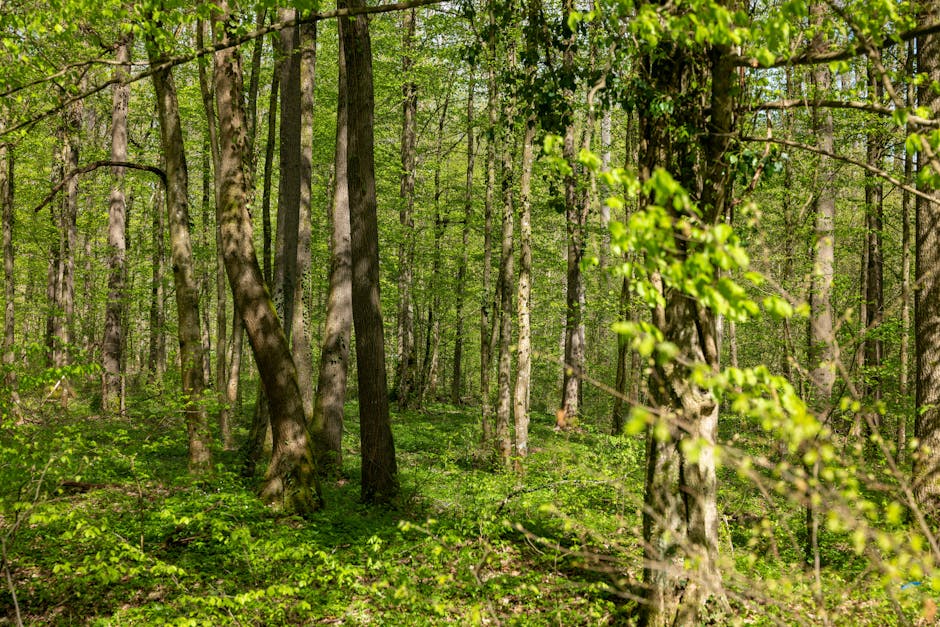
Top 10 Natural Wonders

Top 10 Natural Wonders

⏱️ 7 min read

Top 10 Natural Wonders of the World

Our planet is home to extraordinary geological formations, breathtaking landscapes, and awe-inspiring natural phenomena that have captivated human imagination for centuries. From towering waterfalls to vast canyons carved over millions of years, these natural wonders showcase the raw power and beauty of Earth's geological and biological processes. This article explores ten of the most magnificent natural wonders that demonstrate the incredible diversity and majesty of our living planet.

1. The Grand Canyon, USA

Carved by the Colorado River over approximately six million years, the Grand Canyon stands as one of Earth's most spectacular geological features. Stretching 277 miles long, up to 18 miles wide, and over a mile deep, this massive chasm in Arizona exposes nearly two billion years of Earth's geological history. The layered bands of colorful rock reveal the story of ancient environments, from prehistoric seas to desert landscapes. The canyon supports diverse ecosystems ranging from desert scrub at its rim to riparian communities along the river, hosting over 1,500 plant species, 355 bird species, 89 mammal species, and 47 reptile species.

2. The Great Barrier Reef, Australia

The world's largest coral reef system comprises approximately 2,900 individual reefs and 900 islands spanning over 1,400 miles along the Queensland coast. Visible from space, this natural wonder is actually composed of billions of tiny organisms called coral polyps. The reef supports an astonishing biodiversity, including over 1,500 fish species, 411 types of hard coral, one-third of the world's soft corals, 134 species of sharks and rays, and six of the world's seven species of threatened marine turtles. This living structure provides critical habitat and breeding grounds for countless marine species while protecting coastal areas from wave damage and erosion.

3. Aurora Borealis (Northern Lights)

The Aurora Borealis represents one of nature's most spectacular light displays, occurring when charged particles from the sun collide with gases in Earth's atmosphere. These collisions produce stunning curtains of light in shades of green, pink, red, yellow, and blue that dance across the night sky in polar regions. The phenomenon occurs most frequently near the Arctic Circle in countries including Norway, Iceland, Canada, and Alaska. Indigenous peoples have long incorporated the aurora into their cultural narratives, while modern science continues to study these lights to better understand solar activity and Earth's magnetic field interactions.

4. Victoria Falls, Zambia and Zimbabwe

Known locally as "Mosi-oa-Tunya" or "The Smoke That Thunders," Victoria Falls is considered the largest waterfall in the world based on its combined width of 5,604 feet and height of 354 feet. The Zambezi River plunges over the edge, creating a mist that can be seen from over 30 miles away and rises up to 1,300 feet in the air. During peak flow, more than 500 million liters of water cascade over the falls every minute. The surrounding rainforest, sustained entirely by the waterfall's spray, creates a unique ecosystem supporting rare plant species and wildlife including elephants, buffalo, and leopards.

5. Mount Everest, Nepal and Tibet

Standing at 29,032 feet above sea level, Mount Everest represents the highest point on Earth's surface. Part of the Himalayan mountain range, Everest was formed by the collision of the Indian and Eurasian tectonic plates approximately 50 million years ago, and continues to grow by roughly 4 millimeters annually. The extreme altitude creates a harsh environment known as the "death zone" above 26,000 feet, where oxygen levels are insufficient to sustain human life for extended periods. Despite these conditions, the mountain supports hardy life forms including jumping spiders found at 22,000 feet and bar-headed geese that migrate over the summit.

6. The Amazon Rainforest, South America

Spanning approximately 2.1 million square miles across nine countries, the Amazon represents the world's largest tropical rainforest and contains an estimated 390 billion individual trees belonging to 16,000 species. This vast ecosystem produces roughly 20% of the world's oxygen and holds one-fifth of the world's fresh water. The Amazon's biodiversity is unparalleled, hosting approximately 10% of all species on Earth, including 2.5 million insect species, 2,000 birds and mammals, and 40,000 plant species. The forest plays a crucial role in regulating global climate patterns and storing massive amounts of carbon dioxide.

7. Parícutin Volcano, Mexico

Parícutin holds the unique distinction of being the youngest volcano in the Americas, with its entire life cycle documented from birth to dormancy. In 1943, farmer Dionisio Pulido witnessed the volcano's birth in his cornfield, watching as it grew to 164 feet within just one week and eventually reached 1,391 feet above the original ground level. The volcano remained active for nine years, burying two towns under lava and ash. Today, the dormant cinder cone provides scientists with invaluable insights into volcanic formation and activity, representing the only instance where science has observed the complete birth and development of a volcano.

8. The Great Blue Hole, Belize

This massive marine sinkhole measures nearly 1,000 feet across and plunges 410 feet deep into the Caribbean Sea. Formed during several episodes of glaciation when sea levels were much lower, the Great Blue Hole was originally a limestone cave system that collapsed and subsequently flooded as ocean waters rose. The circular structure features crystal-clear waters in varying shades of blue and contains stalactites and ancient formations that provide evidence of climate change over thousands of years. The site supports diverse marine life including Caribbean reef sharks, giant groupers, and various tropical fish species, making it a premier destination for marine research and exploration.

9. The Galápagos Islands, Ecuador

Located approximately 600 miles off Ecuador's coast, this volcanic archipelago of 18 main islands serves as a living laboratory of evolution. The islands' isolation has resulted in extraordinary biodiversity with high levels of endemism, meaning species found nowhere else on Earth. Famous for inspiring Charles Darwin's theory of evolution, the Galápagos hosts unique wildlife including giant tortoises weighing over 900 pounds, marine iguanas that swim in the ocean, and flightless cormorants. The surrounding marine reserve protects an equally diverse underwater ecosystem where tropical and cool ocean currents converge, supporting species from penguins to tropical fish.

10. Ha Long Bay, Vietnam

This UNESCO World Heritage site features approximately 1,600 limestone islands and islets rising from emerald waters, creating a spectacular seascape of towering pillars and hidden caves. Formed over 500 million years through various geological processes, the karst landscape includes numerous caves, some of which contain ancient stalactites and stalagmites. The bay's name translates to "descending dragon," reflecting local legends about mythical creatures. The area supports a diverse ecosystem with over 1,000 animal species, including 477 types of mollusks and 400 species of arthropods, along with unique floating fishing villages that demonstrate human adaptation to this extraordinary environment.

Conclusion

These ten natural wonders represent merely a fraction of Earth's spectacular geological and biological heritage. From the depths of the Great Blue Hole to the heights of Mount Everest, from the ancient formations of the Grand Canyon to the young Parícutin Volcano, each wonder tells a unique story of our planet's dynamic history. The Grand Canyon and Victoria Falls showcase water's erosive power, while the Great Barrier Reef and Amazon Rainforest highlight incredible biodiversity. Mount Everest and the Himalayan range demonstrate tectonic forces, while the Aurora Borealis reveals our connection to solar phenomena. The Galápagos Islands and Ha Long Bay offer insights into evolution and geological processes, while Parícutin provides a rare glimpse into volcanic birth. These natural wonders remind us of Earth's magnificent complexity and the importance of preserving these irreplaceable treasures for future generations to study, appreciate, and protect.