










1 / 10 Questions
0 Points

Who Made The Twist Dance Famous In 1960?

Chubby Checker

Chuck Berry

Little Richard

Elvis Presley

Points won
0
Correct score
0%

More Questions

What Shakespeare character says ‘To be or not to be’?

What Shakespeare character says 'To be or not to be'? Question 1: What Shakespeare character says 'To be or not to be'? A. Hamlet B. Macbeth C. Romeo D....

Which Mail Service Ended When The Telegraph Reached California?

Which Mail Service Ended When The Telegraph Reached California? Question 1: Which Mail Service Ended When The Telegraph Reached California? A. Pony Express B. Butterfield Overland Mail C....

Which Unusual Color Hides Inside A Giraffe’s Mouth?

Which Unusual Color Hides Inside A Giraffe's Mouth? Question 1: Which Unusual Color Hides Inside A Giraffe's Mouth? A. Gray B. Blue-black C. Red D. Pink Explanation: Giraffes have blue-black...

More Articles

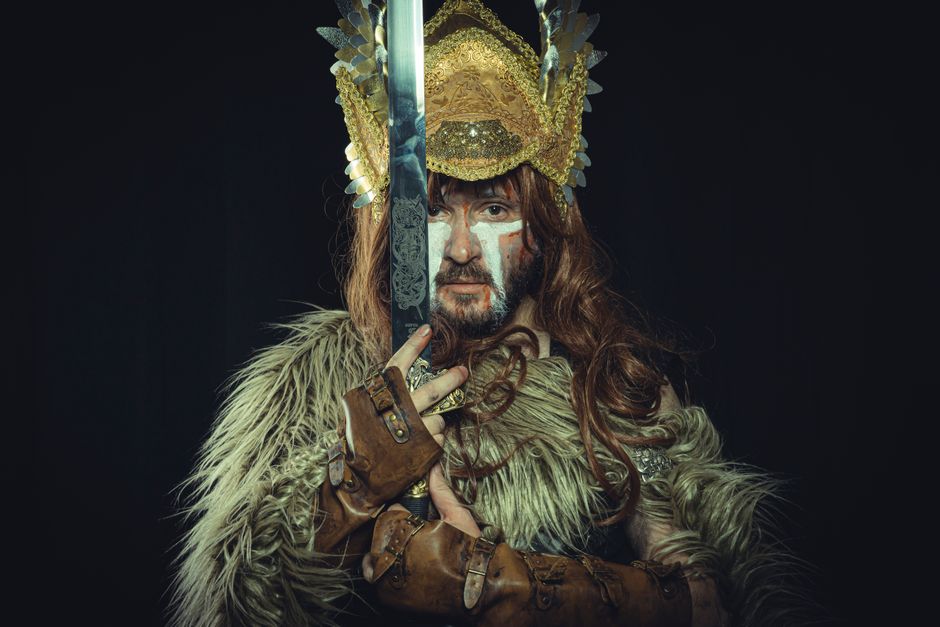
Did You Know? 12 Facts About Odin

Did You Know? 12 Facts About Odin

⏱️ 6 min read

Did You Know? 12 Facts About Odin

Odin stands as one of the most complex and fascinating figures in Norse mythology. Known as the Allfather, this chief deity of the Norse pantheon represents wisdom, war, death, poetry, and magic. His influence permeates Viking culture and continues to captivate modern audiences through literature, films, and popular culture. From his relentless pursuit of knowledge to his mysterious ravens and wolves, Odin embodies contradictions that make him one of mythology's most intriguing characters. Here are twelve remarkable facts about this enigmatic god that reveal the depth and complexity of his mythological significance.

1. Odin Sacrificed His Eye for Wisdom

Perhaps the most famous tale about Odin involves his sacrifice at the Well of Mimir. This sacred well contained waters of immense wisdom and knowledge. To drink from it, Odin willingly plucked out one of his own eyes and offered it as payment. This self-mutilation demonstrates Odin's unwavering commitment to gaining wisdom at any cost, establishing him as a deity who values knowledge above physical wholeness. The sacrifice also explains why Odin is typically depicted as one-eyed in Norse artwork and literature.

2. He Hung Himself on Yggdrasil for Nine Days

In another extreme act of self-sacrifice, Odin impaled himself with his own spear and hung from Yggdrasil, the World Tree, for nine days and nights without food or water. During this ordeal, he peered into the depths below until he discovered the runes—magical symbols of power and divination. This shamanic ritual mirrors practices of ancient Norse culture and emphasizes that even gods must suffer to attain enlightenment and mystical knowledge.

3. Odin Has Over 200 Names

The Allfather is known by more than two hundred different names and titles, reflecting his multifaceted nature and various roles. Some of his most common names include Woden, Wotan, the Wanderer, the Hooded One, Grimnir (the Masked One), and Valfather (Father of the Slain). Each name represents a different aspect of his character or a specific function he performs. This extensive collection of epithets demonstrates the widespread worship and diverse interpretations of Odin across different Norse communities and time periods.

4. He Commands Two Ravens and Two Wolves

Odin's constant companions include two ravens named Huginn (Thought) and Muninn (Memory), who fly across the nine realms each day gathering information and reporting back to him. Additionally, two wolves named Geri and Freki accompany him, symbolizing his warrior aspect. These animals serve as extensions of Odin's consciousness and power, allowing him to know everything that transpires throughout the cosmos. The ravens particularly emphasize his association with wisdom and his role as an all-seeing deity.

5. He Rides an Eight-Legged Horse

Sleipnir, Odin's remarkable steed, possesses eight legs and is described as the greatest of all horses. This supernatural mount can gallop across land, sea, and air, and even travel between the worlds of the living and the dead. Sleipnir was born from the trickster god Loki, who transformed into a mare. The eight-legged horse appears frequently in Viking Age artwork and symbolizes Odin's ability to traverse different realms and dimensions, reinforcing his role as a psychopomp who guides souls between worlds.

6. Odin is a Master of Magic

Unlike many male gods in various mythologies, Odin actively practices seidr, a form of Norse magic traditionally associated with women. This shamanic practice involves prophecy, shapeshifting, and manipulating fate itself. His willingness to engage in what was considered feminine magic demonstrates his transcendence of conventional gender roles in pursuit of power and knowledge. Odin learned seidr from the goddess Freyja, showing his humility and recognition that wisdom comes from many sources.

7. He Presides Over Valhalla

Odin rules Valhalla, the magnificent hall where slain warriors are taken by the Valkyries. These chosen warriors, known as einherjar, feast and fight daily, preparing for Ragnarok—the prophesied end of the world. Odin selects these warriors not for reward but for strategic purposes, building an army for the final battle. This reveals a calculating aspect of his character, as he prepares for inevitable doom while knowing he will ultimately fall in combat against the wolf Fenrir.

8. Wednesday is Named After Odin

The English word "Wednesday" derives from "Woden's Day," the Old English name for Odin. This linguistic legacy reflects the deep integration of Norse mythology into Germanic and Anglo-Saxon cultures. Similar connections exist in other Germanic languages, such as the German "Mittwoch" tradition stemming from the same roots. This etymological link demonstrates how ancient Norse religious practices and beliefs became embedded in the very structure of the modern calendar and language.

9. Odin Knows His Own Fate

Despite all his wisdom and power, Odin knows through prophecy that he will die during Ragnarok, devoured by the monstrous wolf Fenrir. This foreknowledge adds tragic depth to his character, as all his preparations and accumulation of wisdom cannot prevent his destined end. Rather than succumbing to despair, Odin continues to prepare, gather warriors, and seek knowledge, embodying the Norse virtue of facing inevitable fate with courage and dignity.

10. He is a Shapeshifter

Odin possesses the ability to change his form at will, transforming into various animals and assuming different appearances. He frequently disguises himself as an old wanderer or beggar to travel among mortals unrecognized, testing their hospitality and character. These transformations serve his quest for knowledge and allow him to move freely throughout the nine realms. His shapeshifting abilities also connect him to shamanic traditions and emphasize his mastery over reality itself.

11. He Stole the Mead of Poetry

Odin obtained the Mead of Poetry through cunning and deception, transforming himself into a snake to infiltrate the mountain where it was kept. After seducing the giant's daughter who guarded it, he drank the entire supply and flew away as an eagle, regurgitating the mead into containers in Asgard. This theft made Odin the patron of poets and gave him the power to grant poetic inspiration to humans. The tale illustrates his willingness to use any means necessary to acquire valuable knowledge and magical substances.

12. He Welcomed Warriors from All Backgrounds

Unlike some mythological deities who favored only nobles or specific social classes, Odin selected warriors for Valhalla based purely on their courage and skill in battle. This meritocratic approach meant that both kings and common fighters could earn a place among the einherjar. This aspect of Odin's character reflected Viking Age values that emphasized personal valor and achievement over inherited status, making him a god who offered glory to anyone brave enough to seize it.

Conclusion

These twelve facts barely scratch the surface of Odin's complexity as a mythological figure. From his extreme sacrifices for wisdom to his preparation for an unavoidable doom, the Allfather embodies the contradictions and values of Norse culture. He is simultaneously a god of war and poetry, a seeker of knowledge and a cunning deceiver, a ruler of the gods and a wandering beggar. His stories continue to resonate because they explore universal themes of sacrifice, knowledge, fate, and the courage to face the inevitable. Understanding Odin provides invaluable insight into the worldview of the Viking Age and the enduring power of mythological archetypes that still influence modern culture and imagination.
Top 10 The Djinn Mysteries

Top 10 The Djinn Mysteries

⏱️ 7 min read

Top 10 The Djinn Mysteries: Unveiling the Secrets of Ancient Spirit Lore

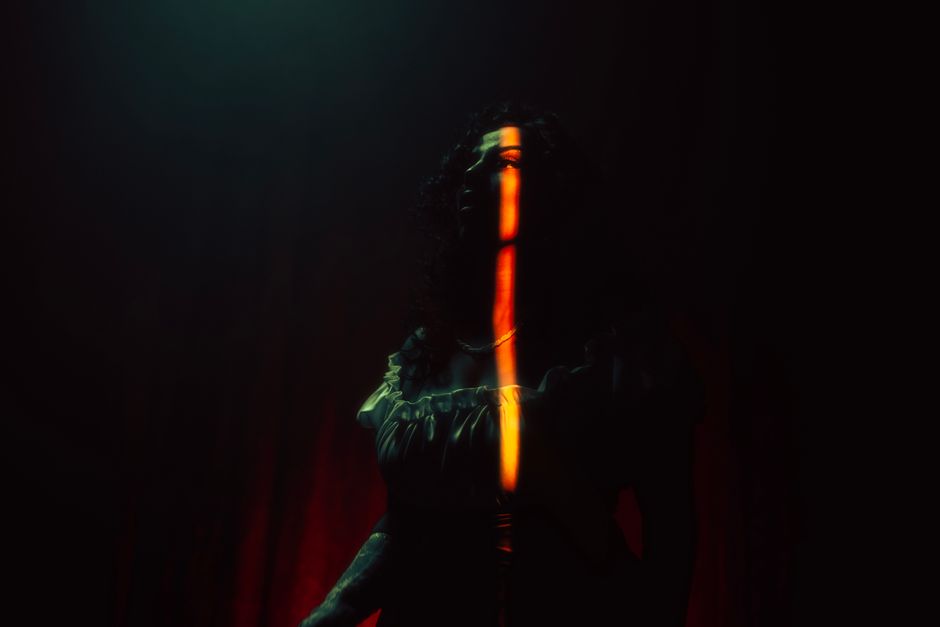
Djinn, also spelled jinn or genies, have captivated human imagination for millennia. These supernatural beings from Arabian and Islamic mythology represent one of the most fascinating and misunderstood entities in the realm of mystical lore. Far more complex than the wish-granting caricatures popularized in Western media, djinn occupy a unique position in Middle Eastern cosmology, existing between the physical and spiritual realms. The mysteries surrounding these enigmatic creatures continue to intrigue scholars, believers, and mythology enthusiasts worldwide. This article explores ten of the most compelling mysteries that shroud these ancient beings in intrigue and wonder.

1. The True Nature of Djinn Creation

One of the most profound mysteries surrounding djinn concerns their very creation. According to Islamic tradition, djinn were created from smokeless fire, distinguishing them from humans, who were formed from clay, and angels, who originated from light. This intermediate creation raises fascinating questions about their essence and capabilities. The Quran specifically mentions that djinn were created from "the fire of a scorching wind," suggesting a primal, elemental origin. This unique composition supposedly grants them abilities to shape-shift, become invisible, and move at extraordinary speeds. However, the exact nature of this "smokeless fire" and what it means in metaphysical terms remains a subject of theological debate and mystical speculation.

2. The Hidden Djinn Civilizations

Ancient texts suggest that djinn maintain their own complex societies parallel to human civilization. These hidden communities reportedly possess their own governance structures, religions, cultures, and social hierarchies. Some traditions speak of entire djinn kingdoms existing in remote deserts, abandoned ruins, and uninhabited wastelands. The mystery deepens when considering accounts of humans allegedly stumbling upon these civilizations, only to find themselves unable to locate them again. Stories from Bedouin tribes describe vast djinn cities that appear and disappear, leaving researchers to wonder whether these represent interdimensional spaces or simply exist beyond normal human perception.

3. King Solomon's Legendary Control

Perhaps no mystery is more intriguing than the legend of King Solomon's dominion over the djinn. According to both Islamic and Jewish traditions, Solomon possessed a magical ring or seal that granted him absolute authority over these beings. He allegedly commanded djinn armies to construct magnificent temples and palaces, and bound rebellious djinn in brass vessels sealed with his seal. The mystery lies in the source and nature of this power: Was it divine authority, ancient magic, or knowledge of specific incantations? The Testament of Solomon and various grimoires claim to preserve these binding techniques, but their authenticity remains highly debatable. The fate of Solomon's seal itself constitutes another layer of mystery.

4. The Classification and Tribes of Djinn

Djinn lore describes an elaborate classification system dividing these entities into distinct types and tribes, yet the exact taxonomy remains mysterious and contradictory across sources. Various traditions mention different categories: the Marid (powerful and rebellious), Ifrit (cunning and malevolent), Ghul (shape-shifting and monstrous), Si'lat (treacherous), and Jann (the weakest). Some sources list five main tribes, while others describe seven or more. Each type possesses unique characteristics, abilities, and habitats. The mystery intensifies when different cultural traditions present conflicting information about these classifications, leaving researchers uncertain about the original system or whether regional variations reflect different djinn populations.

5. Djinn Possession and Exorcism

The phenomenon of djinn possession represents one of the most contested mysteries in supernatural studies. Across the Middle East, North Africa, and parts of Asia, countless individuals report experiences attributed to djinn possession, exhibiting behavioral changes, speaking in unknown languages, or demonstrating unusual strength. Traditional healers and religious scholars perform exorcism rituals using Quranic verses, specific herbs, and ancient techniques. The mystery revolves around distinguishing genuine possession from psychological conditions, understanding the mechanism by which a djinn might inhabit a human body, and explaining the often-dramatic effects of exorcism rituals. Modern psychology offers alternative explanations, yet many cases resist conventional analysis.

6. The Forbidden Marriage Between Humans and Djinn

Numerous traditions speak of romantic and marital relationships between humans and djinn, creating one of the most controversial mysteries in djinn lore. These accounts describe unions producing hybrid offspring with extraordinary abilities. Some families in the Middle East claim ancestral lineages that include djinn blood, attributing exceptional talents to this heritage. Religious scholars generally discourage such relationships, citing incompatibility and spiritual dangers. The mystery encompasses whether such unions are physically possible, what characteristics hybrid children might possess, and why these relationships often end tragically according to folklore. Reports of such relationships continue in contemporary times, though verification remains elusive.

7. The Pre-Adamite Djinn Civilizations

Islamic tradition holds that djinn inhabited Earth long before human creation, establishing civilizations that predated Adam by thousands of years. These pre-Adamite djinn societies allegedly achieved great technological and magical advancement before falling into corruption and warfare. Some interpretations suggest that ancient ruins and megalithic structures might be remnants of djinn architecture rather than human construction. This mystery connects to broader questions about Earth's hidden history and whether archaeological anomalies might represent evidence of non-human intelligent civilizations. The idea that djinn were Earth's first rational inhabitants challenges conventional historical narratives and raises profound questions about humanity's place in the cosmic order.

8. The Nature of Djinn Free Will and Morality

Unlike angels, who lack free will and cannot disobey divine commands, djinn possess the ability to choose between good and evil. This capacity for moral choice creates profound mysteries about their spiritual status and ultimate destiny. The Quran mentions that djinn, like humans, will face judgment and can achieve paradise or damnation. Some djinn reportedly converted to Islam during Prophet Muhammad's time, becoming righteous believers, while others, led by Iblis (Satan), chose rebellion. The mystery lies in understanding how beings of such power and longevity exercise moral agency, what motivates their choices, and how their spiritual evolution differs from human development. This parallel moral journey suggests complex theological implications rarely explored in Western religious thought.

9. The Djinn's Relationship with Time and Space

Accounts consistently describe djinn as possessing abilities that transcend normal physical limitations, particularly regarding time and space. They allegedly traverse vast distances instantaneously, access multiple dimensions simultaneously, and perceive time differently than humans. Some traditions suggest djinn can glimpse future events or retrieve objects from distant locations in moments. The mystery involves understanding the mechanism behind these abilities: Do djinn manipulate spacetime, exist partially in other dimensions, or perceive reality through fundamentally different sensory frameworks? Modern attempts to explain these phenomena using quantum physics and dimensional theory provide intriguing parallels but remain speculative. The question of whether djinn experience reality as we do or inhabit an entirely different phenomenological framework continues to puzzle researchers.

10. The Modern Djinn Encounters

Despite living in an age of science and technology, reports of djinn encounters persist throughout regions with Islamic cultural influence and beyond. These contemporary accounts range from mysterious voices and apparitions to poltergeist-like phenomena and unexplained illnesses attributed to djinn interference. The mystery deepens as some modern encounters include elements that traditional lore never mentioned, such as interactions with technology or appearances in urban settings. Skeptics dismiss these reports as psychological phenomena, misidentified natural events, or cultural conditioning, while believers maintain that djinn continue to interact with the human world. The challenge lies in investigating these claims with appropriate rigor while respecting cultural contexts and distinguishing between folklore evolution, genuine anomalous experiences, and misattribution.

Conclusion

The mysteries surrounding djinn reflect humanity's enduring fascination with the unseen world and beings that exist beyond ordinary perception. These ten mysteries—from their elemental creation and hidden civilizations to their moral choices and modern encounters—demonstrate that djinn lore encompasses far more than simple fairy tales or superstition. Whether viewed as literal beings, psychological archetypes, or cultural metaphors, djinn represent a rich tradition of mystical thought that has shaped Middle Eastern culture for millennia and continues to influence contemporary belief systems. As research methodologies evolve and cross-cultural dialogue expands, perhaps some of these ancient mysteries will yield their secrets, while others may deepen, reminding us that the universe contains wonders that transcend complete human understanding. The djinn mysteries challenge us to remain open to possibilities beyond materialist frameworks while maintaining critical thinking about extraordinary claims.