
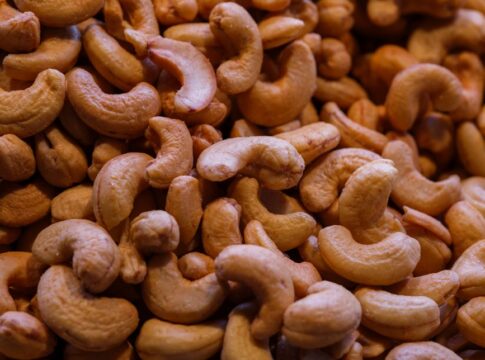
Why Cashew Nuts Are Never Sold in Their Shells
By Trivia Daily, Staff Writer — Published November 1, 2026
Table of Contents
- Key Takeaways
- The Toxic Truth About Cashew Shells
- How Cashews Are Safely Processed
- The Cashew’s Unusual Botanical Identity
- Why You’ll Never Find Raw Cashews in Stores
- Comparing Cashews to Other Popular Nuts
- Frequently Asked Questions
Walk down any grocery store aisle and you’ll find almonds, peanuts, and walnuts sold in their shells. But cashew nuts never appear this way. This isn’t a marketing choice or packaging preference—it’s a matter of safety. The cashew shell contains a toxic resin so caustic it can blister skin on contact, making the humble cashew one of the most dangerous nuts to process. This surprising fact explains why cashews are always sold shelled and why they’re among the most expensive nuts on the market.
The story behind this everyday snack reveals fascinating chemistry, labor-intensive processing, and a botanical relationship to poison ivy that few people discover until they start asking questions.
Key Takeaways
- Cashew shells contain urushiol and anacardic acid, the same toxic oil found in poison ivy, which causes severe skin burns and blistering.
- The cashew “nut” is actually a seed that grows outside the fruit (called a cashew apple), making it botanically unique.
- Processing cashews requires roasting or steaming to neutralize toxins, followed by careful hand-shelling to avoid contamination.
- Workers who shell cashews often suffer from skin damage and respiratory issues despite protective measures.
- The dangerous processing requirements make cashews one of the most expensive nuts globally, even though the trees grow abundantly in tropical climates.
- Eating a raw cashew in its shell could cause serious poisoning and chemical burns to the mouth and digestive tract.
The Toxic Truth About Cashew Shells
The cashew shell harbors a double-layered defense system that would make most people think twice about cracking one open. Between the outer shell and the edible kernel sits a honeycomb structure filled with cashew shell liquid, a dark, corrosive oil containing urushiol—yes, the same compound responsible for poison ivy rashes. This oily resin also contains anacardic acid, another caustic phenolic lipid that burns skin on contact.
Urushiol is remarkably potent. A single nanogram (one billionth of a gram) is enough to cause a rash in sensitive individuals. The concentration in cashew shells is far higher. Anyone who attempts to crack open a raw cashew shell barehanded will quickly understand why industrial processing exists. The oil causes immediate blistering, painful burns, and allergic reactions that can last for weeks.
This toxicity serves an evolutionary purpose. In their native Brazilian habitat, cashew trees developed these chemical defenses to protect their seeds from insects, fungi, and animals. The strategy worked too well—it now protects cashews from casual human consumption as well.
How Cashews Are Safely Processed
Transforming a toxic cashew shell into the creamy, safe nut sold in stores requires multiple careful steps. First, processors must neutralize the caustic oils. This happens through roasting at high temperatures or steaming, which breaks down the urushiol and anacardic acid into less harmful compounds. The heat also makes the shells brittle enough to crack without releasing as much toxic residue.
Even after heat treatment, shelling remains dangerous work. Most cashews are still shelled by hand because their curved shape makes mechanical processing difficult. Workers wear protective gloves and sometimes apply natural oils to their hands, but exposure remains common. In major cashew-processing countries like India, Vietnam, and several African nations, workers frequently develop skin conditions, respiratory problems, and long-term health issues from repeated exposure to residual shell toxins.
After shelling, the nuts undergo additional processing. They’re often heated again to remove the thin skin (testa) covering the kernel. Any remaining shell fragments must be removed because even tiny pieces can cause mouth irritation. Finally, the cashews are graded, sorted, and often roasted once more before packaging. What seems like a simple snack has traveled through an intensive, hazardous production chain.
The Cashew’s Unusual Botanical Identity
Part of what makes cashew processing so unique stems from the nut’s bizarre botanical structure. The cashew “nut” isn’t technically a nut at all—it’s a seed. What makes it truly strange is where it grows: dangling outside the fruit in a kidney-shaped shell beneath a fleshy structure called the cashew apple.
The cashew apple is the true fruit of the cashew tree, a pear-shaped, juicy structure that’s edible and popular in cashew-growing regions. It’s rich in vitamin C and has a sweet, astringent flavor. However, it bruises easily and spoils within days of harvesting, making it nearly impossible to export. In Brazil and parts of India, people juice cashew apples, ferment them into alcoholic beverages, or eat them fresh. The rest of the world knows only the seed.
This arrangement—seed outside the fruit—is called an accessory fruit structure. The cashew belongs to the Anacardiaceae family, which also includes mangoes, pistachios, and poison ivy. That family connection explains the shared urushiol chemistry. People allergic to poison ivy often react to cashew shells and sometimes to mango skin, which contains similar compounds.
Why You’ll Never Find Raw Cashews in Stores
Even cashews labeled “raw” in health food stores aren’t truly raw. They’ve been steamed or heated to remove the shell toxins. Genuinely raw cashews—meaning unprocessed seeds straight from the shell—are unsafe to eat. The residual oils can cause severe gastrointestinal distress, mouth burns, and allergic reactions ranging from hives to anaphylaxis in sensitive individuals.
Regulations in most countries require cashews to undergo heat processing before sale. The U.S. Food and Drug Administration and similar agencies worldwide recognize the danger of untreated cashew shells. This mandatory processing adds to production costs, helping explain why cashews cost significantly more than peanuts or almonds, which can be safely sold in-shell and require less intensive handling.
The labor-intensive nature of cashew processing, combined with the health risks to workers, has sparked ongoing discussions about fair trade practices and worker safety in the cashew industry. Some producers have developed better protective equipment and ventilation systems, but the fundamental challenge remains: separating the edible kernel from its toxic housing without harming the people doing the work.
Comparing Cashews to Other Popular Nuts
| Nut Type | Sold In-Shell? | Processing Hazards | Botanical Classification |
|---|---|---|---|
| Cashew | Never | Toxic shell oil (urushiol) | Seed (accessory fruit) |
| Peanut | Commonly | Minimal (aflatoxin risk only) | Legume (not a true nut) |
| Almond | Sometimes | Minimal (bitter almonds contain cyanide) | Seed (drupe) |
| Walnut | Commonly | Minimal (outer hull stains skin) | Seed (drupe) |
| Pistachio | Usually | Minimal (aflatoxin risk only) | Seed (drupe) |
Frequently Asked Questions
Can you eat cashews straight from the tree?
No. Cashews must be roasted or steamed to neutralize the toxic oils in their shells before they’re safe to eat. Attempting to crack and eat a raw cashew from the tree would result in severe mouth burns and potential poisoning from urushiol and anacardic acid.
Why are cashews more expensive than other nuts?
The dangerous, labor-intensive processing required to safely remove cashews from their toxic shells drives up costs significantly. Most cashews are still hand-shelled after heat treatment, and the entire process requires specialized facilities and protective equipment that other nuts don’t need.
Are people allergic to poison ivy also allergic to cashews?
People sensitive to poison ivy may react to cashew shells or contaminated nuts, since both contain urushiol. However, properly processed cashew kernels have virtually all urushiol removed and are generally safe, though anyone with severe allergies should consult a doctor before consuming them.
What happens to the cashew apple fruit?
In cashew-growing regions, the cashew apple is eaten fresh, juiced, or fermented into beverages. Its high vitamin C content makes it nutritious, but it spoils within days of harvest and can’t be exported, so most of the world never encounters this part of the cashew plant.
The next time you reach for a handful of cashews, remember the complex journey each kernel took to reach your snack bowl. Behind that buttery, mild flavor lies a chemical defense system powerful enough to blister skin, a botanical oddity that grows its seed outside its fruit, and countless hours of careful human labor. Some of the most ordinary things we eat carry the most extraordinary hidden stories.