










1 / 10 Questions
0 Points

Which planet has the fastest rotation in our solar system?

Mars

Saturn

Jupiter

Neptune

Points won
0
Correct score
0%

More Questions

7 Bizarre Facts About How Your Stomach Digests Food

Stomach digestion involves strange processes you never learned in school. Discover seven odd facts about how your body breaks down food every day.

7 Bizarre Facts About How Lightning Strikes the Earth

Lightning strikes Earth in strange ways most people never learn. Discover seven odd facts about voltage, frequency, and impact that science reveals.

7 Surprising Facts About How Rainbows Form in the Sky

Discover the science behind rainbow formation with seven fascinating facts about light refraction, water droplets, and atmospheric conditions.

More Articles

Top 15 Most Fascinating Deep Sea Fish

Top 15 Most Fascinating Deep Sea Fish

⏱️ 6 min read

Top 15 Most Fascinating Deep Sea Fish

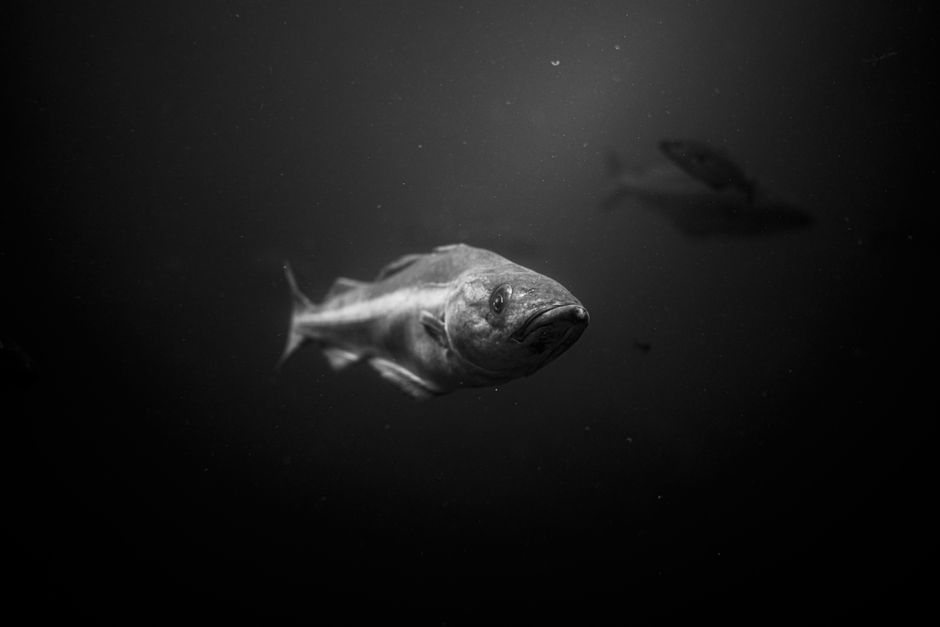
The deep sea, defined as ocean depths beyond 200 meters where sunlight fails to penetrate, remains one of Earth's most mysterious frontiers. This alien world hosts some of the planet's most bizarre and fascinating creatures. Deep sea fish have evolved extraordinary adaptations to survive in an environment characterized by crushing pressure, near-freezing temperatures, and complete darkness. From bioluminescent hunters to transparent predators, these remarkable species showcase nature's incredible capacity for innovation. Here are fifteen of the most fascinating fish inhabiting the ocean's darkest depths.

1. Anglerfish (Melanocetus johnsonii)

Perhaps the most iconic deep sea fish, the anglerfish uses a bioluminescent lure extending from its head to attract prey in the pitch-black environment. Female anglerfish can reach up to three feet in length, while males are drastically smaller, sometimes attaching themselves permanently to females as parasitic mates. This extreme sexual dimorphism represents one of nature's most unusual reproductive strategies.

2. Viperfish (Chauliodus sloani)

The viperfish possesses fang-like teeth so large they don't fit inside its mouth, creating a fearsome appearance perfectly suited to its predatory lifestyle. These fish can grow up to two feet long and use photophores along their bodies to lure prey. Remarkably, viperfish undertake daily vertical migrations, traveling from depths of 5,000 feet to surface waters to feed.

3. Barreleye Fish (Macropinna microstoma)

This extraordinary fish features a transparent dome-shaped head through which its tubular eyes are clearly visible. For decades, scientists were puzzled by its anatomy until researchers discovered the fish can rotate its eyes within its transparent skull, allowing it to look upward for prey or forward while feeding. This unique adaptation makes the barreleye one of the ocean's most peculiar creatures.

4. Gulper Eel (Eurypharynx pelecanoides)

Also known as the pelican eel, this species possesses an enormous, loosely hinged mouth that can open wide enough to swallow prey larger than itself. Growing up to six feet in length, most of its body consists of its massive jaw apparatus. The gulper eel's stomach can expand to accommodate oversized meals, essential in an environment where food is scarce.

5. Fangtooth Fish (Anoplogaster cornuta)

Relative to body size, the fangtooth has the largest teeth of any marine fish, with fangs so long that special sockets in its skull accommodate them when the mouth closes. Despite its nightmarish appearance, this fish only grows to about six inches long. Fangtooth fish are found at depths ranging from 600 to 6,500 feet and are completely harmless to humans.

6. Goblin Shark (Mitsukurina owstoni)

This living fossil, unchanged for approximately 125 million years, features a distinctive elongated snout and protrusible jaws that shoot forward to capture prey. Its pinkish-gray coloration results from blood vessels visible through translucent skin. Goblin sharks are rarely encountered, making them one of the ocean's most mysterious species.

7. Hatchetfish (Argyropelecus spp.)

Named for their distinctive hatchet-shaped bodies, these small fish produce bioluminescent light on their undersides to match downwelling light from above, rendering them nearly invisible to predators below. This counter-illumination camouflage represents one of the most sophisticated survival strategies in the deep sea, effectively making the fish disappear in the water column.

8. Frilled Shark (Chlamydoselachus anguineus)

Resembling a creature from prehistoric times, the frilled shark has remained virtually unchanged for 80 million years. Its elongated, eel-like body reaches six feet in length, and its mouth contains 300 backward-facing teeth arranged in 25 rows. The frilled shark's primitive characteristics provide scientists valuable insights into ancient shark evolution.

9. Pacific Blackdragon (Idiacanthus antrostomus)

Female blackdragons are fierce predators equipped with sharp teeth, chin barbels with bioluminescent lures, and photophores along their bodies. Males, however, are much smaller, lack teeth, have non-functional guts, and exist solely to reproduce. This extreme sexual dimorphism results in what appear to be entirely different species.

10. Stoplight Loosejaw (Malacosteus niger)

This remarkable fish produces red bioluminescence, extremely rare in the deep sea where most creatures cannot see red wavelengths. This gives the stoplight loosejaw a significant advantage, allowing it to illuminate prey without being detected. Its lower jaw lacks a connecting membrane, enabling it to open its mouth extraordinarily wide despite its small six-inch size.

11. Snailfish (Pseudoliparis swirei)

Discovered in the Mariana Trench at depths exceeding 26,000 feet, this species holds the record for the deepest-living fish ever recorded. Snailfish have adapted to crushing pressures that would destroy most organisms, with gelatinous bodies, reduced skeletal structures, and specialized proteins that maintain cell function under extreme conditions.

12. Vampire Squid (Vampyroteuthis infernalis)

Though technically not a fish, this cephalopod deserves mention for its incredible deep sea adaptations. Despite its fearsome name meaning "vampire squid from hell," it's actually a gentle creature feeding on marine snow. It can turn itself inside out to display threatening-looking spines, and possesses the largest eyes relative to body size of any animal on Earth.

13. Footballfish (Himantolophus groenlandicus)

A member of the anglerfish family, the footballfish is named for its spherical body shape. Females carry a distinctive bioluminescent lure and can reach basketball size, while males remain tiny and sometimes fuse permanently to females. Specimens rarely wash ashore, making each discovery scientifically valuable for understanding deep sea ecosystems.

14. Telescope Octopus (Amphitretus pelagicus)

This transparent, gelatinous octopus features tubular eyes that can capture even the faintest light in the deep sea. Living at depths between 600 and 2,500 feet, its transparent body provides excellent camouflage. The telescope octopus remains poorly understood, with much of its behavior and life cycle still shrouded in mystery.

15. Cookiecutter Shark (Isistius brasiliensis)

This small shark, rarely exceeding 20 inches, feeds by attaching to much larger animals and removing circular plugs of flesh with its specialized teeth, leaving distinctive crater-shaped wounds. Cookiecutter sharks have attacked submarines, biting rubber components and causing operational problems. Their bioluminescent undersides help them approach prey undetected from below.

Conclusion

These fifteen remarkable deep sea fish represent just a fraction of the extraordinary biodiversity existing in the ocean's depths. Each species demonstrates unique evolutionary solutions to surviving in one of Earth's most extreme environments. From bioluminescent lures and transparent heads to parasitic mating and pressure-resistant bodies, these adaptations reveal nature's remarkable creativity. As technology advances and exploration continues, scientists regularly discover new species and behaviors, reminding us how much remains unknown about our planet's final frontier. Protecting these mysterious ecosystems becomes increasingly important as human activities extend into deeper waters, ensuring these fascinating creatures continue thriving in the darkness below.
Why Chameleons Change Color: The Surprising Truth

Why Chameleons Change Color: The Surprising Truth

Why Chameleons Change Color: The Surprising Truth

By Trivia Daily, Staff Writer — Published July 31, 2026

Table of Contents

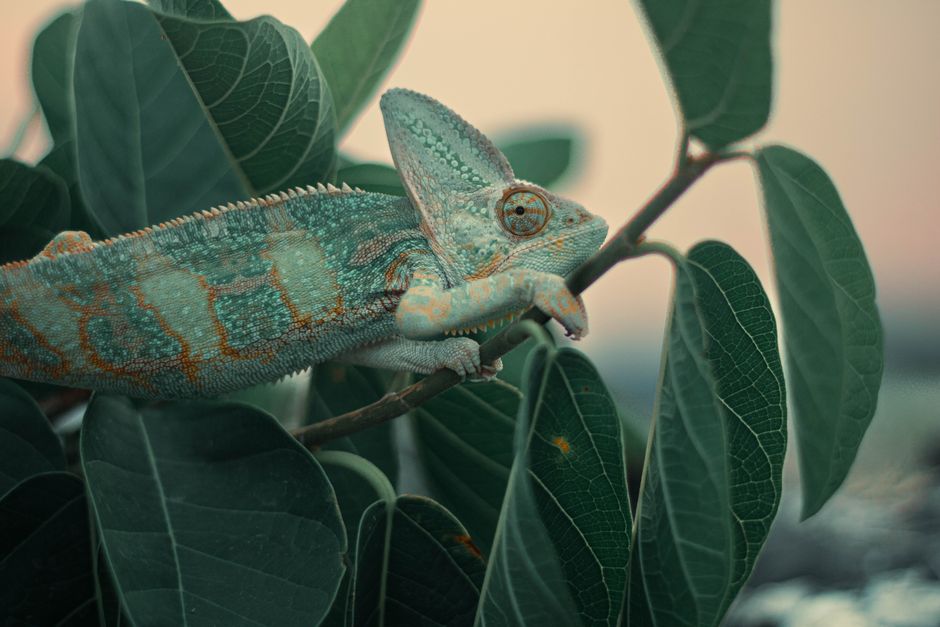
For generations, we've been told that chameleons change color to blend into their surroundings—a perfect camouflage trick to hide from predators. But here's a surprising fact that might change everything you thought you knew: chameleons don't primarily change color for camouflage at all. The real reasons why chameleons change color are far more fascinating and involve communication, mood, temperature regulation, and even courtship displays. This amazing ability stems from specialized cells beneath their skin that work like tiny biological light filters, creating one of nature's most interesting optical phenomena.

The truth behind this reptilian superpower reveals a world of complex biology and social behavior that scientists only fully began to understand in recent decades. Let's explore the surprising science behind these color-changing creatures.

Key Takeaways

  • Chameleons primarily change color to communicate with other chameleons, regulate body temperature, and express emotions—not mainly for camouflage.
  • The color change happens through specialized cells called chromatophores, iridophores, and leucophores that contain pigments and reflective crystals beneath the skin.
  • Male chameleons display brighter colors during courtship or territorial disputes, while darker colors often signal stress or submission.
  • Not all chameleon species have the same color-changing abilities—some can only shift between limited shades of brown and green.
  • Temperature affects color change: chameleons often become darker to absorb more heat and lighter to reflect sunlight.
  • The panther chameleon holds the record for the most dramatic color transformations, shifting through vibrant reds, blues, greens, and yellows.

How Chameleons Change Color: The Biological Mechanism

The secret to a chameleon's color-changing ability lies in multiple layers of specialized skin cells working together. The outermost layer contains chromatophores—cells packed with pigments like yellow, red, and brown. Beneath these sit iridophores, cells containing tiny nanocrystals that reflect light. Even deeper are leucophores, which reflect white light.

Here's where it gets truly remarkable. When a chameleon experiences different stimuli—seeing a rival, feeling stressed, or detecting temperature changes—its nervous system sends signals that cause the iridophores to adjust the spacing of their nanocrystals. This adjustment changes which wavelengths of light get reflected back. Think of it like tuning a microscopic light filter across millions of cells simultaneously.

Researchers discovered that relaxed chameleons have tightly packed crystals in their iridophores, reflecting blue light. When excited or agitated, these crystals spread apart, reflecting longer wavelengths like yellow, orange, or red. Combined with the pigments in the upper layers, this creates the spectacular color displays we observe.

The Real Reasons Chameleons Change Color

Camouflage ranks surprisingly low on the list of reasons chameleons shift their hues. Social communication dominates. Male chameleons flash bright, bold colors during territorial disputes—a visual warning that says "back off" without requiring physical combat. During mating season, males display their most vibrant patterns to attract females and intimidate rivals.

Females use color to communicate too. A pregnant female often displays dark colors with bright spots to signal she's not interested in mating. This saves energy and prevents unwanted attention from persistent males.

Temperature regulation plays a crucial role. Cold chameleons darken their skin to absorb more solar radiation, warming up faster in the morning sun. When overheated, they lighten to reflect sunlight and cool down. This thermoregulatory function is especially important for these cold-blooded reptiles.

Emotional states trigger color changes as well. Stressed or frightened chameleons often turn darker or display dull colors. Content, relaxed chameleons typically show their baseline coloration—usually greens and browns that do provide some background blending, though that's more coincidental than intentional.

Comparing Color-Changing Abilities Across Species

Chameleon Species Color Range Primary Use
Panther Chameleon Vibrant reds, blues, greens, yellows, oranges Courtship displays and territorial communication
Veiled Chameleon Greens, yellows, browns, some blue Temperature regulation and mood signaling
Jackson's Chameleon Greens, yellows, limited brown tones Subtle mood changes and temperature
Pygmy Chameleons Browns, grays, limited green shifts Minimal color change, mostly brown tones

Common Myths About Chameleon Color Change

The biggest myth? That chameleons can match any background like a living mood ring for their environment. In reality, chameleons have a limited color palette determined by their species. A chameleon can't turn purple to match your shirt or blue to blend with the sky.

Another misconception suggests chameleons change color instantly. The transformation actually takes anywhere from 20 seconds to several minutes, depending on the intensity of the stimulus and the complexity of the pattern change.

Some people believe all lizards can change color like chameleons. While other species like anoles and geckos have limited color-shifting abilities, chameleons possess the most sophisticated system. Their multi-layered skin structure and crystalline cells remain unique in the reptile world.

The Speed and Limits of Color Change

A chameleon's color-changing speed varies by situation. Rapid emotional responses—like spotting a predator or rival—can trigger visible changes within 20 to 30 seconds. Slower shifts related to temperature or relaxation may take several minutes to fully develop.

Physical limitations exist too. Chameleons can only produce colors that their specific cell structures allow. No chameleon can produce true black or pure white, though some species get close. The available palette depends on which pigments their chromatophores contain and how their iridophores' crystal structures are arranged.

Age affects the ability as well. Juvenile chameleons often display more muted colors than adults. As they mature, their color-changing capabilities become more pronounced, particularly in males preparing for breeding competition.

Frequently Asked Questions

Do chameleons change color to match their environment?

No, this is a common myth. Chameleons primarily change color to communicate with other chameleons, regulate their body temperature, and express emotions like stress or excitement. While their natural colors may provide some camouflage, active background-matching is not their main purpose.

Can all chameleons change color equally well?

No, color-changing abilities vary widely by species. Panther chameleons display the most dramatic color shifts with vibrant hues, while pygmy chameleons can only shift between limited shades of brown and gray. About 160 chameleon species exist, each with different capabilities.

How fast can a chameleon change color?

Chameleons typically change color within 20 seconds to several minutes, depending on the trigger. Emotional responses like fear or aggression produce faster changes, while temperature-related shifts happen more gradually. The transformation is not instantaneous as often depicted in cartoons.

What causes the actual color change in chameleon skin?

Special cells called iridophores contain nanocrystals that adjust their spacing in response to neural signals. This changes which light wavelengths reflect back, creating different colors. These work together with pigment-containing chromatophores in the upper skin layers to produce the final visible color.

The next time you see a chameleon shifting from green to yellow or flashing bright patterns, remember you're witnessing a sophisticated conversation or physiological response—not a simple camouflage trick. These remarkable reptiles carry a biological light show beneath their skin, reminding us that nature's true explanations often outshine the myths we create.