










1 / 10 Questions
0 Points

Which river flows through Cairo, Egypt?

Tigris

Niger

Nile

Congo

Points won
0
Correct score
0%

More Questions

Which river flows through Cairo, Egypt?

Which river flows through Cairo, Egypt? Question 1: Which river flows through Cairo, Egypt? A. Tigris B. Niger C. Nile D. Congo Explanation: Cairo sits on the banks of the...

7 Strange Facts About Axolotls Regenerating Body Parts

Discover how axolotl regeneration works with these 7 bizarre facts about regrowing limbs, organs, and even brain tissue in these remarkable salamanders.

9 Surprising Facts About Crows Recognizing Human Faces

Crow intelligence includes remarkable facial recognition abilities that rival primates. Discover how these birds remember humans for years and warn others.

More Articles

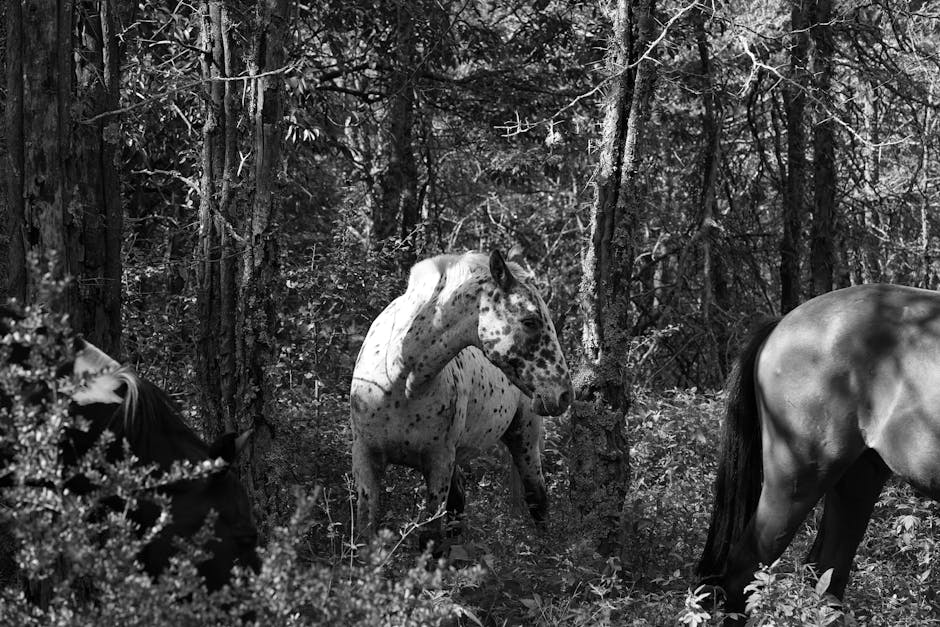
Did You Know? 12 Facts About Horses

Did You Know? 12 Facts About Horses

⏱️ 6 min read

Did You Know? 12 Facts About Horses

Horses have been companions to humans for thousands of years, serving as transportation, working animals, and beloved friends. These magnificent creatures possess remarkable characteristics that make them one of nature's most fascinating animals. From their unique anatomy to their surprising behaviors, horses continue to captivate people around the world. Here are twelve incredible facts about horses that showcase just how extraordinary these animals truly are.

1. Horses Have Nearly 360-Degree Vision

One of the most remarkable features of horses is their exceptional field of vision. Thanks to the positioning of their eyes on the sides of their heads, horses can see nearly 360 degrees around them. They have only two blind spots: one directly in front of their face and another directly behind their tail. This wide range of vision evolved as a survival mechanism, allowing horses to detect predators from almost any direction while grazing. However, this panoramic vision comes with a trade-off—horses have limited depth perception and cannot focus on objects as sharply as humans can.

2. Their Teeth Never Stop Growing

A horse's teeth continue to grow throughout its entire life, which is why regular dental care is essential for domesticated horses. This continuous growth is nature's way of compensating for the constant wear caused by grinding tough grasses and vegetation. Experienced horse handlers can actually estimate a horse's age by examining the wear patterns and length of their teeth, a practice known as "aging by teeth." By the time a horse reaches old age, their teeth may have worn down significantly despite decades of growth.

3. Horses Can Sleep Standing Up

Horses possess a unique anatomical feature called the "stay apparatus" that allows them to lock their leg joints and doze while standing upright. This ability is another evolutionary adaptation that enabled wild horses to flee quickly from predators without wasting precious seconds standing up from a lying position. However, horses do need to lie down for REM sleep, the deep sleep stage necessary for full rest. Healthy horses typically lie down for short periods throughout the day to achieve this deeper level of sleep.

4. The Fastest Recorded Horse Speed Exceeds 55 MPH

Horses are incredibly fast animals, and the fastest recorded speed by a horse was approximately 55 miles per hour, achieved by a Quarter Horse named Winning Brew in 2008. While Thoroughbreds are famous for their speed in racing, Quarter Horses actually hold the record for the fastest speeds over short distances. Different breeds have evolved for different purposes, with some built for speed, others for endurance, and still others for strength and pulling power.

5. A Horse's Heart Can Weigh Up to 10 Pounds

The average horse heart weighs about 8 to 10 pounds, roughly the size of a basketball, and is capable of pumping an incredible amount of blood throughout the animal's large body. The legendary racehorse Secretariat, who won the Triple Crown in 1973, was found to have a heart weighing an estimated 22 pounds—more than twice the normal size. This extraordinary organ contributed to his remarkable athletic ability and unbeaten records that still stand today.

6. Horses Have Excellent Long-Term Memory

Research has shown that horses possess exceptional memory capabilities, able to remember complex sequences, locations, and even specific people for years. They can recall both positive and negative experiences, which is why proper training and kind treatment are so important. Studies have demonstrated that horses can remember training techniques and human interactions even after several years of separation, making them highly intelligent and emotionally sensitive animals.

7. They Use Facial Expressions to Communicate

Scientists have identified at least 17 distinct facial expressions that horses use to communicate with each other and with humans. These expressions involve movements of the ears, eyes, nostrils, and lips, creating a complex system of non-verbal communication. Understanding these expressions can help humans better interpret a horse's emotional state, whether they're feeling anxious, curious, angry, or content. This sophisticated communication system demonstrates the social intelligence that horses have developed over millions of years.

8. Horses Cannot Vomit or Breathe Through Their Mouths

Due to their unique digestive system anatomy, horses physically cannot vomit. They have a strong band of muscle around the esophagus that acts as a one-way valve, preventing food from coming back up. Additionally, horses can only breathe through their nostrils, not through their mouths like humans can. This makes proper respiratory health crucial for horses, and it also means that any digestive issues can be particularly dangerous since the horse cannot expel problematic food or substances.

9. The Oldest Horse Lived to 62 Years Old

While the average lifespan of a domestic horse is between 25 and 30 years, the oldest recorded horse was named Old Billy, who lived to the remarkable age of 62. Born in England in 1760, Old Billy worked as a barge horse for most of his life. Today's horses benefit from improved veterinary care, nutrition, and living conditions, which has helped increase average lifespans, though living beyond 40 remains relatively rare.

10. Horses Have Only One Toe

Despite their large size, horses are technically walking on tiptoe—specifically, on a single toe. What we commonly refer to as a horse's "hoof" is actually a highly specialized toenail that has evolved over millions of years. Ancient horses had multiple toes, but as they evolved to run faster across plains to escape predators, they gradually lost their side toes. The modern horse's single hoof provides the perfect combination of speed, stability, and efficiency for their size and running style.

11. They Can Produce Approximately 10 Gallons of Saliva Daily

Horses produce an impressive amount of saliva each day—up to 10 gallons or more—to help break down the large quantities of fibrous plant material they consume. This saliva production is essential for their digestive process, as it helps moisten food and begins the breakdown of nutrients before food even reaches the stomach. The constant production of saliva is why horses always appear to be chewing, even when they're not actively eating.

12. Horses Can Recognize Human Emotions

Recent scientific studies have revealed that horses can actually read and respond to human facial expressions and emotions. They can distinguish between happy and angry human faces and will react differently based on the emotion they perceive. This ability extends beyond just recognizing facial expressions—horses can also detect emotional states through voice tone and body language. This emotional intelligence makes horses particularly suited to therapeutic roles and explains the deep bonds that can form between horses and their human handlers.

Conclusion

These twelve fascinating facts only scratch the surface of what makes horses such extraordinary animals. From their unique physical adaptations like 360-degree vision and the ability to sleep standing up, to their cognitive abilities such as long-term memory and emotional recognition, horses demonstrate remarkable sophistication. Their specialized anatomy, including continuously growing teeth, massive hearts, and single-toed hooves, reflects millions of years of evolution. Understanding these facts not only deepens our appreciation for these magnificent creatures but also helps us provide better care and develop stronger relationships with them. Whether wild or domestic, horses remain one of nature's most impressive and beloved animals, continuing to inspire awe and admiration in people around the world.
Top 10 Mythical Creatures That Symbolize Evil

Top 10 Mythical Creatures That Symbolize Evil

⏱️ 6 min read

Top 10 Mythical Creatures That Symbolize Evil

Throughout human history, cultures across the world have created mythical creatures to embody their deepest fears and represent the forces of evil. These legendary beings serve as cautionary tales, explanations for unexplained phenomena, and personifications of darkness that threaten humanity. From ancient civilizations to medieval folklore, these creatures have persisted in our collective imagination, symbolizing malevolence, chaos, and destruction. This article explores ten of the most notorious mythical creatures that have come to symbolize evil across different cultures and time periods.

1. Demons

Demons are perhaps the most universal representation of evil across world mythology and religious traditions. These malevolent supernatural entities appear in Christian, Islamic, Jewish, Hindu, and Buddhist traditions, among others. Demons are typically portrayed as fallen angels or evil spirits that seek to corrupt human souls, cause suffering, and spread chaos. In Christian tradition, demons serve Satan and work to lead humanity astray from righteousness. They are associated with possession, temptation, and spiritual warfare. The concept of demons has influenced literature, art, and popular culture for millennia, making them one of the most enduring symbols of pure evil.

2. Dragons (Western Tradition)

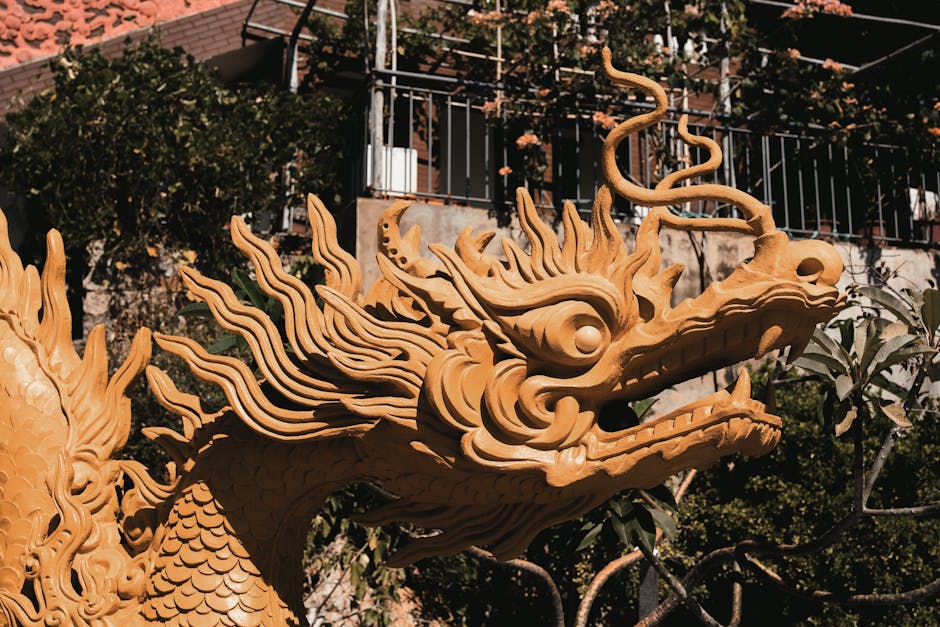
While Eastern dragons are often benevolent, Western dragons have traditionally symbolized evil, greed, and destruction. In European folklore and medieval literature, dragons were fearsome serpentine creatures that hoarded treasure, destroyed villages, and devoured innocents. They represented chaos that needed to be conquered by heroic knights and saints. The dragon in Christian symbolism often represents Satan or sin itself, as seen in the Biblical Book of Revelation. These massive, fire-breathing reptiles embodied humanity's primal fears and the constant struggle between good and evil, civilization and chaos.

3. Wendigo

Originating from Algonquian folklore of North America, the Wendigo is a terrifying creature that symbolizes greed, gluttony, and the ultimate taboo of cannibalism. According to legend, a human who resorts to eating human flesh, especially during harsh winters, transforms into a Wendigo—a gaunt, skeletal monster with an insatiable hunger for human meat. The creature is associated with winter, famine, and starvation, representing the evil that humans can become when they abandon their morality for survival. The Wendigo serves as a powerful cautionary tale against selfishness and the breaking of sacred cultural taboos.

4. Succubi and Incubi

These demonic entities from medieval folklore represent sexual evil and spiritual corruption. Succubi are female demons that seduce men in their sleep, while incubi are their male counterparts who prey upon women. These creatures symbolize lust, temptation, and the dangers of carnal desires. In medieval Christian theology, they were believed to steal vital energy from their victims, cause nightmares, and even father demonic offspring. The legend of succubi and incubi reflects societal anxieties about sexuality, the vulnerability of sleep, and the fear of spiritual corruption through physical pleasure.

5. Rakshasa

From Hindu and Buddhist mythology, Rakshasas are malevolent demons or evil spirits known for their shape-shifting abilities and appetite for human flesh. These creatures are described as powerful sorcerers who use illusions and black magic to torment humans and disrupt religious ceremonies. In the ancient Sanskrit epic Ramayana, Rakshasas serve as antagonists who represent chaos, deception, and opposition to dharma (cosmic order and righteousness). They are often depicted with fearsome features and possess the ability to animate dead bodies, making them formidable symbols of supernatural evil in South Asian mythology.

6. Basilisk

The Basilisk, known as the "King of Serpents" in European legends, is a lethal creature whose very gaze can kill. Described as a serpent or dragon-like being, often with a rooster's head, the Basilisk represents death, corruption, and poisonous evil. According to medieval bestiaries, the creature's breath could wither plants, crack stones, and poison water sources. Its venom was considered the most deadly substance in existence. The Basilisk symbolizes the destructive nature of evil—something so toxic that mere proximity to it brings death and decay, embodying the concept that evil corrupts everything it touches.

7. Jinn (Evil Spirits)

While not all Jinn are evil in Islamic tradition, certain categories of these supernatural beings, particularly the Shayatin (devils) and Ifrit, represent malevolent forces. These entities are created from smokeless fire and possess free will, allowing them to choose between good and evil. Evil Jinn are associated with deception, possession, and leading humans astray from righteousness. They inhabit desolate places and darkness, emerging to cause mischief, madness, and spiritual harm. The Ifrit, in particular, are considered extremely powerful and wicked, representing rebellious evil that challenges divine order.

8. Banshee

The Banshee from Irish mythology is a female spirit whose mournful wailing heralds death. While sometimes portrayed as a neutral harbinger, the Banshee often symbolizes doom, death, and the inescapable nature of mortality—concepts closely associated with evil in human consciousness. Her terrifying shriek in the night represents humanity's fear of death and the unknown. In darker interpretations, Banshees are vengeful spirits who take pleasure in announcing tragedy, embodying the malevolent aspects of fate and the supernatural forces that bring misfortune to families.

9. Azi Dahaka

From Persian mythology, Azi Dahaka is a three-headed dragon demon that represents lies, chaos, and evil incarnate. In Zoroastrian tradition, this creature is one of the most powerful servants of Angra Mainyu, the spirit of destruction and evil. Azi Dahaka is said to have serpents growing from his shoulders and possesses the power to spread disease, drought, and devastation across the land. The creature symbolizes the corruption of truth and the destructive nature of deceit. Its eventual imprisonment in Mount Damavand represents the temporary binding of evil until the end times, making it a powerful symbol of apocalyptic evil.

10. Nuckelavee

The Nuckelavee from Orcadian Scottish folklore is considered one of the most malevolent creatures in Celtic mythology. This horrifying demon takes the form of a skinless horse-like creature fused with a humanoid torso, with black blood coursing through visible veins and muscles. The Nuckelavee brings plague, crop failure, and drought, and its breath alone can wilt crops and sicken livestock. It represents pure environmental evil and the destructive forces of nature turned malevolent. The creature's aversion to fresh water provides the only protection against it, symbolizing the purifying power of nature against corrupted supernatural evil.

Conclusion

These ten mythical creatures demonstrate humanity's diverse attempts to personify and understand evil across cultures and throughout history. From demons and dragons to the Wendigo and Nuckelavee, each creature embodies specific fears—death, corruption, cannibalism, disease, and spiritual destruction. These legends served practical purposes in their respective societies, teaching moral lessons, explaining natural disasters, and reinforcing cultural taboos. While modern society may view these creatures as mere folklore, they continue to fascinate and terrify, reminding us of the enduring human need to give form to the darkness we perceive in the world. Understanding these symbols of evil provides insight into the values, fears, and worldviews of the cultures that created them, offering a window into humanity's eternal struggle to comprehend and combat the forces of malevolence.