











1 / 10 Questions
0 Points

What type of pasta is shaped like little bowties?

Rigatoni

Rotini

Farfalle

Penne

Points won
0
Correct score
0%

More Questions

The Hidden Story of Honey Badgers Fearless Nature

Honey badgers face down lions and shrug off venom with remarkable biology. Discover the scientific reasons behind their legendary fearless behavior.

What type of pasta is shaped like little bowties?

What type of pasta is shaped like little bowties? Question 1: What type of pasta is shaped like little bowties? A. Rigatoni B. Rotini C. Farfalle D. Penne Explanation: Farfalle...

Why Penguins Propose to Mates With Pebbles

Penguin behavior includes a unique courtship ritual where males present pebbles to potential mates. Discover the science behind this adorable tradition.

More Articles

Top 10 Most Misunderstood Facts in Daily Life

Top 10 Most Misunderstood Facts in Daily Life

⏱️ 6 min read

Top 10 Most Misunderstood Facts in Daily Life

In our fast-paced world, many beliefs and practices are passed down through generations or spread through social circles without proper verification. These misconceptions become so deeply rooted in our daily routines that we rarely question their validity. Understanding the truth behind these commonly misunderstood facts can help us make better decisions, improve our health, and navigate life with greater awareness. This article examines ten of the most widespread misconceptions that people encounter in their everyday lives.

1. Cracking Knuckles Causes Arthritis

One of the most persistent myths is that cracking your knuckles leads to arthritis. Research has consistently shown no connection between knuckle cracking and arthritis development. The popping sound occurs when gas bubbles in the synovial fluid of joints burst, which is harmless. While habitual knuckle cracking might cause minor swelling or reduced grip strength over time, it does not increase the risk of developing arthritis. This misconception likely persists because the sound seems alarming and parents have used this warning to discourage an annoying habit.

2. We Only Use 10% of Our Brains

The notion that humans only utilize ten percent of their brain capacity is entirely false. Neuroimaging studies clearly demonstrate that virtually all parts of the brain show activity throughout the day, even during sleep. Different regions activate for different tasks, and there is no dormant 90% waiting to be unlocked. This myth possibly originated from early misunderstandings of neurological research or was perpetuated by self-help promoters suggesting untapped human potential. The reality is that the brain is remarkably efficient, and every region has a known function.

3. Vitamin C Prevents or Cures the Common Cold

Despite widespread belief and aggressive marketing, vitamin C does not prevent common colds in the general population. Extensive research shows that regular vitamin C supplementation has minimal to no effect on reducing the frequency of colds for most people. While it may slightly reduce the duration of symptoms by a few hours, the effect is modest. The misconception gained popularity in the 1970s when Nobel laureate Linus Pauling promoted megadoses of vitamin C, but subsequent research has not supported these claims. Vitamin C remains important for overall health, but it is not the cold-fighting miracle many believe it to be.

4. Sugar Makes Children Hyperactive

Parents often blame sugar for making children hyperactive, but scientific studies have repeatedly failed to establish this connection. Double-blind trials where neither children nor parents knew who received sugar showed no difference in behavior between those who consumed sugar and those who received a placebo. The hyperactivity often observed at birthday parties or holidays is more likely due to excitement, overstimulation, and the special nature of these events rather than sugar consumption itself. This misconception persists partly because parents expect to see hyperactivity after sugar consumption, leading to confirmation bias.

5. Eating at Night Causes Weight Gain

Many people believe that eating late at night automatically leads to weight gain, but this oversimplifies how metabolism works. Weight gain fundamentally results from consuming more calories than the body burns, regardless of when those calories are consumed. The timing of meals does not significantly affect how the body processes food. However, late-night eating often involves additional snacking and poor food choices, which can lead to excess calorie consumption. The misconception conflates correlation with causation—people who eat late may gain weight because they are consuming extra calories, not because of the timing itself.

6. Reading in Dim Light Damages Your Eyes

The warning against reading in poor lighting is another common misconception. While reading in dim light can cause eye strain, fatigue, and temporary discomfort, it does not cause permanent damage to eyesight. The eyes may feel tired or dry, and you might develop a headache, but these symptoms are temporary and resolve with rest. This myth likely originated from concerned parents and the observable discomfort that does occur with inadequate lighting. Good lighting certainly makes reading more comfortable and reduces strain, but occasional reading in dim conditions will not harm your vision long-term.

7. Shaving Makes Hair Grow Back Thicker and Darker

This widespread belief has no scientific basis. Shaving cuts hair at the surface level and does not affect the hair follicle beneath the skin where growth occurs. The appearance of thicker, darker hair after shaving is an optical illusion. Unshaved hair naturally tapers to a fine point and is lightened by sun exposure, while freshly cut hair has a blunt edge and has not yet been exposed to environmental factors. The hair's diameter, color, and growth rate are determined by genetics and hormones, not by shaving. This misconception is so pervasive that many people refuse to believe the scientific evidence.

8. Lightning Never Strikes the Same Place Twice

This saying is categorically false and potentially dangerous if taken literally. Lightning frequently strikes the same location multiple times, especially tall, isolated, or pointed structures. The Empire State Building, for example, is struck approximately 20 to 25 times annually. Lightning follows the path of least resistance to the ground, so any elevated conductor will be struck repeatedly during storms. This myth probably persists as a metaphorical expression about rare events rather than a literal statement, but many people misunderstand it as fact. Understanding that lightning can and does strike the same place repeatedly is important for safety considerations.

9. Drinking Eight Glasses of Water Daily is Essential

The "eight glasses of water per day" rule is not supported by scientific evidence as a universal requirement. Hydration needs vary significantly based on body size, activity level, climate, and individual health conditions. Furthermore, water intake comes from all beverages and many foods, not just plain water. The body's thirst mechanism is generally effective at signaling when hydration is needed. This myth likely originated from a misinterpretation of a 1945 nutrition recommendation that mentioned fluid intake but also noted that most of this comes from food. While staying hydrated is important, the rigid eight-glass rule is unnecessarily prescriptive.

10. Goldfish Have a Three-Second Memory

The belief that goldfish possess only a three-second memory is completely inaccurate. Research has demonstrated that goldfish can remember information for months and can be trained to recognize patterns, navigate mazes, and respond to signals. Studies show they can distinguish between different shapes, colors, and sounds, and can even tell time related to feeding schedules. This misconception may have originated as a joke or cartoon exaggeration that was gradually accepted as fact. The truth is that goldfish have relatively sophisticated cognitive abilities for fish, with memory spans lasting at least several months.

Conclusion

These ten commonly misunderstood facts demonstrate how easily misconceptions become embedded in daily life. From health-related beliefs about vitamin C and sugar to everyday observations about hair growth and goldfish memory, many accepted "truths" do not withstand scientific scrutiny. Understanding the reality behind these myths enables better decision-making and prevents the perpetuation of misinformation. While some misconceptions are harmless, others can lead to unnecessary worry or poor choices. By questioning common beliefs and seeking evidence-based information, we can navigate daily life with greater accuracy and confidence. The next time you hear one of these claims, you will be equipped with the knowledge to separate fact from fiction.
Werewolf Myths: How Hypertrichosis Created the Legend

Werewolf Myths: How Hypertrichosis Created the Legend

Werewolf Myths: How Hypertrichosis Created the Legend

By Trivia Daily, Staff Writer — Published August 23, 2026

Table of Contents

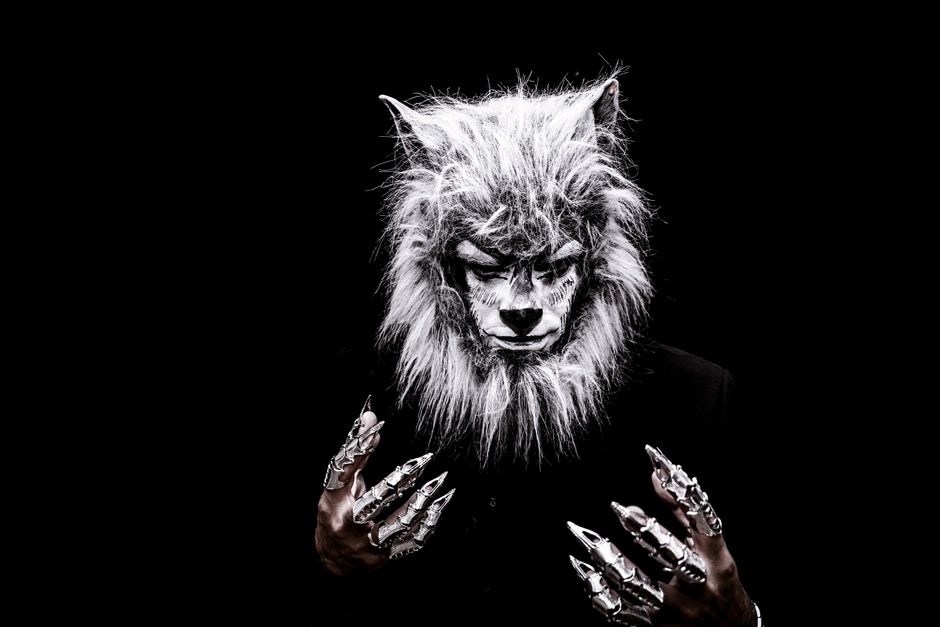
Imagine seeing someone covered in thick hair from head to toe in medieval Europe, when science couldn't explain genetic anomalies. Terrified villagers might assume the worst: werewolf. The connection between werewolf myths hypertrichosis and ancient folklore reveals a surprisingly medical explanation for one of history's most enduring monster legends. This rare genetic condition, which causes excessive hair growth across the body and face, likely inspired countless tales of humans transforming into beasts under the full moon.

The facts behind these myths are both amazing and sobering. People born with hypertrichosis faced persecution, exile, and sometimes execution because their appearance seemed to confirm supernatural fears. Yet this curiosity of nature also allowed some individuals to discover fame in traveling shows, turning a genetic difference into a livelihood during less enlightened times.

Key Takeaways

  • Hypertrichosis is an extremely rare genetic condition causing abnormal hair growth across the body, affecting roughly one in a billion people for the most severe forms.
  • Historical records document individuals with hypertrichosis being displayed in royal courts and accused of lycanthropy during the Middle Ages and Renaissance.
  • The condition comes in two main types: congenital (present from birth) and acquired (developing later in life from various causes).
  • Scientific understanding of hypertrichosis didn't emerge until the 19th century, meaning centuries of sufferers faced superstition instead of medical care.
  • Several famous cases throughout history helped transform public perception from fear to fascination, though stigma persisted well into modern times.
  • Werewolf legends predate documented hypertrichosis cases, but the condition likely reinforced and spread existing folklore across cultures.

Werewolf Myths Hypertrichosis Connection: The Medical Reality

Hypertrichosis causes hair to grow in places and patterns not typical for age, sex, or ethnicity. The most dramatic form, congenital generalized hypertrichosis, covers nearly the entire body in thick hair, leaving only the palms and soles bare. This isn't the fine, barely-visible vellus hair most people have on their bodies. We're talking about terminal hair—the thick, pigmented type that grows on your scalp.

The genetic mutation responsible occurs on the X chromosome in many cases, though researchers have identified multiple genetic causes. Some forms run in families. Others appear spontaneously. The condition doesn't affect intelligence, lifespan, or physical capabilities beyond the cosmetic impact of excessive hair growth. Yet throughout history, people with hypertrichosis faced assumptions that their appearance reflected an inner beast.

During the 16th and 17th centuries, European courts collected individuals with unusual physical traits. People with hypertrichosis were sometimes presented as "wild men" or living proof of transformation legends. The Gonzales family, documented in Renaissance portraits, traveled European courts for generations. Their distinctive appearance fascinated nobility while reinforcing werewolf folklore in the popular imagination.

Types and Causes: Beyond the Genetic Lottery

Not all hypertrichosis stems from genetics. Acquired forms can develop from various triggers, creating a spectrum of hair growth patterns and severity.

Type Cause Characteristics
Congenital Generalized Genetic mutation Thick hair covering most of the body from birth
Congenital Localized Genetic or developmental Excessive hair in specific body regions
Acquired Generalized Medications, illness, malnutrition Develops later in life, may be reversible
Acquired Localized Injury, inflammation, friction Hair growth at specific sites of trauma

Certain medications can trigger acquired hypertrichosis as a side effect. Drugs used to treat high blood pressure, immune disorders, and other conditions sometimes stimulate unexpected hair growth. Malnutrition, particularly anorexia nervosa, can paradoxically cause fine hair growth across the body as a protective response. These acquired forms usually reverse when the underlying cause is addressed.

From Fear to Fame: Historical Cases That Shaped Perception

The 19th century saw a shift in how people with hypertrichosis were perceived, at least in some circles. Rather than being hunted as monsters, some individuals found opportunities in entertainment, though this came with its own ethical complications.

Fedor Jeftichew, known professionally as Jo-Jo the Dog-Faced Boy, toured with P.T. Barnum's circus in the late 1800s. Born in Russia with congenital hypertrichosis, he became one of the era's most famous performers. While these exhibitions exploited physical differences, they also introduced the public to real people behind the hair, slowly eroding werewolf associations.

The Aceves family from Mexico represents one of the most documented modern cases. Multiple family members across several generations have been born with the condition, providing geneticists with valuable research opportunities. Their willingness to participate in studies has advanced scientific understanding considerably.

Why Werewolf Legends Stuck: Psychology Meets Biology

Werewolf mythology existed long before documented cases of hypertrichosis, appearing in ancient Greek, Roman, and Norse traditions. So why did this medical condition become so closely linked with the legends?

Human psychology plays a crucial role. Our brains are wired to recognize faces and human forms. When someone's features are obscured by excessive hair, it triggers an uncanny valley response—they look almost human, but something seems wrong. In eras when supernatural explanations dominated, this discomfort translated into fear of the monstrous.

The full moon connection, while medically baseless, created narrative symmetry. Just as the moon transforms from crescent to full, werewolves supposedly transformed from human to beast. People with hypertrichosis didn't actually change, but their constant "transformed" appearance fit the legend's visual imagery perfectly.

Clinical lycanthropy, a separate psychiatric condition where patients believe they're transforming into animals, may have also contributed to werewolf reports. This rare delusion has no connection to hypertrichosis but could have occurred in the same communities, blending distinct phenomena into a single legend.

Modern Understanding and Treatment

Today's medical community recognizes hypertrichosis as a manageable condition rather than a curse. Treatment options focus on hair removal, since no cure exists for genetic forms. Laser hair removal, electrolysis, and depilatory creams offer varying degrees of success, though the hair typically returns.

Genetic counseling helps families understand inheritance patterns. For X-linked forms, affected fathers cannot pass the condition to sons, but all daughters will carry the gene. Female carriers may show mild symptoms or none at all. This knowledge allows families to make informed decisions, though the condition's rarity means limited research funding.

Social acceptance has improved dramatically, though challenges remain. Internet connectivity has allowed people with rare conditions to find community and support. Organizations dedicated to rare diseases provide resources that weren't available even a generation ago. The werewolf association, while not entirely gone from popular culture, no longer carries the same stigma or danger it once did.

Frequently Asked Questions

Is hypertrichosis the same as hirsutism?

No, they're different conditions. Hirsutism causes excess hair growth in women following a male pattern (face, chest, back) due to hormonal imbalances, while hypertrichosis causes hair growth anywhere on the body regardless of sex and isn't hormone-related.

Can hypertrichosis be cured?

Genetic forms have no cure, though hair can be temporarily removed through various methods. Acquired hypertrichosis may resolve if the underlying cause (medication, illness) is addressed, but this depends on the specific trigger and individual response.

How many people have hypertrichosis worldwide?

Congenital generalized hypertrichosis is extremely rare, with roughly 50 to 100 documented cases throughout recorded medical history. Localized and acquired forms are more common but still rare compared to most medical conditions.

Did werewolf trials ever execute people with hypertrichosis?

While historical records document werewolf trials and executions, direct evidence linking victims to hypertrichosis is scarce. The condition's rarity means most accused "werewolves" likely suffered from mental illness, were victims of superstition, or were caught in political or religious persecution rather than having this specific genetic condition.

The next time you encounter a werewolf in fiction, remember the real people whose genetic difference helped shape the legend. Their stories remind us that monsters often emerge not from the supernatural, but from our failure to understand the natural variations in human biology. Science has finally caught up with compassion, transforming a curse into simply another thread in the rich tapestry of human diversity.