
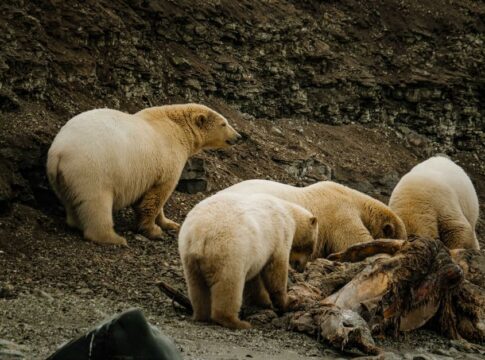
The Truth About Polar Bears Having Black Skin Under Fur
By Trivia Daily, Animals Desk — Published November 29, 2026
Table of Contents
- Key Takeaways
- The Truth About Polar Bears and Their Hidden Black Skin
- Why Polar Bear Fur Looks White But Isn’t
- How This Adaptation Compares to Other Arctic Wildlife
- The Science Behind Heat Retention in Polar Bears
- Evolutionary Origins and Climate Adaptation
- Frequently Asked Questions
Beneath their iconic white coats, polar bears hide a surprising secret: jet-black skin. The truth about polar bears and their dark complexion seems counterintuitive at first—why would nature’s ultimate Arctic predator evolve such contrasting features? This remarkable adaptation showcases the brilliance of evolutionary design, where every element serves a specific survival purpose in one of Earth’s harshest habitats.
Understanding this species requires looking beyond surface appearances. The polar bear’s black skin works in concert with its translucent fur to create a sophisticated system for thermal regulation and camouflage, making these creatures supremely adapted to life on sea ice.
Key Takeaways
- Polar bears have black skin underneath their white fur, which helps absorb and retain heat from the sun.
- Their fur isn’t actually white—each hair is hollow and transparent, appearing white due to light scattering.
- The black skin is most visible on their nose, lips, and paw pads, which remain exposed year-round.
- This color combination creates an efficient heating system that helps polar bears survive in Arctic temperatures.
- The dark pigmentation also provides protection from ultraviolet radiation during the Arctic summer.
- Polar bears are the only bear species with black skin beneath their fur coat.
The Truth About Polar Bears and Their Hidden Black Skin
The discovery that polar bears possess black skin beneath their fur surprised early Arctic researchers who expected pink or pale skin like other light-colored animals. This dark pigmentation serves multiple critical functions. Black surfaces absorb more solar radiation than lighter colors—a basic principle of thermodynamics that polar bears exploit brilliantly. When sunlight penetrates through their translucent guard hairs and reaches the skin, the black surface absorbs maximum heat energy, warming the bear’s body even in frigid conditions.
You can observe this black skin most clearly on parts of the bear that lack fur coverage. The nose, which protrudes constantly while hunting and traveling, appears completely black. Paw pads show the same dark coloration, as do the lips and tongue. These exposed areas demonstrate the underlying pigmentation that covers the entire animal beneath its impressive coat.
Why Polar Bear Fur Looks White But Isn’t
The polar bear’s “white” appearance results from an optical illusion rather than actual pigmentation. Each individual hair is hollow and transparent, lacking any color pigment whatsoever. When light strikes these hollow hairs, it scatters and reflects in all directions—similar to how ice crystals and snow appear white despite being made of clear water. This scattering effect makes the fur appear white or cream-colored to human eyes.
The hollow structure serves another vital purpose beyond camouflage. Air trapped inside each hair shaft provides exceptional insulation, creating millions of tiny air pockets that trap body heat. This design makes polar bear fur one of nature’s most effective insulators. The combination of insulating fur above and heat-absorbing black skin below creates a two-layer system that keeps these animals warm in temperatures that plummet to minus 50 degrees Fahrenheit.
Interestingly, polar bear fur can sometimes appear yellow, green, or even purple under certain conditions. Algae can grow inside the hollow hair shafts in warm, humid zoo environments, tinting the fur green. Oxidation and accumulated oils from seals can create a yellowish tinge on wild bears, particularly older individuals.
How This Adaptation Compares to Other Arctic Wildlife
| Animal | Fur Color | Skin Color | Primary Adaptation |
|---|---|---|---|
| Polar Bear | Translucent (appears white) | Black | Heat absorption and insulation |
| Arctic Fox | White (winter) | Gray to black | Seasonal camouflage |
| Snowy Owl | White feathers | Dark gray | Camouflage for hunting |
| Arctic Hare | White (winter) | Pink to gray | Predator avoidance |
Among Arctic wildlife, the polar bear stands alone with its black skin-translucent fur combination. Other species rely primarily on white pigmentation for camouflage without the sophisticated heat-absorption system polar bears possess. This unique adaptation reflects the polar bear’s role as an apex predator that spends extensive time motionless on ice, waiting at seal breathing holes for hours in extreme cold.
The Science Behind Heat Retention in Polar Bears
The relationship between black skin and survival extends beyond simple heat absorption. Polar bears possess multiple layers of insulation working together. Beneath the skin lies a fat layer that can exceed four inches thick, providing both insulation and energy reserves during lean hunting periods. Above the skin, two fur layers exist: dense underfur close to the skin and longer guard hairs that repel water and shield against wind.
This multilayered system proves so efficient that polar bears face overheating risks during physical exertion. Adult bears often move slowly and deliberately to avoid generating excess body heat. When temperatures rise or after intense activity like chasing prey, polar bears will lie in snow, swim in frigid water, or simply rest to cool down. Their dark skin, which absorbs heat so effectively, can become a liability in warmer conditions.
Research has shown that polar bears lose virtually no heat through their fur when resting. Thermal imaging cameras reveal that polar bears appear nearly invisible in infrared—their insulation is so complete that almost no body heat escapes to be detected. Only the breath from their nostrils shows up clearly on thermal imaging equipment.
Evolutionary Origins and Climate Adaptation
Polar bears evolved from brown bear ancestors approximately 150,000 to 600,000 years ago, though the exact timeline remains debated among researchers. As these ancestral bears moved into Arctic habitats and specialized in hunting seals on sea ice, natural selection favored traits that improved survival in extreme cold. The development of black skin likely occurred alongside the evolution of translucent fur, creating an integrated system for thermal management.
Brown bears, the polar bear’s closest relatives, have light skin beneath their brown fur. This evolutionary divergence highlights how powerfully environment shapes animal adaptations. The Arctic habitat demanded solutions to problems that temperate-zone bears never faced, driving the development of these unique characteristics.
Today, as climate change alters Arctic ecosystems, these specialized adaptations face new challenges. Polar bears evolved for life on sea ice in extreme cold—conditions that are becoming less predictable. The very traits that made them supreme Arctic predators may prove less advantageous as their habitat transforms.
Frequently Asked Questions
Do polar bear cubs have black skin too?
Yes, polar bear cubs are born with black skin just like adults. Newborn cubs have much thinner fur initially, making the dark skin more visible through their sparse white coat until their fur thickens over the first few months of life.
Can polar bears get sunburned?
The black pigmentation in polar bear skin provides natural protection against ultraviolet radiation, significantly reducing sunburn risk. Their thick fur also blocks most UV rays from reaching the skin during the continuous daylight of Arctic summers.
Why don’t other bear species have black skin?
Other bear species evolved in different habitats where heat absorption wasn’t a survival priority. Brown, black, and other bears have skin coloration ranging from pink to gray that matches their environmental needs and doesn’t require the specialized heat-capture system Arctic conditions demand.
Is polar bear fur really hollow?
Yes, each polar bear guard hair contains a hollow core filled with air. This structure provides exceptional insulation while keeping the fur lightweight, and the air-filled shafts scatter light to create the white appearance that helps with camouflage against snow and ice.
The next time you see a polar bear, whether in photographs or in person, remember that beneath that magnificent white exterior lies a completely different color story. Evolution rarely creates features by accident—every aspect of these remarkable creatures reflects millions of years of adaptation to one of Earth’s most demanding environments. That hidden black skin represents nature’s elegant solution to the challenge of staying warm where few other large predators dare to venture.