
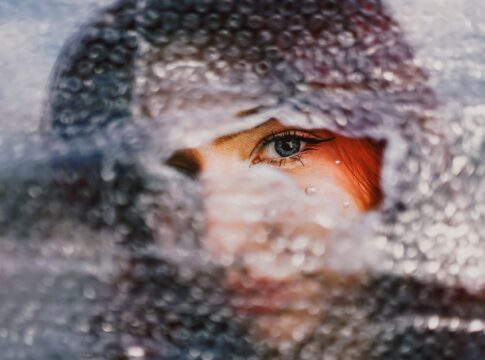
The Hidden Story of How Bubble Wrap Was Almost Wallpaper
By Trivia Daily, Staff Writer — Published October 9, 2026
Table of Contents
- Key Takeaways
- The Hidden Story Bubble Wrap Carries From Bathroom to Boardroom
- Why Bubble Wrap Works So Well
- Surprising Facts About This Everyday Material
- From Failure to Global Icon
- Frequently Asked Questions
Imagine walking into a room where the walls are covered in bubble wrap. You’d probably want to start popping immediately. But in 1957, two inventors had exactly that vision—not as packaging material, but as textured wallpaper for modern homes. The hidden story bubble wrap carries is one of accidental genius, where a failed decorative product became one of the world’s most recognizable packing materials. What began as an attempt to create trendy wall coverings ended up protecting everything from fragile antiques to spacecraft components.
The story reveals how innovation often happens sideways. Alfred Fielding and Marc Chavannes, two engineers in New Jersey, sealed two shower curtains together with air bubbles trapped between them. Their vision? A three-dimensional, easy-to-clean wallpaper that would revolutionize interior design. The market disagreed. Nobody wanted bubble-covered walls. Yet this “failure” would eventually wrap billions of products and become a beloved stress-relief tool.
Key Takeaways
- Bubble wrap was originally invented in 1957 as textured wallpaper, not packaging material
- The inventors, Alfred Fielding and Marc Chavannes, created it by sealing two shower curtains together
- After wallpaper failed, they tried marketing it as greenhouse insulation before discovering its packaging potential
- IBM became one of the first major customers, using bubble wrap to protect the newly released IBM 1401 computer during shipping
- The product is officially called “Air Cap” by its manufacturer, Sealed Air Corporation
- January 25th has been designated as Bubble Wrap Appreciation Day since 2001
The Hidden Story Bubble Wrap Carries From Bathroom to Boardroom
Alfred Fielding and Marc Chavannes weren’t packaging engineers—they were tinkerers exploring the possibilities of plastic. In their garage workshop in Hawthorne, New Jersey, they experimented with sealing plastic sheets together, creating pockets of air between the layers. The result looked interesting, even futuristic. They envisioned homeowners covering their walls with this textured material, offering both visual appeal and easy maintenance. You could wipe it clean with a damp cloth, and it added depth to flat surfaces.
The wallpaper idea flopped spectacularly. Consumers in the late 1950s weren’t ready for bubble-covered walls. Rather than abandon their invention entirely, Fielding and Chavannes pivoted. They tried selling it as greenhouse insulation, reasoning that the air pockets would provide thermal protection for plants. This application showed slightly more promise but still didn’t generate significant sales. The inventors had a solution searching desperately for a problem.
The breakthrough came when they reconsidered the air pockets themselves. Those cushions of trapped air weren’t just for show—they could absorb shock. In 1960, they founded Sealed Air Corporation and began marketing their product as protective packaging. The timing proved perfect. The computer industry was exploding, and these massive, delicate machines needed protection during transport. IBM recognized the potential immediately and began using bubble wrap to ship their computers.
Why Bubble Wrap Works So Well
The physics behind bubble wrap’s effectiveness is elegantly simple. Each bubble acts as an independent shock absorber, distributing impact force across multiple points rather than concentrating it in one area. When a wrapped package experiences a jolt, the air inside the bubbles compresses, converting kinetic energy into heat and sound—that satisfying pop. The plastic film itself adds a layer of moisture protection, and the air provides thermal insulation.
Modern bubble wrap comes in various sizes and configurations. Small bubbles, typically about 6 millimeters in diameter, work well for lightweight items and filling voids in boxes. Large bubbles, sometimes exceeding 25 millimeters, provide cushioning for heavier objects. Some versions feature bubbles on both sides, offering enhanced protection for particularly fragile items. Manufacturers have even developed anti-static versions for sensitive electronics.
The material’s lightweight nature offers a practical advantage beyond protection. Shipping costs often depend on package weight, so using bubble wrap instead of heavier alternatives like foam peanuts or crumpled paper can reduce expenses. A roll of bubble wrap weighs far less than the equivalent volume of most other cushioning materials, making it economical for businesses shipping thousands of packages.
Surprising Facts About This Everyday Material
Bubble wrap’s cultural impact extends far beyond shipping departments. The satisfying sensation of popping bubbles has made it an unofficial stress-relief tool in offices worldwide. Studies have explored whether popping bubble wrap actually reduces stress, and while results vary, many people report finding the activity genuinely calming. The repetitive action and tactile feedback seem to provide a brief mental break.
Sealed Air Corporation noticed this phenomenon and created a version called “Bubble Wrap Brand Cushioning” specifically designed to resist popping during shipping. The bubbles are more durable, ensuring products stay protected even if handlers can’t resist squeezing the package. They’ve also developed “iBubble Wrap,” a smartphone app that simulates the popping experience without wasting material—though devotees insist it’s not quite the same.
Environmental concerns have pushed innovation in recent years. Traditional bubble wrap is made from polyethylene, which doesn’t biodegrade easily. Some manufacturers now produce biodegradable versions or offer recycling programs. Sealed Air introduced an inflatable alternative where bubbles are filled on-demand at packaging facilities, reducing the volume of material that needs to be transported and stored.
From Failure to Global Icon
The journey from rejected wallpaper to indispensable packaging material illustrates an important truth about innovation. Great ideas often succeed in unexpected ways. Fielding and Chavannes didn’t set out to revolutionize shipping—they wanted to redecorate homes. Their willingness to reimagine their invention’s purpose transformed a garage experiment into a billion-dollar industry.
Today, Sealed Air Corporation operates globally, producing bubble wrap and other protective packaging materials. The product they almost abandoned has protected everything from fine art in museums to scientific instruments on space missions. Its versatility continues to surprise: builders use it for insulation, gardeners protect plants from frost with it, and crafters incorporate it into art projects.
The company has explored countless variations over the decades. Some bubble wrap includes colored bubbles for visual appeal or branding purposes. Others feature different bubble shapes—triangular, hexagonal, or even heart-shaped for special occasions. Despite these innovations, the original design remains remarkably similar to what Fielding and Chavannes created in their garage more than six decades ago.
Frequently Asked Questions
What was bubble wrap originally invented for?
Bubble wrap was originally invented in 1957 as textured wallpaper. Inventors Alfred Fielding and Marc Chavannes created it by sealing two shower curtains together, intending it as a modern, easy-to-clean wall covering before discovering its packaging applications.
Why is popping bubble wrap so satisfying?
Popping bubble wrap provides tactile and auditory feedback that many people find calming. The repetitive action, combined with the physical sensation and popping sound, creates a simple, controllable activity that can serve as a brief stress reliever.
Can bubble wrap be recycled?
Yes, bubble wrap can typically be recycled with plastic bags at designated drop-off locations, though not usually in curbside recycling bins. Many grocery stores and retail locations accept clean, dry bubble wrap along with plastic shopping bags.
What are the different sizes of bubble wrap used for?
Small bubbles (around 6mm) work best for lightweight items, wrapping individual objects, and filling empty spaces in boxes. Large bubbles (25mm or more) provide better cushioning for heavier items and offer superior shock absorption for fragile products during shipping.
Next time you receive a package wrapped in those familiar air-filled cushions, remember you’re touching a piece of accidental history. What protects your online purchases today was once destined to decorate living room walls—a reminder that the best discoveries often arrive when we’re looking for something else entirely.