
⏱️ 5 min read
Did You Know? 12 Facts About The Golem
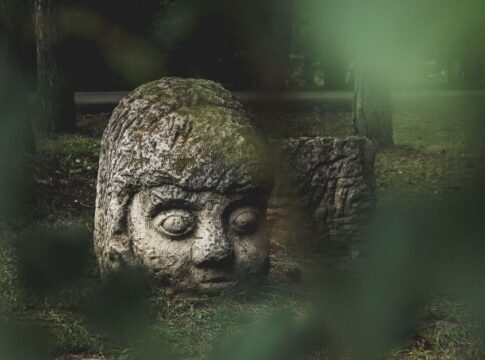
The golem stands as one of Jewish mythology’s most enduring and fascinating creations—a being formed from clay or mud and brought to life through sacred rituals and divine names. This legendary creature has captured imaginations for centuries, evolving from ancient mystical traditions into a powerful symbol that resonates in modern literature, film, and popular culture. The golem represents humanity’s complex relationship with creation, power, and the consequences of playing god. Here are twelve remarkable facts about this legendary being that reveal its deep cultural significance and lasting impact.
1. The Golem’s Ancient Origins in Jewish Mysticism
The concept of the golem originates in early Jewish mystical traditions, particularly within the Talmud and Kabbalah. The word “golem” appears in Psalm 139:16, where it refers to an unformed or incomplete substance. In Jewish mystical texts dating back to the 3rd and 4th centuries, creating a golem was considered an exercise in understanding divine creation, demonstrating the adept’s deep spiritual knowledge and connection to God’s creative powers.
2. Created from Earth and Clay
According to legend, golems are fashioned from clay, mud, or earth, echoing the biblical creation of Adam from the dust of the ground. This material connection to the earth is fundamental to the golem’s nature, representing raw, unrefined matter that requires divine animation to achieve purpose. The specific earth used in creating a golem often came from virgin soil or riverbanks, emphasizing purity and primordial elements.
3. Animation Through Sacred Words
Golems are brought to life through the power of sacred Hebrew words and divine names. The most common method involves inscribing “emet” (אמת), meaning “truth,” on the creature’s forehead or placing a paper with God’s name in its mouth. This linguistic animation reflects Judaism’s deep reverence for the power of words and the sacred nature of Hebrew, considered by many to be the language of creation itself.
4. The Most Famous Golem of Prague
The most celebrated golem legend centers on Rabbi Judah Loew ben Bezalel, known as the Maharal of Prague, who allegedly created a golem in the late 16th century to protect the Jewish ghetto from antisemitic attacks and blood libel accusations. According to the tale, the Golem of Prague served as a defender of the Jewish community, performing tasks and guarding against threats until it eventually grew too powerful and dangerous.
5. Golems Cannot Speak
A defining characteristic of golems in traditional stories is their inability to speak or communicate verbally. This speechlessness emphasizes their incomplete nature—they possess physical form and can follow commands, but lack the divine spark of true consciousness that would grant them language and full humanity. This limitation serves as a crucial distinction between human creation and divine creation.
6. Deactivation by Erasing a Letter
The traditional method for deactivating a golem involves erasing the first letter of “emet” (truth) from its forehead, leaving “met” (מת), which means “death” or “dead.” This simple act of erasure transforms the animating principle from truth to death, causing the golem to return to lifeless clay. Some versions require removing the divine name from the creature’s mouth or destroying the inscription entirely.
7. Growing Increasingly Dangerous
A recurring theme in golem legends is the creature’s tendency to grow larger, stronger, and more difficult to control over time. What begins as a helpful servant often becomes a dangerous threat as the golem gains power beyond its creator’s ability to manage. This narrative element reflects fears about technology, artificial beings, and the unintended consequences of human ambition—themes that remain remarkably relevant today.
8. Literal Interpretation of Commands
Golems are typically portrayed as extremely literal in following instructions, lacking the judgment and understanding to interpret commands appropriately. This characteristic often leads to problems, as the golem cannot distinguish between the letter and spirit of an order. This aspect of golem legends has influenced countless stories about artificial intelligence and robots that follow programming too rigidly.
9. Created Only by the Spiritually Advanced
In traditional mystical texts, creating a golem was not merely a mechanical process but required exceptional spiritual purity, knowledge, and righteousness. Only the most learned and holy individuals, deeply versed in Kabbalah and the mysteries of creation, could successfully animate a golem. This requirement emphasized that golem creation was a profound spiritual exercise rather than mere magic.
10. Symbol of Protection and Defense
Throughout Jewish folklore, golems primarily serve as protectors of Jewish communities during times of persecution. They represent the hope for supernatural intervention against oppression and violence. This protective aspect has made the golem an enduring symbol of Jewish resilience and the desire for safety in the face of historical persecution.
11. Influence on Modern Science Fiction
The golem legend has profoundly influenced modern science fiction and fantasy, serving as a prototype for stories about artificial intelligence, robots, and created beings. Mary Shelley’s “Frankenstein” draws clear parallels to golem tales, as do countless robot and AI narratives that explore themes of creation, control, and the responsibilities creators bear toward their creations. The golem’s legacy continues in contemporary discussions about artificial intelligence and biotechnology.
12. The Golem Awaits in Prague’s Attic
According to popular legend, the remains of the Golem of Prague still rest in the attic of the Old New Synagogue in Prague, where Rabbi Loew allegedly stored the deactivated clay figure. While this is almost certainly folklore rather than fact, the legend persists, and the synagogue’s attic remains closed to the public, adding mystique to the tale. This enduring story demonstrates the golem’s continued cultural resonance and the power of legends to shape our understanding of places and history.
Conclusion
The golem remains one of mythology’s most compelling creations, embodying timeless themes of power, responsibility, protection, and the dangers of unchecked ambition. From ancient mystical practices to modern artificial intelligence debates, the golem legend continues to offer profound insights into humanity’s relationship with creation and the ethical dimensions of bringing new forms of life or intelligence into existence. These twelve facts reveal just how deeply the golem has influenced culture, religion, and storytelling across centuries, ensuring its place as an enduring symbol in our collective imagination.