
The Truth About Elephants Mourning Their Dead
By Trivia Daily, Animals Desk — Published October 6, 2026
Table of Contents
- Key Takeaways
- The Truth About Elephants Mourning: What Science Has Observed
- The Biology Behind Elephant Emotion
- Comparing Death Awareness Across Species
- Maternal Grief and Calf Loss
- Social Bonds and Herd Dynamics
- Frequently Asked Questions
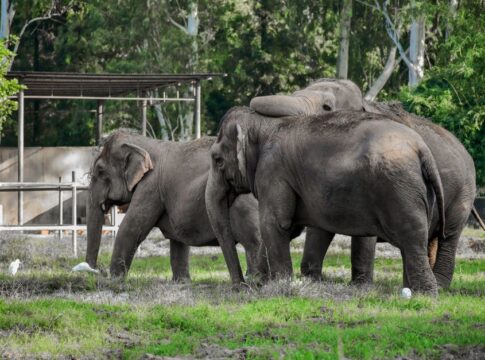
When an elephant dies, something remarkable happens. The herd doesn’t simply move on. Instead, these giants of the animal kingdom gather around the body, touching it gently with their trunks, standing vigil for hours or even days. The truth about elephants mourning their dead goes beyond folklore—it’s one of the most profound examples of animal behavior documented in wildlife research. Elephants display what scientists call “death-related behavior,” a rare trait in the animal world that reveals just how emotionally complex these creatures really are.
Their response to death isn’t limited to their own species. Elephants have been observed returning to the bones of deceased herd members years later, carefully examining skulls and tusks with their sensitive trunks. This behavior suggests a level of memory and emotional processing that challenges our understanding of animal intelligence and forces us to reconsider what separates human grief from that experienced by other species in nature.
Key Takeaways
- Elephants demonstrate verifiable mourning behaviors including touching deceased herd members, standing vigil, and showing signs of distress when encountering elephant remains.
- These animals possess the largest brain of any land creature, with particularly developed areas associated with memory and emotional processing in mammals.
- Elephants can recognize the bones of their own species and show special interest in elephant skulls and tusks, even years after death.
- Mother elephants have been documented trying to lift or carry dead calves, sometimes for days, refusing to leave the body behind.
- This mourning behavior extends beyond immediate family—entire herds participate in death rituals, demonstrating complex social bonds.
- Elephants are among only a handful of species that show clear evidence of understanding death, joining humans, great apes, and certain cetaceans.
The Truth About Elephants Mourning: What Science Has Observed
Field researchers studying elephant populations in their natural habitat have documented consistent patterns when these animals encounter death. The behavior isn’t random or instinctive in the way a bird might abandon a nest. Elephants actively engage with deceased individuals through deliberate, repeated actions.
When a herd member dies, elephants gather around the body. They touch it repeatedly with their trunks, particularly focusing on the head and tusks. The touching is gentle, almost investigative, as if trying to understand what has happened. Some elephants will attempt to lift the body or cover it with branches and dirt. The herd may remain with the deceased for several days, and younger elephants often show visible signs of agitation.
What makes this behavior even more striking is the elephants’ reaction to bones. Unlike most wildlife species that ignore skeletal remains, elephants stop to examine elephant bones they encounter during their travels. They pick up tusks and skulls, turning them over with their trunks and feet. Research has shown they can distinguish elephant bones from those of other large animals like buffalo or rhinos, suggesting they recognize their own kind even after death.
The Biology Behind Elephant Emotion
Understanding elephant mourning requires looking at their remarkable brains. An adult elephant’s brain weighs around 11 pounds, making it the heaviest brain of any land animal. Size alone doesn’t tell the whole story—what matters is structure.
The elephant brain has a highly developed hippocampus and cerebral cortex, regions associated with memory formation and emotional processing in all mammals. The temporal lobes, which handle auditory processing and memory, are particularly large. This neurological architecture gives elephants exceptional memory capabilities and likely supports their complex emotional lives.
Elephants also possess spindle neurons, specialized brain cells once thought to exist only in humans and great apes. These neurons are associated with social cognition, empathy, and the ability to recognize oneself as distinct from others—all prerequisites for understanding death as a concept rather than simply reacting to a motionless herd member.
Comparing Death Awareness Across Species
| Species | Death-Related Behavior | Duration of Response |
|---|---|---|
| Elephants | Vigils, touching remains, covering bodies, returning to bones | Days to years |
| Chimpanzees | Cleaning bodies, protecting deceased infants, quiet observation | Hours to days |
| Dolphins | Supporting dead calves at surface, staying near bodies | Hours to days |
| Crows | Gathering around dead crows, alarm calls, avoiding location | Minutes to hours |
| Dogs | Searching for deceased companions, decreased activity | Days to weeks |
Maternal Grief and Calf Loss
Perhaps the most heart-wrenching examples of elephant mourning involve mothers and their calves. Female elephants invest tremendous energy in raising their young—calves nurse for several years and remain dependent on their mothers for guidance well into adolescence.
When a calf dies, the mother’s response can be intense. Documented cases show mothers attempting to lift dead calves with their trunks and tusks, trying to get them to stand. Some mothers carry the body for considerable distances, refusing to abandon it even as the herd moves on. The mother may return repeatedly to the location where her calf died, standing silently for extended periods.
This isn’t anthropomorphism—it’s observed behavior that researchers have recorded across different elephant populations in Africa and Asia. The response varies by individual, just as human grief varies, but the pattern is consistent enough to indicate genuine emotional distress rather than confusion or instinct.
Social Bonds and Herd Dynamics
Elephant society is matriarchal, built around family units led by the oldest females. These herds consist of related females and their offspring, with bonds that last decades. Males eventually leave to form bachelor groups or live solitarily, but females remain together for life.
When a matriarch dies, the loss affects the entire herd’s survival. The matriarch holds decades of environmental knowledge—where to find water during droughts, which routes are safest, how to respond to threats. Her death represents not just an emotional loss but a practical one.
The herd’s mourning behavior may serve social functions beyond grief. Gathering around the deceased reinforces social bonds among survivors. Young elephants learn from observing these rituals, potentially developing their own understanding of mortality. The behavior might also serve as a form of closure, allowing the herd to process the loss before moving forward.
Frequently Asked Questions
Do elephants actually cry tears when sad?
Elephants do produce tears to lubricate their eyes, but there’s no scientific evidence that they cry emotional tears the way humans do. Their mourning behavior manifests through actions—touching, vocalizations, and prolonged attention to the deceased—rather than tear production.
How long do elephants remember deceased herd members?
Elephants can remember deceased individuals for many years, possibly decades. They’ve been observed showing recognition when encountering the bones of elephants that died years earlier, paying particular attention to the remains of former herd members.
Do elephants mourn animals from other species?
While elephants primarily show mourning behavior toward their own species, there are documented cases of elephants appearing distressed by the deaths of humans they knew well, particularly handlers or researchers who worked closely with them over extended periods.
Are Asian and African elephants similar in mourning behavior?
Both African and Asian elephants display death-related behaviors, though most long-term field studies have focused on African populations. The fundamental patterns—touching bodies, standing vigil, and showing interest in bones—appear consistent across elephant species.
The elephant’s relationship with death reveals something profound about the inner lives of animals. These creatures don’t just survive in their habitat—they experience it, remember it, and grieve losses within it. Every time researchers document these behaviors in wildlife populations, the boundary between human and animal emotion becomes a little less distinct, reminding us that we share this planet with other species capable of genuine feeling.