
The Hidden History of Why Oranges Are Not Always Orange
By Trivia Daily, Staff Writer — Published October 2, 2026
Table of Contents
- Key Takeaways
- The Hidden History of Oranges and the Color Myth
- How the Orange Industry Manufactured Consumer Expectations
- Regional Differences in Orange Appearance and Acceptance
- The Etymology: Did the Fruit Name the Color?
- The Science Behind Regreening
- Frequently Asked Questions
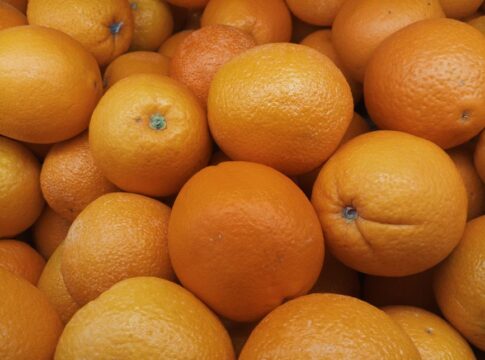
Walk down the produce aisle and you’ll find a pile of brightly colored oranges, each one glowing with that characteristic orange hue. But here’s a surprising fact that reveals the hidden history of oranges: in warm tropical climates where oranges naturally thrive, the fruit often stays green even when perfectly ripe and sweet. The orange color we associate with this citrus fruit is actually a product of cooler temperatures, not ripeness. This amazing discovery challenges everything most people think they know about one of the world’s most popular fruits.
The disconnect between color and ripeness has shaped agricultural practices, consumer expectations, and even led to artificial coloring techniques that remain common today. These interesting facts about oranges reveal how human perception has transformed a natural product into something quite different from its original form.
Key Takeaways
- Oranges grown in tropical climates often remain green when fully ripe because chlorophyll doesn’t break down without cool nighttime temperatures.
- The orange color develops through a process called degreening, triggered by temperatures below approximately 55°F (13°C) that break down chlorophyll and reveal carotenoid pigments underneath.
- Many oranges sold commercially are artificially “degreened” using ethylene gas in climate-controlled rooms to achieve the orange color consumers expect.
- In countries like Vietnam, Thailand, and Brazil, perfectly ripe oranges are commonly sold while still green, and consumers judge ripeness by feel and smell rather than color.
- The name “orange” likely came from the fruit itself, not the other way around, with the color word entering English centuries after people knew the fruit.
- Valencia oranges, one of the most popular varieties, can actually regreen during warm weather even after turning orange, a phenomenon called regreening.
The Hidden History of Oranges and the Color Myth
The relationship between oranges and their namesake color is more complex than most people realize. Oranges originated in Southeast Asia, where warm, humid conditions prevail year-round. In these tropical environments, orange trees produce fruit that remains green throughout its development. The chlorophyll that gives leaves and unripe fruit their green color doesn’t break down without a specific environmental trigger: cool temperatures.
When nighttime temperatures drop below about 55°F, a biochemical change occurs in the orange peel. Chlorophyll production slows and existing chlorophyll molecules begin to degrade. This reveals the carotenoid pigments that were present all along, hidden beneath the green. These carotenoids include beta-carotene, the same compound that makes carrots orange and provides vitamin A.
The curious truth is that color tells you nothing reliable about an orange’s sweetness, juice content, or nutritional value. A bright green orange from the tropics can be just as sweet and ripe as an orange-colored one from Florida or California. The peel color reflects only the temperature history of the fruit, not its internal quality.
How the Orange Industry Manufactured Consumer Expectations
As orange cultivation expanded into subtropical regions like Florida, California, and Mediterranean countries, growers noticed something interesting. Oranges that experienced cool autumn and winter nights naturally turned orange. Consumers in these markets came to associate the orange color with ripeness and quality, creating a powerful expectation.
This created a problem for growers in warmer regions and for early-season fruit that ripened before cool weather arrived. Perfectly delicious oranges remained green, making them difficult to sell to consumers who had learned to judge ripeness by color. The solution? Artificial degreening.
Today, many commercial oranges undergo a controlled degreening process. Fruit is placed in rooms where ethylene gas—a natural plant hormone that triggers ripening processes—is introduced along with carefully controlled temperature and humidity. This treatment doesn’t ripen the oranges (they’re already ripe) but simply removes the chlorophyll to reveal the orange color underneath. The practice is considered safe and is widely used throughout the citrus industry.
Regional Differences in Orange Appearance and Acceptance
Travel to different parts of the world and you’ll encounter radically different expectations about what an orange should look like. In Vietnam, green-skinned oranges are the norm. Street vendors sell them by the bagful, and customers select fruit by squeezing gently to test for juice content and checking the weight-to-size ratio. Nobody expects them to be orange.
Similarly, in parts of Brazil, Thailand, and other tropical regions, green oranges dominate the market. The fruit is often sweeter than varieties grown in cooler climates because consistent warm temperatures allow for optimal sugar development. Local consumers have never associated the color orange with ripeness because they’ve always eaten green oranges.
| Region | Typical Color at Market | Primary Varieties |
|---|---|---|
| Southeast Asia (Vietnam, Thailand) | Green to yellow-green | Local cultivars adapted to tropical climates |
| Brazil (tropical regions) | Often green | Pera, Valencia |
| Florida, USA | Orange (often degreened) | Valencia, Hamlin |
| California, USA | Deep orange (natural) | Navel, Valencia |
| Mediterranean (Spain, Italy) | Orange | Navel, Blood oranges |
The Etymology: Did the Fruit Name the Color?
Here’s a linguistic twist to explore: the word “orange” for the color didn’t exist in English until the fruit became widely known. Before oranges arrived in Europe, English speakers described orange-colored objects as yellow-red or simply red. The fruit’s name came from Sanskrit “naranga” through Persian “narang” and Arabic “naranj,” eventually dropping the initial “n” in European languages.
The color term “orange” appeared in English around the 16th century, borrowed directly from the fruit. This means the fruit definitively came first, linguistically speaking. It’s one of the few color words in English derived from an object rather than a descriptive term.
The Science Behind Regreening
Valencia oranges demonstrate another fascinating phenomenon that surprises many people. These oranges can actually turn back to green after becoming orange, a process called regreening. When warm spring temperatures arrive, the fruit may produce new chlorophyll even though it remains ripe and edible. The orange returns to a greenish hue, particularly on the side facing the sun.
Regreening causes no change in taste or quality. The orange inside remains perfectly ripe. But consumer resistance to green-colored oranges means that regreened fruit often gets diverted to juice production rather than sold fresh, despite being identical in eating quality to orange-colored fruit from the same tree.
Frequently Asked Questions
Are green oranges safe to eat?
Yes, green oranges are completely safe to eat if they’re ripe. In tropical regions where oranges grow naturally, green is the normal color for ripe fruit. The green color comes from chlorophyll and indicates nothing about ripeness, sweetness, or safety.
Why are oranges in grocery stores always orange?
Grocery stores sell orange-colored oranges because consumer research shows that shoppers in most Western markets prefer and expect this color. Many oranges are artificially degreened using ethylene gas to remove chlorophyll and reveal the orange pigments beneath, meeting consumer expectations even when fruit ripens during warm weather.
Do all orange varieties stay green in warm climates?
Most orange varieties will remain partly or fully green when grown in consistently warm tropical climates without cool nighttime temperatures. Some varieties are more prone to retaining green color than others, but temperature is the primary factor determining whether chlorophyll breaks down to reveal orange pigments.
Can you tell if an orange is ripe without looking at color?
Yes, you can judge ripeness by weight, firmness, and smell. A ripe orange feels heavy for its size due to juice content, yields slightly to gentle pressure without being soft, and often has a sweet citrus aroma near the stem end. These indicators work regardless of peel color.
Next time you bite into an orange, remember that its color tells a story about temperature, geography, and human expectations rather than the fruit’s actual ripeness. The hidden history of oranges reminds us that nature doesn’t always conform to our categories, and that the “natural” appearance we expect from food is often more cultural construct than biological reality.